Light soup to try with fresh fish
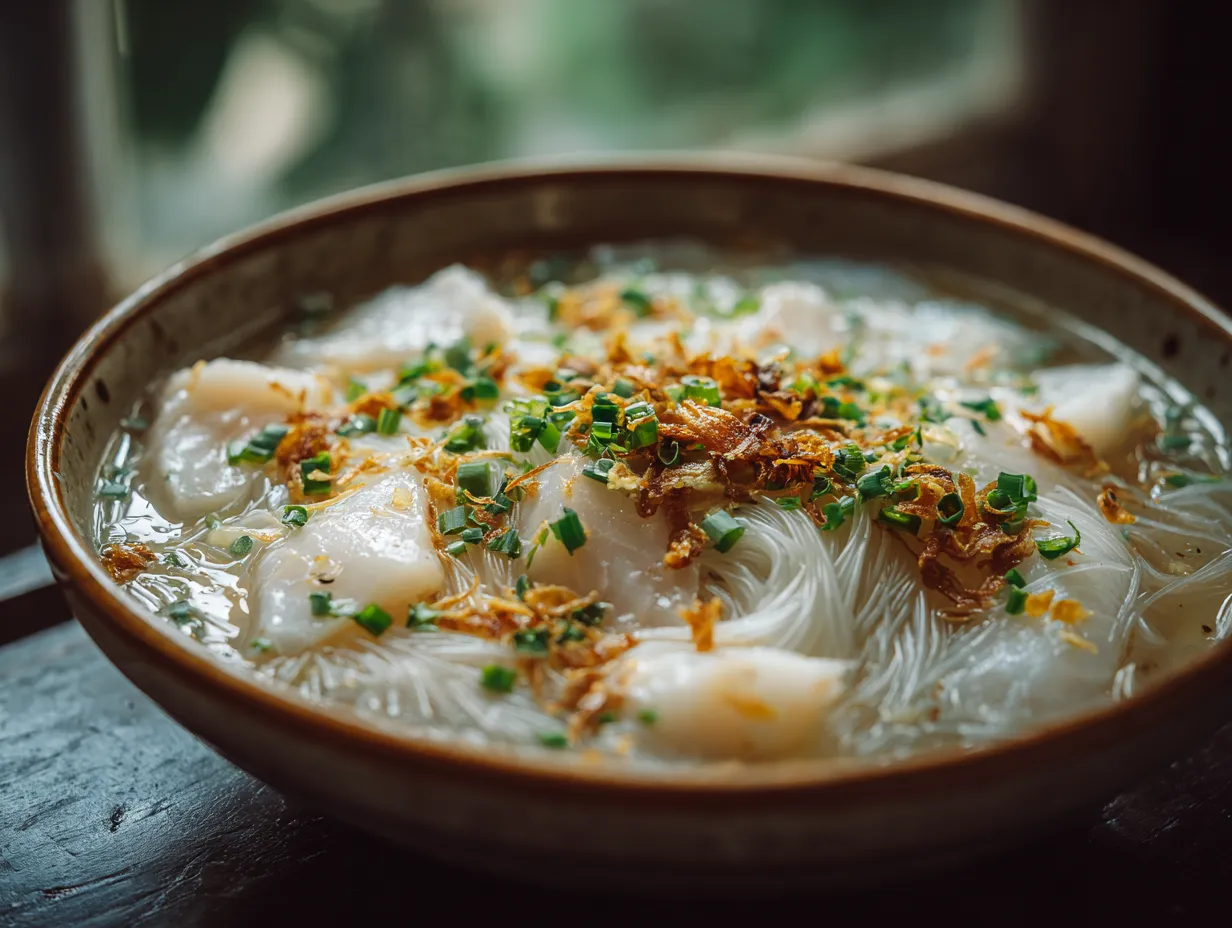
Sliced Fish Bee Hoon Soup
A comforting Singapore-style Sliced Fish Bee Hoon Soup — clear, ginger-scented broth with tender fish slices and silky r...

Practical, Singapore-focused tips from a wet market fishmonger on how to pick, buy and store the freshest seafood for hawker-style cooking and home meals.
If the eyes look like raisins, walk away — a fresh fish tells you by its eyes and gills.
Early mornings at the market are where you find the best fish and the best stories — bring a cooler and ask questions.
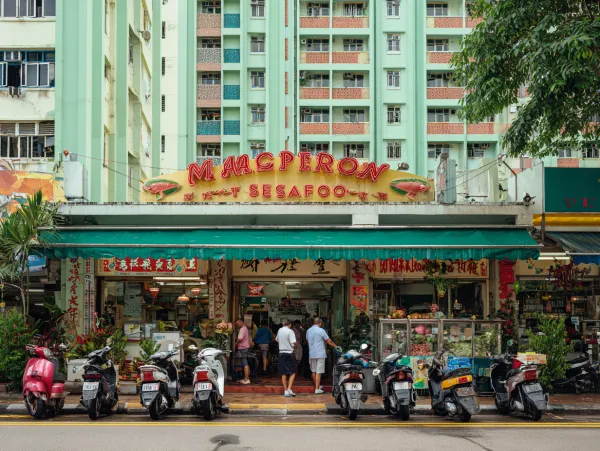
Wet market fishmongers are part of Singapore's food DNA — from early-morning heartland runs in Tiong Bahru and Tekka Centre to weekend trips to the East Coast markets. Unlike supermarkets, many stallholders handle, source and store fish daily, so they can read the catch and recommend what’s best that morning.
Hearing advice directly from the person who bought and prepared the fish is invaluable: they can tell you when something was landed, whether it’s day-boat or imported, and how best to cook it — perfect for kopi-chat cooking tips or planning a zi char-style dinner.
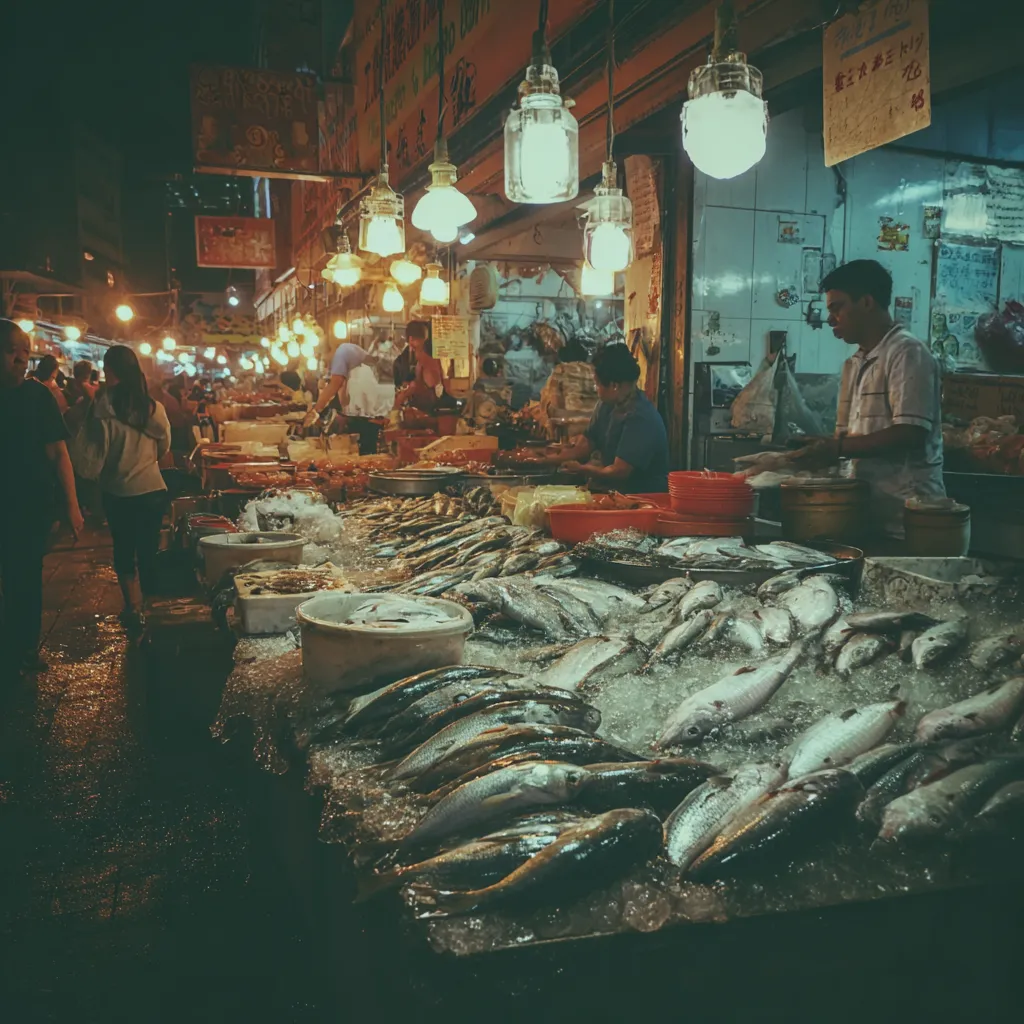
When choosing whole fish, use your eyes and fingers: look for clear, bulging eyes (not cloudy or sunken), bright red or pink gills, and shiny, intact scales. Press the flesh gently — it should bounce back quickly; if an indent remains, the fish is past its best.
Smell is crucial. Fresh fish smells mildly briny or sea-like, never sour, ammonia-like or ‘fishy’. A little clear slime is normal; sticky or coloured slime is a red flag. Ask the fishmonger when it arrived — same-day landings are ideal for sashimi or grilling.

Live crabs and shellfish are top choice if you plan to cook the same day — look for movement and closed shells (for molluscs). For prawns, choose ones with translucent shells and a firm body; avoid limp or mushy heads. For squid and cuttlefish, the flesh should be white and slightly translucent, with clear eyes.
Don't be shy to ask the fishmonger to open shells or crack claws so you can check the meat. In Singapore markets, many stallholders will clean, gut and even devein prawns on request — a small service charge may apply, but it’s worth it for convenience and hygiene.

Go early for best choice; late morning sometimes offers bargains as stallholders reduce prices. Be polite and direct — ask when the fish arrived, where it was sourced, and whether they can prepare it (scale, gut, fillet). A good relationship with a regular stall can net you heads for soup or tips on what's peak season.
Bring a cooler bag or insulated box if you're buying many items. Most stalls will pack fish in plastic and add ice on request, but for long journeys home (or if combining multiple stops), a personal cooler keeps seafood safe. Pay attention to cleanliness and avoid stalls with standing water or poor hygiene practices.

Use fresh seafood the same day for best taste. For short storage, wrap fillets in cling film over crushed ice in a container; for longer storage, clean, portion and freeze promptly. Label with date and use within a month for best quality.
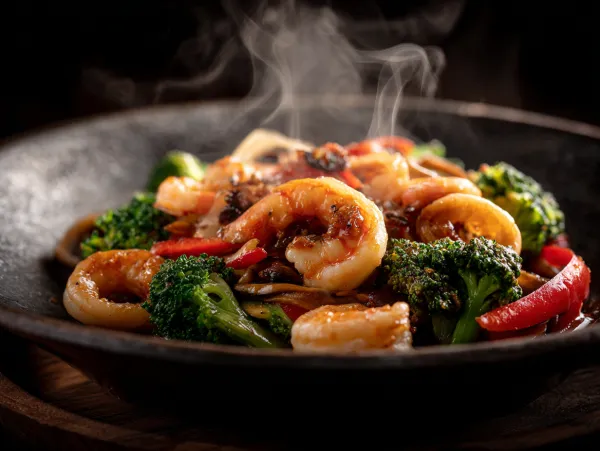
Simple local ways to enjoy fresh seafood: sliced fish bee hoon soup for a light lunch, wok-fried seafood with laksa paste for a spicy dinner, or prepare a quick chilli crab sauce at home for special occasions. If you bought whole prawns or scallops, they’re perfect for quick stir-fries or a seafood pot pie for family meals.