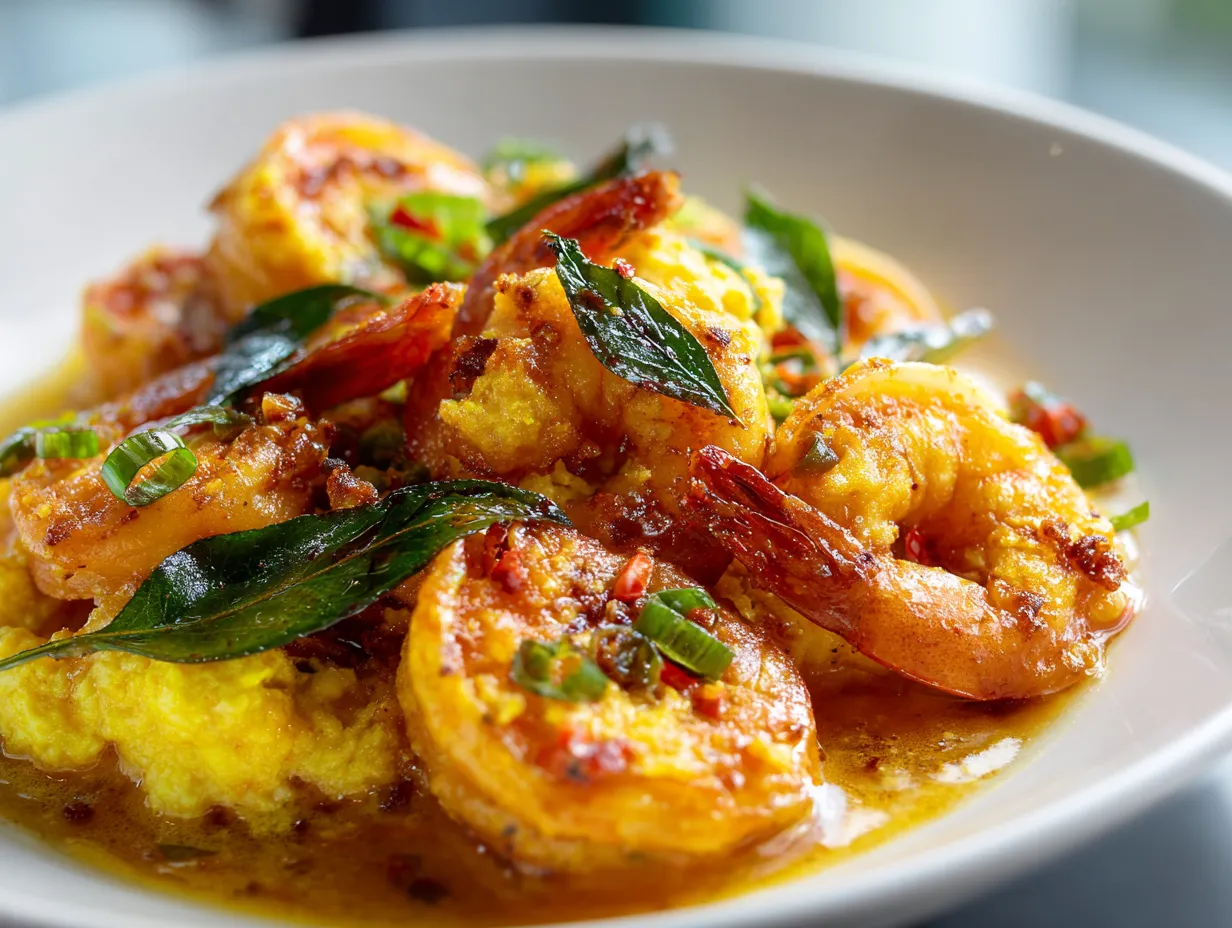
Chai Tow Kway (Fried Carrot Cake - Black & White)
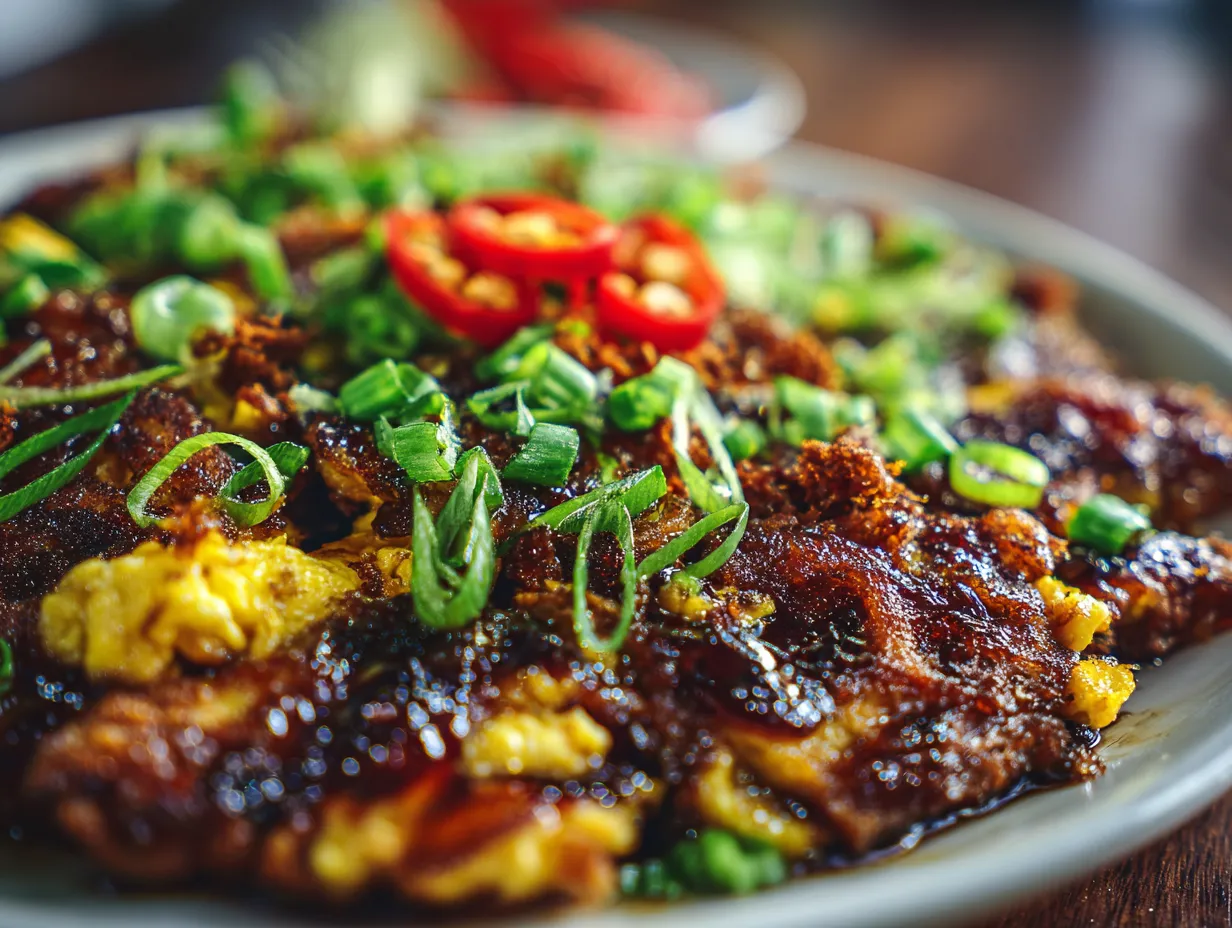
A Singapore-style wok-fried Chai Tow Kway (fried carrot/turnip cake) served black or white, with crisp edges, silky scrambled egg and savoury chai poh.
About this dish
Chai Tow Kway — commonly called “carrot cake” in Singapore though made from white radish (daikon) — is a hawker-centre favourite that doubles as kopitiam breakfast, supper or weekend comfort food. This version covers both the beloved “black” style (with sweet dark soy) and the lighter “white” style (seasoned mainly with light soy and white pepper), so you can recreate the zi char stall flavours at home. Expect soft, steamed radish cake cubes with golden, crisp edges, fragrant fried preserved radish (chai poh), juicy prawns or lap cheong if you like, and ribbons of just-set egg.
In Singapore we eat this in many neighbourhoods — from Tiong Bahru kopitiams to heartland hawker centres — piled onto a plate, sometimes with chilli padi on the side or achar for a sharp contrast. It’s perfect for a quick family-style dinner, a potluck contribution, or a late-night supper after finishing work in the CBD. The dish is forgiving: use store-bought radish cake from NTUC, Cold Storage or your wet market, and tweak the black/white balance to suit the crowd.
Flavour-wise, the black version is caramelised, slightly sweet and smoky thanks to sweet dark soy (kecap manis-style), while the white version highlights the savoury aromatics, chai poh and a peppery egg silkiness. Texture is a key pleasure — soft interior and crunchy edges from a blistering-hot wok (wok hei) — so keep the heat high, work in batches and finish with chopped spring onions and a squeeze of chilli if you like it spicy. This recipe includes optional prawns and Chinese sausage for an authentic hawker touch and tips for getting that restaurant-style wok flavour at home.
Ingredients
- 400 g steamed radish cake (daikon cake), store-bought or homemade, cut into 2 cm cubes
- 60 g preserved radish (chai poh), finely chopped and squeezed to remove excess salt
- 3 tbsp neutral oil (vegetable or peanut oil), plus extra for frying
- 3 large eggs, lightly beaten
- 150 g prawns, peeled and deveined (optional) or 100 g lap cheong (Chinese sausage), thinly sliced
- 3 cloves garlic, minced
- 2 shallots, thinly sliced
- 1 tbsp light soy sauce
- 1½ tbsp dark sweet soy sauce (for black version) — adjust to taste
- ½ tsp sugar
- ¼ tsp white pepper, freshly ground
- 1 tbsp fish sauce (optional, adds umami) or a pinch of MSG if you prefer authentic zi char flavour
- 2 spring onions, sliced diagonally for garnish
- Fresh coriander leaves for garnish (optional)
- 2–3 bird's eye chillies (chilli padi), sliced, to serve
- Lime or calamansi wedges (optional), to brighten
- 1 tbsp water or stock (to loosen and stop sticking if needed)
- Cornstarch slurry (1 tsp cornstarch + 1 tbsp water) — optional for glossy finish in black version
- Salt to taste
Step-by-Step Method
- Prep the radish cake: if store-bought, cut into 2 cm cubes. Pat dry with kitchen paper to remove surface moisture so they crisp up nicely in the wok.
- Prepare aromatics and add-ins: mince garlic, slice shallots, chop chai poh and spring onions. If using prawns, season lightly with a pinch of salt and white pepper; if using lap cheong, slice thinly.
- Heat your wok on high until very hot, then add 2 tbsp oil and swirl. Add radish cake cubes in a single layer and fry without moving for 1–2 minutes to get a golden crust, then toss and fry another 1–2 minutes until most pieces have crisp edges. Remove and set aside. Use high heat for wok hei.
- Lower heat to medium-high, add another 1 tbsp oil if needed, then add shallots, garlic and chopped chai poh. Stir-fry 30–45 seconds until aromatic and the chai poh starts to brown — this gives the dish its savoury crunch.
- If using prawns or lap cheong, add now and stir-fry until prawns turn pink or sausage is fragrant, about 1–2 minutes.
- Return the radish cake to the wok, toss to combine with the aromatics. Add light soy sauce, sugar and fish sauce (if using). For black version, add dark sweet soy sauce now and toss until pieces are evenly coated and caramelised; for white version, omit dark soy and adjust with an extra splash of light soy and a pinch more white pepper.
- Push the radish cake mixture to one side of the wok (or make a well), add a little oil and pour in beaten eggs. Let eggs sit for a few seconds then scramble gently until just set but still soft.
- Toss eggs through the radish cake quickly on high heat to combine, allowing edges to char slightly for that zi char smokiness. If the mixture looks dry, splash 1 tbsp water or stock to loosen. For a glossy finish on the black version, add cornstarch slurry and toss for 10–15 seconds.
- Taste and adjust seasoning — more light soy for saltiness, a little sugar if too sharp, or a squeeze of lime to brighten. Finish with a good grind of white pepper.
- Plate hot and garnish with sliced spring onions and coriander. Serve immediately with sliced chilli padi or achar on the side, and a kopi or cold barley drink for a true Singapore kopitiam feel.
Tips & Serving Ideas
- Buy ready-steamed radish cake from NTUC, Cold Storage or your neighbourhood wet market to save time; pat pieces dry before frying for better crisping.
- Use a well-heated wok and cook on high heat for wok hei; work in batches if your wok is crowded so pieces get a proper sear.
- Prefer the white version? Skip dark sweet soy and finish with extra white pepper and a touch more light soy; for the black style add dark sweet soy slowly to avoid over-sweetness.
- Adjust spice by serving sliced bird's eye chillies or sambal on the side — Singaporeans often mix chilli padi into their plate.
- Make-ahead: you can pan-fry radish cake cubes ahead, cool and refrigerate; reheat quickly in a hot wok and add eggs at the end for fresher texture.
- Leftovers reheat well in a hot non-stick pan or wok; avoid microwaving if you want to keep crisp edges.
- If you can’t get chai poh, substitute with finely diced mushrooms and a splash of fish sauce, but the preserved radish gives an authentic bite.
You might also like
More recipes to save for later.