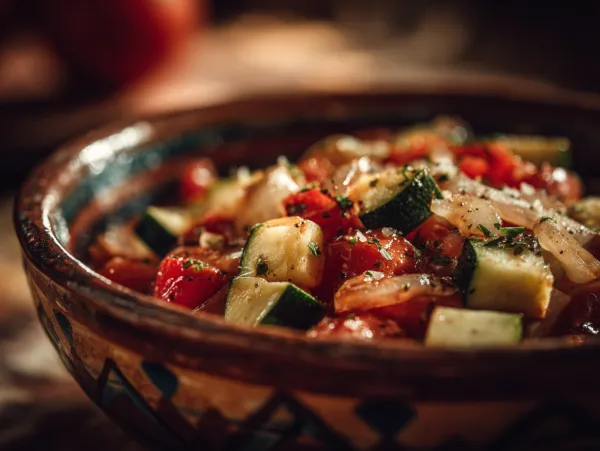
Chye Poh Egg (Preserved Radish Omelette)
A Singapore-style wok-fried preserved radish omelette — chye poh tossed with soft, silky eggs for a salty-sweet, comforting hawker-style dish.

About this dish
Chye Poh Egg (Preserved Radish Omelette) is a humble Singapore favourite you’ll find at kopitiams and home kitchens across the island — a simple wok dish that sings with the sweet-savoury crunch of preserved radish (chye poh) and the silky softness of beaten eggs. It sits comfortably alongside a plate of hot steamed rice for breakfast, a zi char spread, or a late-night supper after a shift at the hawker centre.
The flavour is all about contrast: caramelised, slightly salty preserved radish gives texture and umami while the eggs act as a soft, soothing counterpoint. Local tweaks you might see are a dash of light soy or a scatter of chilli padi for heat, crispy fried shallots or ikan bilis for extra crunch, and a finishing drop of sesame oil to add that familiar aroma you expect from home-style cooking in Singapore.
This recipe is especially good for busy families and weeknight dinners — it’s quick to prep, flexible with pantry staples from NTUC FairPrice, Cold Storage or Sheng Siong, and scales easily for potlucks or a casual family meal in the heartlands. Serve it family-style at the table with steamed rice, sambal or achar for a proper Singapore makan experience.
Ingredients
- 120 g chye poh (preserved radish), drained and roughly chopped
- 4 large eggs, beaten
- 1 small shallot, thinly sliced
- 1 clove garlic, minced
- 1–2 bird's eye chillies (chilli padi), thinly sliced (optional)
- 1 tbsp vegetable oil (plus extra for frying)
- 1 tsp sesame oil
- 1 tbsp light soy sauce
- 1/2 tsp granulated sugar
- 1/4 tsp white pepper
- 2 tbsp water or light chicken stock
- 2 tbsp chopped spring onion (scallions) for garnish
- 1 tbsp fried shallots or crispy ikan bilis, for garnish (optional)
- Steamed rice, to serve (optional)
Step-by-Step Method
- Prepare ingredients: drain and roughly chop chye poh if clumped, beat the eggs with 2 tbsp water and white pepper, slice shallot and chillies, and have garnishes ready.
- Heat a wok over medium-high heat until hot, then add 1 tbsp vegetable oil and swirl to coat — you want a hot wok for quick cooking but not smoking oil.
- Add the sliced shallot and minced garlic, stir-fry for 20–30 seconds until fragrant and slightly translucent. If using dried ikan bilis or dried shrimp, add now and fry until aromatic.
- Toss in the chopped chye poh and stir-fry on medium heat for 2–3 minutes until it starts to caramelise and any excess oil from the preserved radish reduces. Taste a small piece — chye poh can be salty, so adjust later.
- Push the chye poh to the side of the wok, add a little more oil if the wok looks dry, then pour the beaten eggs into the centre. Let eggs sit for 10–15 seconds until edges begin to set.
- Using a spatula, gently scramble the eggs and fold them together with the chye poh. Cook for another 30–60 seconds until eggs are just set but still soft — avoid overcooking so they remain silky.
- Season with light soy sauce, sugar and sesame oil; toss well and taste. Adjust with a touch more light soy or a pinch more sugar to balance saltiness, similar to how a zi char cook would fine-tune flavours.
- Transfer to a serving plate, scatter chopped spring onions and fried shallots or crispy ikan bilis on top, and serve hot with steamed rice or as part of a shared zi char spread.
Tips & Serving Ideas
- Chye poh can be salty and oily — rinse briefly under running water and drain, or pan-fry briefly to reduce excess oil before adding eggs.
- For extra wok hei, make sure your wok is properly heated and cook in a single batch; use high heat and quick tossing to get a slightly smoky aroma.
- If you prefer fluffier eggs, add 1 tbsp water or a splash of evaporated milk to the beaten eggs before frying.
- Buy preserved radish from local supermarkets (NTUC FairPrice, Cold Storage, Sheng Siong) or wet markets; taste a small piece first and adjust seasoning so the dish doesn't become too salty.
- Make-ahead: cool quickly and refrigerate in an airtight container for up to 2 days; reheat gently over low heat with a splash of water to restore moisture for lunchboxes.
- Adjust chilli heat to suit family preferences — sambal or chilli padi on the side is a typically Singaporean way to let everyone decide their spice level.
You might also like
More recipes to save for later.