Classic hawker centre experience
Tiong Bahru Hawker
A bustling neighbourhood hawker centre in Tiong Bahru known for classic Singapore street food and kopitiam-style breakfa...
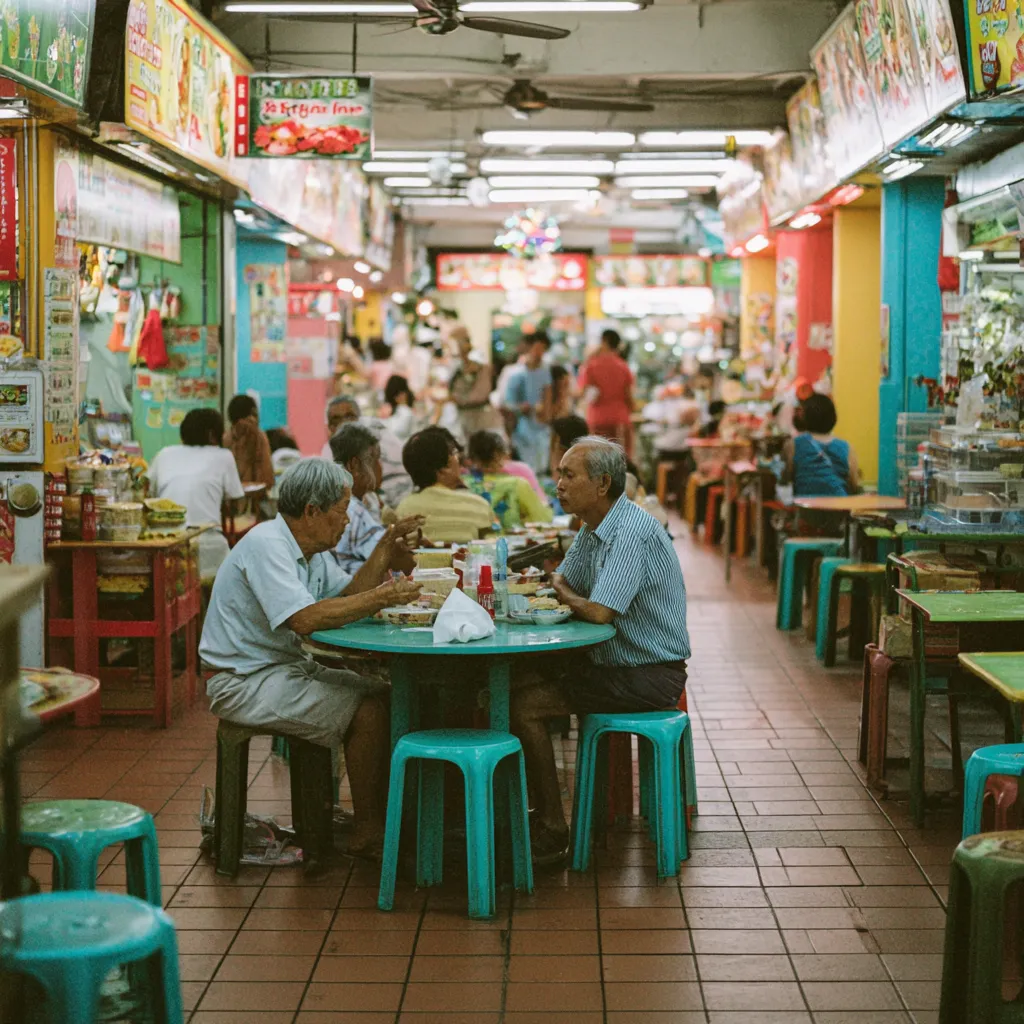
A warm, local explainer on Singapore’s beloved practice of ‘chope’—why tissue paper and kopi packets mark a table, where you’ll see it around the island, and polite tips for visitors navigating hawker centre culture.
A folded tissue isn’t rude — it’s survival at lunchtime when hundreds of office workers descend on a kopitiam.
Choping is about speed and civility: grab your food, come back, and share if it’s crowded.
Choping—placing an object on a table to reserve it—is everywhere in Singapore’s hawker centres, kopitiams and coffee shops. It’s a simple, low-cost system that evolved to deal with peak-hour crowds: office lunch rushes in the CBD, school-term queues, and evening supper crowds near MRT hubs.
Tissue paper packets and napkins became the default because they’re small, visible and disposable. A folded tissue is more discreet than a whole umbrella and less intrusive than setting out a bag or jacket, so it fits the tight, walk-up nature of hawker dining.
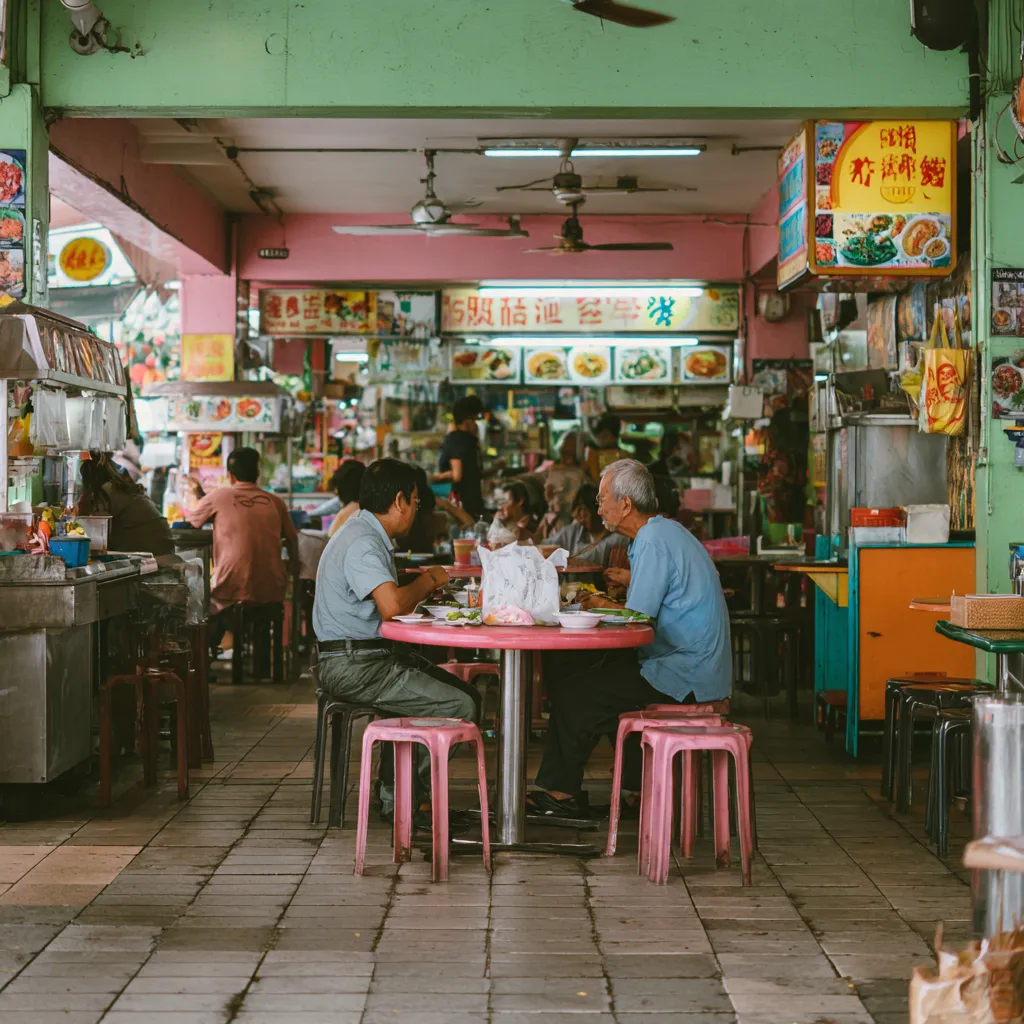
The practice has informal rules passed down by regulars: a chope is honoured for a short period (usually long enough to queue and return with food) but it’s not an indefinite claim. Locals generally accept a momentary chope; persistent reservation of multiple tables or leaving personal belongings all day is frowned upon.
Beyond tissue, people use receipts, business cards, stray umbrellas, empty cups, or even a single chopstick. Etiquette matters—if someone sits despite your chope, a polite approach usually resolves it. Keep your tone friendly: a quick “Excuse me, I was saving this table” often works better than confrontation.
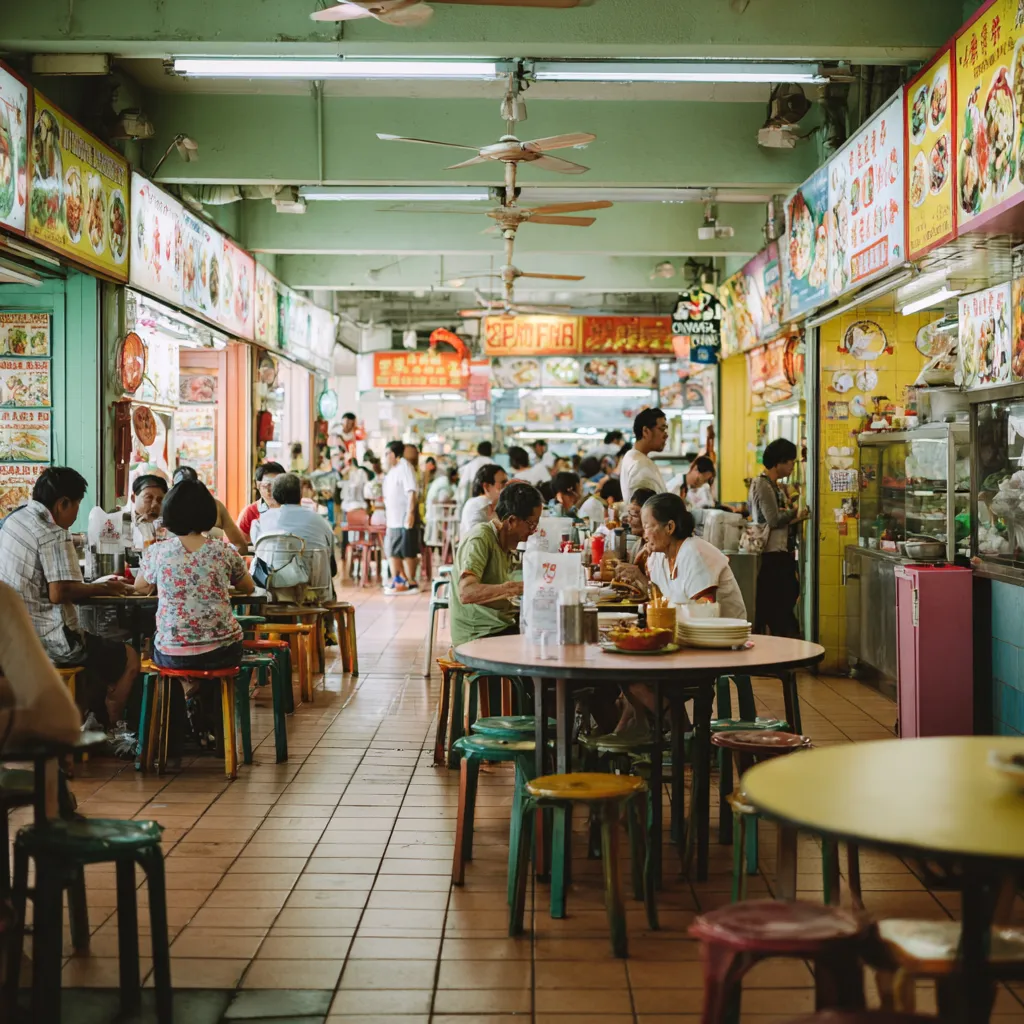
Choping is visible across Singapore but shows up most at packed hawker centres and kopitiams: Tiong Bahru Hawker, Newton Food Centre during satay and supper hours, Changi Village on weekend mornings, and busy heartland centres in Ang Mo Kio or Tampines.
It’s less common in air-conditioned food courts where dedicated seating or staff-managed systems exist, and some newer lifestyle hawkers explicitly discourage choping with signage or time limits. Still, in older estates and popular zi char stalls, expecting to see tissue packets marking seats is a safe bet.
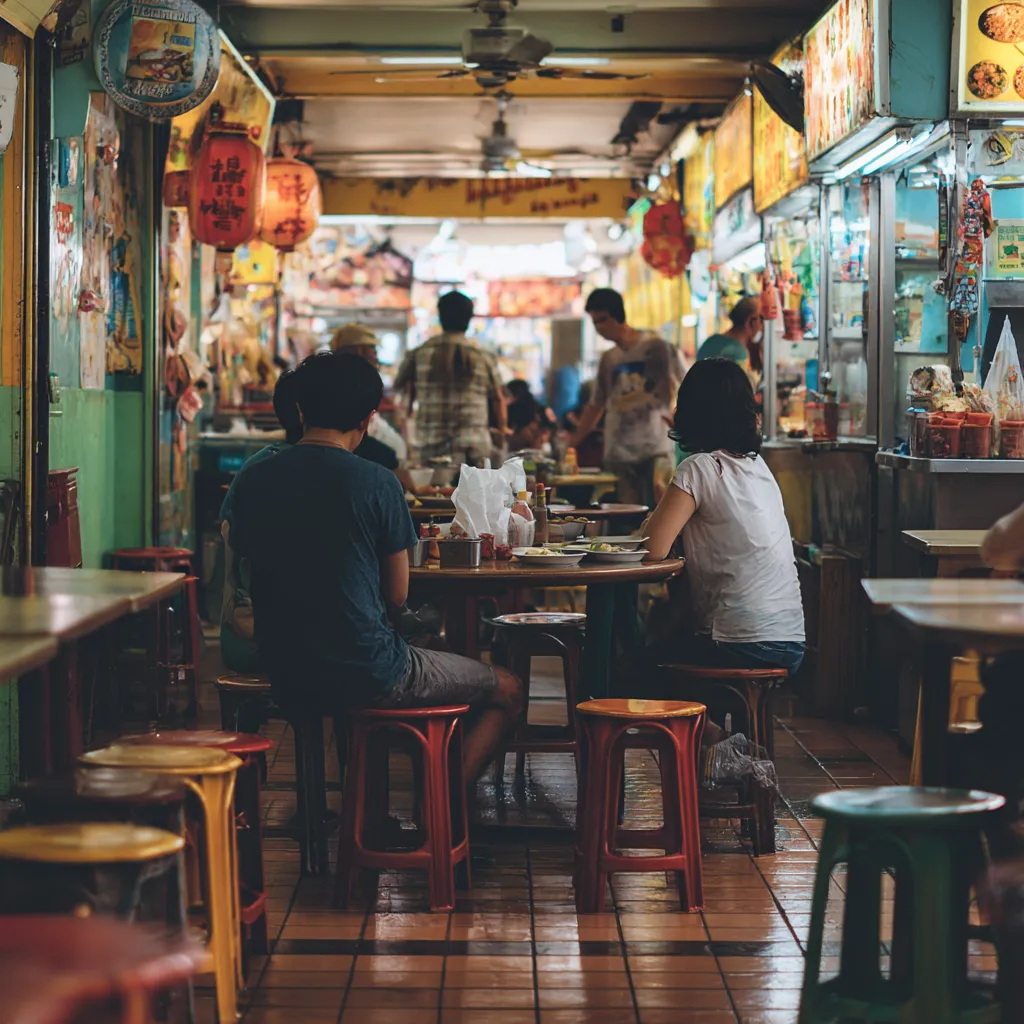
If you’re new to the practice and want to join in, use a small tissue packet or an empty cup—something visible but not valuable. Leave a polite note (for example, ‘Reserved, back in 5’) if you’ll be away longer than a quick queue run. Keep your chope simple so stall staff or cleaners can remove it without fuss if needed.
If someone has taken your chope, avoid escalation. Talk to nearby diners, show your order receipt if you have one, or ask a stall owner to help mediate. As a visitor, embrace the communal spirit: share a table if it’s crowded—Singaporeans are used to makan together with strangers at peak times.
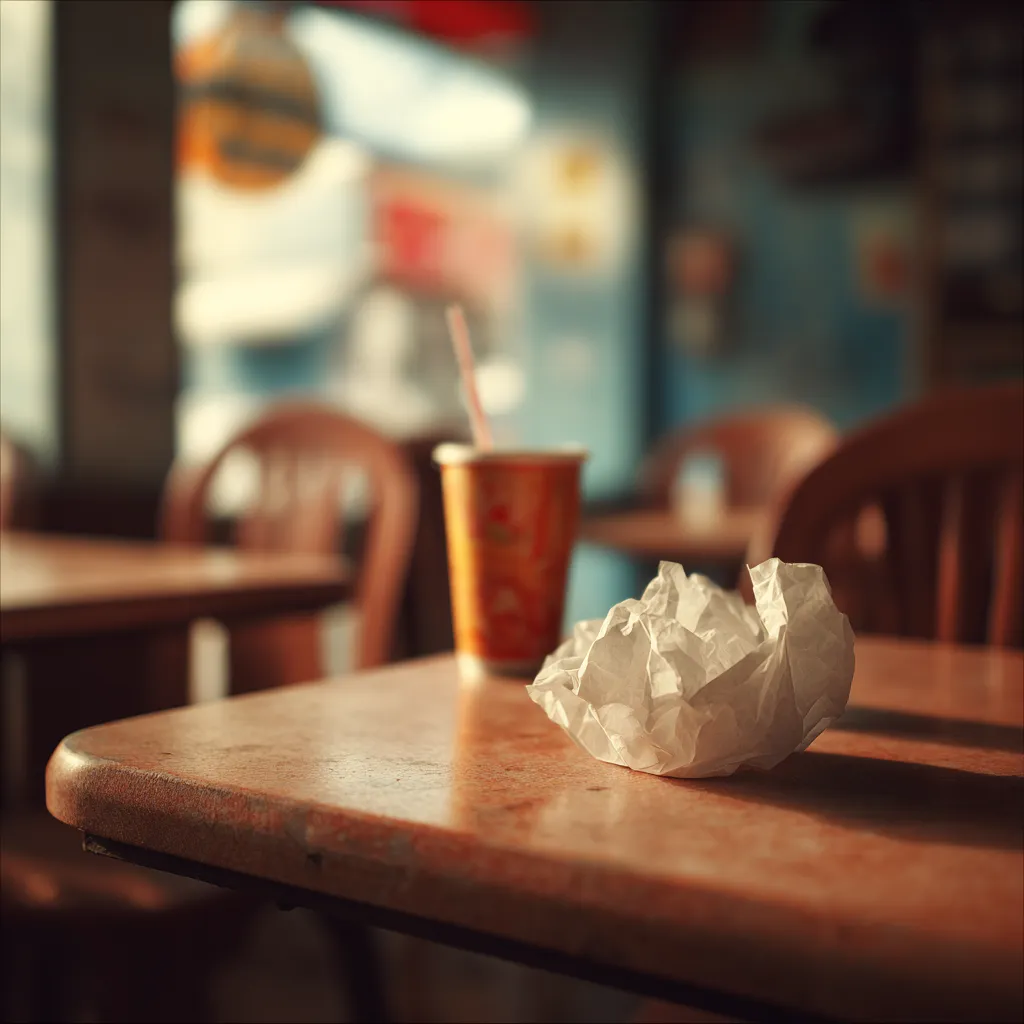
Some hawker centres and kopitiams have introduced clearer rules: timed chope (e.g., 10–15 minutes), dedicated seating during peak hours, or staff enforcement. If you spot signage asking customers not to reserve tables, follow it. Management is increasingly balancing customer convenience with fairness and hygiene.
Common mistakes include leaving valuables to chope, assuming a chope lasts indefinitely, or treating choping as entitlement. Learning the rhythm—when a quick tissue is fine and when you should queue with company—will make your visits smoother and more local.