Seafood feasts by the water
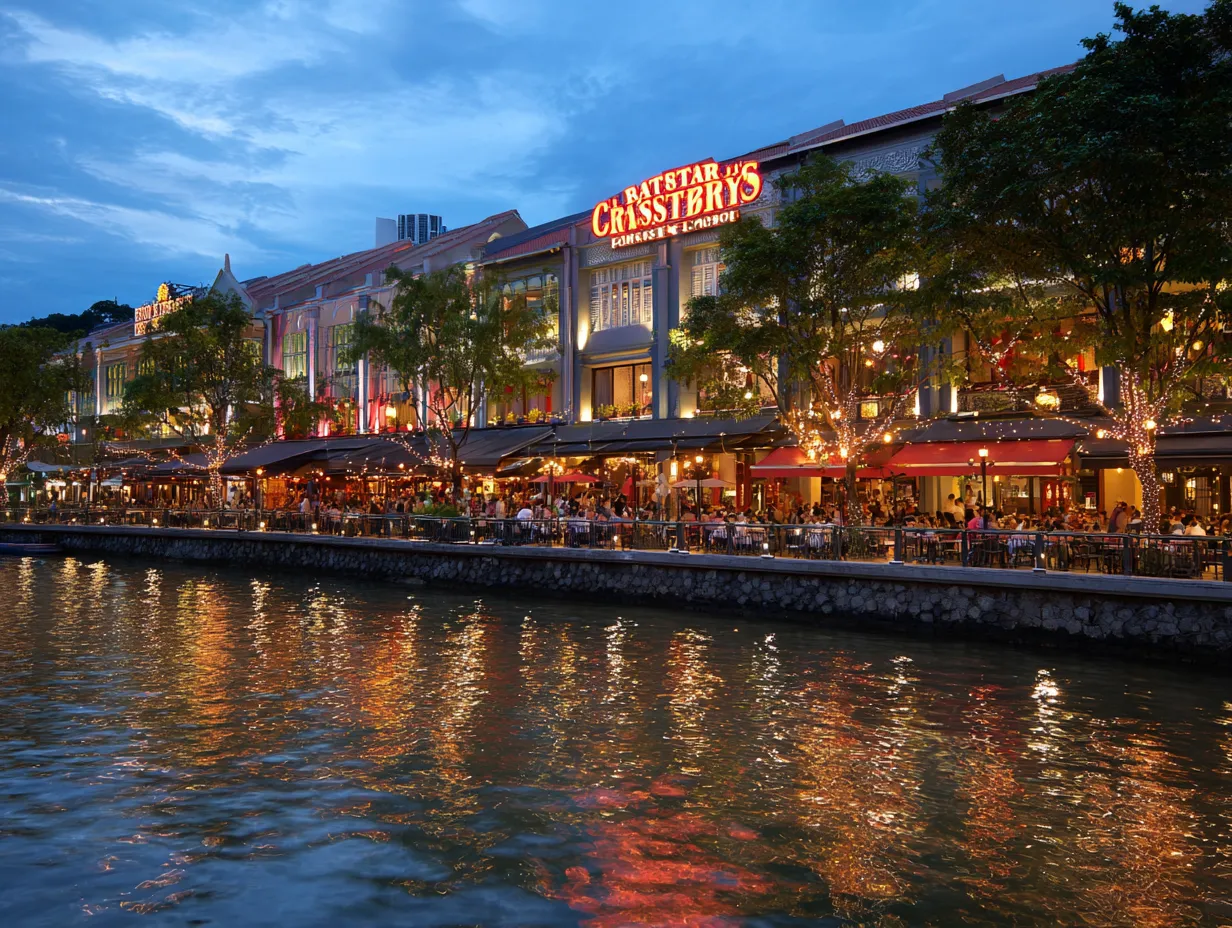
Jumbo Seafood
Family-style Singaporean seafood restaurant best known for its chilli crab and riverside dining in Clarke Quay....
Clear, practical guide to tipping and service charges in Singapore — when to leave extra, where it matters (hawker centres to seafood restaurants) and how locals handle it.
If the bill shows a 10% service charge, treat that as the venue’s way of rewarding staff — extra tipping is up to you.
At hawker centres and kopitiams, pay, pick up your food, and enjoy — no tipping required.
In Singapore, tipping as travellers know it in the US is generally not required. Most restaurants either include a 10% service charge on the bill or rely on the business to pay staff directly. That said, there are exceptions and local habits worth knowing before you makan.
Think of the service charge as part of the bill rather than a substitute for rewarding excellent service — it’s common at full-service restaurants, hotel restaurants, and many zi char and seafood places along East Coast and in the CBD.

Upscale restaurants, many casual dining restaurants in Orchard and the CBD, hotel restaurants, and seafood restaurants (East Coast / Clarke Quay areas) often add a 10% service charge. The bill will show it as a separate line item. By contrast, hawker centres (Tiong Bahru, Newton, Tekka) and kopitiams do not add a service charge — stall prices are the final price unless you choose to tip.
Delivery riders and food couriers rarely expect tips, though rounding up or adding a small cash tip is common for great service or heavy orders. Taxis also do not expect tips; rounding up to the nearest dollar is typical for locals.
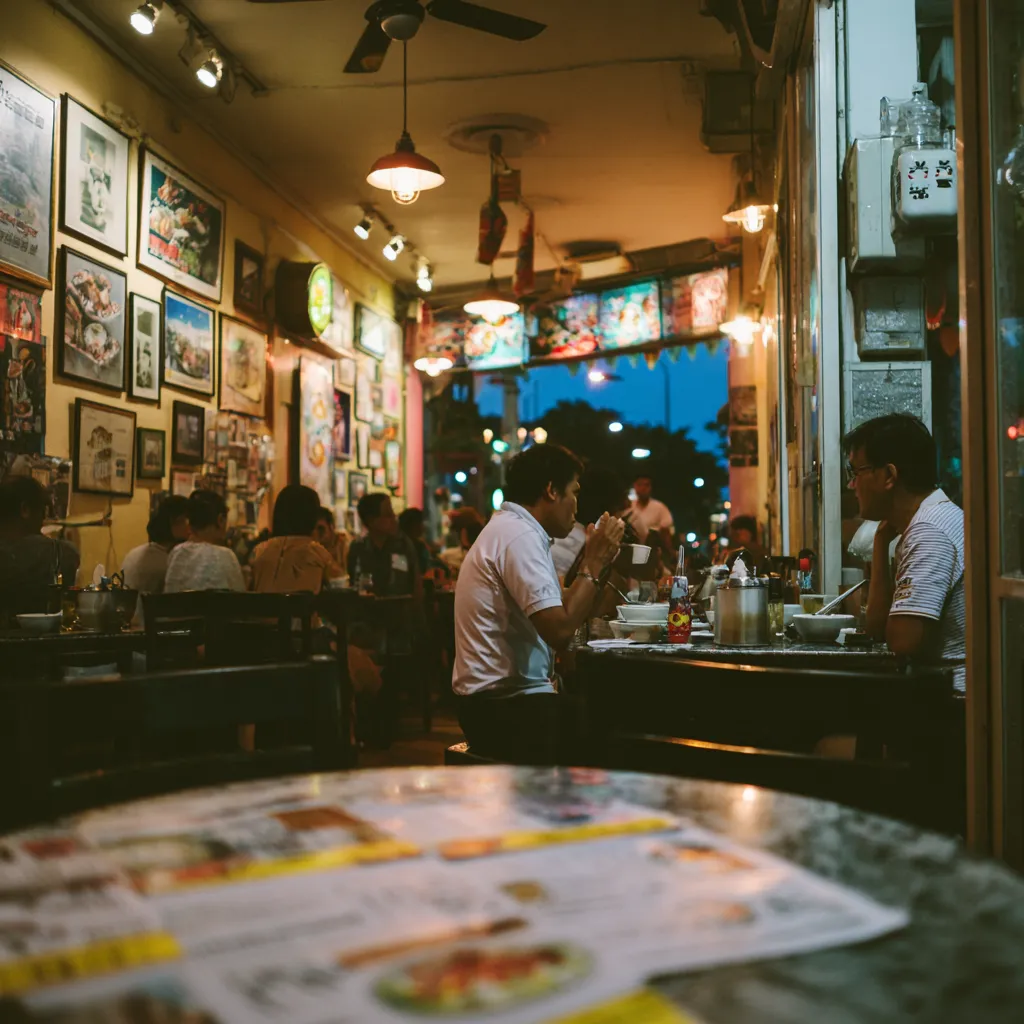
Service charge: a fixed percentage (commonly 10%) added by the venue and shared by staff. It’s not the same as a tip you hand to an individual server — staff distribution varies by outlet.
GST (Goods and Services Tax): a national consumption tax (7% historically, raised in recent years), applied to most goods and services and already part of the final bill calculation.
Discretionary tip: extra cash given directly to a waiter, delivery person or driver for exceptional service — always optional in Singapore.
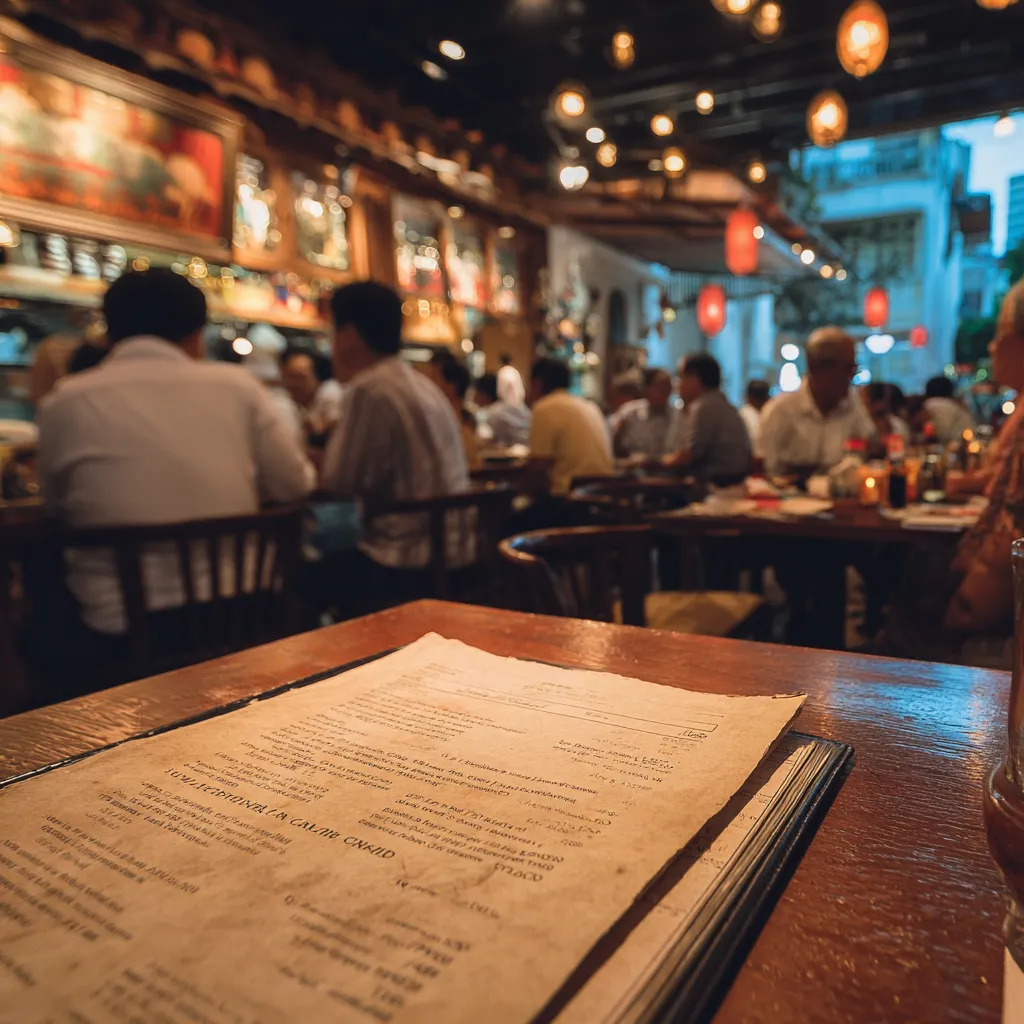
Cash is still the most direct way to tip an individual. If you want the chef or a particular server to receive it, hand it discreetly with a note or tell the floor manager.
Card terminals sometimes offer a tip option for split payments; many Singapore venues do not automatically offer a card-tip toggle, so check before you leave. For taxis and delivery riders, rounding up to the nearest dollar or adding a small cash sum is the norm.
Visitors often assume tipping is mandatory — it isn’t. Another common mistake is double-tipping when a service charge is already added. Use this quick checklist to avoid awkwardness and to show respect for local practice.
Singapore dining culture balances efficient service and modesty. A warm thank-you (or the local 'terima kasih' / 'xie xie') goes a long way.