Experience Ramadan bazaars
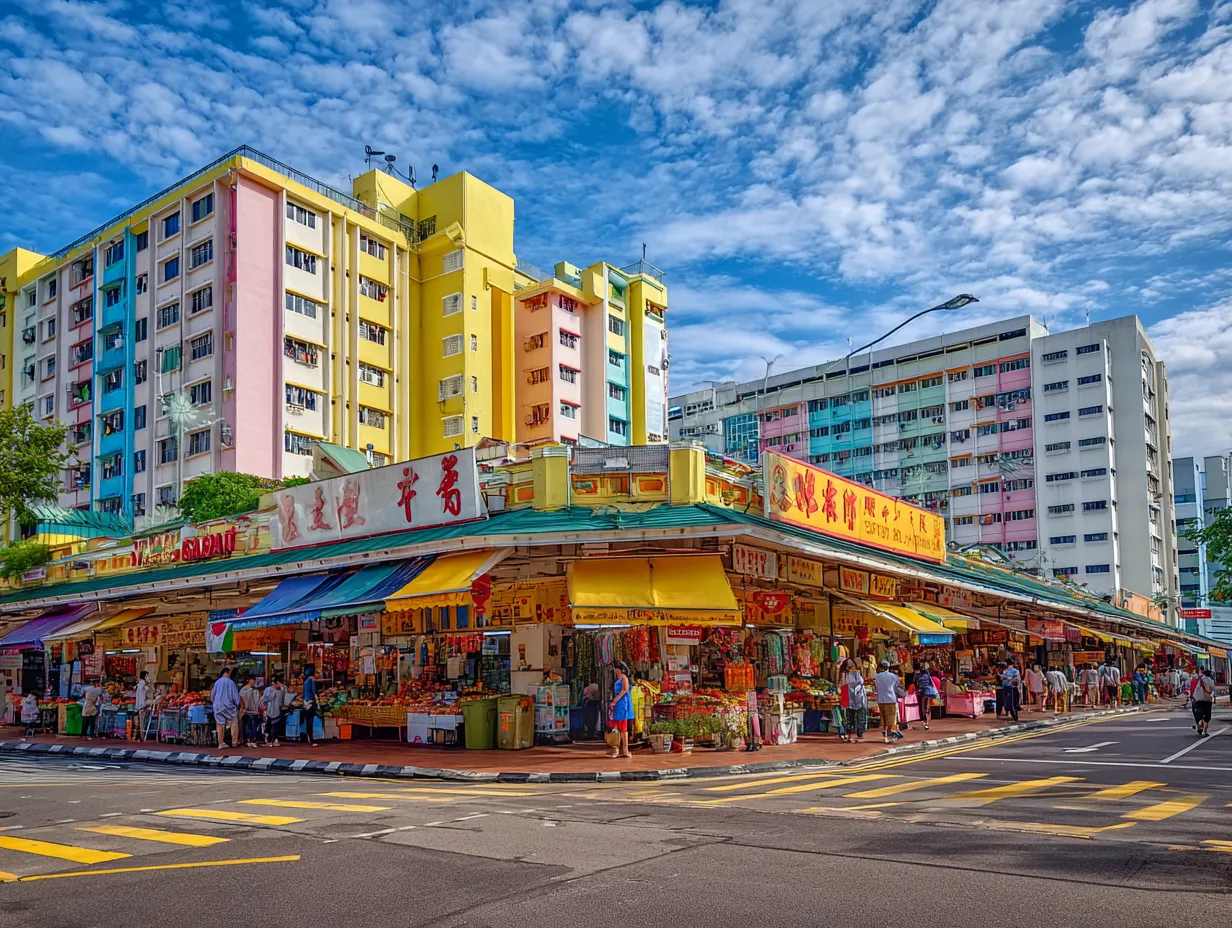
Geylang Serai Market
A bustling heartland hawker centre and wet market in Geylang Serai known for Malay favourites, nasi padang and a lively ...
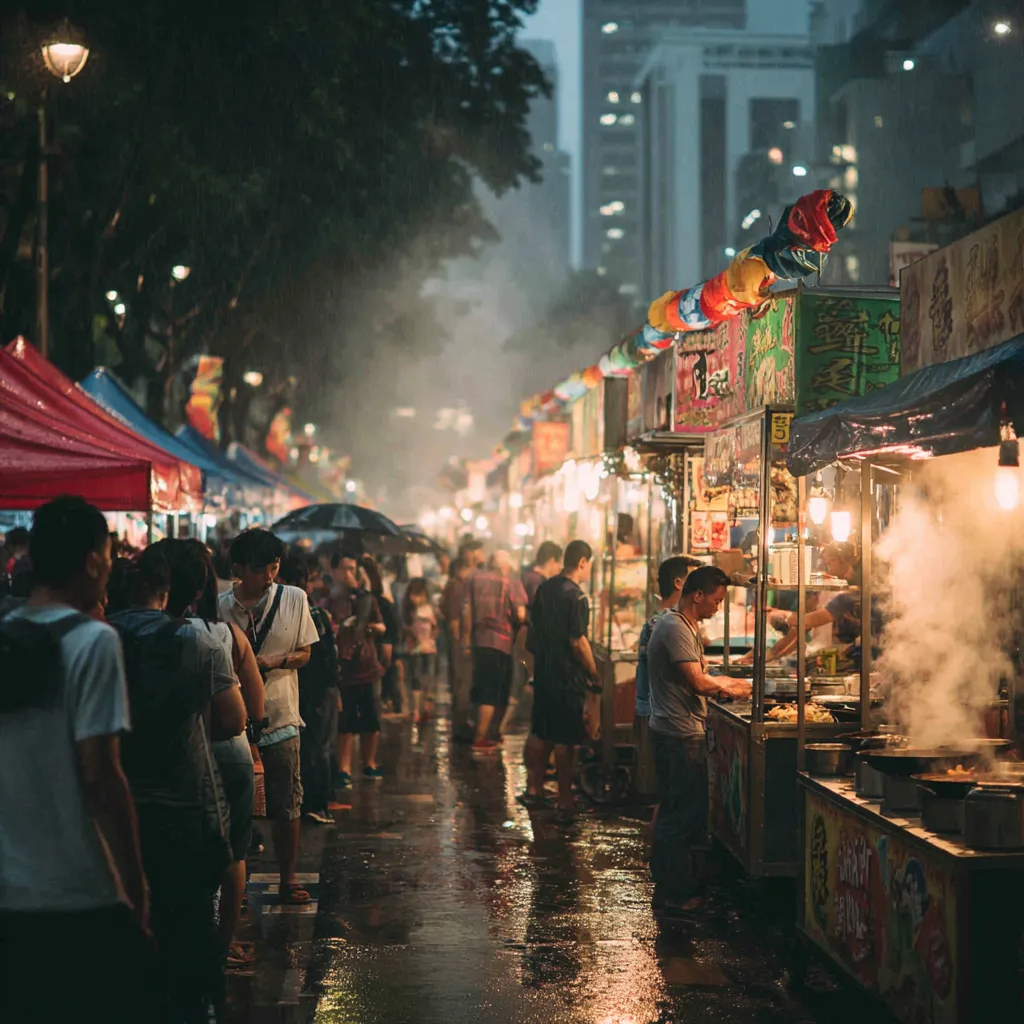
A practical, neighbourhood-focused guide to Singapore’s major food festivals — when they happen, what to eat and how to plan a memorable makan trail across hawker centres, bazaars and fine-dining events.
Food festivals are the fastest way to travel Singapore’s flavours — from kopitiams to Michelin pop-ups in one evening.
Come hungry, expect queues, and leave with new favourites for your next makan trail.
Singapore’s festivals do more than celebrate food — they showcase the city-state’s multi-ethnic heritage, seasonal specialties and the way locals makan together across hawker centres, kopitiams and fine-dining rooms. From Cantonese banquet traditions to Malay kuih and Indian sweets, festivals concentrate flavours that tell neighbourhood stories.
Whether you’re a foodie chasing limited-edition dishes at the Singapore Food Festival or a family visiting the Geylang Serai Ramadan Bazaar, festivals are a shortcut to trying a lot in one go: street snacks, speciality desserts and chef pop-ups packed into a few hours or a weekend.
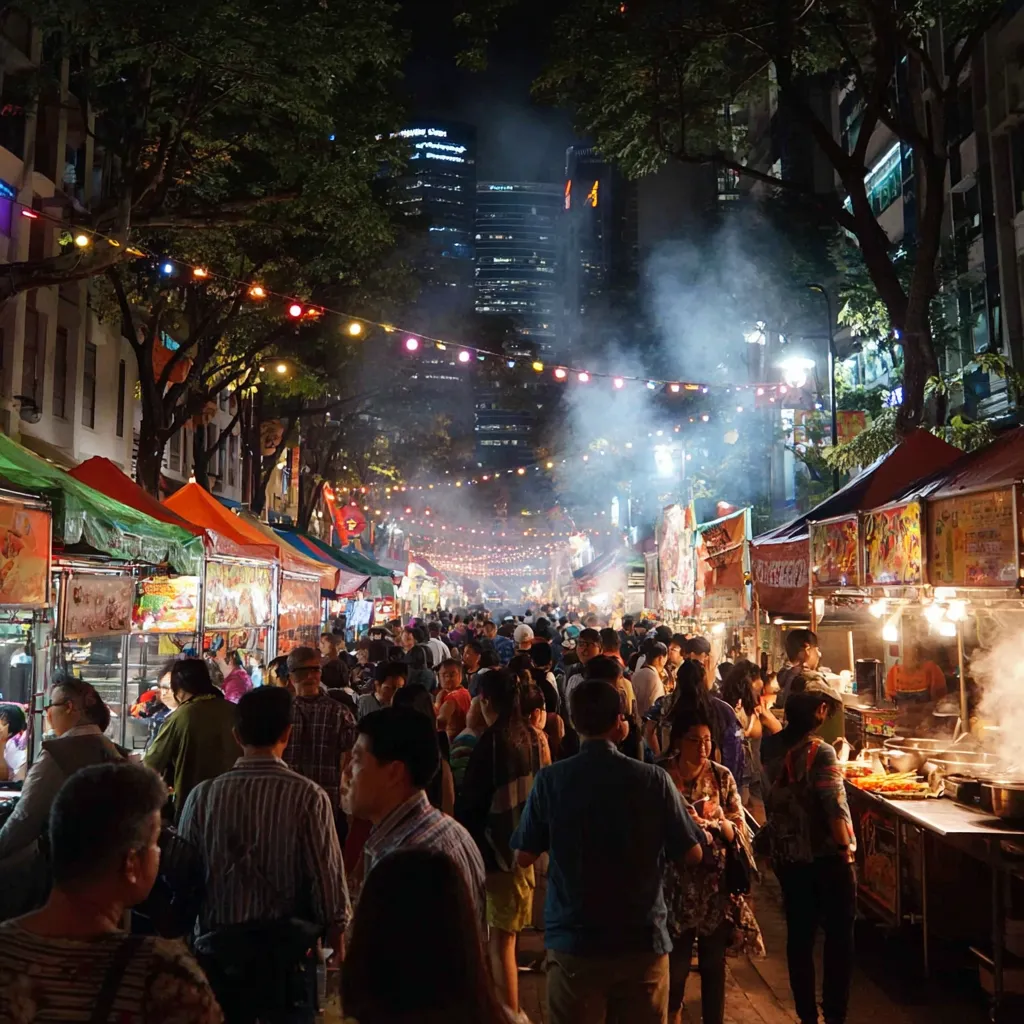
A few marquee events define the calendar. The Singapore Food Festival (usually in July) is the broadest celebration: hawker showcases, chef collaborations and themed pop-ups across the city. The World Gourmet Summit and Restaurant Week tend to attract the fine-dining crowd earlier in the year with prix-fixe menus and guest chefs.
Religious and cultural bazaars are just as important for food lovers. Ramadan bazaars — prominently at Geylang Serai — run during the holy month and are unbeatable for Malay and Indian-Muslim street food. During Chinese New Year and Mid-Autumn you’ll find seasonal markets and specialty stalls across Chinatown, Orchard and heartland malls.

Every festival has its stars. At Ramadan bazaars expect fragrant mutton and chicken murtabak, biryani, deep-fried snacks and sweet kuih; the Singapore Food Festival spotlights reinvented hawker dishes and limited-run desserts. For lunar-season events, look out for bak kwa, pineapple tarts and special reunion dishes.
Don’t miss seafood-focused pop-ups and zi char collaborations during big events — crab, sambal stingray and chilli crab often feature in celebration menus, especially at coastal neighbourhoods like East Coast and seafood restaurants staging festival feasts.

Plan by neighbourhood. Many events are spread across halls, street precincts and hawker centres — combine a festival stop with nearby makan spots in Tiong Bahru, Katong or Bugis to make a day of it. Use MRT stops and avoid driving where possible: festival evenings mean limited parking and heavy traffic.
Expect queues, especially for signature stalls or chef tables. Peak times are early evening for bazaars and weekend afternoons for family events. Bring small notes and a packed reusable cutlery/napkin kit if you prefer. Singapore’s weather is unpredictable — carry a compact umbrella for sudden showers.

Mix hawker-centre stops with festival highlights rather than expecting to eat everything at the event. A smart approach is to pick 2–3 festival stalls and then head to a nearby kopitiam or zi char for more variety — you’ll sample more and avoid festival fatigue.
Avoid the 'grab everything' mistake: pace yourself, share plates, and use festival programmes or apps to prioritise limited-run stalls. If you want a local experience, look for long queues with locals — that's usually a sign the food is worth it.
Experience Ramadan bazaars
A bustling heartland hawker centre and wet market in Geylang Serai known for Malay favourites, nasi padang and a lively ...

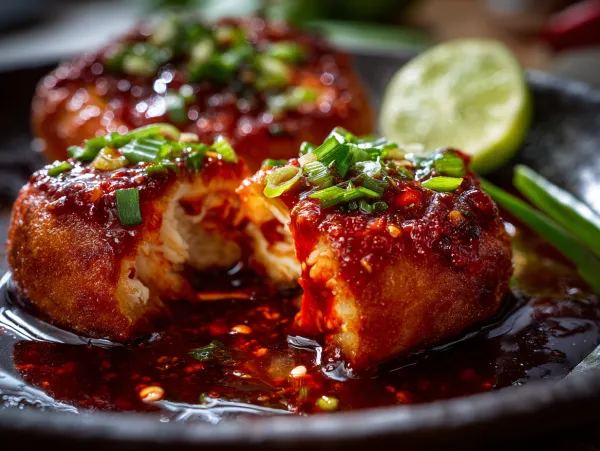
Try murtabak from the bazaar
Singapore-style murtabak: a pan-fried stuffed flatbread filled with spiced mutton or chicken, onions and egg for a crisp...