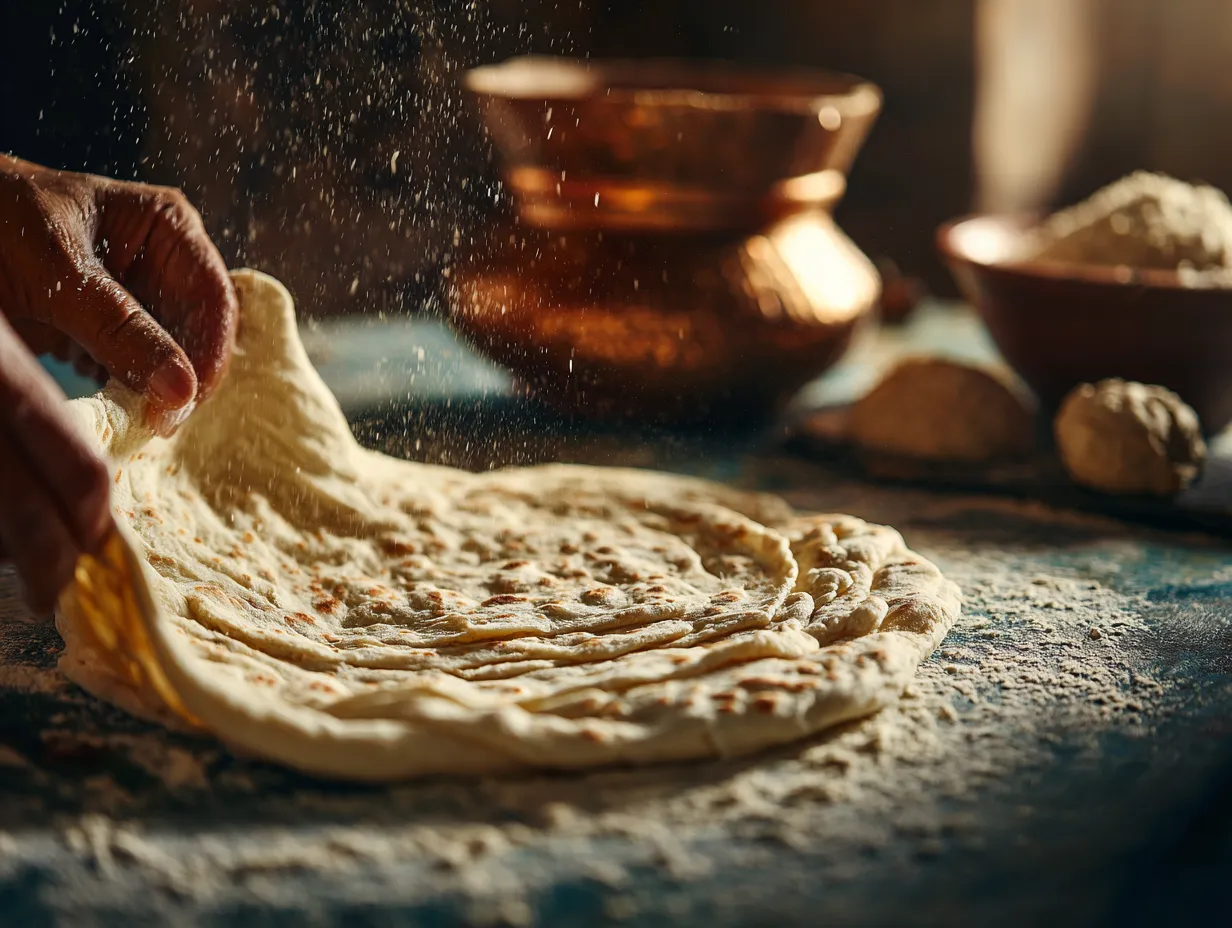
Hands-on prata dough guide
Roti Prata (Homemade Dough)
Flaky Singapore-style roti prata made from homemade dough — soft, layered flatbreads pan-fried in ghee for breakfast, su...
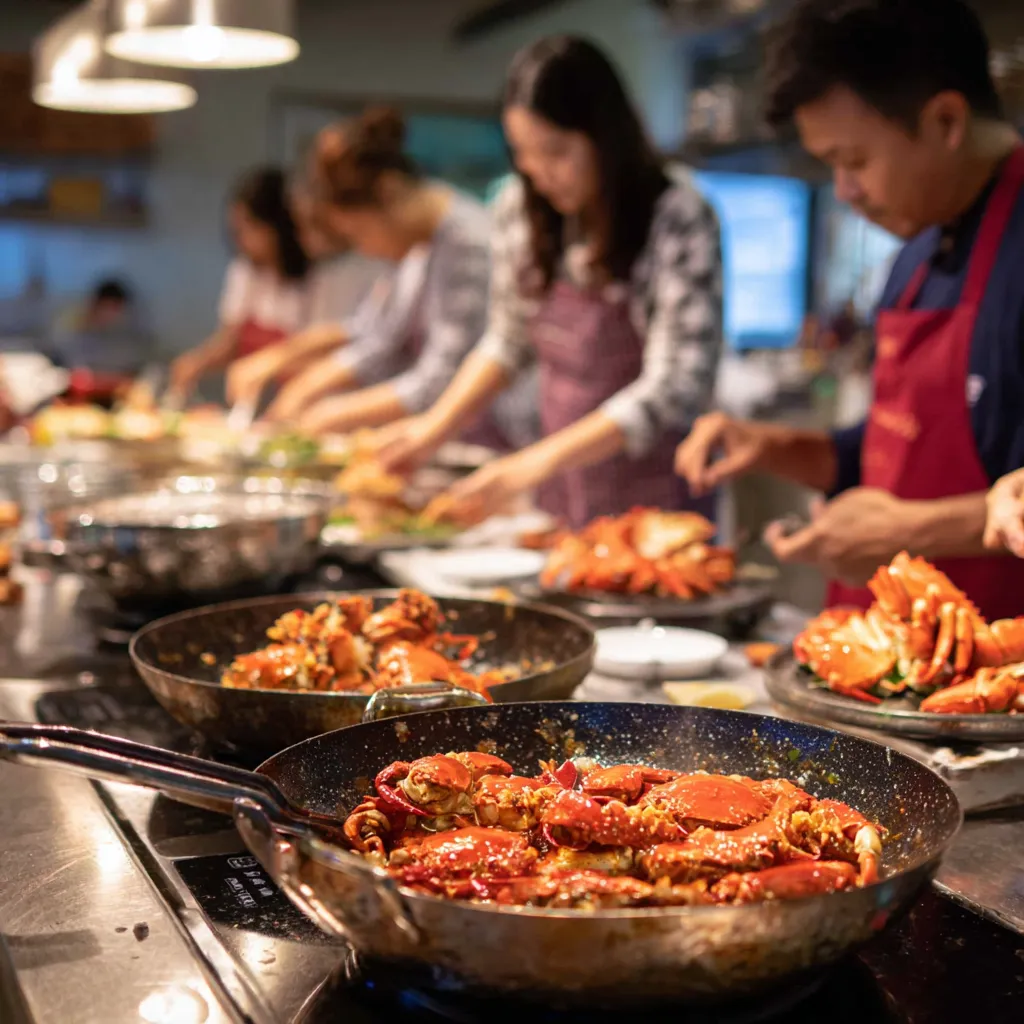
A practical Singapore guide to the best hands-on cooking classes for learning local dishes — from chilli crab and laksa to kueh and prata, plus where to go and what to expect.
A cooking class turns a meal into a story — you learn the how, the why, and where flavours come from.
Try a market visit with your class teacher — that’s where the real lessons begin.
Singapore’s food culture is a living mix of Malay, Chinese, Indian and Peranakan influences — and a cooking class is the fastest way to understand how those flavours come together. Whether you’re a visitor wanting a memorable makan experience or a local looking to cook classics at home, a hands-on lesson gives context you won’t get from a restaurant meal alone.
Classes range from short 2–3 hour sessions teaching one signature dish to half-day workshops covering a full local spread. Many schools also pair lessons with visits to wet markets or hawker centres so you learn ingredient selection and local buying habits — useful if you plan to recreate recipes in your own kitchen.
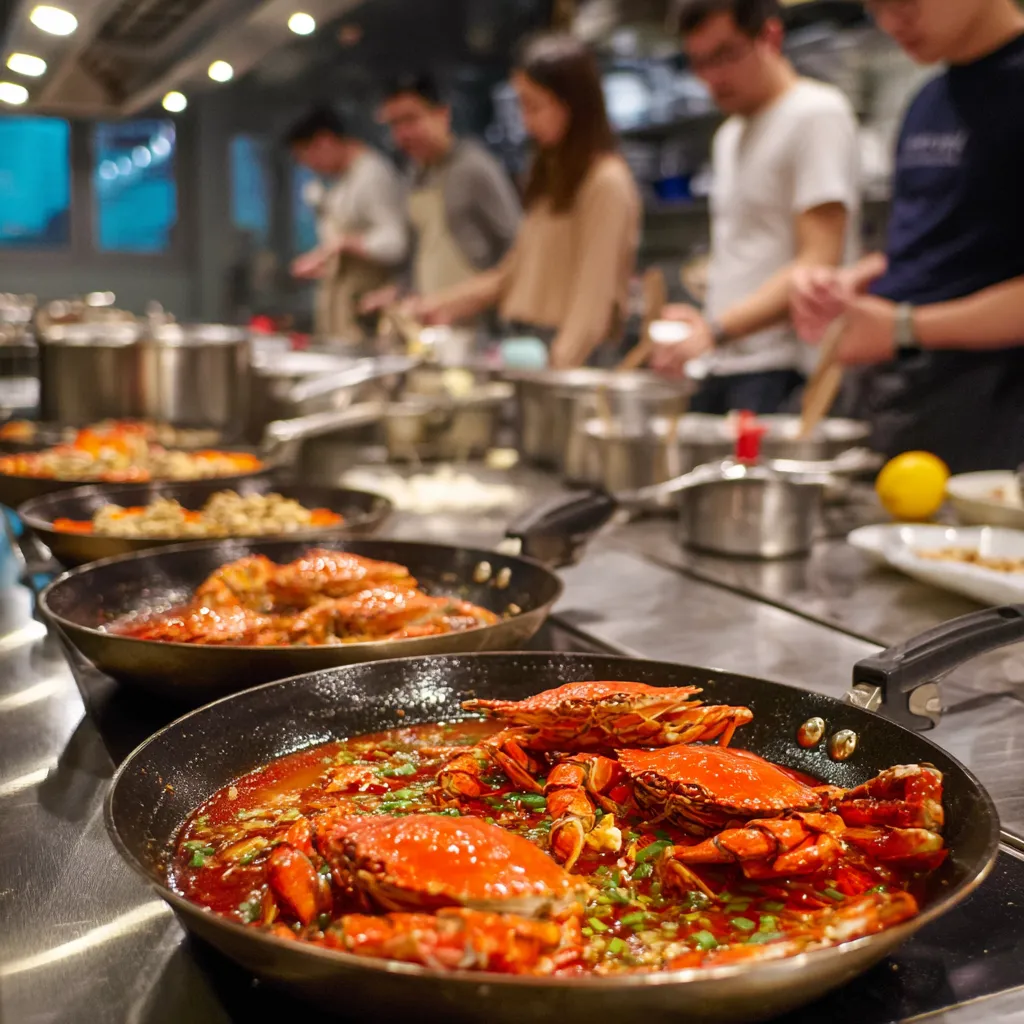
Different neighbourhoods offer distinct flavours: Katong and Joo Chiat classes tend to emphasise Peranakan laksa and kueh, Chinatown schools focus on noodle dishes and zi char techniques, while Little India workshops teach curries, roti prata and spice blends.
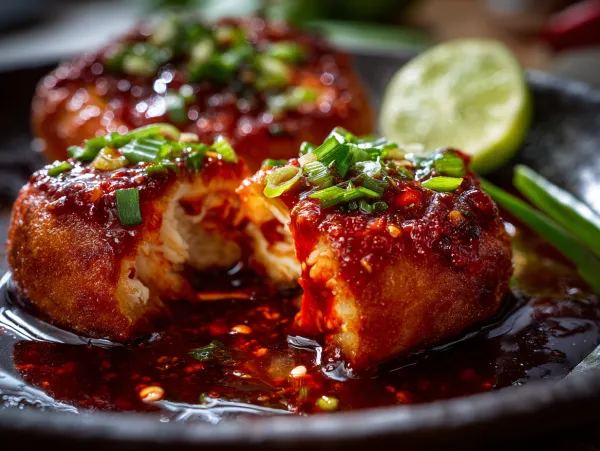
Look for boutique studios in Tiong Bahru and the CBD for weekend baking or date-night classes, and community-centre or hawker-linked pop-ups near East Coast and Geylang for seafood-focused lessons that may include chilli crab or black pepper crab sessions.
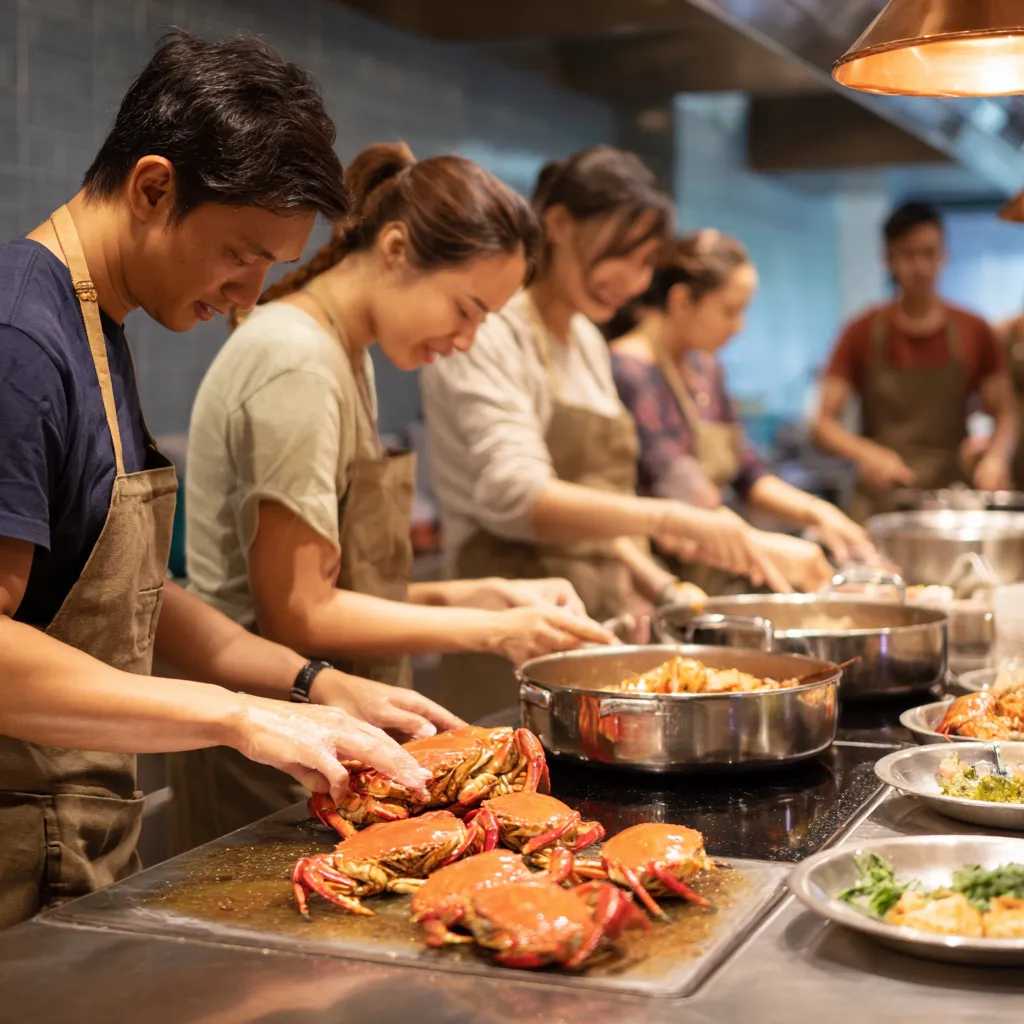
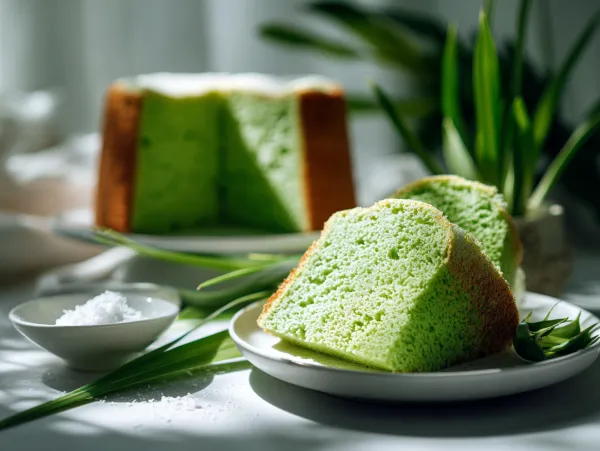
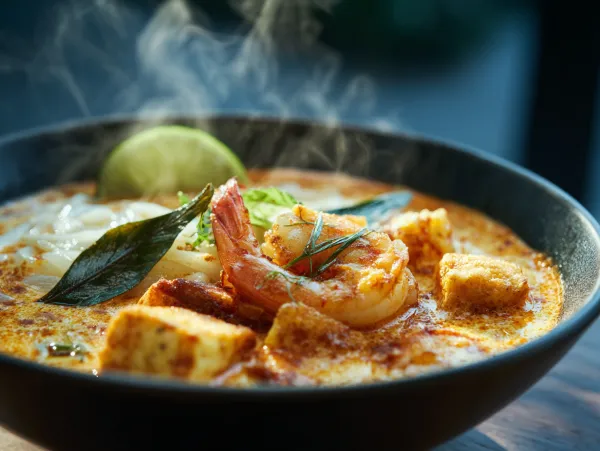
Popular class topics taught regularly include: laksa (balancing spice paste with coconut milk), chilli crab (sauce technique and mantou pairing), roti prata (dough handling and flipping), pineapple tarts and pandan chiffon cake for baking fans, and kueh-making for Peranakan sweets.
Beyond recipes, expect to learn pantry building (belacan, sambal, dried prawns), basic Malay/Indian/Chinese spice mixes, wok skills for authentic wok-hei, and plating/serving tips so your homemade dishes look as appetising as hawker fare.
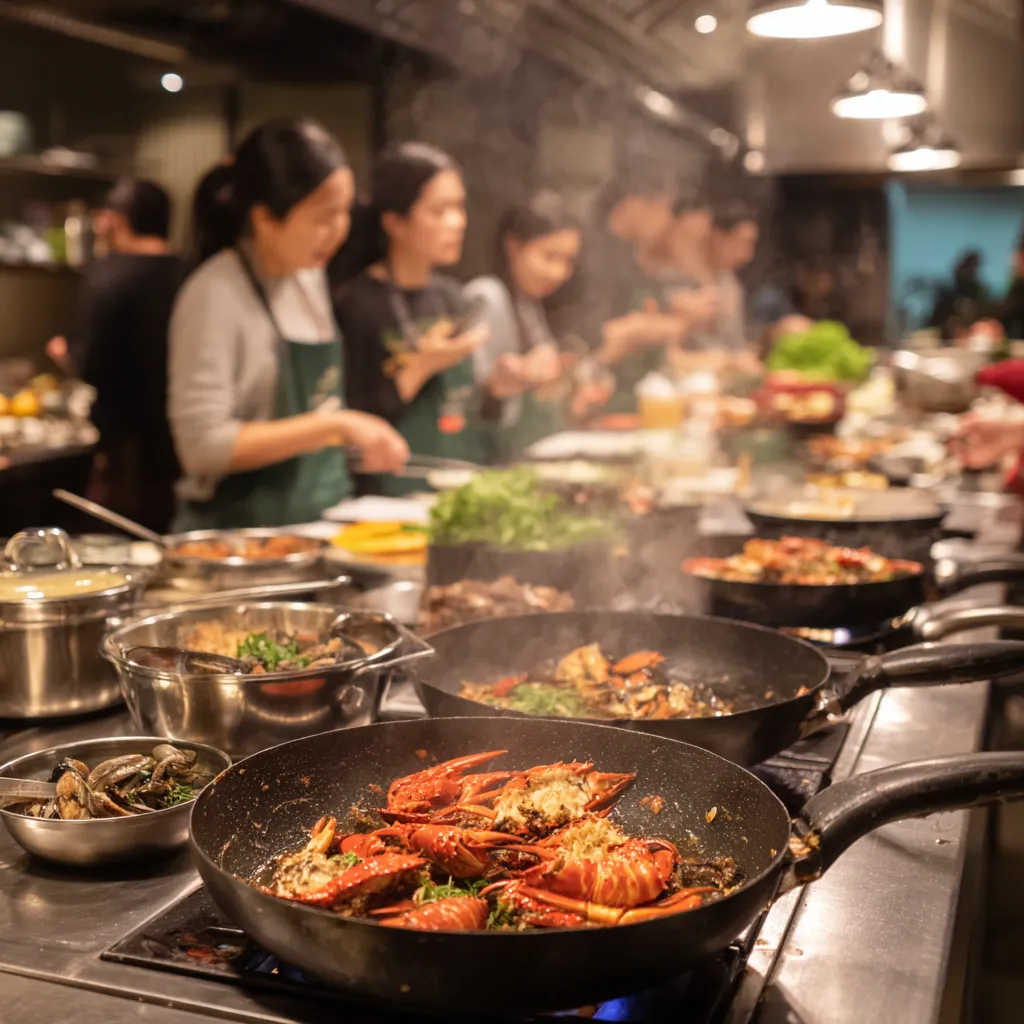
Classes in Singapore vary widely in price: expect SGD 45–120 for group sessions (2–4 hours) and SGD 150+ for private or full-day workshops. Weekend slots fill fast with locals and tourists alike — book at least 1–2 weeks ahead for popular topics such as chilli crab or Peranakan feasts.
Bring closed-toe shoes, a small notebook for recipes and adjustments, and a container if you’d like to bring leftovers home. Many studios provide aprons and basic equipment; confirm whether the fee includes ingredients, market visits or tasting portions before you book.
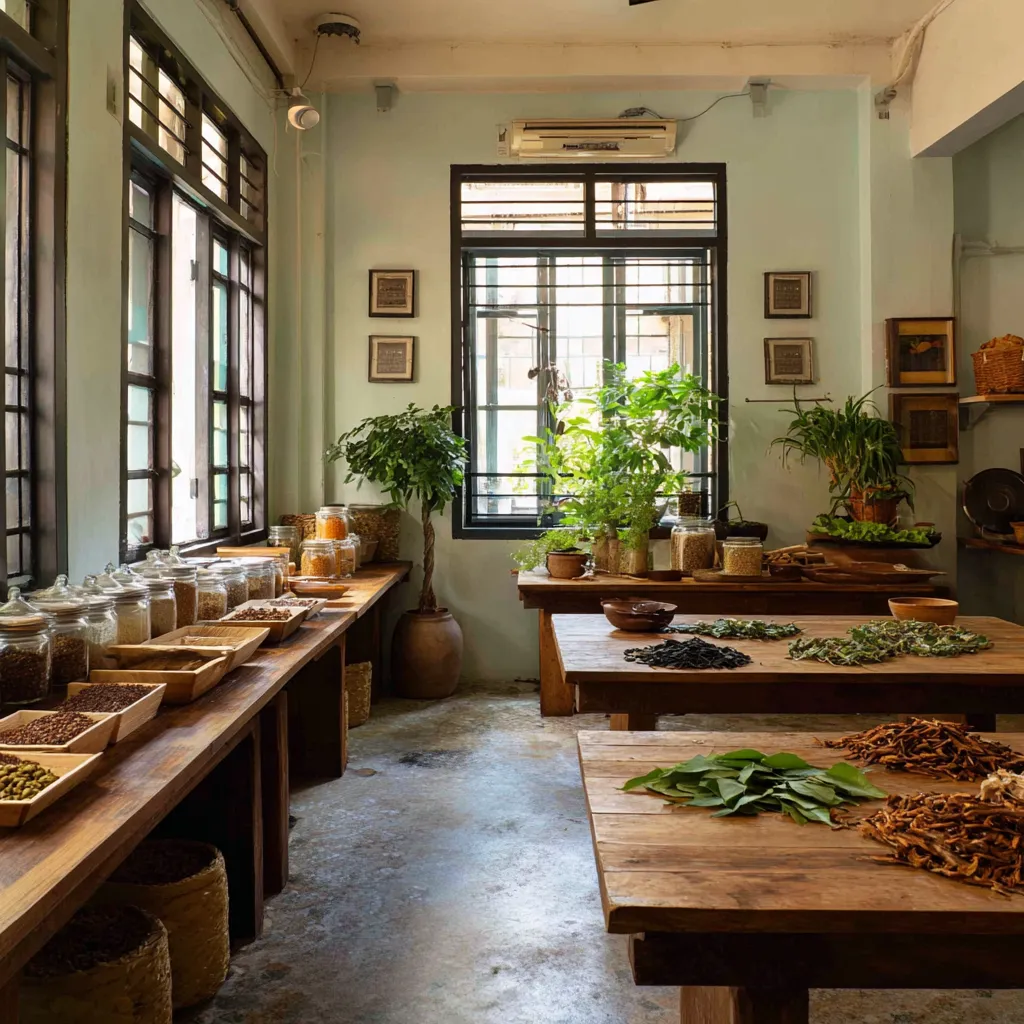
A great way to spend a day is a morning market visit, a mid-day hands-on class and an evening hawker crawl. Example: shop for fresh produce at Tekka Centre, learn to make roti prata or a curry in Little India, then head to a nearby hawker centre to compare techniques and taste differences.
If you’re short on time, pair a 2–3 hour laksa or chilli crab class with a visit to nearby neighbourhood favourites — Katong’s laksa stalls or East Coast seafood restaurants — so you see both the kitchen and the finished hawker-version side-by-side.