Classic hawker centre spot
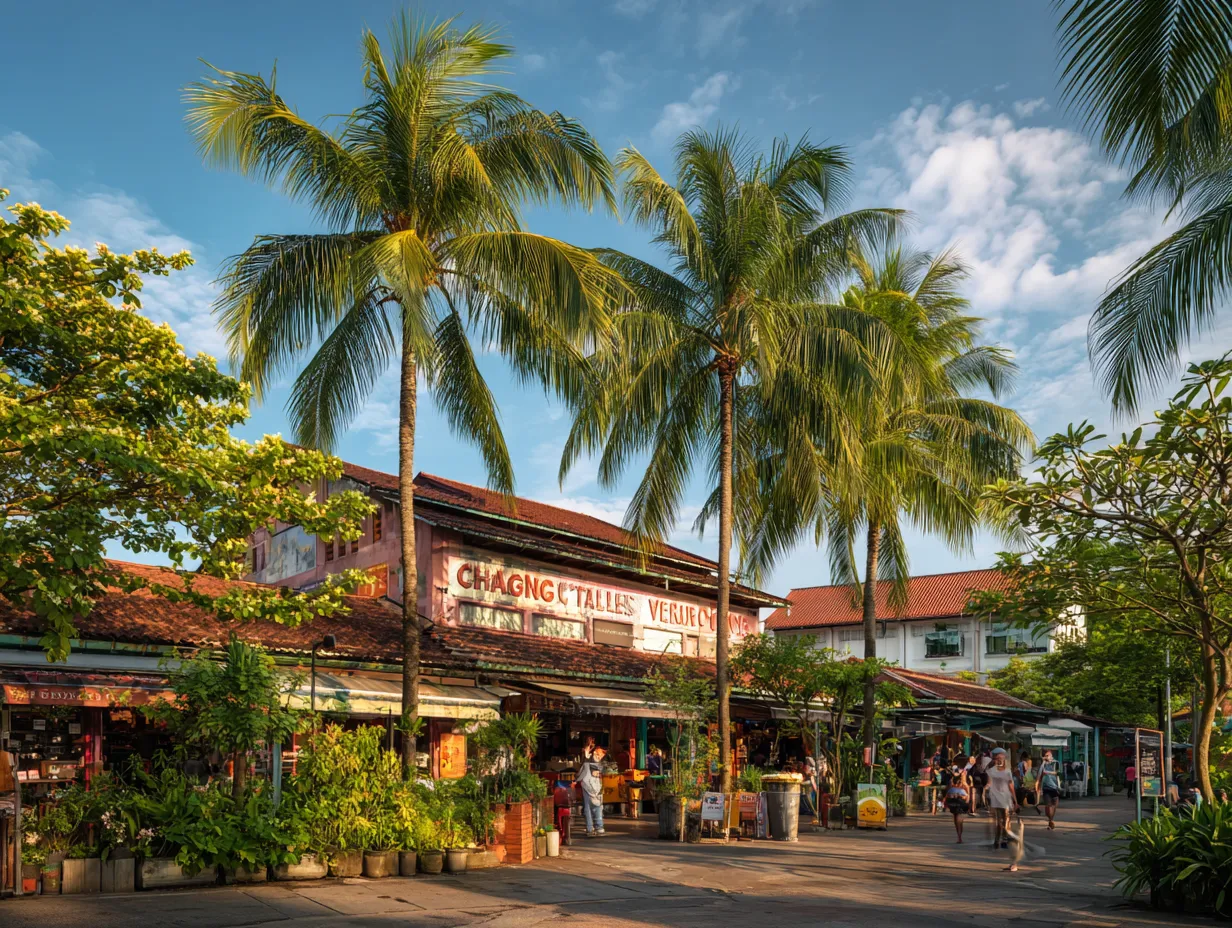
Changi Village Hawker Centre
Neighbourhood hawker centre in Changi Village known for classic Singaporean hawker stalls, seafood bites and kopi kaya t...
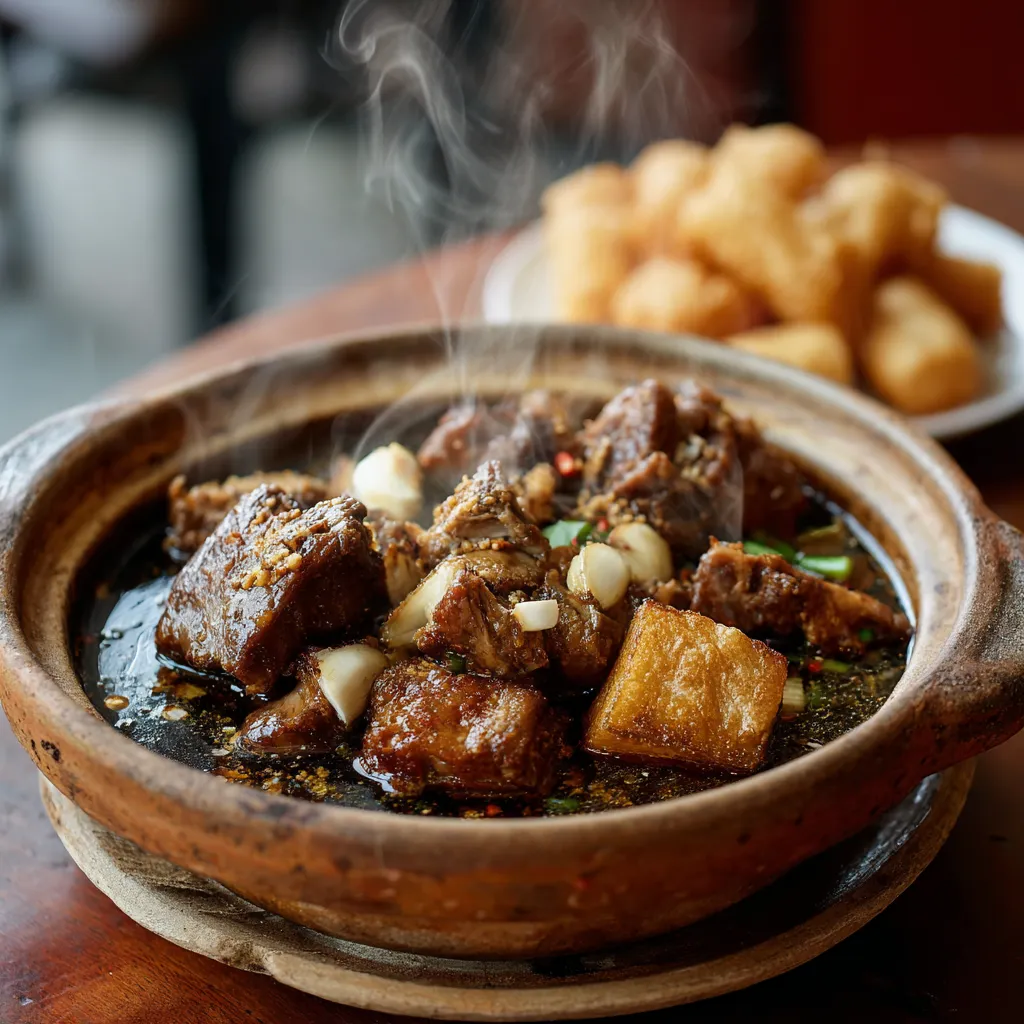
A Singapore-focused guide to the two main bak kut teh styles — peppery Teochew and herbal Klang — with where to makan, how to order and insider tips for hawker and kopitiam visits.
If the broth hits your nose before the bowl reaches the table, you know you're in the right place.
Ask for extra bones if you want a meatier, richer pot — it's the simplest way to upgrade your bowl.
Bak kut teh is a comfort dish that has woven itself into Singapore’s food fabric — from kopi shops and kopitiams to heartland hawker centres and late-night supper haunts. Whether you’re in Tiong Bahru sipping kopi after a queue for kaya toast, or in the East Coast planning a seafood-heavy meal, a pot of bak kut teh can anchor a neighbourhood makan.
Beyond flavour, bak kut teh is social: families share a bubbling claypot at lunch, shift workers grab a one-person bowl at 2am, and the CBD lunch crowd quietly tucks into piping hot soup on rainy afternoons. Understanding the two main styles — peppery Teochew and herbal Klang — helps you order the right pot depending on mood, weather and company.
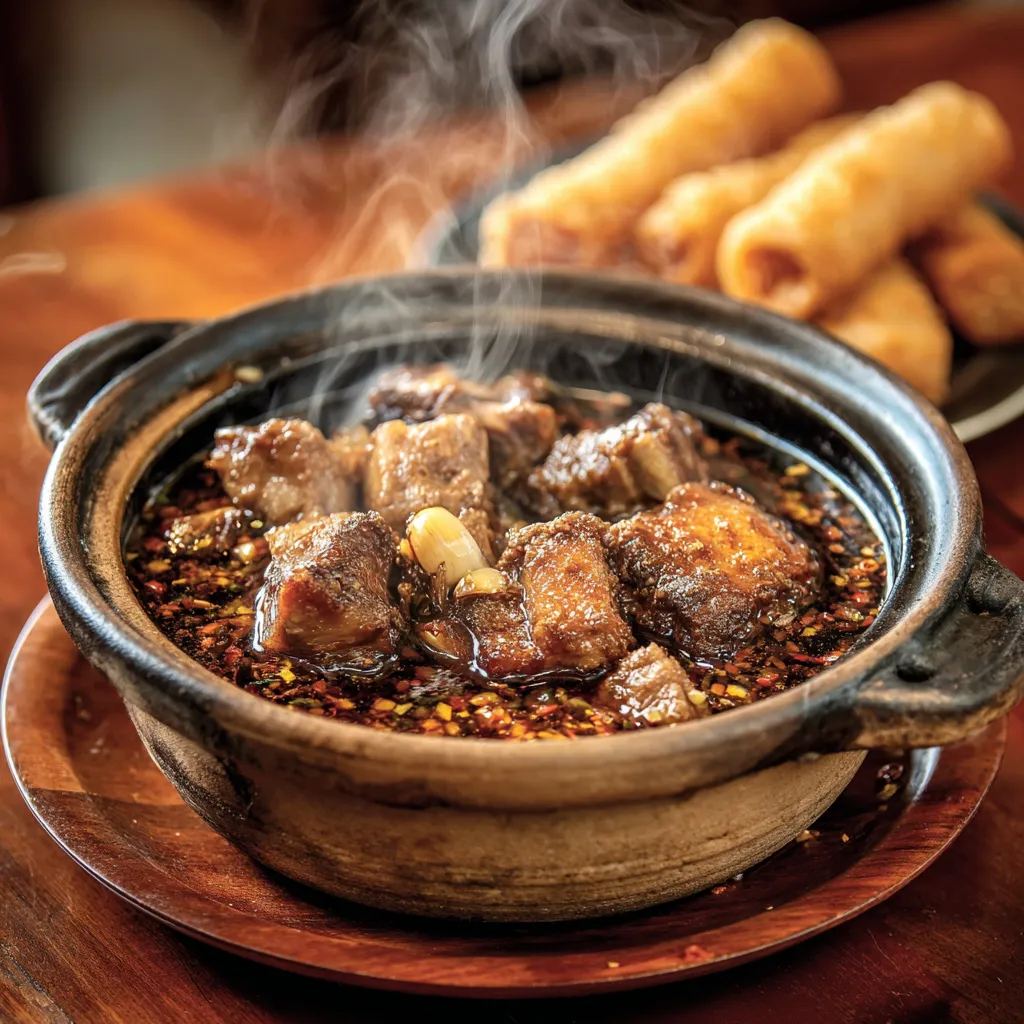
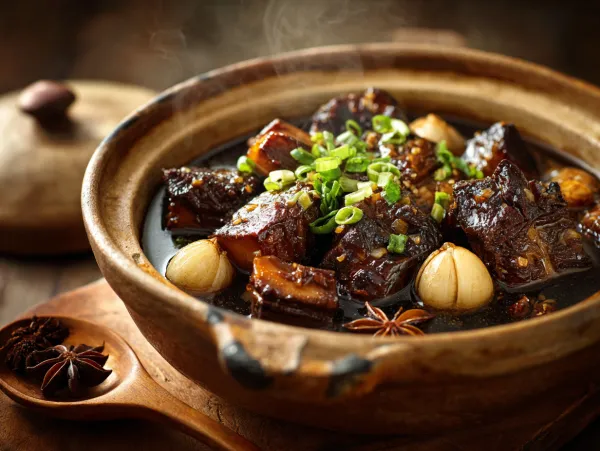
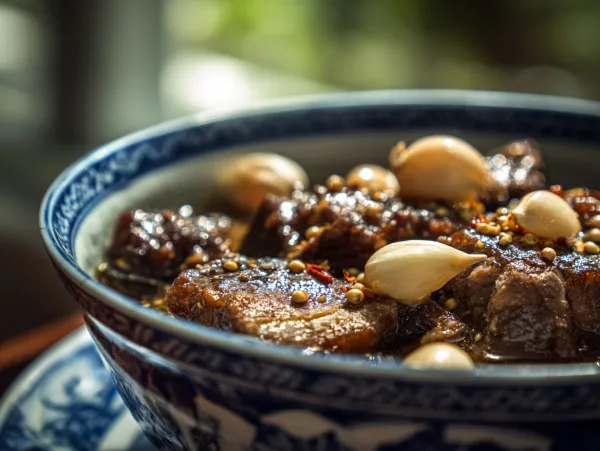
At a glance: peppery Teochew bak kut teh is clear, sharp and driven by white or cracked black pepper; herbal Klang-style is darker, richer and scented with a blend of Chinese medicinal herbs like dang gui, star anise and goji berries. The former punches through with heat and umami; the latter comforts with mellow, slightly sweet bitterness from the herbs.
Ingredient and technique cues: peppery pots often simmer with fewer aromatics and more pepper plus light soy for clarity, while herbal versions braise longer with a concentrated herbal stock and sometimes a slightly oilier mouthfeel. Meatwise, stalls will use ribs, pork belly, trotters and offal; stronger cuts hold up better in long-simmered herbal broths.
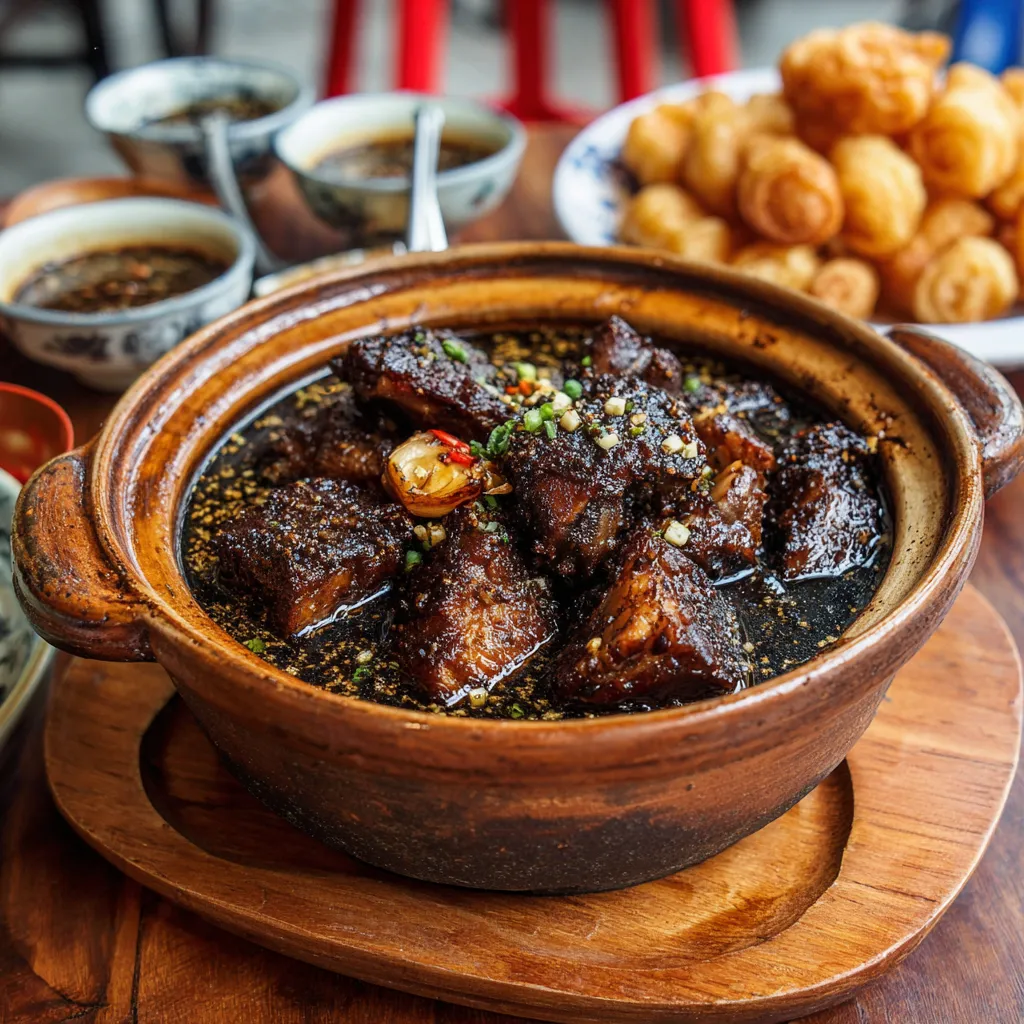
Look for hawker centres and kopitiams with a reputation for bak kut teh — stalls that churn out claypots and constant steam are a good sign. In the east, Changi Village Hawker Centre and parts of East Coast have beloved stalls; in town and the heartlands you'll also find specialist shops and kopi-shop versions that serve both styles.
Neighbourhood tips: pair a morning herbal pot with a walk along East Coast or combine a peppery lunch in Tiong Bahru with a kopi stop. Some stalls specialise and only serve one style; others let you choose. If a stall has regular queues at odd hours, it’s often worth the wait — locals tend to queue for consistency and flavour.
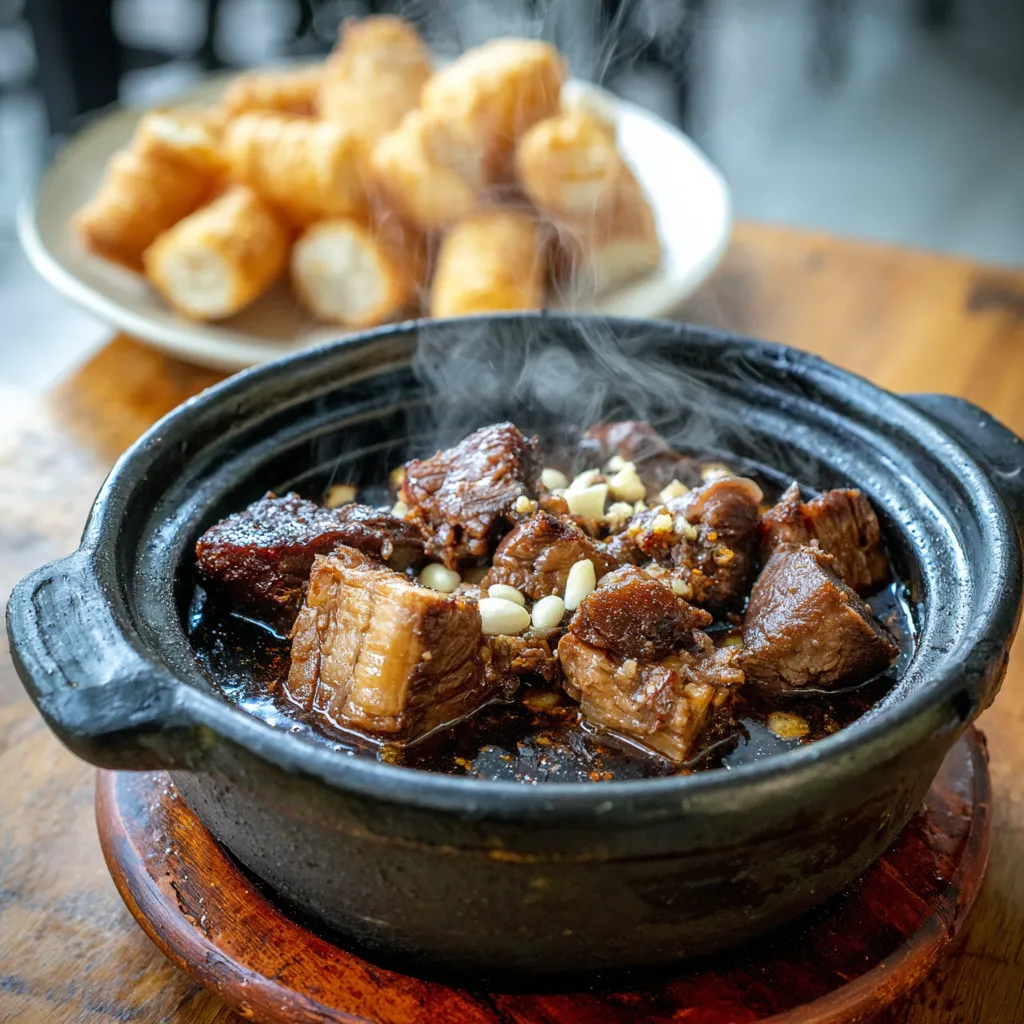
Ordering shorthand: tell the stall how many people (or bowls) you want, specify ‘peppery’ or ‘herbal’ if available, and ask about portion sizes — stalls commonly offer small/medium/large or single-person bowls. Add rice (white rice or short-grain) or youtiao (fried dough) for dipping into the broth.
Condiments and pairings: a saucer of sliced chilli in light soy, raw minced garlic and dark soy are common. Locals often sip Chinese tea with bak kut teh to balance richness. Be prepared to share tables during peak lunch hours and clear your tray when done — hawker etiquette matters, especially in crowded kopitiams.
If you’re building a mini trail, group spots by neighbourhood: morning herbal pot in the East followed by a coastal stroll, or a peppery lunch crawl across Tiong Bahru and nearby kopitiams. Combine bak kut teh with other local foods — kaya toast and kopi to start, or char kway teow and a cold dessert to finish when daytime heat rises.
Practical planning: budget S$5–S$25 per person depending on style and add-ons; bring cash to hawker stalls though many accept payNow/QR these days. Wear comfortable clothes if you plan to hop between stalls — the best days for a food crawl are cooler, slightly overcast mornings or early evenings when queues are shorter.