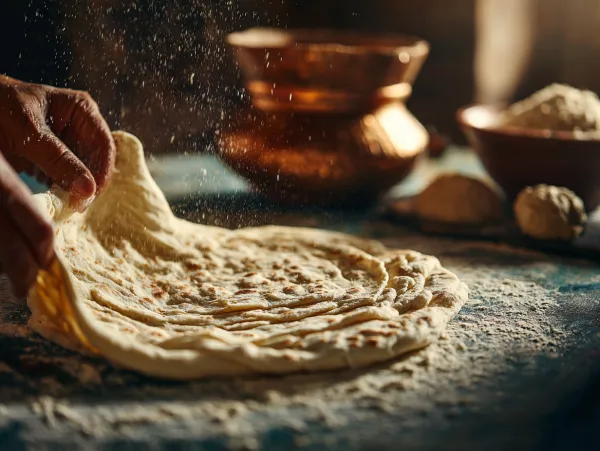

Classic late-night dim sum
Swee Choon Tim Sum
Popular late‑night Cantonese dim sum restaurant in Jalan Besar, best known for its liu sha bao (molten salted egg buns) ...

A bite-sized guide to Singapore’s favourite late-night showdown — flaky roti prata versus steaming midnight dim sum — where to find them and how to makan like a local.
Prata is the comfort carb of Singapore’s late-night crowd; dim sum is the social feast — both are unbeatable after dark.
Only in Singapore can you go from crispy prata to steaming siew mai in one short taxi ride.
Supper is a genuine part of Singapore life — after the office lights go dim and the MRT thins out, kopitiams, hawker centres and 24-hour prata shops come alive. For many Singaporeans, ‘supper’ isn’t just food; it’s social glue — friends, families and shift workers meeting over cheap, comforting dishes.
This piece compares two late-night pillars: roti prata — a flaky, pan-fried bread usually paired with curry or sugar — and midnight dim sum — small steamed plates that are surprisingly at home in the city’s late hours. Both feed different cravings but share the same role: satisfying hunger when the rest of the island sleeps.
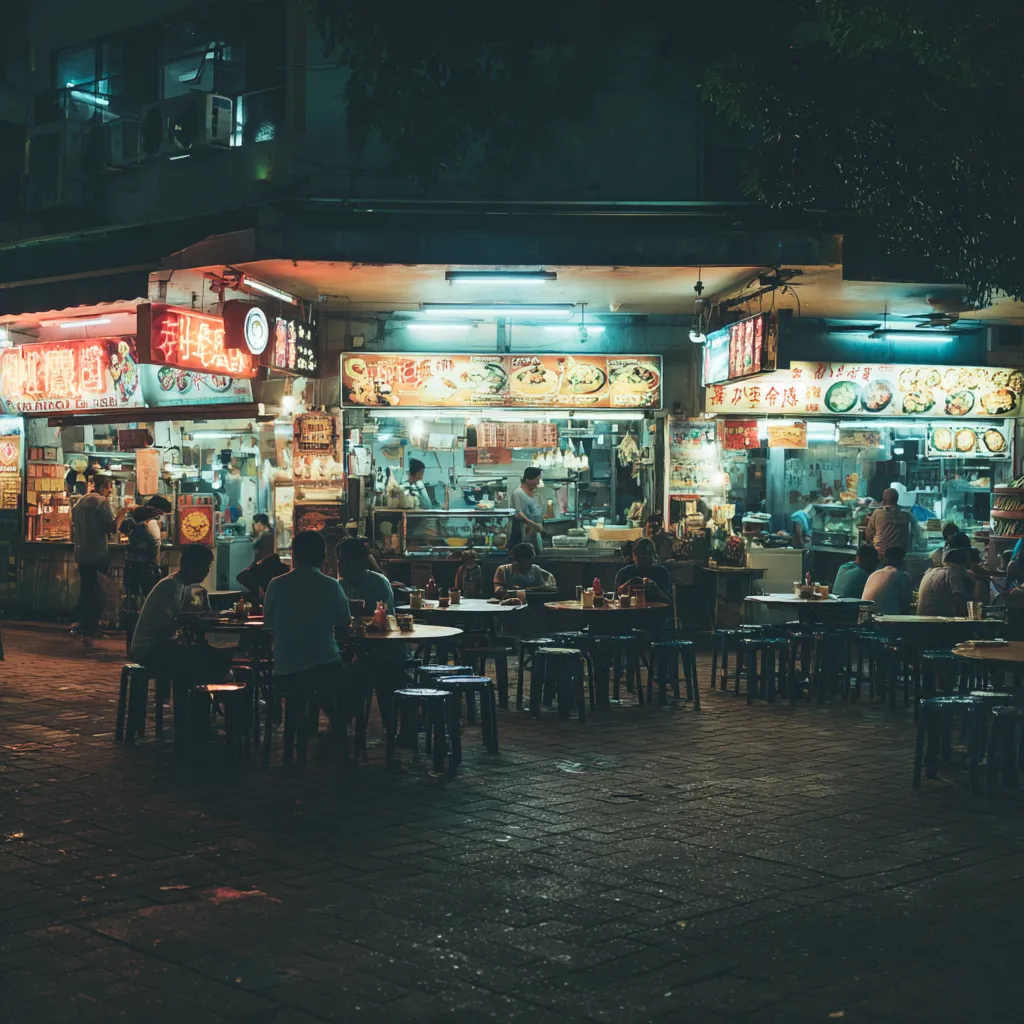
Roti prata is everywhere in Singapore — from Little India’s bustling lanes to estate kopitiams and roadside prata shops. The basic prata is a simple dough, stretched and fried until crispy on the outside and chewy within, but variations run the gamut: egg, cheese, mushroom, and even sweet versions with sugar or condensed milk.
Locals typically tear pieces off and dip them into a ladle of fish or mutton curry; others fold their prata with sugar for a plain-sweet treat. Prata shops often stay open late — perfect for a post-bar snack or a quick bite after a gig in the CBD.
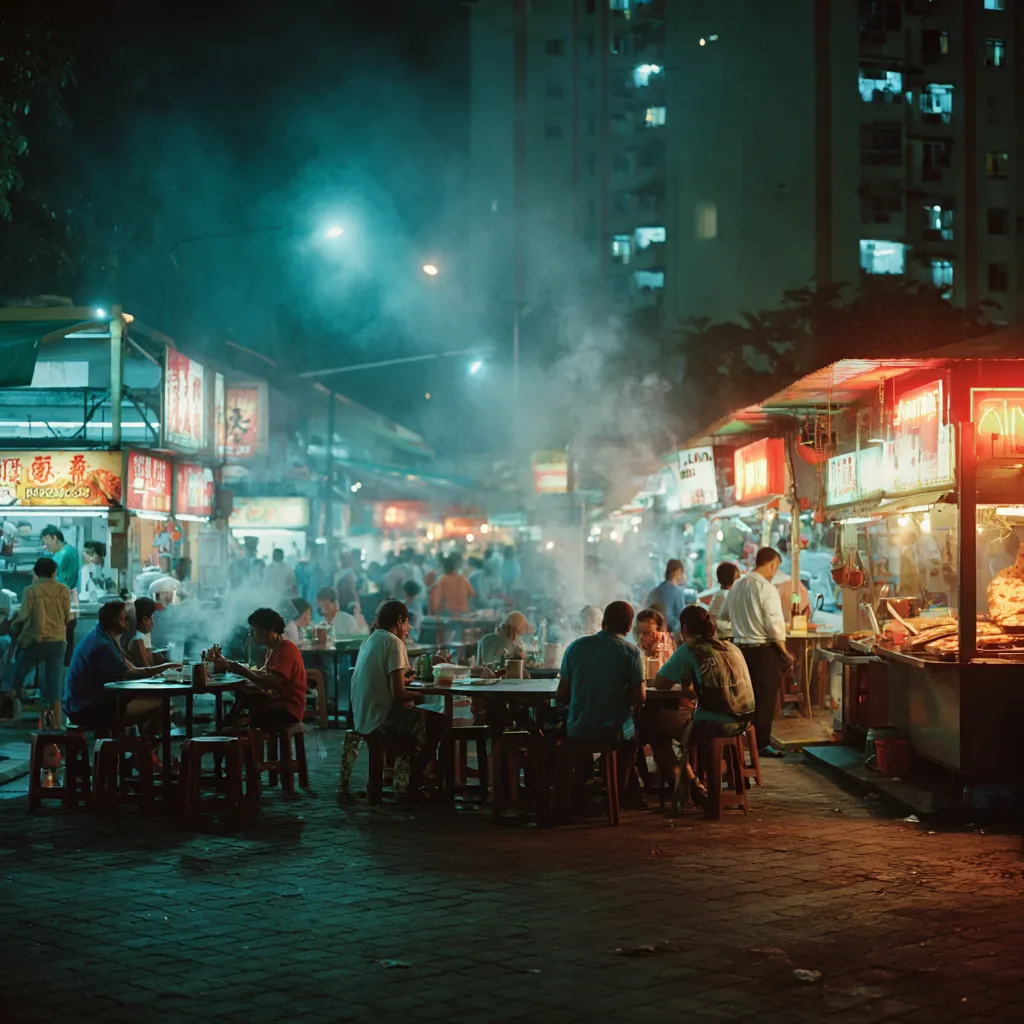
Dim sum usually evokes morning yum cha, but in Singapore there are iconic late-night dim sum joints where steamers keep coming well past midnight. These spots specialise in quick, shareable plates — siew mai, har gow, chee cheong fun and char siew buns — perfect for groups or those who want variety.
The experience is different from a daytime tea house: brighter, louder and more informal. Expect paper wrappers, quick turnover of plates, and an emphasis on hearty, savoury items that pair well with tea, coffee or a late-night drink.
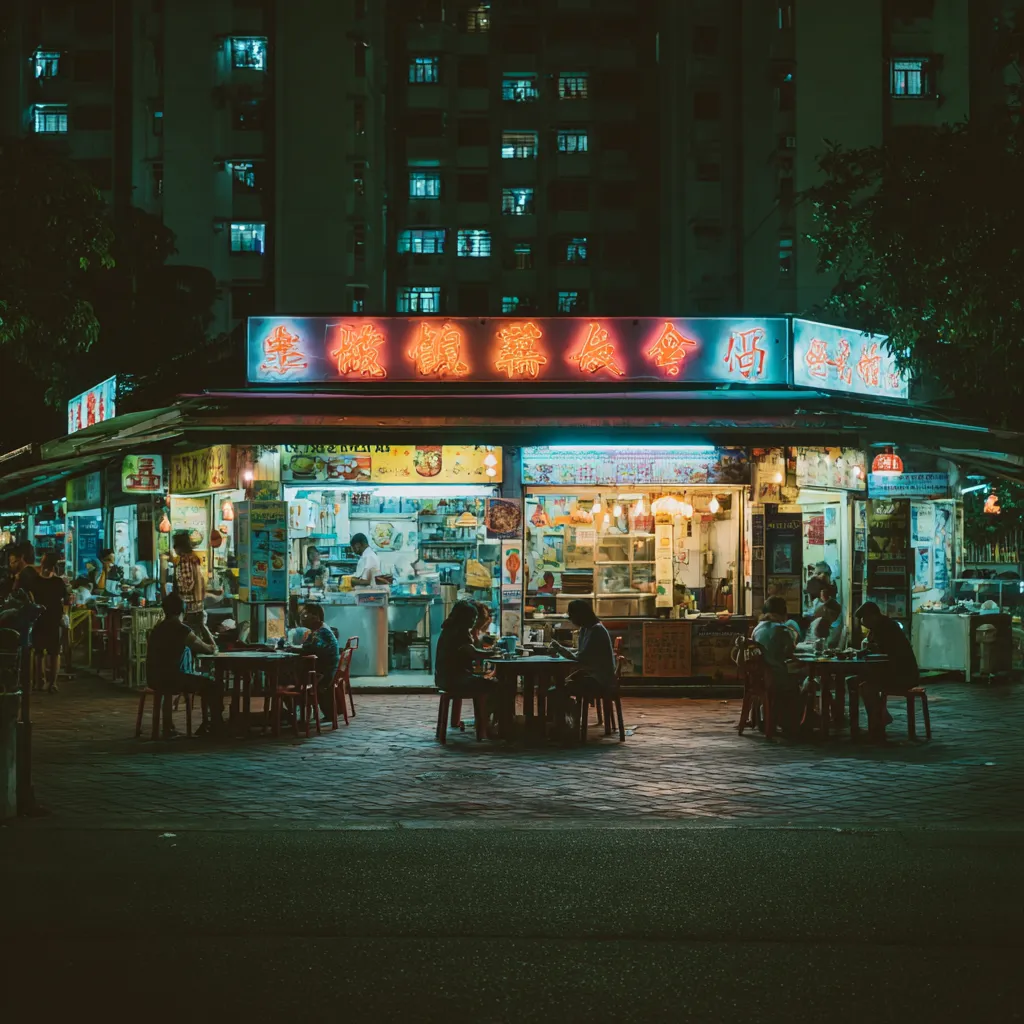
If you want both experiences on one night, plan a short makan trail: start with prata near Little India or Tekka Centre, then hop over to Jalan Besar/Balestier for late-night dim sum at pockets like Swee Choon. Heartland kopitiams and food courts across Tampines, Ang Mo Kio and Bedok also have prata stalls that open late.
Hawker centres like Newton and Tiong Bahru offer late-night options and the right atmosphere for people-watching; Changi Village remains a favourite for relaxed supper sessions by the sea during weekends.
Ordering is straightforward but varies by venue: prata shops will often ask for your order verbally at the stall; dim sum places might hand you an order chit or use a plate-count system. Cash is still widely accepted, but many stalls now take PayNow or QR payments.
Expect queues on weekend nights, especially at famous spots. If you’re in a group, get a table early and send one person to queue for food. Don’t be shy about asking for chilli, sugar or extra curry — prata shops are used to custom requests.

