Tau Huay (Soybean Pudding)
A Singapore-style silky soybean pudding made from fresh soy milk and a gentle coagulant, served warm or chilled with ginger syrup or gula melaka — a kopitiam favourite for breakfast or supper.
About this dish
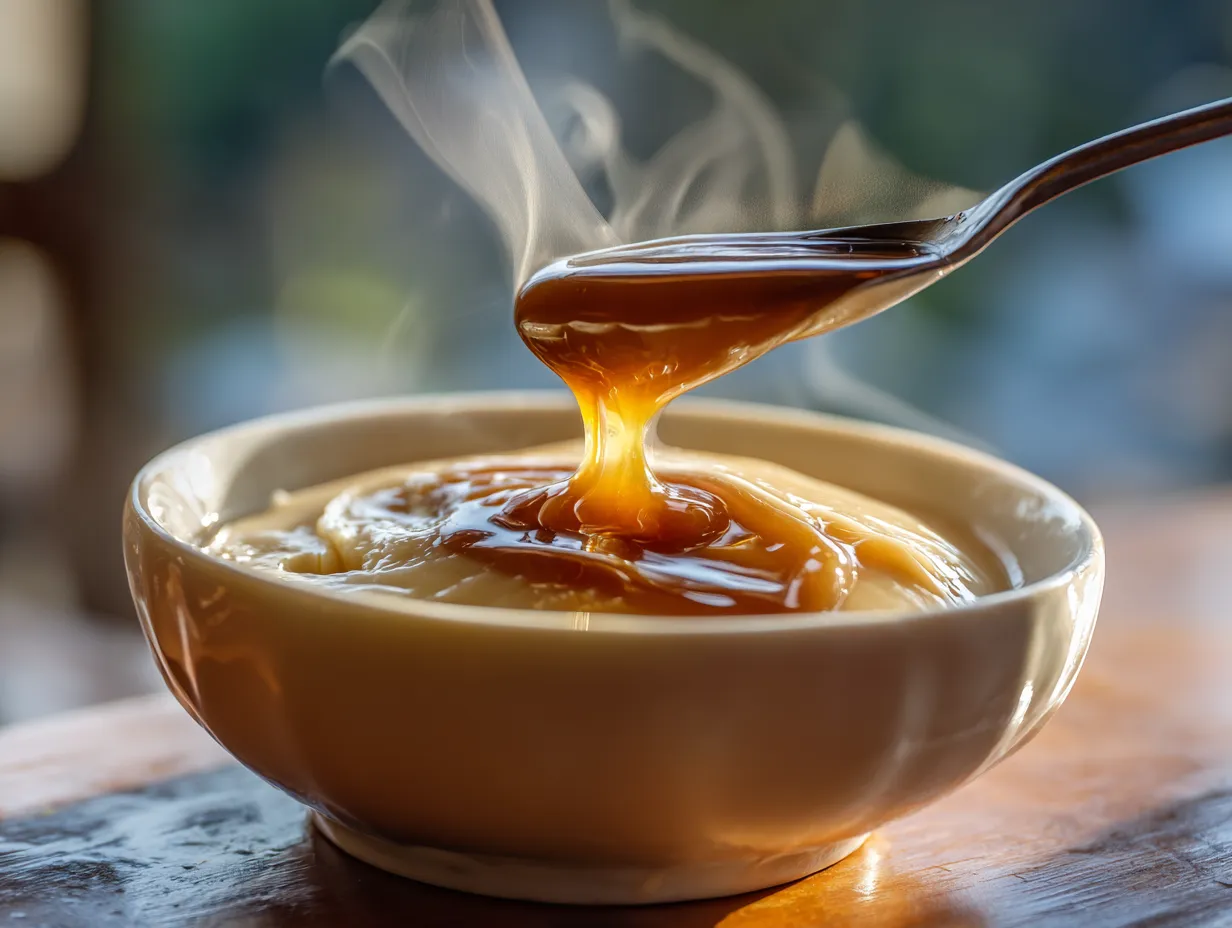
Tau Huay, or soybean pudding, is a beloved Singapore Chinese dessert you’ll find at kopitiams and hawker centres from Tiong Bahru to the heartlands. It’s comfort food for many — a bowl of warm, silken tofu-like pudding spooned with hot ginger syrup on a rainy evening, or chilled with gula melaka at a neighbourhood pasar malam. The magic is simple: soy milk gently coagulated into a soft custard using gypsum (calcium sulfate) or GDL, producing that melt-in-the-mouth texture.
In Singapore homes, tau huay is versatile: busy parents often make a batch for kids’ supper, while elder relatives prefer it warm and gingery to soothe the throat. Street-side stalls will sometimes add local twists — a drizzle of gula melaka for deeper caramel notes, a splash of pandan-infused coconut milk for Peranakan flair, or a side of crispy you tiao for contrast. The flavour profile is delicate and beany with a creamy mouthfeel; toppings bring sweetness and heat when you want it.
This recipe walks you through making fresh soy milk from dried soybeans or an easier version using store-bought unsweetened soymilk. I’ll also cover how to coagulate properly (don’t boil after adding coagulant), how to steam or set the pudding, and quick syrup options (ginger or palm sugar) that are classic in Singapore. Ideal for teatime, supper runs, or as a light dessert after a zi char spread, tau huay is simple, nostalgic, and utterly local in its variations.
Ingredients
- 200 g dried soybeans (or 1 L unsweetened soy milk for shortcut)
- 1.2 litres water for blending and cooking (adjust if using store-bought soy milk)
- 3–4 g gypsum powder (calcium sulfate) or 4 g GDL (glucono delta-lactone) — coagulating agent
- 2 tbsp hot water to dissolve gypsum or GDL
- 40–80 g palm sugar (gula melaka) or brown sugar, for syrup (adjust to taste)
- 40 g granulated sugar (for ginger syrup option)
- 50 g fresh ginger (2–3 small knobs), sliced thinly, for ginger syrup
- 1–2 pandan leaves, tied into a knot (optional, for gula melaka syrup)
- Pinch of fine salt (helps amplify soy flavour)
- Optional: 100 ml coconut milk, lightly warmed (for pandan coconut twist)
- Optional toppings: lightly crushed roasted peanuts, toasted sesame seeds, chopped gula melaka shards
- Optional: small pieces of you tiao (fried dough) for serving
Step-by-Step Method
- If using dried soybeans: rinse 200 g dried soybeans and soak in plenty of water overnight (8–12 hours) until plump. Drain and rinse before using. (If using store-bought unsweetened soy milk, skip to step 4.)
- Blend the soaked soybeans with 1.2 litres of water in a high-speed blender until smooth (about 1–2 minutes). Strain the mixture through a fine muslin cloth or nut milk bag into a pot, squeezing well to extract the soy milk.
- Bring the freshly extracted soy milk to a gentle simmer over medium heat, stirring frequently to avoid sticking. Do not let it vigorously boil — target 85–95°C and simmer for 6–8 minutes to cook the beans and remove raw beany notes. Skim any foam.
- While the soy milk is heating, dissolve 3–4 g gypsum powder (or 4 g GDL) in 2 tablespoons of hot water until fully dissolved. If using gypsum, sieve to remove lumps.
- Remove the pot from heat and let the soy milk cool very slightly for 1–2 minutes (so it’s hot but not boiling). Slowly pour the dissolved coagulant into the soy milk while gently stirring for 10–15 seconds — then stop stirring and cover immediately.
- Transfer the mixture into individual bowls or a heatproof container and steam over low-medium heat for 6–10 minutes, or place the bowls in a covered pot with a towel under the lid to trap steam; alternatively, let them sit undisturbed off heat for 15–20 minutes until fully set with a silky, jiggly texture. Avoid shaking the bowls.
- Prepare your syrup: for ginger syrup, combine sliced ginger, 200 ml water and 40 g granulated sugar in a small pot, simmer for 10 minutes, then strain. For gula melaka syrup, melt 40–80 g chopped gula melaka with 50 ml water and a knotted pandan leaf over low heat until syrupy, then strain to remove impurities.
- Serve the tau huay warm with ginger syrup spooned over, or chilled with gula melaka syrup. Optionally drizzle a little warmed coconut milk for a Peranakan twist, and garnish with crushed peanuts or toasted sesame seeds. If using store-bought soy milk, heat the milk to simmer and follow from step 4 onward, reducing steaming time to 6–8 minutes.
Tips & Serving Ideas
- Soak soybeans overnight for a creamy milk; if short on time, use 1 L unsweetened soy milk from NTUC or Cold Storage — heat and coagulate the same way.
- Gypsum (calcium sulfate) and GDL give slightly different textures: gypsum yields a firmer, silkier set; GDL is milder. Measure carefully — too much will make the pudding grainy.
- Don’t boil soy milk after adding the coagulant. Gentle heat and minimal movement after mixing are key to achieving a smooth, jiggly tau huay.
- For ginger syrup, simmer sliced ginger longer for a stronger, throat-soothing punch — perfect for rainy nights or when you want warming flavours.
- Keep a covered bowl in a hot water bath at low heat to serve warm at gatherings, like a kopitiam stall keeping tau huay ready for supper crowds.
- Store leftover tau huay in the fridge for up to 2 days. Reheat gently in a bain-marie or microwave on low power and stir before serving; syrups can be kept separately.
- If you prefer a Peranakan twist, add a splash of pandan-infused coconut milk on top — available at wet markets or larger supermarkets like Sheng Siong.
- To achieve silky texture, strain blended soy slurry through a fine cloth and avoid over-agitating after adding coagulant; allow it to set undisturbed.
You might also like
More recipes to save for later.