Sambal Stingray (BBQ Seafood)
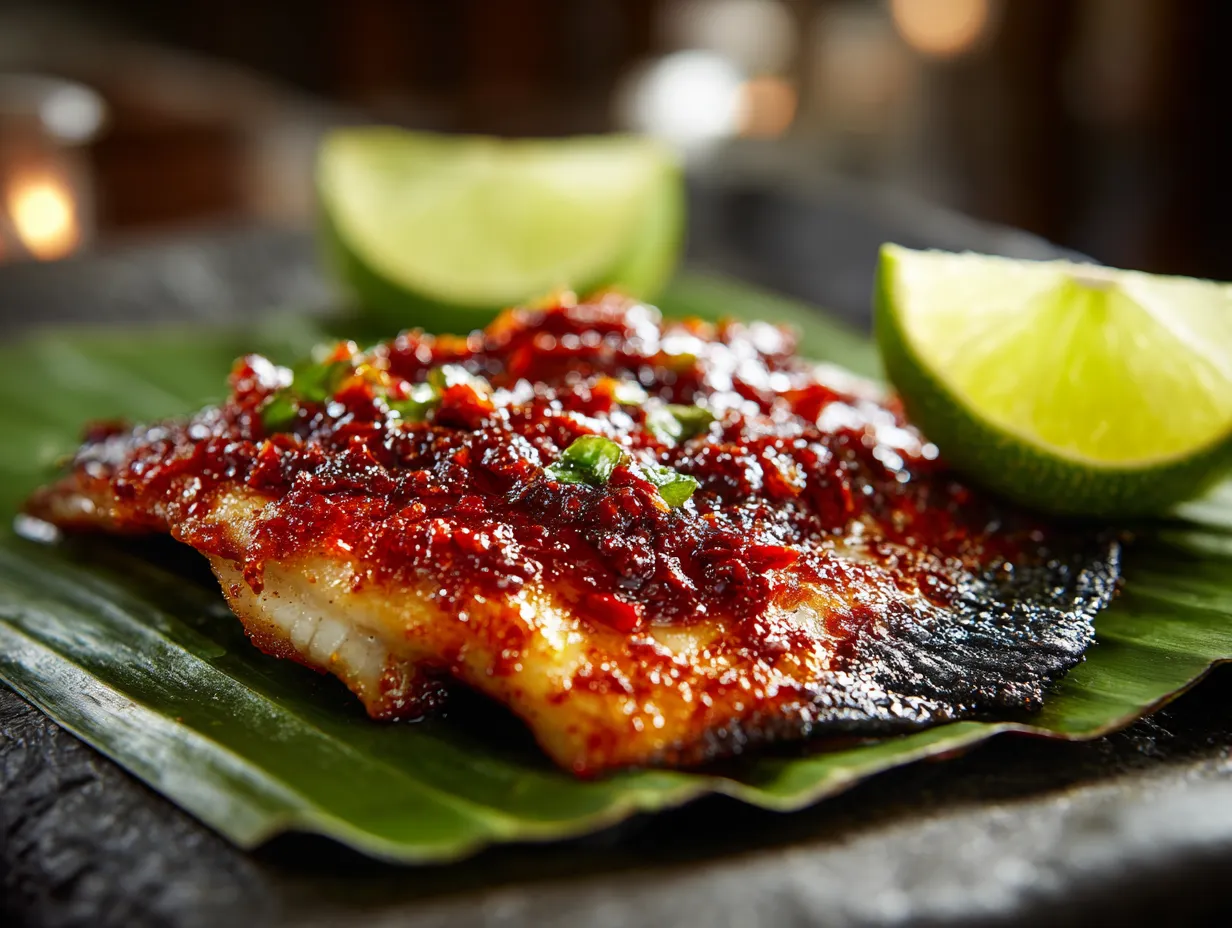
A Singapore-style sambal stingray — tender grilled stingray topped with smoky, spicy sambal and charred on banana leaf for hawker-centre vibes.
About this dish
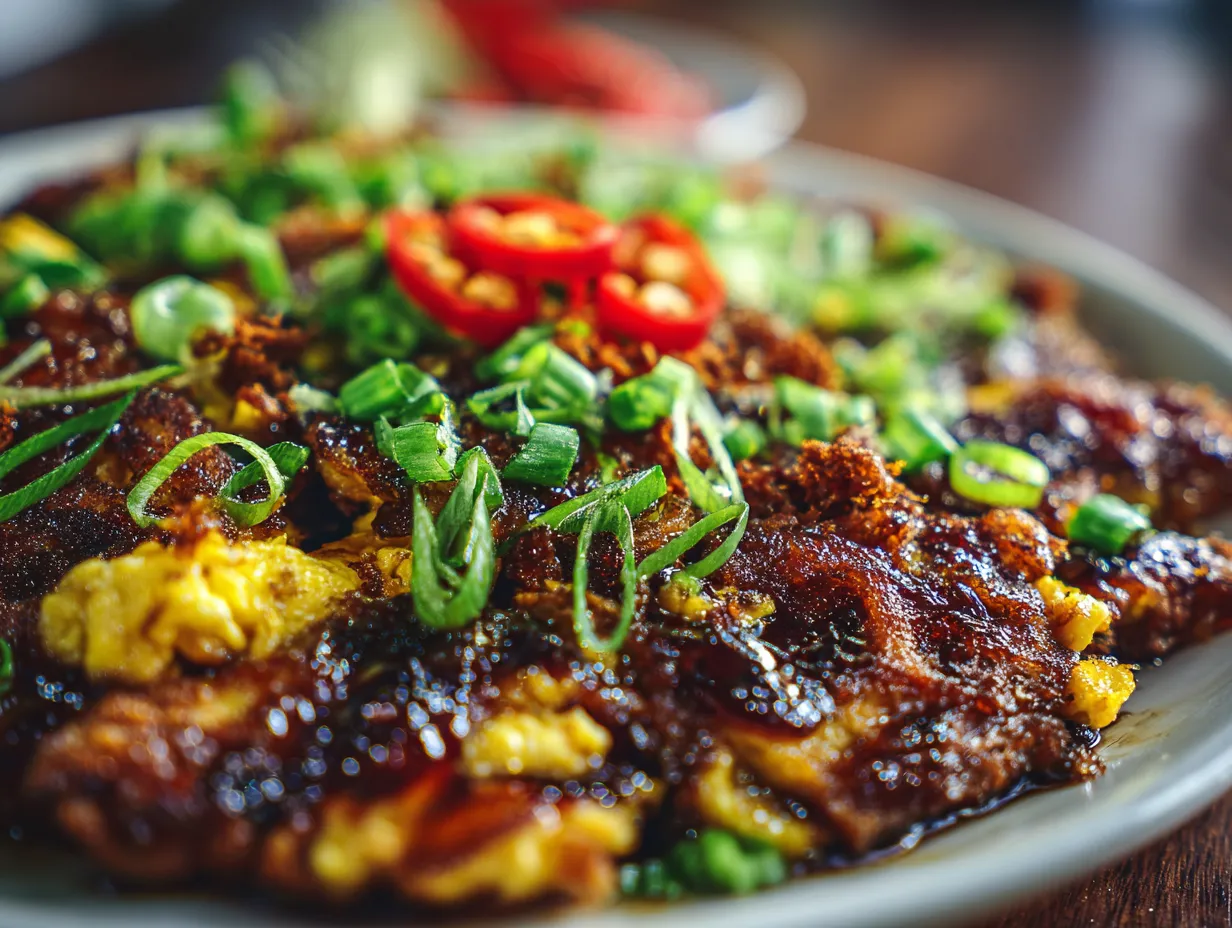
Sambal stingray is a beloved hawker-centre and zi char staple across Singapore — think East Coast seafood evenings, casual family dinners, or a weekend BBQ at the beach. The dish features a meaty stingray fillet slathered in a punchy sambal paste (chilies, belacan, shallot, tamarind) then grilled on banana leaf until the edges char and the paste bubbles. It’s the kind of sharing dish eaten family-style with steamed rice and icy barley or a cold beer.
At home, this recipe is perfect for busy parents and city cooks who want hawker-style flavours without the queue. You can make the sambal from scratch or use a good-quality store-bought sambal as a shortcut: either way the balance of umami from belacan, heat from chilli padi, tang from tamarind or lime, and a little sweetness is key. Wrapping the fish on banana leaf (or foil if you can’t get banana leaf) keeps it moist and adds that fragrant hint that reminds Singaporeans of East Coast seafood evenings and kopitiam get-togethers.
The texture is soft and slightly gelatinous around the cartilage, with crispy charred edges where the sambal caramelises. It pairs beautifully with plain steamed jasmine rice, achar, and a squeeze of lime to cut through the richness. For those who prefer less fire, reduce the bird’s eye chillies and add a splash of coconut milk to mellow the sambal into a creamier sauce.
Ingredients
- 800 g stingray fillet (cleaned, cartilage intact) or stingray wing, skin on
- 2 large banana leaf sheets (or aluminium foil) to line the grill
- 3 tbsp vegetable oil (plus extra for brushing)
- 6 large red chillies (de-seeded for less heat) or 6 red bird’s eye chillies for more kick
- 4–6 bird’s eye (chilli padi), or adjust to taste
- 6 shallots, peeled and halved
- 3 garlic cloves, peeled
- 1 tbsp belacan (shrimp paste), dry-roasted and mashed
- 1 tbsp tamarind paste (or 2 tbsp freshly squeezed lime juice)
- 1 tsp palm sugar or caster sugar (adjust to taste)
- 1–2 tbsp fish sauce or light soy sauce for umami
- 50 ml coconut milk (optional, for a creamier, less fiery sambal)
- 1/4 tsp turmeric powder and 1/2 tsp fine salt (to season the stingray lightly)
- Freshly ground black pepper, 1/4 tsp
- 2 spring onions, thinly sliced for garnish
- Coriander leaves (optional) and extra lime or calamansi wedges to serve
- Cucumber slices and achar (pickled vegetables) to serve on the side
- Optional: 4 tbsp ready-made sambal (sambal oelek or store sambal) as a shortcut
- Optional: 1 tbsp toasted sesame oil or a splash of light oil for gloss when serving
Step-by-Step Method
- Prepare the stingray: rinse and pat the fillet dry. Lightly dust both sides with turmeric and 1/2 tsp salt; set aside for 5 minutes while you make the sambal.
- Make the sambal (blender or mortar): chop red chillies, bird’s eye chillies, shallots and garlic roughly. In a blender or food processor pulse with roasted belacan, tamarind paste, palm sugar and fish sauce until coarsely blended (leave some texture). If using mortar and pestle, pound until a chunky paste forms.
- Adjust the sambal: taste and balance heat, sour and sweet. For a creamier sambal stir in 50 ml coconut milk. If short on time, mix 4 tbsp store-bought sambal with 1 tbsp toasted belacan and 1 tsp sugar.
- Preheat grill or oven: for charcoal or gas grill get a steady medium-high heat. If using oven, preheat the grill/broiler to high and position rack 10–12 cm from element. If using a wire rack on a wok or grill pan, preheat until hot.
- Prepare banana leaf: briefly fold and pass banana leaf over open flame or blanch in hot water to make it pliable. Brush both sides lightly with oil and place on the grill or baking tray to warm for 1 minute.
- Assemble: place the seasoned stingray on the banana leaf, skin side down. Generously spread the sambal over the top of the stingray in an even layer (about 6–8 mm thick). Drizzle 1 tbsp oil over the sambal to help with charring.
- Grill: place on the preheated grill and cook for about 8–12 minutes on the first side until sambal bubbles and charred in spots. For thicker fillets, cook 10–12 minutes. If using oven broiler, broil for 8–10 minutes until edges char and sambal is bubbling.
- Finish and flip (optional): some hawkers grill only one side; if you prefer both sides charred, carefully flip with two spatulas and cook a further 2–4 minutes. Watch closely so the sambal doesn’t burn — you want caramelised, not bitter.
- Rest briefly: remove from heat and let rest 2 minutes. Sprinkle sliced spring onions and coriander leaves, and squeeze fresh lime or calamansi over the top to brighten flavours.
- Serve: transfer to a large platter for sharing on the banana leaf. Eat with steamed jasmine rice, achar, cucumber slices and an icy barley drink or cold beer. Save leftover sambal for grilled prawns or as a spread.
Tips & Serving Ideas
- Buy fresh stingray from a wet market, fishmonger or supermarket (NTUC, Cold Storage or Sheng Siong) — look for firm flesh and a clean ocean smell.
- If you can’t find banana leaf, use aluminium foil and brush generously with oil; banana leaf adds aroma but foil still works for grilling.
- Adjust heat: reduce or omit bird’s eye chillies for kids and low-spice eaters; add more for the authentic hawker kick. Coconut milk tames the heat without losing flavour.
- Toast belacan (shrimp paste) briefly in a dry pan to enhance umami before blending it into the sambal — it makes a big flavour difference.
- To avoid overcooking, grill the stingray on medium-high and watch for bubbly, caramelised sambal — stingray cooks quickly and becomes flaky when done.
- Make-ahead: sambal keeps 2–3 days in the fridge in an airtight container and can be reheated on grilled seafood or mixed into fried rice for leftovers.
- If you don’t have a grill, use the oven broiler or a hot cast-iron grill pan; finish briefly under the broiler for charred edges.
You might also like
More recipes to save for later.