Popiah (Homemade Skins & Filling)
Singapore-style popiah with homemade thin crepe skins and a wok-fried jicama filling—fresh, slightly sweet and savoury, perfect for family-style rolling at home.
About this dish
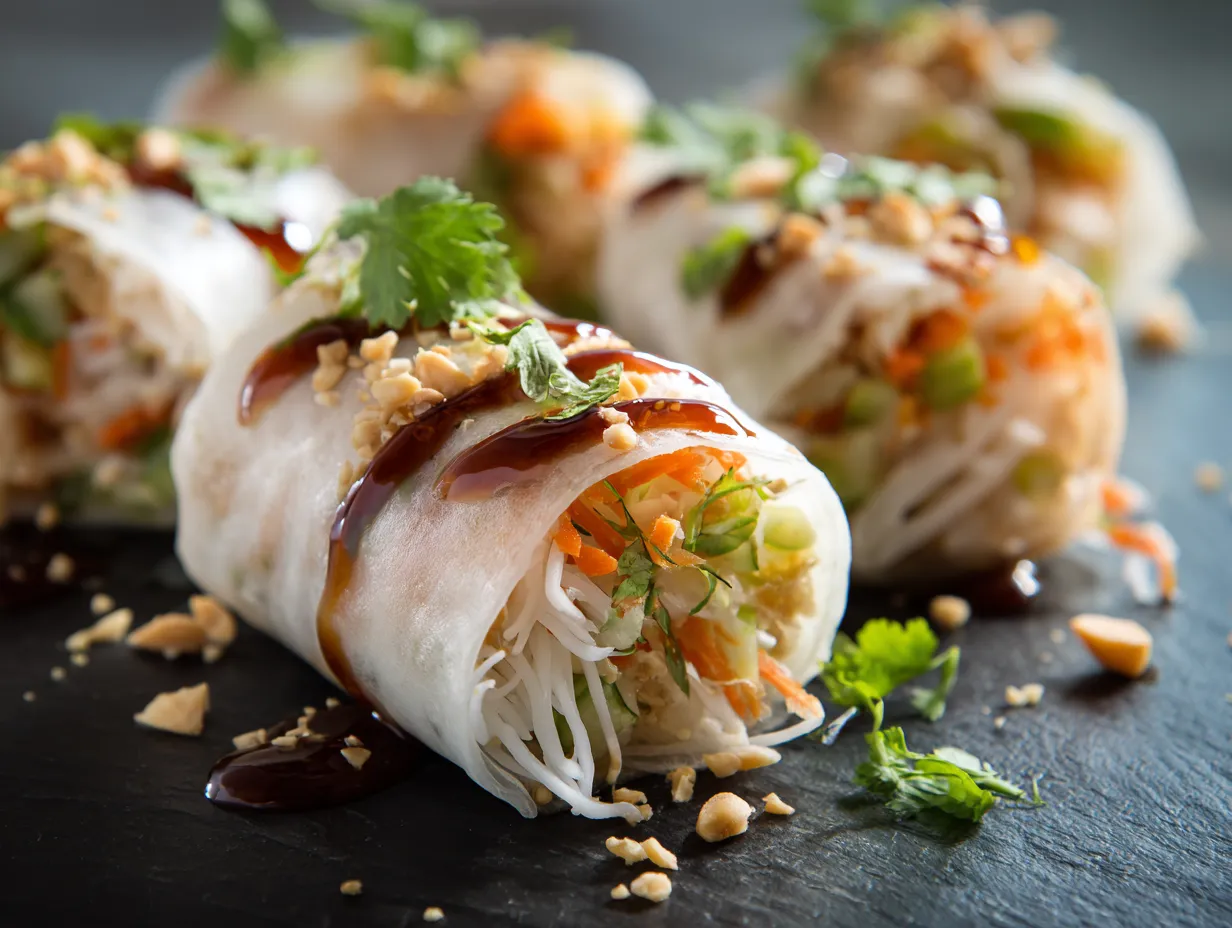
Popiah is a beloved Singapore snack and light meal with Teochew and Peranakan roots, commonly found at heartland hawker centres and weekend pasar malam stalls. Making the skins from scratch gives you a silky, pliable wrapper that holds a juicy, savoury-sweet filling of shredded jicama (bangkuang), carrot and aromatics—closer to the versions you’ll see sold at kopitiams and neighbourhood markets. It’s fun, hands-on and ideal for family dinners, potlucks or as a weekend project when you miss hawker-centre flavours.
The filling is lightly stir-fried to keep crunch and bite, balanced with sweet bean sauce or hoisin, a touch of light soy and toasted sesame to give depth. Texturally popiah is a beautiful contrast: thin, tender skins, juicy shredded vegetables, crisp lettuce or cucumber, a soft omelette strip and crunchy ground peanuts or fried shallots on top. Local variations often include dried prawns, taupok (tofu puffs) or homemade sambal if you like heat.
In Singapore homes we often assemble popiah family-style—everyone rolls their own at the table, adding ingredients to taste. It’s perfect for celebrations like Chinese New Year gatherings or a casual weekend makan with friends. If you’re after hawker authenticity, try pairing with kopi or barley water, and don’t forget the extra chilli padi for the sambal lovers.
Ingredients
- 300 g jicama (bangkuang), peeled and shredded (about 2 cups packed)
- 100 g carrot, peeled and shredded
- 100 g daikon/white radish, peeled and shredded (optional for extra juiciness)
- 150 g bean sprouts, trimmed
- 2 tbsp vegetable oil (for stir-frying)
- 4 cloves garlic, minced
- 2 shallots, thinly sliced
- 50 g dried shrimp, soaked in warm water for 10 minutes and chopped (optional)
- 1 tbsp light soy sauce
- 1 tbsp oyster sauce
- 1 tbsp kecap manis or sweet soy (or 1 tbsp hoisin for local sweetness)
- 1 tsp sugar (adjust to taste)
- 1 tbsp toasted sesame oil
- 6 large eggs, beaten and cooked into thin omelette strips
- 6–8 store-bought or homemade popiah skins (see recipe below) — recipe makes ~8
- 2 tbsp roasted peanuts, coarsely crushed
- Fresh coriander leaves (cilantro) or Vietnamese mint, a small handful
- Crispy fried shallots or shallot oil for garnish
- Short cucumber strips or lettuce leaves for freshness
- Sambal chilli or sliced chilli padi to serve
- For popiah skins (makes ~8): 250 g plain flour, 650 ml water, 1 tbsp corn oil, pinch of salt, extra oil for greasing skillet
Step-by-Step Method
- Make the popiah batter: whisk 250 g plain flour, 650 ml water, 1 tbsp corn oil and a pinch of salt until smooth and lump-free. Batter should be thin and similar to crepe batter. Let rest for 10 minutes while you prepare fillings.
- Cook the skins: heat a non-stick skillet or flat pan over medium-high heat and lightly oil. Pour ~60–70 ml batter and quickly tilt the pan to spread a very thin layer. Cook 30–45 seconds until edges lift and surface looks matte, then turn and cook 10–15 seconds. Stack on a plate covered with a clean towel to keep pliable. Keep skillet consistently at medium-high for even skins.
- Prepare omelette strips: heat a little oil in a small pan, pour in beaten eggs to make a thin omelette, cook until just set, roll and slice into 1 cm strips. Set aside.
- Stir-fry the filling: heat 2 tbsp vegetable oil in a wok over high heat until hot but not smoking. Add minced garlic and sliced shallots, stir 10–15 seconds until aromatic. Add chopped dried shrimp if using and fry briefly.
- Add shredded jicama, carrot and daikon to the wok. Toss over high heat for 3–5 minutes until the vegetables start to soften but still have bite—avoid overcooking so the filling remains juicy and slightly crunchy.
- Season the filling with 1 tbsp light soy, 1 tbsp oyster sauce, 1 tbsp kecap manis or hoisin, 1 tsp sugar and 1 tbsp toasted sesame oil. Stir and taste—adjust with a splash more light soy or a pinch more sugar depending on your preference, like you would at a zi char stall.
- Fold in bean sprouts and remove from heat—bean sprouts should remain crisp. Transfer filling to a bowl to cool slightly before assembling.
- Assemble each popiah: lay a skin on a clean surface, spread a thin line of hoisin or sweet sauce, spoon 2–3 tablespoons of filling near one edge, add a strip of omelette, some cucumber or lettuce, coriander and a sprinkle of crushed peanuts and fried shallots. Add sambal or chilli padi for heat.
- Roll like a burrito: fold the sides in and roll tightly to enclose the filling. Popiah is best served immediately for the contrast of textures; if making ahead, wrap tightly in cling film and refrigerate for up to 24 hours.
- Serving tip: slice rolls in half on a diagonal for a more presentable plate at potlucks, or serve whole with extra sauce, sambal and leftover crushed peanuts on the side.
- Leftovers reheating: store unrolled filling in an airtight container and reheat in a wok over medium heat until piping hot. Rewarm skins on a skillet for 10–15 seconds each before assembling.
Tips & Serving Ideas
- Buy fresh jicama (bangkuang) from NTUC FairPrice, Sheng Siong or wet markets—look for firm, unblemished roots for the best texture.
- If you're short on time, use good-quality store-bought popiah skins from the refrigerated section; homemade skins are thinner but take practice.
- Keep the wok very hot when stir-frying and toss quickly to retain crunch—this mimics the light ‘wok hei’ you see at zi char stalls.
- Adjust sweetness and saltiness to taste: Singapore palates often prefer a sweeter, slightly savoury filling—add a little more kecap manis or sugar if needed.
- Make fillings a few hours ahead and refrigerate; assemble just before serving so skins don’t get soggy—great for potlucks and gatherings.
- For extra texture, add thinly sliced taupok (tofu puffs) or rehydrated glass noodles, common local variations in hawker stalls.
- Store unused skins layered with baking paper and wrapped in cling film in the fridge; reheat briefly on a hot pan before using.
You might also like
More recipes to save for later.