Otah-Otah (Grilled Fish Cake)
Singapore-style otah-otah: spicy grilled fish cake wrapped in banana leaf, fragrant with lemongrass, turmeric and sambal heat — a hawker-favourite cooked over char for smoky aroma.
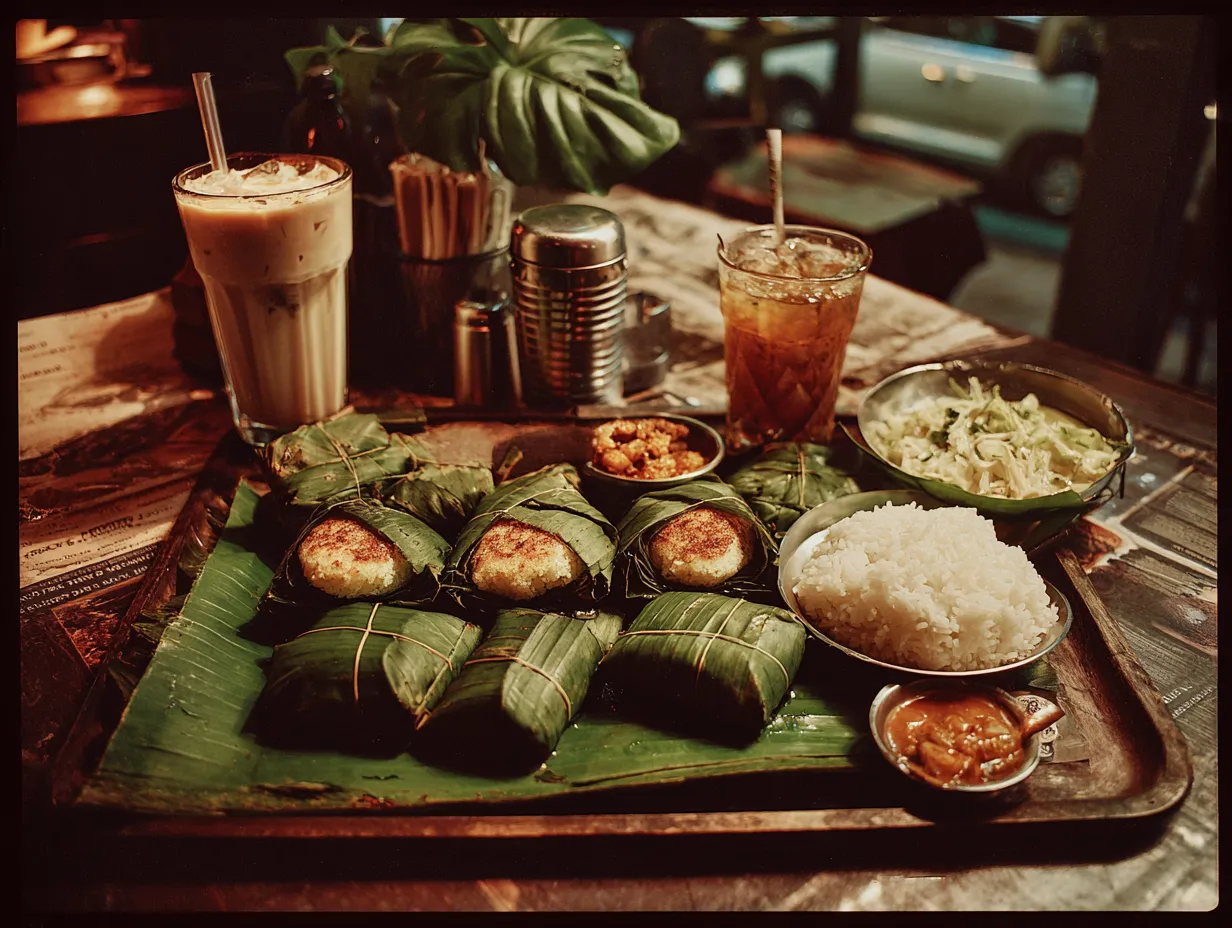
About this dish
Otah-otah is a beloved Malay/Peranakan snack in Singapore — think hawker-centre comfort wrapped in banana leaf. You’ll spot it from Tiong Bahru kopitiams to East Coast weekend barbecues: a spicy, aromatic fish paste brushed with a little oil and charred over coals or a grill pan. This version is home-kitchen friendly but keeps the classic smokiness and punchy flavours of lemongrass, turmeric and belachan that make otah an island favourite.
It’s perfect for weekend family makan, zi char-style sharing plates, or as a retro supper with steaming rice. Busy parents will like that much of the work is done in the blender/food processor, and you can make batches to freeze for potlucks or Hari Raya and family reunions. In Singapore, vendors often use tenggiri (Spanish mackerel) or mackerel for its firm texture and flavour — both work well at home and are available at wet markets and supermarkets like NTUC or Cold Storage.
The texture is moist and slightly springy from tapioca or sago starch, with a savoury umami backbone from belachan and fish, a citrus-lift from kaffir lime or calamansi, and a gentle heat from bird’s eye chillies or dried chillies. Banana leaf wrapping traps steam and picks up smoky char when grilled — if you can’t find banana leaf, fold tightly in foil and finish on a hot pan for a similar result. Serve hot, unwrapping at the table like a little Singapore street-food parcel.
Ingredients
- 400 g Spanish mackerel (tenggiri) or firm white fish, skin and bones removed, roughly chopped
- 100 g peeled prawns (optional, for sweetness and bind)
- 2 tbsp tamarind water or 1 tbsp lime juice (for brightness)
- 4–6 fresh bird’s eye chillies (adjust to taste) or 2 tbsp dried red chilli soaked and drained
- 4 shallots, roughly chopped
- 3 cloves garlic
- 1 stalk lemongrass (white part only), sliced, tough outer layers removed
- 1 cm fresh turmeric or 1 tsp ground turmeric
- 1 tsp belachan (shrimp paste), toasted lightly
- 20 g candlenuts or 1 tbsp roasted peanuts (for creaminess) — optional
- 2 tbsp tapioca starch (or sago starch) for bounce
- 50 ml coconut milk (full fat) for richness
- 1 tsp palm sugar or light brown sugar
- 1 tsp fine salt (adjust to taste) and 1/2 tsp white pepper
- 4–6 large banana leaf sheets, wiped and softened over flame or hot water
- 2 tbsp neutral oil (for brushing before grilling)
- Fresh kaffir lime leaves or 1 tbsp finely chopped coriander (daun ketumbar) for folding into paste
- Optional: aluminium foil if banana leaf unavailable
Step-by-Step Method
- Prepare banana leaves: pass each leaf quickly over a low flame or dip briefly in hot water to soften and prevent tearing; cut into 20 x 15 cm rectangles and keep covered to avoid drying.
- Make the spice paste: in a food processor or blender, combine bird’s eye chillies, shallots, garlic, lemongrass, turmeric, toasted belachan, candlenuts, tamarind water and blitz to a smooth paste. Scrape down sides as needed.
- Add fish and prawns: add the chopped fish and prawns (if using) to the blender in batches and pulse until a smooth, slightly tacky paste forms. Avoid overheating — pulse short bursts for best texture.
- Bind and season: transfer fish paste to a bowl. Stir in tapioca starch, coconut milk, palm sugar, salt and white pepper. Fold in finely shredded kaffir lime leaves or coriander. The mixture should be sticky but hold its shape; adjust starch or coconut milk to achieve a spreadable paste.
- Portion and wrap: divide the paste into 4–6 portions (about 100 g each). Spread each portion lengthwise onto a banana leaf rectangle to form a sausage or log shape about 10–12 cm long. Fold and wrap tightly, tucking ends to seal.
- Heat the grill or pan: preheat a charcoal grill, grill pan or non-stick frying pan over medium-high heat until hot. Brush the parcels lightly with oil to encourage charring and prevent sticking.
- Grill with care: place parcels seam-side down and grill for 6–8 minutes per side over medium heat, turning once, until the banana leaf chars and the paste inside is cooked through (internal temperature ~70°C) and slightly springy. If using a pan, cover briefly to steam through, then remove cover to get char marks.
- Check doneness: open one parcel to check — the otah should be opaque, fragrant and springy. If still raw in the centre, return to the grill for 2–3 minutes more. Avoid overcooking which dries out the paste.
- Finish and rest: once cooked, rest parcels for 2 minutes to let juices settle. Optionally brush with a little extra coconut oil or sambal for shine and heat.
- Serve hot: slice each parcel diagonally and serve straight from the banana leaf with steamed rice, achar or a squeeze of calamansi/lime and a cold local drink like iced barley or kopi.
Tips & Serving Ideas
- Use fresh or good-quality frozen tenggiri/mackerel from NTUC, Cold Storage or your neighbourhood wet market; fillet and remove bones for a smooth paste.
- If you don’t have a food processor, pound the paste in a mortar and pestle for a traditional texture — takes more elbow grease but authentic.
- No banana leaf? Wrap tightly in foil and finish on a hot skillet to get similar steaming and charring; banana leaf adds aroma but foil is an okay substitute.
- Adjust heat by using fewer bird’s eye chillies or replacing with milder red chillies; Singapore hawkers tailor spice to customers, so feel free to make it family-friendly.
- To get a springy texture, keep the fish mixture slightly sticky — add a little more tapioca starch if it’s too wet, or a splash of coconut milk if too dry.
- Make-ahead: assemble and freeze wrapped parcels raw, then grill straight from frozen for 10–12 minutes per side. Great for potlucks and busy weeknights.
You might also like
More recipes to save for later.