Orh Nee (Yam Paste)
A Singapore-style Peranakan dessert of steamed taro (yam) mashed and wok-cooked with coconut milk and gula Melaka into a silky, fragrant paste.
About this dish
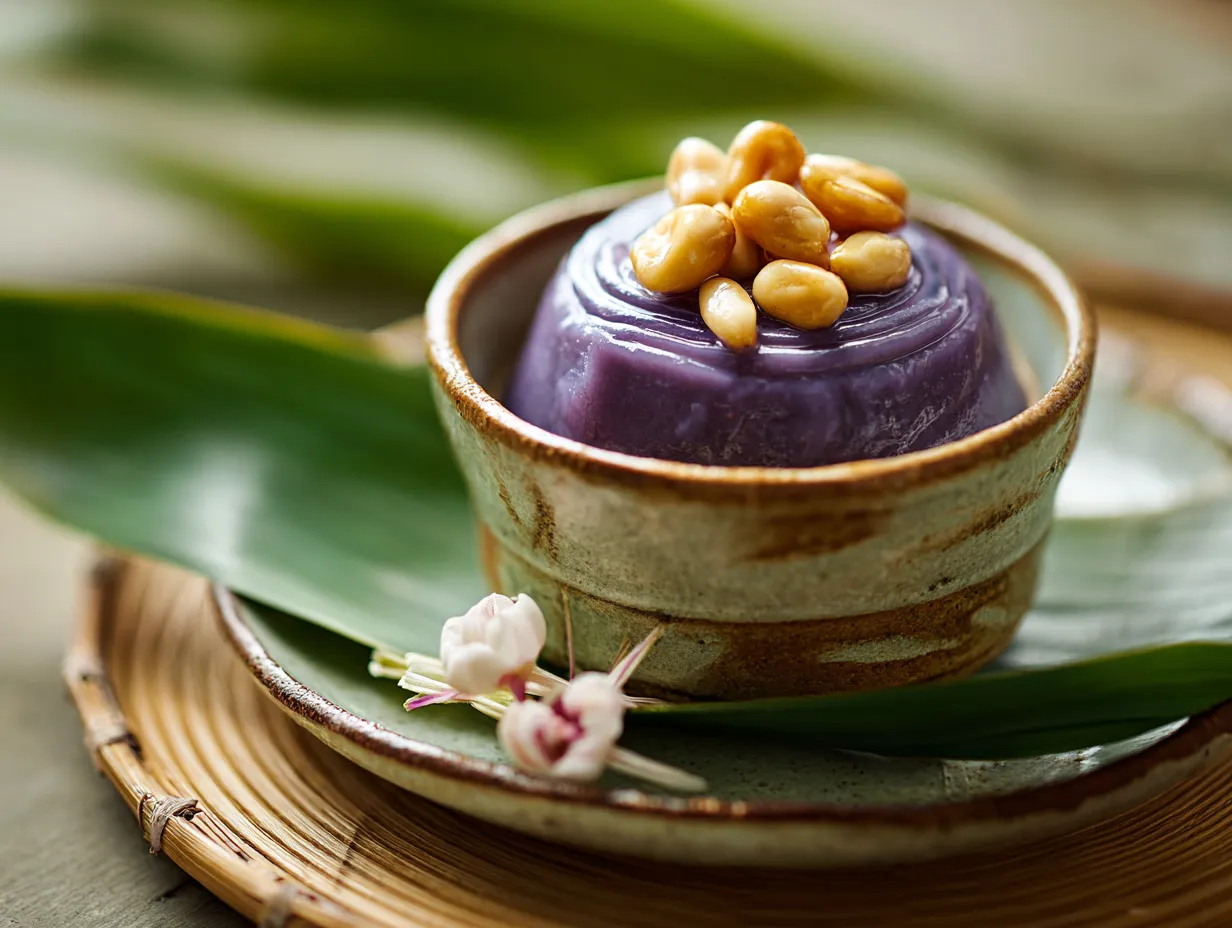
Orh Nee (yam paste) is a beloved Peranakan classic you'll find both on home dining tables and at kopitiam-style dessert stalls across Singapore — from Tiong Bahru flats to heartland hawker centres. It’s the kind of conforto dish that turns up at Chinese New Year gatherings, family potlucks and weekend supper runs after a late-night zi char session. The earthy sweetness of taro is the star, lifted by creamy coconut milk and the caramel notes of gula Melaka or caster sugar.
The texture is what makes orh nee special: luxuriously smooth with a little body from mashed yam, often finished with a glossy sheen from a knob of lard or butter. You’ll sometimes see it dotted with ginkgo nuts or a drizzle of extra coconut milk. In Singapore households, recipes vary — some cooks prefer the traditional pork lard for authenticity, others use butter or coconut oil for a vegetarian twist. Street-style versions may be denser and sweeter, while Peranakan home cooks aim for a more balanced, aromatic finish with pandan and a pinch of salt.
This recipe walks you through steaming and mashing the taro, then slowly wok-cooking it down with coconut milk and gula Melaka to the right spreadable consistency. It’s perfect for make-ahead festive spreads, plus it reheats well for next-day lunchboxes. Serve warm in small bowls, topped with ginkgo nuts and a little extra coconut milk — enjoy it with hot kopi, fragrant jasmine tea or as part of a CNY dessert platter alongside pineapple tarts and ondeh-ondeh.
Ingredients
- 800 g taro (yam), peeled and cut into 3–4 cm chunks
- 200 ml thick coconut milk (from a can), plus extra to serve
- 50 g gula Melaka (palm sugar), grated or chopped
- 40 g caster sugar, adjust to taste
- 30 g unsalted butter or pork lard (traditional) — or 2 tbsp coconut oil for vegetarian option
- 2 pandan leaves, tied in a knot
- 1/4 tsp salt
- 50–100 ml water (for steaming or mashing, as needed)
- 10–12 ginkgo nuts, blanched (optional)
- 1 tsp vanilla extract or 1 tsp pandan extract (optional, for extra aroma)
- 1 tbsp toasted sesame seeds or crushed roasted peanuts for garnish (optional)
- 1 small piece of rock sugar or 1 tbsp light syrup (optional, to adjust sweetness)
- A few drops of lime/lemon juice (optional) to brighten flavour
- Banana leaves or pandan leaves for serving (optional)
Step-by-Step Method
- Prepare the taro: peel and cut the taro into even 3–4 cm chunks to ensure even cooking; soak briefly in water to remove excess starch and pat dry.
- Steam the taro: arrange taro in a steamer basket and steam over boiling water for 20–25 minutes until very soft and a skewer slides through easily (alternatively boil until tender).
- Cook ginkgo nuts (if using): blanch or steam ginkgo nuts for 3–4 minutes, remove skins and set aside.
- Mash the taro: while still hot, mash the taro in a large bowl with a potato masher or use a food processor for an ultra-smooth texture; add 50–100 ml water or some coconut milk to help achieve a paste-like consistency.
- Wok-cook the paste: heat a wok over low–medium heat, add the butter or lard (or coconut oil), then add pandan knot and mashed taro; stir constantly to prevent sticking.
- Add coconut milk and sweeteners: pour in 200 ml coconut milk gradually, add gula Melaka and caster sugar, and a pinch of salt; keep the heat low and stir continuously until the paste becomes glossy and reaches a spreadable, smooth consistency (about 8–12 minutes).
- Adjust texture and flavour: if the mixture is too thick, add a little more coconut milk or water; taste and adjust sweetness with more gula Melaka or caster sugar, like you might balance flavours at a zi char stall.
- Finish and garnish: stir in vanilla or pandan extract if using, remove pandan knot, transfer to serving bowls, top with blanched ginkgo nuts and a sprinkle of toasted sesame seeds or crushed peanuts; drizzle a little extra coconut milk for shine.
- Serve warm or at room temperature: Orh Nee is traditionally served warm in small portions — ideal for sharing at festive gatherings or as a comforting supper dessert.
- Make-ahead note: cool completely and refrigerate; gently reheat in a wok over low heat with a splash of coconut milk, stirring to restore creaminess before serving.
Tips & Serving Ideas
- Choose firm, dry taro (not overly wet) from your local wet market or NTUC FairPrice for the best flavour and texture; smaller roots are easier to steam evenly.
- For a silky-smooth orh nee, process the steamed taro in a food processor with a splash of coconut milk before finishing in the wok; strain through a sieve if you want ultra-smooth texture.
- Traditionalists use pork lard for richness; substitute unsalted butter or coconut oil for a vegetarian-friendly version — adjust salt and sweetness accordingly.
- Control the heat: keep the wok on low to medium-low while stirring — too high and the paste may stick or develop a grainy texture. Stir continuously when adding coconut milk.
- Adjust sweetness to local tastes: Singapore hawker versions can be quite sweet. Start with less gula Melaka and caster sugar, then taste and add more if needed — great when serving children or elders.
- Make-ahead and storage: refrigerate in an airtight container for up to 3 days. Reheat gently in a wok with a splash of coconut milk to restore creaminess before serving.
- Garnish ideas: use blanched ginkgo nuts, toasted sesame, crushed roasted peanuts or a drizzle of extra coconut milk. For a festive touch, serve in small porcelain bowls with a pandan leaf.
- If taro is not available, try a mix of taro and sweet potato for a different colour and sweet note — common workaround in local kitchens.
You might also like
More recipes to save for later.