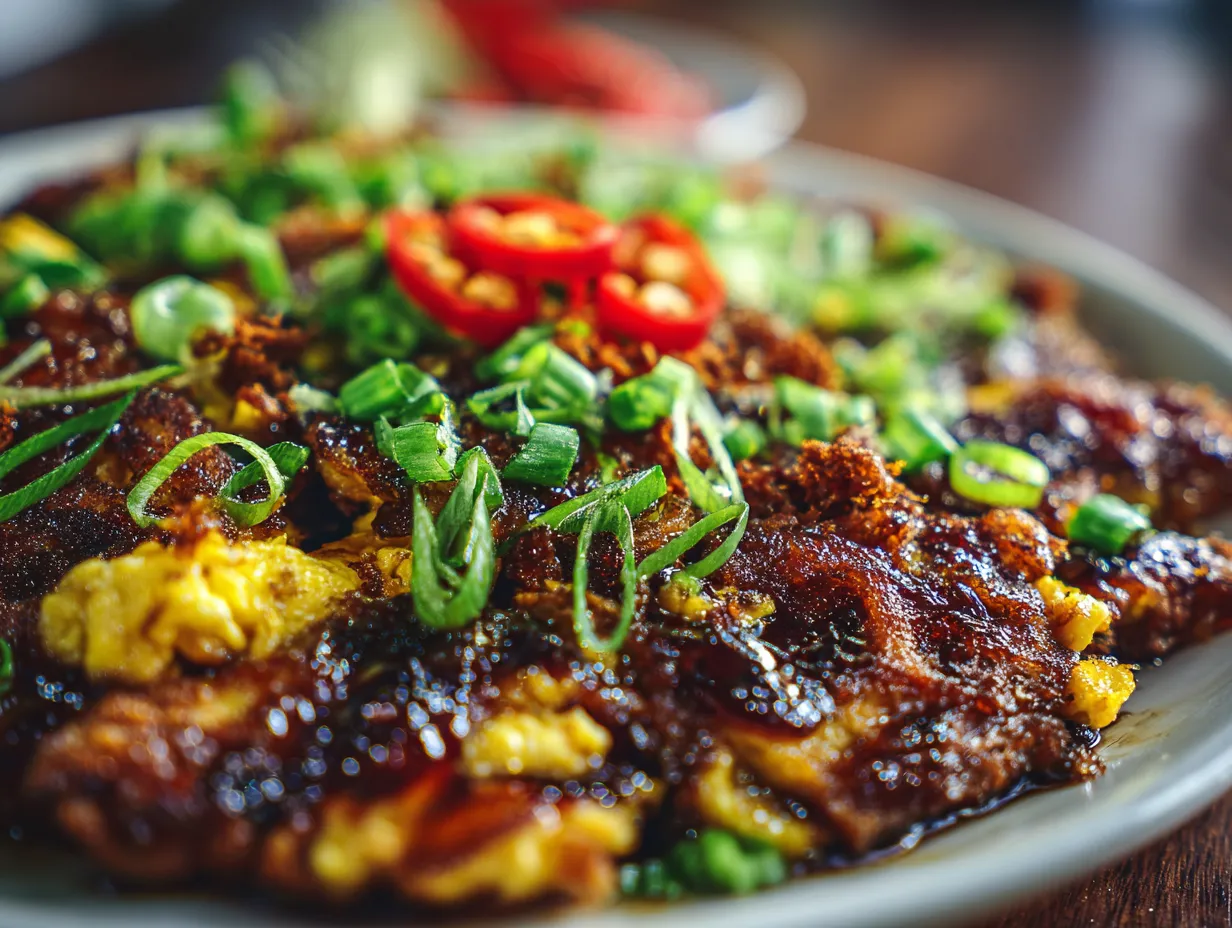
Mutton Biryani (Singapore Indian Style)
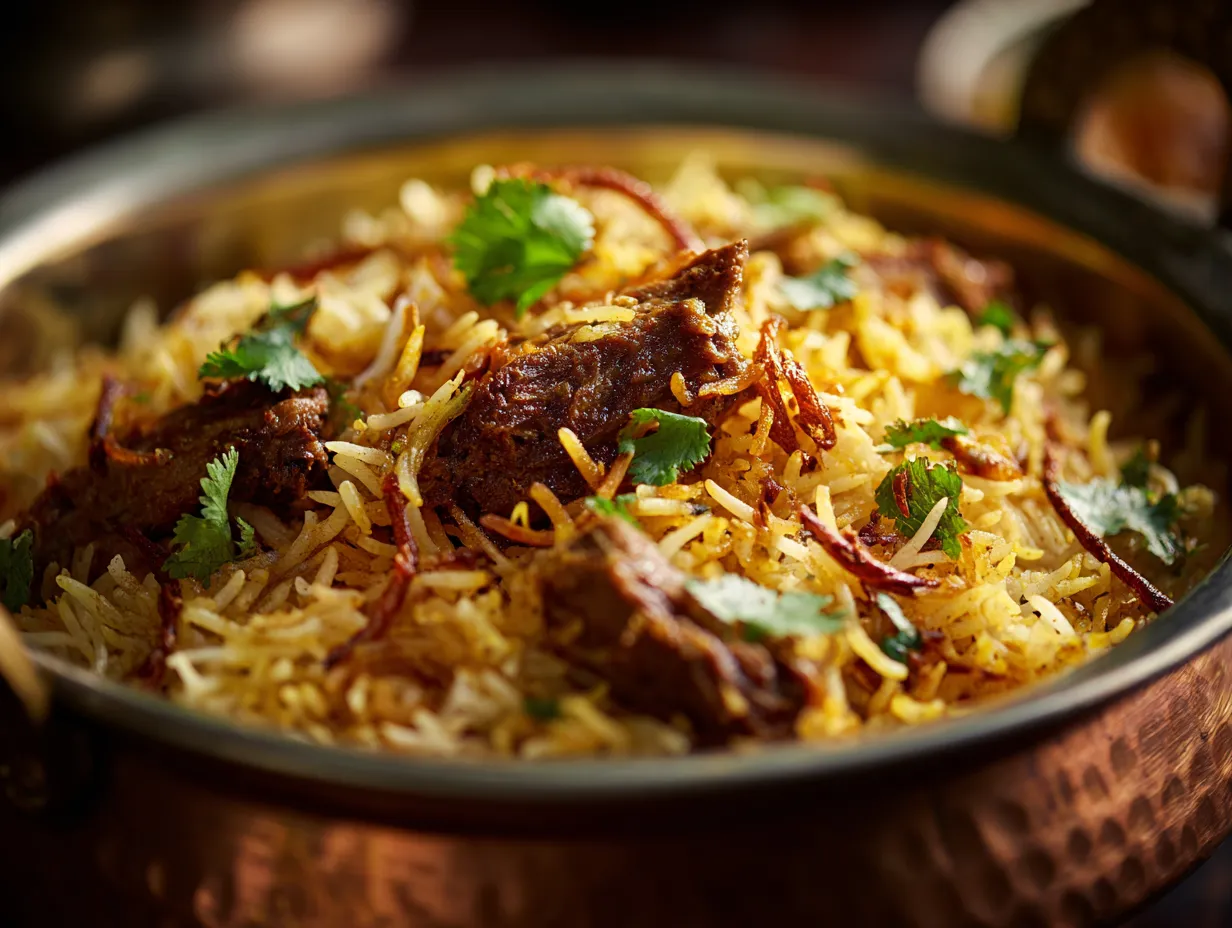
Singapore-style Mutton Biryani: marinated mutton layered with fragrant basmati rice and slow-dum cooked for rich, aromatic flavours.
About this dish
Mutton Biryani (Singapore Indian Style) is the sort of dish that turns a regular makan into a proper celebration—think family dinners in HDB kitchens, festive tables at Deepavali and Hari Raya, or the comforting plates you’ll find near Little India and Tekka Centre. This version uses bone-in mutton slow-simmered in spices and yoghurt, then layered with fragrant basmati, saffron milk and fried onions before being sealed for a gentle dum steam so the flavours marry beautifully.
The flavour profile is warm and complex: toasted whole spices (cinnamon, cardamom, cloves), bright notes from fresh coriander and mint, a tang from yoghurt and lemon, and the indulgent aroma of ghee and browned onions. Texture is equally important—tender, fall-off-the-bone mutton contrasted with separate, fluffy grains of rice. In Singapore homes and kopitiams, biryani is often served family-style with raita, achar and papadum so everyone can customise each mouthful.
This recipe balances traditional biryani technique with practical tips for the typical Singapore kitchen—use of a heavy-bottomed pot or pressure cooker to speed things up, or finishing in a low oven if you prefer. It’s great for weekend cooking when you have time to marinate and slow-cook, but can also be adapted for a make-ahead festive spread or a potluck at the office pantry or neighbourhood block party.
Ingredients
- 800 g bone-in mutton (shoulder or leg), cut into large chunks
- 450 g basmati rice, rinsed until water runs clear and soaked 30 minutes
- 300 g plain yoghurt (preferably full-fat), whisked
- 2 large onions (300 g), thinly sliced
- 4 tbsp ghee or clarified butter
- 3 tbsp vegetable oil
- 2 tbsp ginger-garlic paste
- 4 green chillies, slit lengthwise (adjust to taste)
- 2 tsp Kashmiri chilli powder or paprika (for colour)
- 1½ tsp ground turmeric
- 2 tbsp biryani masala or garam masala
- 2 tsp salt, plus extra to season rice
- 4 whole green cardamom pods
- 4 cloves
- 2 cinnamon sticks (4–5 cm)
- 1 star anise
- 1 bay leaf
- 1 tsp black peppercorns
- 50 g fresh coriander (cilantro), chopped
- 25 g fresh mint leaves, chopped
- Juice of 1 lemon (about 2 tbsp)
- Pinch of saffron threads soaked in 3 tbsp warm milk
- 100 ml warm water or stock (for cooking mutton)
- Optional: 1 medium potato, peeled and halved (traditional in many Singapore home biryanis)
- Optional garnish: fried shallots (birista), extra coriander, fried cashews or raisins, rose water (1 tsp) or kewra water (few drops)
Step-by-Step Method
- Marinate the mutton: in a large bowl combine mutton, yoghurt, ginger-garlic paste, Kashmiri chilli powder, turmeric, biryani/garam masala, lemon juice, salt and half the chopped coriander and mint. Mix well so the marinade coats the meat. Cover and refrigerate for at least 1 hour (overnight for best flavour).
- Prepare fried onions (birista): heat 2 tbsp oil in a frying pan over medium heat, add sliced onions and fry until deep golden-brown and crispy, stirring frequently. Drain on paper towels and set aside. Reserve any onion oil in the pan for seasoning.
- Par-cook the rice: bring a large pot of water to a rolling boil, add a little salt and the whole spices (cardamom, cloves, cinnamon, star anise, bay leaf, peppercorns). Add soaked, drained basmati rice and cook for 5–6 minutes until grains are about 70% cooked — they should still have a slight bite. Drain and set aside.
- Brown and simmer the mutton: heat ghee and 1 tbsp oil in a heavy-bottomed pot or dutch oven over medium-high heat. Add marinated mutton pieces and brown on all sides for 6–8 minutes to develop colour. Add warm water or stock, cover and simmer on medium-low for 25–35 minutes until meat is tender (or pressure-cook for 10–12 minutes on high then release). Adjust seasoning.
- Layer the biryani for dum: when mutton is tender and the gravy is reduced but moist, level the meat in the pot. Sprinkle half the cooked rice over the mutton, scatter half the fried onions, some chopped coriander and mint, and drizzle half the saffron milk. Repeat with remaining rice, onions, herbs and saffron milk. Dot with a little ghee and, if using, a few drops of rose/kewra water.
- Seal and dum-cook: cover the pot with a tight-fitting lid or seal with foil to trap steam. Reduce heat to the lowest setting (very low flame) and cook for 20–30 minutes for dum so flavours marry and rice finishes steaming. If worried about scorching, place the pot on a heat diffuser or an inverted tawa.
- Rest and fluff: remove from heat and let the biryani rest, sealed, for 10 minutes. Open carefully, then use a fork to gently fluff and mix some layers so meat and rice are distributed without breaking grains.
- Serve: scoop generous portions onto plates or banana leaf for a local touch. Serve hot with cucumber-mint raita, achar/pickles, papadum and wedges of lemon. Leftovers taste great reheated with a splash of water and a brief steam.
- Timing notes: if short on time, brown the mutton and finish under pressure-cooker mode then layer and short-dum for 10–15 minutes. For oven finishing, preheat to 150°C and bake sealed for 20–25 minutes instead of stovetop dum.
Tips & Serving Ideas
- Buy good-quality basmati rice from NTUC FairPrice, Cold Storage or local spice shops in Little India for the best fragrance and separate grains.
- Marinate overnight if you can — the yoghurt and spices tenderise the mutton and deepen flavour, which is worth the wait for a weekend or festive meal.
- To avoid burning during dum, use a heat diffuser or place the sealed pot on a tawa; alternatively finish in a preheated oven at 150°C for 20–25 minutes.
- Adjust chilli heat to household taste: replace fresh green chillies with bird’s eye chillies (chilli padi) for a sharper punch, or omit for milder family-friendly biryani.
- Make birista (fried onions) in advance and store in an airtight container — they add essential crunch and sweetness when assembling the biryani.
- For faster cook time, brown the mutton then pressure-cook until tender before layering; reduce dum time accordingly.
- Leftovers reheat well: sprinkle a few tablespoons of water or stock, cover and microwave or steam briefly to revive moisture instead of drying out the rice.
- If bone-in mutton is hard to find, use lamb shanks or mutton chops; reduce cooking time slightly for smaller pieces.
You might also like
More recipes to save for later.