Sibu Kampua Mee
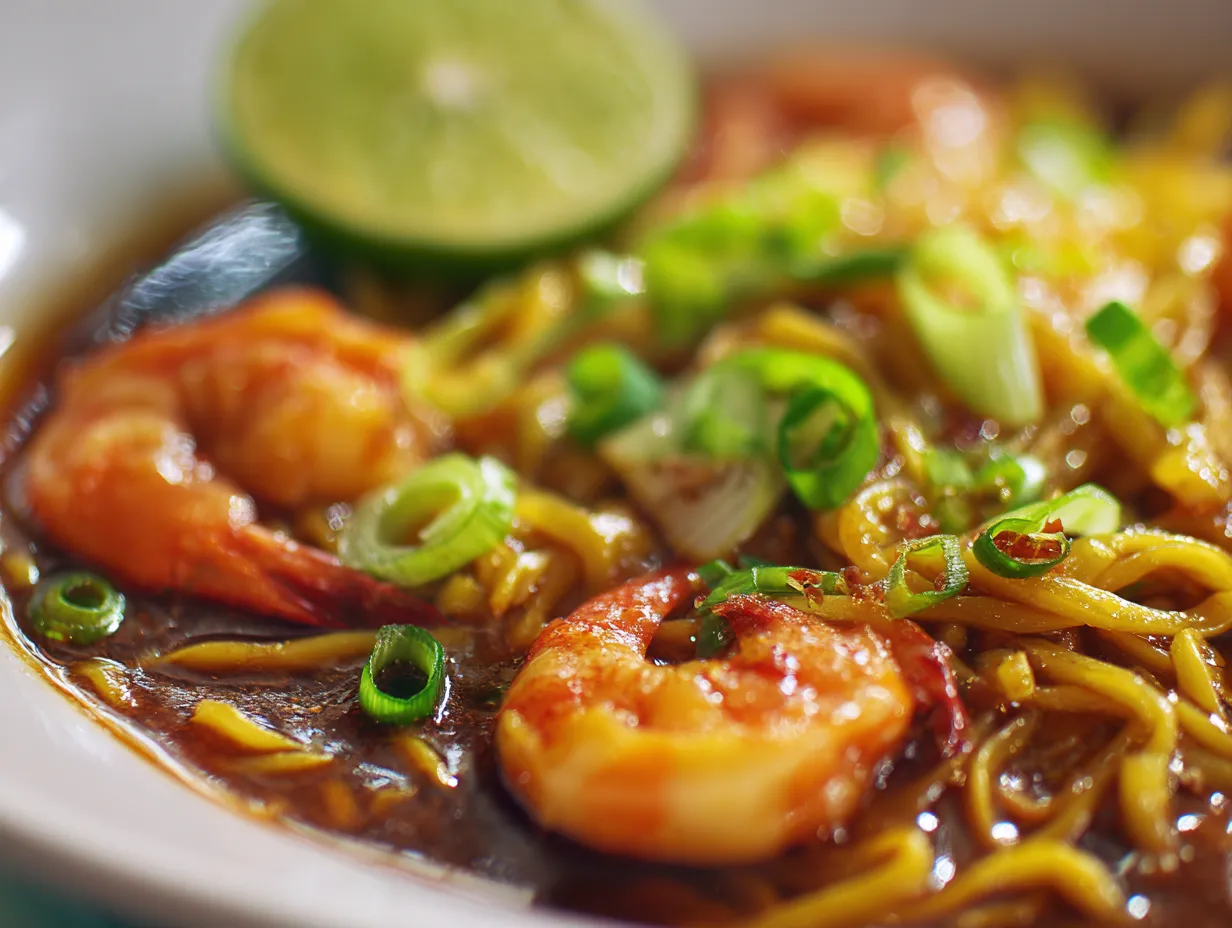
Singapore-style Sibu Kampua Mee — wok-tossed egg noodles with rendered pork lard, shallot oil and slices of char siu for a simple, comforting hawker-style meal.

About this dish
Kampua Mee is a Sibu (Sarawak) noodle classic that has travelled well to Singapore plates — simple, savoury and satisfying. Unlike heavier saucy noodles, Sibu Kampua Mee is all about glossy, lightly seasoned strands tossed in rendered pork fat and fragrant shallot oil, finished with light soy and a drop of sesame oil. In Singapore it slots neatly into kopitiam breakfasts, zi char counters doing homely bites, or late-night supper runs in heartland hawker centres.
At home, this dish is a favourite for busy weeknights and small family meals: it comes together quickly and delivers big on comfort. Expect springy egg noodles with a sheen of lard, crunchy fried shallot bits, a hint of white pepper and the sweet-savoury chew of sliced char siu (optional but traditional in many stalls). It’s the kind of dish that reminds many of neighbourhood hawker stalls or a Tiong Bahru kopitiam where the crowd orders fast and eats faster.
Texture and flavour are simple but layered — the chew of the noodles, the rich mouthfeel from rendered pork fat, and the light saltiness from light soy. For Singapore palates you can add chilli padi or a spoonful of sambal for heat, or pair it with achar for a vinegary counterpoint. Kampua Mee is equally at home as a solo supper, a comforting family dinner, or a nostalgic plate to bring to a potluck when you want something familiar and unpretentious.
Ingredients
- 400 g fresh egg noodles (or springy yellow noodles)
- 200 g pork belly, thinly sliced or finely chopped
- 100 g char siu (Chinese BBQ pork), sliced thinly (optional but traditional)
- 3 tbsp rendered pork lard or neutral oil (substitute vegetable oil for non-pork)
- 3 tbsp shallot oil (made from frying thinly sliced shallots in oil)
- 4–6 shallots, thinly sliced
- 3 cloves garlic, minced
- 2 tbsp light soy sauce
- 1 tsp sesame oil
- 1/2 tsp white pepper (freshly ground)
- 1 tsp sugar
- 1 tsp salt (adjust to taste)
- 2 spring onions, finely sliced (green parts for garnish)
- 2 tbsp fried shallots (for garnish)
- 2–4 bird's eye chillies, sliced (optional, for heat)
- 1–2 tbsp water or noodle cooking liquid (to loosen the sauce if needed)
Step-by-Step Method
- Prep: Thinly slice pork belly and char siu; slice shallots and spring onions; mince garlic. If using dried noodles, soak per packet instructions. Bring a large pot of water to boil.
- Make shallot oil: Heat 2–3 tbsp of lard or neutral oil in a small pan over medium heat. Fry thinly sliced shallots until golden and crispy, remove and drain on paper towel. Reserve the flavoured oil for tossing.
- Render pork: In a wok over medium-high heat, add the pork belly and render until lightly browned and some fat is released, about 4–6 minutes. Remove pork pieces and set aside, leaving rendered fat in the wok.
- Blanch noodles: Add fresh egg noodles to boiling water for 30–60 seconds until just al dente. For dried noodles follow timing on packet. Drain and toss briefly with a splash of oil to stop sticking.
- Toss noodles: Return wok to high heat, add 1–2 tbsp of the reserved shallot oil plus 1 tbsp rendered fat. Add drained noodles and toss quickly for 30–60 seconds to heat through. Keep heat high for a touch of wok hei but avoid burning.
- Season: Add light soy sauce, sesame oil, white pepper, sugar and a splash (1–2 tbsp) of noodle cooking liquid or water. Toss evenly so noodles are lightly coated and glossy. Taste and adjust with more light soy or salt like a zi char stall would.
- Finish with proteins: Add rendered pork pieces and sliced char siu to the wok. Toss for another 20–30 seconds until everything is hot and well distributed.
- Serve: Plate noodles in bowls, top with fried shallots, sliced spring onions and optional sliced bird's eye chillies or a spoonful of sambal. Serve immediately with pickled achar or a side of vegetables for contrast.
Tips & Serving Ideas
- If you can’t find rendered pork lard, use a high-smoke-point oil and add a teaspoon of sesame oil for flavour; NTUC and Cold Storage often carry lard and char siu in the chilled section.
- Make shallot oil ahead: fry a big batch of sliced shallots and keep the oil in the fridge — it keeps well and instantly lifts the noodles.
- For authentic texture, use fresh springy egg noodles; if using dried noodles, don’t overcook — blanch until just tender and shock briefly in cold water if you need to hold them.
- To get a bit of wok hei, make sure your wok is very hot and toss quickly in short bursts; preheat the wok and work fast so you don’t burn the soy.
- Adjust salt and light soy gradually — Kampua is meant to be lightly seasoned. Add sambal or sliced chillies at the table for those who like heat.
- Leftovers reheat well in a hot pan with a splash of water or oil; avoid microwaving which can make noodles limp — a quick stir-fry revives texture.
- For a halal or non-pork version, substitute rendered pork fat with mushroom oil or chicken fat and use sliced chicken char siu or roasted mushroom for umami.
You might also like
More recipes to save for later.