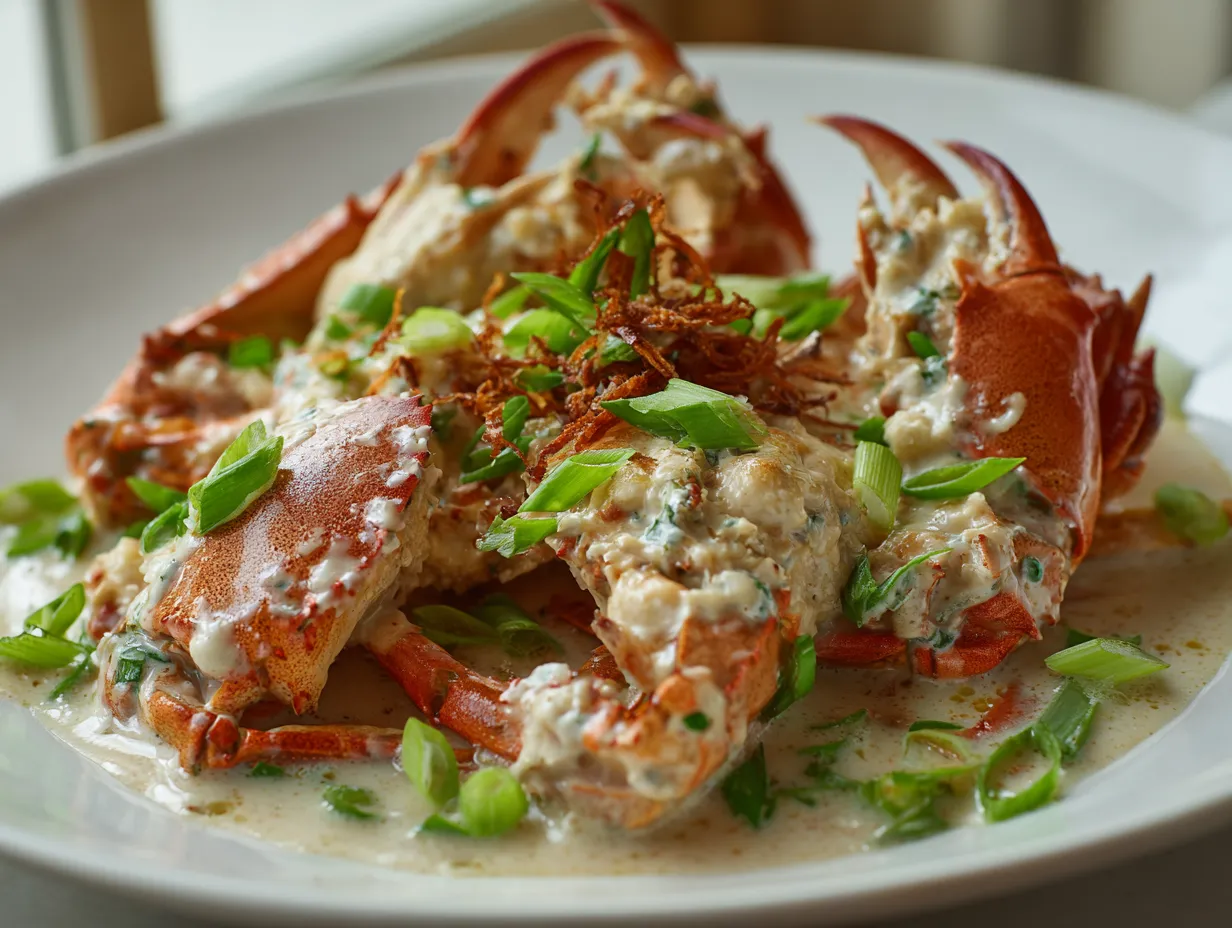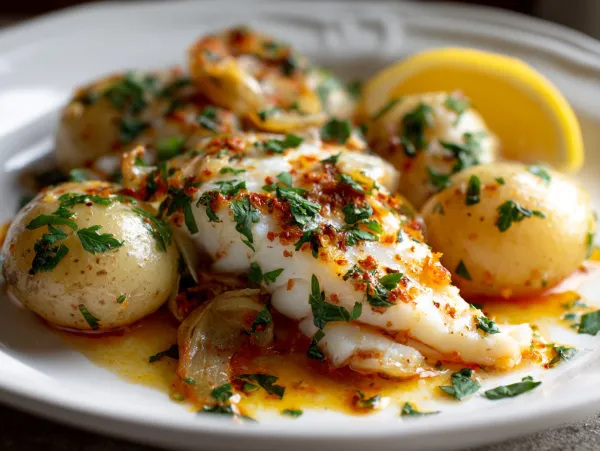
Steamed Gong Gong (Sea Snails)
Singapore-style steamed gong gong (sea snails) — simple, aromatic steamed seafood served with tangy chilli‑lime and sambal dips, perfect for a zi char or family makan.

About this dish
Gong gong (sea snails) are a nostalgic hawker‑style seafood eaten across Singapore — from East Coast weekend feasts to heartland zi char nights. Steaming keeps the snail meat tender and clean-tasting, while a bright chilli‑lime dip or a bold sambal belacan brings the local flavours you expect at a kopitiam or seafood stall. This recipe is written for a typical Singapore home kitchen: a wok with a steamer rack, a rice cooker on standby and simple pantry sauces.
This dish suits convivial, family‑style dining — think platters passed around at a Chinese New Year reunion, a casual potluck, or a late supper after a long day in the CBD. The texture is firm and slightly chewy, with saline ocean sweetness; aromatics such as ginger and a splash of rice wine help lift any briny notes. For a local twist, serve with sambal belacan or a bird's eye chilli-lime dip — both bring the sharp, spicy, tangy contrast Singaporeans love with seafood.
Practical and flexible, the recipe includes cleaning and purging tips (important for wet‑market shellfish), steaming timing cues, and two dipping sauce options so you can dial the heat Singapore‑style — from gentle kopi‑shop friendly to proper chilli‑padi fire. Whether you buy fresh from the neighbourhood wet market or pick up frozen gong gong from Cold Storage or NTUC, this method will give you a hawker‑style result at home.
Ingredients
- 1.2 kg fresh gong gong (sea snails), scrubbed
- 2 tbsp coarse salt (for purging)
- 1.5 litres cold water (for soaking)
- 4 slices fresh ginger (about 20 g), julienned
- 3 cloves garlic, lightly crushed
- 2 stalks spring onion, white parts tied into a knot (for aroma)
- 2 tbsp Shaoxing wine or dry rice wine (optional)
- 1 tsp light soy sauce
- 1 tsp sesame oil
- 1–2 kaffir lime leaves or 1 pandan leaf (optional, for fragrance)
- 2 limes (or 3 calamansi), juiced for dipping sauce
- 4–6 bird's eye chillies (chilli padi), finely chopped, adjust to taste
- 2 tbsp sugar (or palm sugar) for balance
- 1 tbsp fish sauce or light soy (for dipping sauce)
- Sambal belacan, to serve (store-bought or homemade), optional
- Fresh coriander or extra spring onions, chopped, for garnish
Step-by-Step Method
- Purge the gong gong: place cleaned sea snails in a large bowl and cover with cold water. Add 2 tbsp coarse salt and soak for 20–30 minutes to purge sand. You may change the water once if it becomes very sandy.
- Rinse and scrub: lift the gong gong out (don’t pour away the water) and give each shell a quick scrub under running water to remove remaining grit. Drain well.
- Prepare the steamer: set up a wok or large pot with a steaming rack and 500–700 ml water. Add ginger slices, crushed garlic and tied spring onion whites to the water and bring to a rolling simmer over medium‑high heat.
- Aromatic steam (optional): add Shaoxing wine and kaffir lime/pandan to the steaming water for extra fragrance, like a zi char stall would do.
- Steam the gong gong: arrange gong gong in a single layer on a heatproof plate or bamboo steamer. Place the plate on the rack, cover tightly and steam over high heat for 6–9 minutes (depending on size) until most shells start to open. Avoid overcooking — the meat should be firm, not rubbery.
- Make the chilli‑lime dipping sauce: while steaming, mix lime juice, chopped bird's eye chillies, sugar, and fish sauce/light soy. Taste and balance acidity, salt and sweetness Singapore‑style — bold and bright.
- Prepare sambal belacan (optional): if using, warm a spoonful of sambal belacan in a small bowl with a squeeze of lime for a richer dip.
- Serve immediately: transfer steamed gong gong to a serving platter, drizzle a little sesame oil and light soy if desired, and sprinkle chopped spring onions and coriander. Serve hot with chilli‑lime dip and sambal on the side.
- How to eat: use a toothpick or small seafood fork to pull the snail meat out of the shell. For stubborn ones, twist gently at the shell opening. Discard any tightly closed shells after cooking.
- Leftovers and reheating: gently reheat in a steamer for 2–3 minutes; avoid microwave as it toughens the meat. Use leftover meat in a spicy fried rice or seafood laksa the next day.
Tips & Serving Ideas
- Buy fresh from your neighbourhood wet market (Tekka, Geylang or East Coast stalls) or frozen from NTUC/Cold Storage; fresh is best but frozen works if fully thawed and well‑rinsed.
- Purging is essential — soak in salted water for at least 20 minutes so gong gong expel sand. Change water if it gets gritty.
- Use high heat for steaming to produce quick, even cooking and avoid overcooking. Steam times vary by size; stop once shells open.
- Adjust chilli‑padi quantity for local heat tolerance — halve the chillies for kopi‑shop friendly spice, or add extra for proper hawker‑style kick.
- If you lack a steamer, improvise with a wok and a metal rack or an upturned heatproof bowl; keep steady simmering water and a tight lid.
- Leftovers are great in fried rice or laksa — remove meat from shells and toss in for the next day’s lunchbox.
- For extra fragrance, add a splash of Shaoxing wine or a few kaffir lime leaves to the steaming liquid, a common trick at zi char stalls.
You might also like
More recipes to save for later.