Dry Braised Crab Bee Hoon
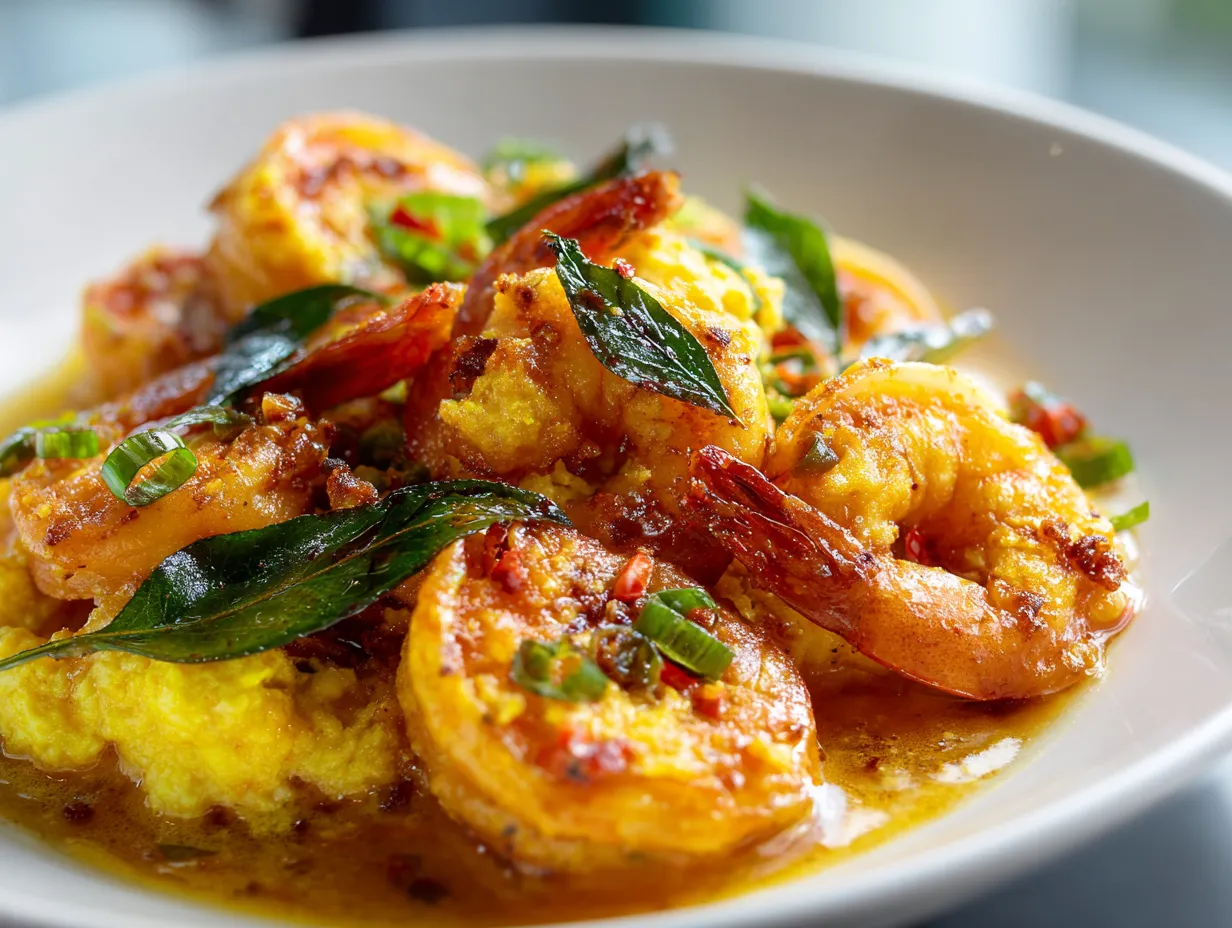
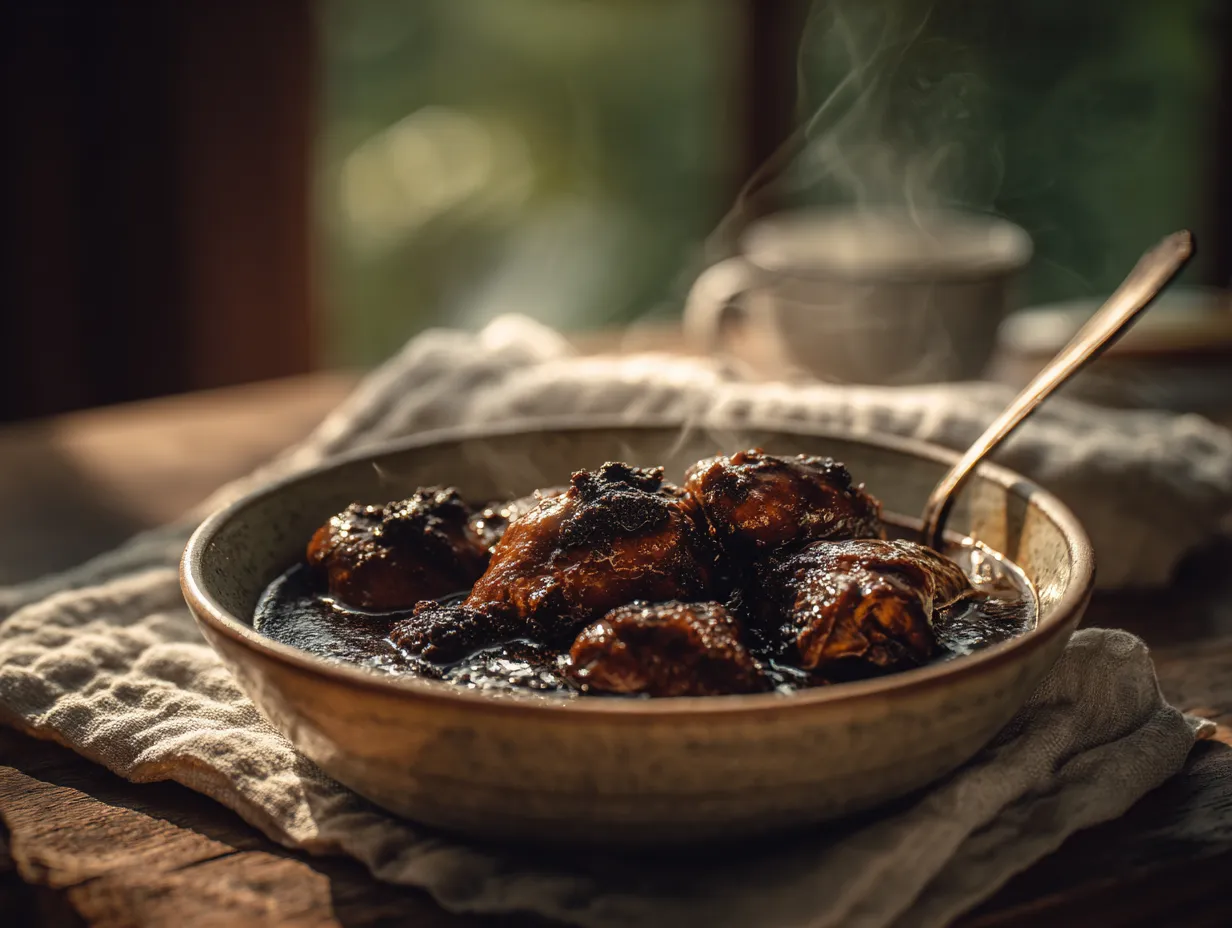
A Singapore-style dry braised crab bee hoon: wok-braised mud crab with glossy, savoury rice vermicelli in a smoky, umami-rich sauce — perfect for zi char nights and family makan.

About this dish
This Dry Braised Crab Bee Hoon is inspired by the noisy, fragrant zi char stalls of Singapore — the kind that fill a HDB void deck or a bustling East Coast seafood restaurant with steam and the clack of woks. It’s a dish built for sharing: whole crab pieces quickly tossed in a caramelised, umami-spiked sauce and finished with rice vermicelli that soaks up every drop. At home it’s a weekend treat or a celebratory dinner when you want something more special than regular noodles.
The flavour profile balances sweet, savoury and mildly spicy notes: light and dark soy for colour and depth, a splash of Shaoxing wine for fragrance, a touch of sugar to balance acidity, and chilli padi or sambal on the side for heat. The bee hoon becomes glossy and slightly chewy as it braises with the crab juices — a textural contrast to the tender crab meat and crisp shell edges. For local authenticity, serve it family-style like a hawker centre plate, with lime or calamansi and achar on the side.
Whether you’re cooking for a small family, bringing a potluck dish to a kopi-lah kopi session, or recreating that zi char vibe in a Tiong Bahru flat, this recipe walks you through achieving wok hei, the right sauce consistency, and smart shortcuts using local supermarket finds from NTUC or Sheng Siong. Leftovers also reheat well for next-day lunchboxes — just add a splash of water and reheat quickly in a hot wok to revive the textures.
Ingredients
- 1.2 kg fresh mud crab (or Sri Lankan crab), cleaned and quartered
- 200 g dried rice vermicelli (bee hoon), soaked in warm water 10–15 minutes and drained
- 4 tbsp vegetable oil (for frying and braising)
- 6 cloves garlic, thinly sliced
- 3 shallots, thinly sliced
- 1 thumb (20 g) ginger, julienned
- 3–4 stalks spring onion, white and green separated, sliced on bias
- 4–6 bird's eye chillies (chilli padi), bruised, plus extra sliced for garnish (optional)
- 2 tbsp light soy sauce
- 1 tbsp dark soy sauce (for colour)
- 1 tbsp oyster sauce
- 2 tsp fish sauce (or to taste)
- 1 tbsp Shaoxing wine or dry sherry
- 1 tsp sugar
- 200–250 ml hot shellfish or chicken stock
- 1 tsp white pepper
- 1 tbsp cornflour mixed with 2 tbsp water (slurry)
- 1 large egg, lightly beaten (optional, for glossy coating)
- 1 tsp sesame oil
- Fried shallots (for garnish), lime or calamansi wedges, and fresh coriander (optional)
- Optional: 1 tbsp sambal belacan or store-bought sambal on the side for heat
Step-by-Step Method
- Prepare the crab: pat dry the crab pieces and crack the claws slightly so flavour penetrates; season lightly with a pinch of salt and set aside.
- Soak and drain the bee hoon: place the dried rice vermicelli in a bowl of warm water for 10–15 minutes until pliable, drain well and set aside so it doesn’t clump.
- Make the flavour base: heat 2 tbsp oil in a large wok over medium heat. Add sliced garlic, shallots and ginger and fry until fragrant and lightly golden, about 1–2 minutes. Add bruised chilli padi and white parts of spring onion and stir.
- Sear the crab: increase heat to high, push aromatics to the side and add remaining 2 tbsp oil. Add crab pieces in a single layer and sear for 2 minutes on each side until shells turn bright orange — this locks in juices and adds colour.
- Build the sauce: pour in Shaoxing wine to deglaze, then add light soy, dark soy, oyster sauce, fish sauce, sugar and hot stock. Stir to combine, bring to a simmer and cover. Reduce heat to medium and braise for 5–8 minutes until crab is cooked through.
- Add the bee hoon: gently spread the drained bee hoon over the crab so it can absorb the braising liquid. Increase heat to medium-high and toss carefully with tongs or two spatulas to mix. Cook for 3–5 minutes until most liquid is absorbed and noodles are glossy.
- Finish and thicken: stir in the cornflour slurry a little at a time to thicken the sauce to a glossy coating. If using, drizzle the beaten egg over the noodles while stirring quickly to create an eggy sheen. Finish with sesame oil and white pepper, then add green parts of spring onion.
- Taste and adjust: sample the bee hoon like at a zi char stall — add more light soy or a pinch of sugar if needed, and extra chilli or sambal for heat.
- Serve immediately: transfer to a large serving plate, garnish with fried shallots, sliced chillies, coriander and lime wedges. Best enjoyed family-style with chopsticks and lots of napkins.
Tips & Serving Ideas
- Buy fresh crab from your local wet market or NTUC; if live crab isn't available, frozen crab portions from Cold Storage work fine — thaw fully and pat dry.
- To get wok hei, make sure your wok is very hot and work in bursts: sear crab first, then braise, and increase heat again when tossing in the bee hoon.
- If you prefer less spice, remove the seeds from chilli padi or serve sambal on the side so each diner can adjust heat.
- Soak bee hoon until just pliable — over-soaking makes it mushy while under-soaking leads to brittle strands. Drain thoroughly before adding to the wok.
- Leftovers reheat well: splash a little water or stock into a hot wok and toss quickly to loosen noodles and revive sauce; avoid microwaving which can make bee hoon clump.
- Short on crab? Substitute with large prawns or a mix of prawns and squid for a similar seafood flavour and quicker cooking time.
- If you can't find Shaoxing wine, use a splash of dry sherry or omit and add an extra teaspoon of sugar for balance.
You might also like
More recipes to save for later.