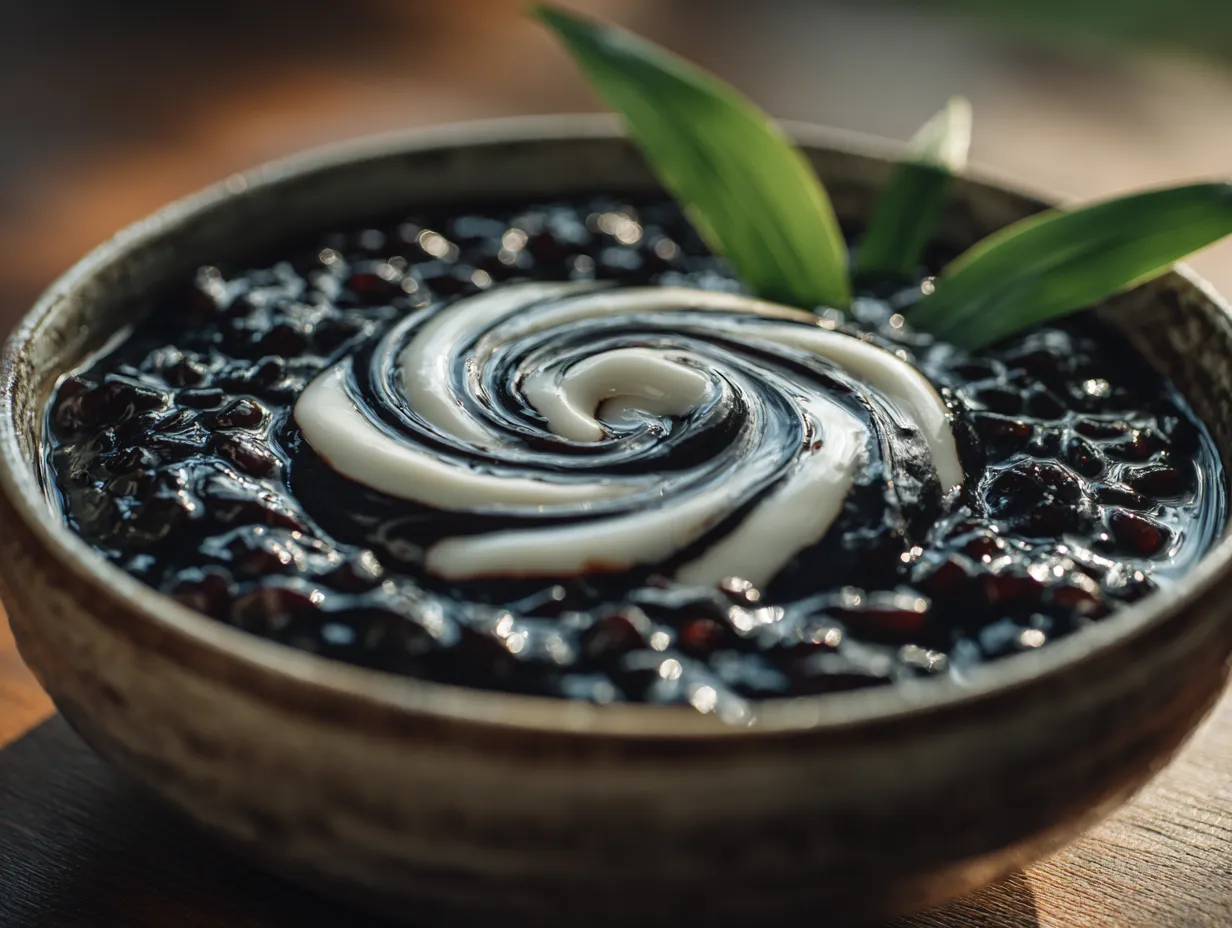
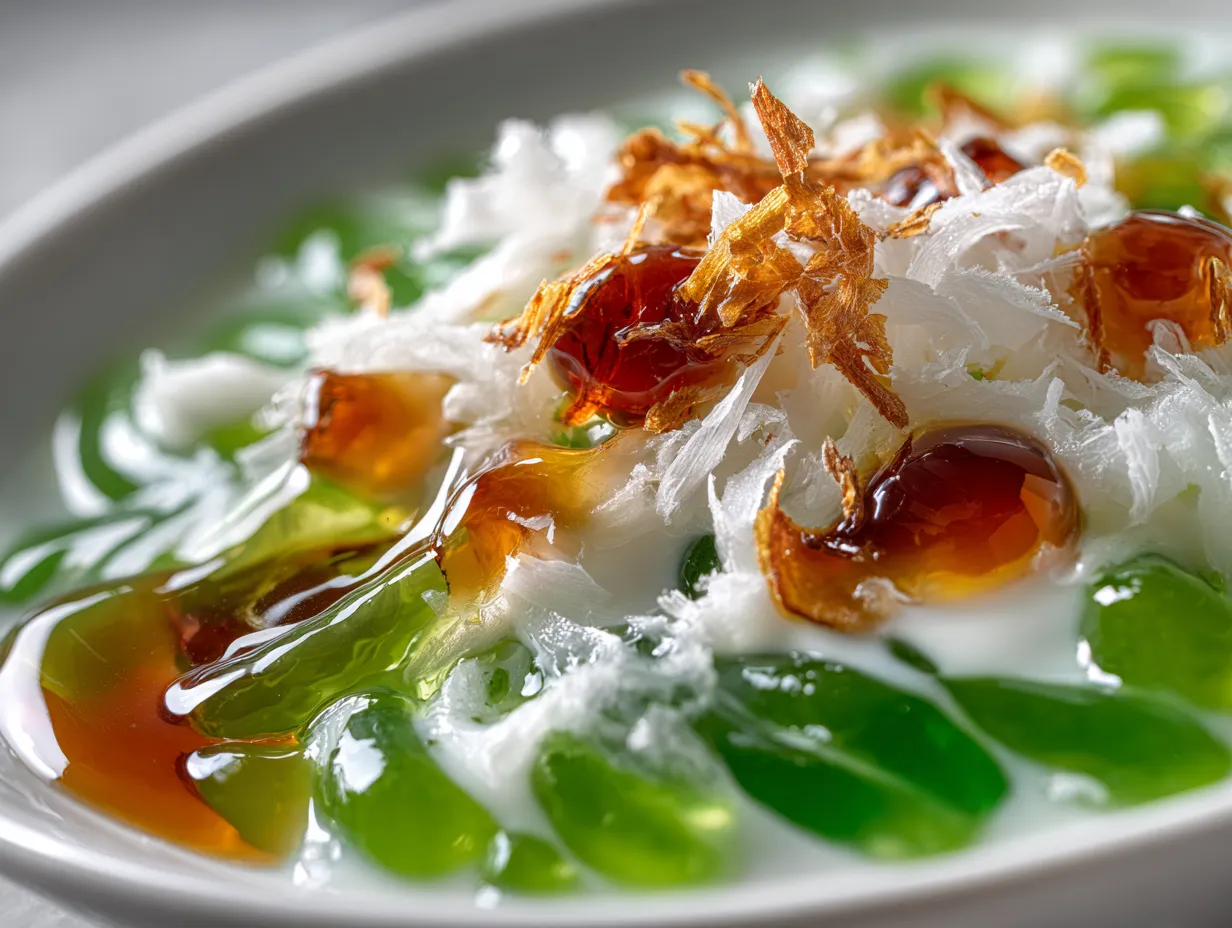
Traditional Chendol with Gula Melaka
A Singapore-style, hawker-centre favourite — refreshing pandan-flavoured chendol jelly served with creamy coconut milk and sticky gula melaka syrup over shaved ice.
About this dish
Chendol is a beloved Singapore dessert that feels like a taste of the heartland — the kind hawker stalls sell for supper runs or cooling treats after a humid walk around East Coast or Tiong Bahru. This Traditional Chendol with Gula Melaka recipe recreates that kopitiam and hawker-centre nostalgia at home, with fresh pandan, silky chendol strands, creamy coconut milk and a rich gula melaka (palm sugar) drizzle.
The flavour profile is a balance of fragrant pandan, nutty coconut, and deep caramel from gula melaka; texturally you get soft, slippery green jellies, crunchy shaved ice and the occasional creamy bite if you add red beans or sweet corn — exactly the contrast Singaporeans love in hawker desserts. It’s excellent for family-style sharing, summer potlucks, Hari Raya or a cooling supper after a night at the kopitiam.
This recipe covers both the classic method of cooking and extruding chendol strands (you can use a chendol press, potato ricer or a large-holed sieve) and how to make a glossy gula melaka syrup like the zi char stalls do. Useful local notes — pandan leaves and gula melaka are commonly found at NTUC FairPrice, Sheng Siong or wet markets, and pandan paste is a handy shortcut if you’re short on time. Serve immediately for best texture and that true hawker-centre freshness.
Ingredients
- 200 g rice flour (for traditional chewier chendol)
- 40 g tapioca starch (for elasticity)
- 1/4 tsp fine salt
- 450 ml water, divided (about 300 ml for batter, 150 ml for boiling syrup and rinsing)
- 2–3 pandan leaves, knotted (or 1 tsp pandan paste for convenience)
- 5–7 drops pandan extract or 1 tsp pandan paste (optional, for colour and aroma)
- 500 g shaved or crushed ice (or ice cubes blitzed in blender)
- 400 ml coconut milk (full-fat for creaminess)
- 1–2 tbsp condensed milk or 1 tsp sugar (optional, to sweeten coconut milk)
- 200 g gula melaka (palm sugar), chopped into chunks
- 150 ml water (for gula melaka syrup)
- Pinch of sea salt (for coconut milk balance)
- 150 g cooked red beans (optional, pre-cooked or canned, drained)
- 100 g sweet corn kernels (optional, canned or fresh)
- Cooking oil for greasing the press (neutral oil), a few drops
Step-by-Step Method
- Prepare pandan juice: blend the knotted pandan leaves with 100 ml water until smooth, then strain through a fine sieve or muslin to yield about 60–80 ml pandan juice; set aside. Alternatively use pandan paste diluted in water (about 1 tsp paste + 60 ml water).
- Make the chendol batter: in a bowl, whisk rice flour, tapioca starch and 1/4 tsp salt. Add the pandan juice and 200 ml water gradually, stirring until smooth and lump-free. The batter should be pourable but slightly thick — like heavy cream.
- Cook the batter into a dough: transfer the batter to a small saucepan over medium heat. Stir constantly with a wooden spoon for 5–8 minutes until it thickens, becomes translucent and pulls into a soft, glossy dough (similar to mochi stage). Reduce heat if it starts to burn.
- Prepare an ice bath: fill a large bowl with cold water and plenty of ice. Lightly grease the inside of a chendol press, potato ricer or a large-holed sieve with neutral oil to prevent sticking.
- Extrude chendol strands: while the dough is hot, spoon portions into the chendol press or ricer and press directly into the ice bath. The strands will set instantly. Continue until all dough is used, then chill briefly in the fridge for 10–15 minutes to firm up.
- Make gula melaka syrup: place chopped gula melaka and 150 ml water in a small saucepan with a knotted pandan leaf. Simmer over low–medium heat, stirring gently until the sugar melts and impurities are skimmed away. Reduce for 5–10 minutes until syrupy and glossy, then remove pandan and cool. Taste and add a pinch of salt if needed.
- Prepare coconut milk: warm the coconut milk gently in a small pot with a pinch of sea salt and a knotted pandan leaf for aroma; do not boil — heat just below simmer. Sweeten lightly with condensed milk or sugar if you prefer a sweeter coconut sauce.
- Assemble and serve: in a tall bowl or glass, add a generous scoop of shaved ice, a handful of chilled chendol strands, spoon over cooked red beans and sweet corn if using, pour over the coconut milk, then finish with a generous drizzle of gula melaka syrup. Serve immediately with a spoon and straw.
- Storage and reheating: keep leftover gula melaka syrup refrigerated in an airtight jar for up to 2 weeks; coconut milk is best used within 2 days. Chendol strands can be kept submerged in cold water in the fridge for up to 24 hours but lose some texture, so best eaten fresh.
Tips & Serving Ideas
- If you can't find fresh pandan leaves, use pandan paste or a few drops of pandan extract — adjust to taste and colour carefully.
- No chendol press? Use a potato ricer or a large-holed sieve — grease lightly with neutral oil to prevent sticking and press straight into an ice bath.
- Gula melaka varies in saltiness and moisture; taste the syrup as it cooks and adjust with a little water or a pinch of salt. For a quicker substitute, mix 120 g dark muscovado or brown sugar with 30 g palm sugar.
- Buy gula melaka blocks and pandan leaves at NTUC FairPrice, Sheng Siong, Cold Storage or local wet markets for the best hawker-style flavour.
- For authentic texture, cook the batter until glossy and slightly translucent — undercooked batter will be chalky; overcooked becomes too stiff to extrude.
- Keep chendol strands chilled in iced water until assembly to maintain springy texture. Serve immediately with ice for the best contrast.
- Adjust sweetness for local taste: Singaporeans often like a bold gula melaka flavour; reduce syrup if serving kids or those who prefer milder sweetness.
You might also like
More recipes to save for later.