Char Kway Teow (Wok Hei at Home)
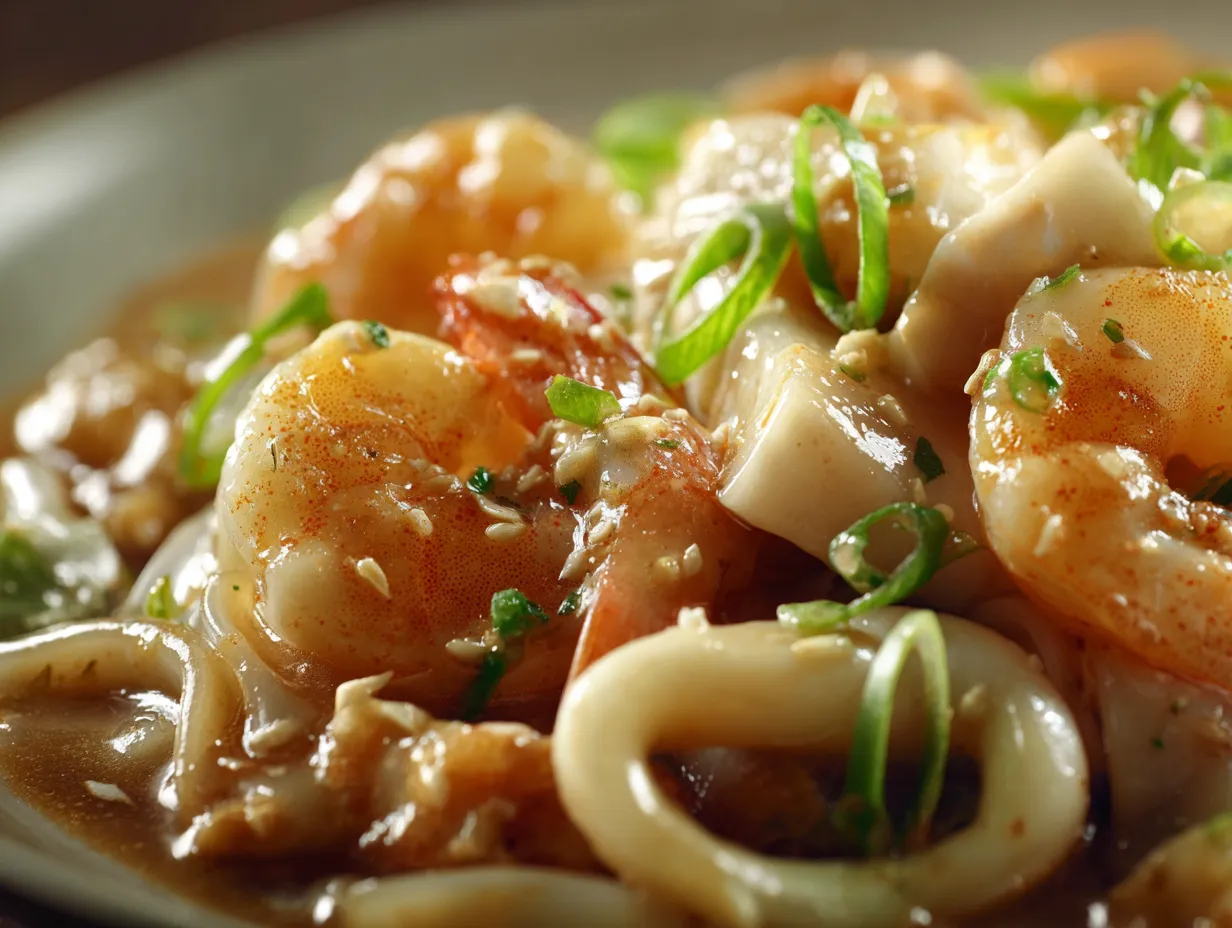
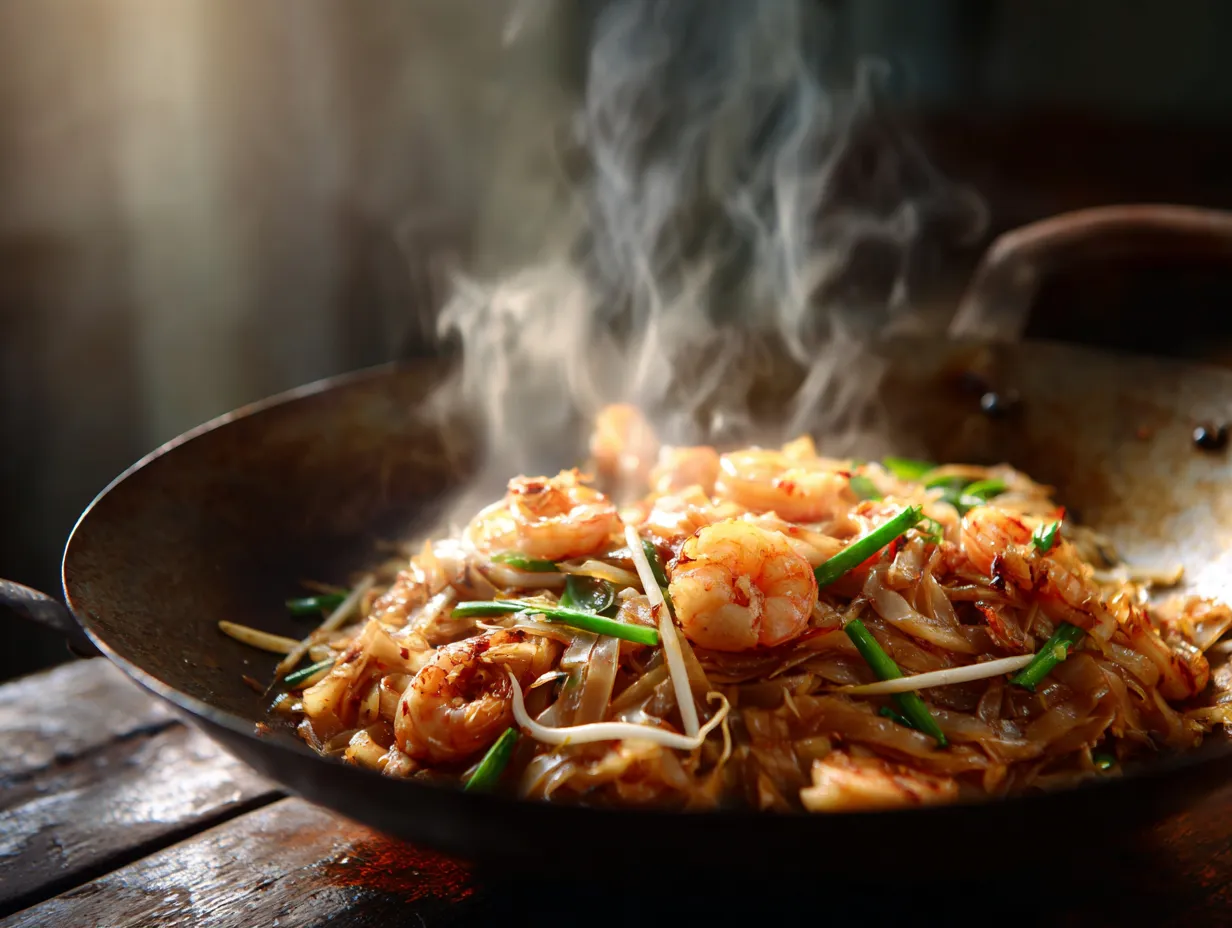
Singapore-style wok-fried Char Kway Teow with prawns, cockles and smoky wok hei — a hawker-centre favourite you can recreate at home.
About this dish
Char Kway Teow is one of those iconic hawker dishes that defines late-night supper runs and heartland kopi-shop breakfasts across Singapore — from the stretch of stalls at East Coast Road to the cosy kopitiams in Tiong Bahru. This recipe focuses on recreating that beloved wok hei (breath of the wok) at home using everyday Singapore kitchen equipment and pantry sauces found at NTUC, Cold Storage or Sheng Siong.
The dish balances slippery flat rice noodles (kway teow) with sweet-dark soy, light soy, a hit of fish sauce and a lick of sambal for heat. Expect contrasting textures: slightly charred edges of noodles, juicy prawns and briny cockles, bean sprouts that still snap, and soft scrambled egg pockets that coat everything. It’s perfect for a weekend family makan, a quick weeknight dinner, or a crowd-pleasing potluck for friends who miss hawker flavours.
I’ve included local tips — when to add lard or swap for neutral oil, how to buy and prep cockles from the wet market or supermarket, and how to dial up the wok hei even on a gas hob at home. Serve it with a wedge of lime, extra sambal on the side, and a cold glass of barley or kopi for the full Singaporean experience.
Ingredients
- 400 g fresh flat rice noodles (kway teow) — gently loosened if refrigerated
- 200 g raw prawns, shelled and deveined (tails on optional)
- 150 g canned or fresh cockles, rinsed (or substitute mussels)
- 3 tbsp pork lard or 2 tbsp neutral oil (vegetarian: replace with vegetable oil)
- 2 large eggs, beaten
- 2 tbsp light soy sauce
- 1 tbsp dark soy sauce (or kecap manis for sweeter finish)
- 1 tsp fish sauce
- 1–2 tbsp sambal oelek or chilli paste (adjust to taste)
- 1 tsp sugar
- 120 g bean sprouts, trimmed
- 50 g Chinese chives (leek chives), cut into 4 cm lengths
- 2 cloves garlic, finely chopped
- 1 Chinese sausage (lap cheong), thinly sliced (optional)
- 2 tbsp vegetable oil for high-heat frying
- Freshly ground white pepper, to taste
- Lime wedges and extra sambal, to serve
Step-by-Step Method
- Prep everything before you heat the wok: separate and loosen the flat rice noodles with your hands if they're clumped; pat prawns dry; rinse and drain cockles; chop garlic, chives and slice lap cheong. Have sauces measured into a small bowl (light soy, dark soy, fish sauce, sugar, sambal).
- Heat a large wok over high heat until very hot — you should see faint wisps of smoke. Add pork lard or oil and swirl to coat. This is crucial for wok hei; keep the heat high throughout cooking.
- Add garlic and sliced lap cheong (if using) and stir-fry for 10–15 seconds until aromatic and slightly caramelised but not burnt.
- Add prawns and toss for 30–45 seconds until they start to turn pink. Push everything to the side of the wok to create space for the eggs.
- Pour beaten eggs into the cleared space, let them set briefly, then scramble gently and fold into the mix. This creates silky egg pockets that cling to the noodles.
- Add the loosened flat rice noodles and toss quickly to combine, using spatula lifts and flips. If the noodles are very wet, crack a little more heat and stir-fry to evaporate excess moisture — high heat prevents soggy results.
- Pour in the sauce mixture evenly around the wok. Toss and stir vigorously for 1–2 minutes so the noodles take on colour and a little char. Watch for blistering edges — that’s wok hei developing.
- Add cockles and bean sprouts, toss through for 30–45 seconds. Bean sprouts should stay crunchy; cockles just warmed through.
- Scatter Chinese chives over the noodles, give one final quick toss, then remove from heat. Finish with a grind of white pepper and taste — adjust with more light soy, dark soy or sambal as preferred.
- Serve immediately on warm plates with lime wedges and extra sambal on the side. For authentic hawker-style, eat hot and fast — leftovers lose the wok hei and texture.
Tips & Serving Ideas
- Use day-old or well-drained fresh kway teow — overly wet noodles make the dish soggy. If using refrigerated noodles, loosen gently by hand or briefly warm in a microwave to separate strands.
- High heat is essential for wok hei: preheat the wok until it’s smoking, keep ingredients moving, and work quickly. If your home stove is weak, cook in smaller batches to maintain temperature.
- Pork lard gives the most authentic aroma; substitute neutral oil for a lighter or vegetarian version. You can add a small knob of butter at the end for extra gloss if you like richer flavour.
- Buy cockles from the wet market or the chilled seafood section at NTUC/Cold Storage. Rinse well and discard any that don’t close when tapped. Canned cockles are a convenient substitute.
- Control the spice by adjusting sambal: start with 1 tbsp and add more at the end for those who want extra heat. Offer extra sambal and lime at the table for diners to adjust.
- Leftovers will lose the smoky char and texture — reheat fast in a very hot pan, but best enjoyed fresh. For make-ahead, prep all ingredients and sauces; cook just before serving.
- For a vegetarian twist, omit prawns and cockles, swap lard for oil, and add shiitake mushrooms and firm tofu for umami and texture.
You might also like
More recipes to save for later.