BBQ Sambal Stingray (Ikan Bakar)
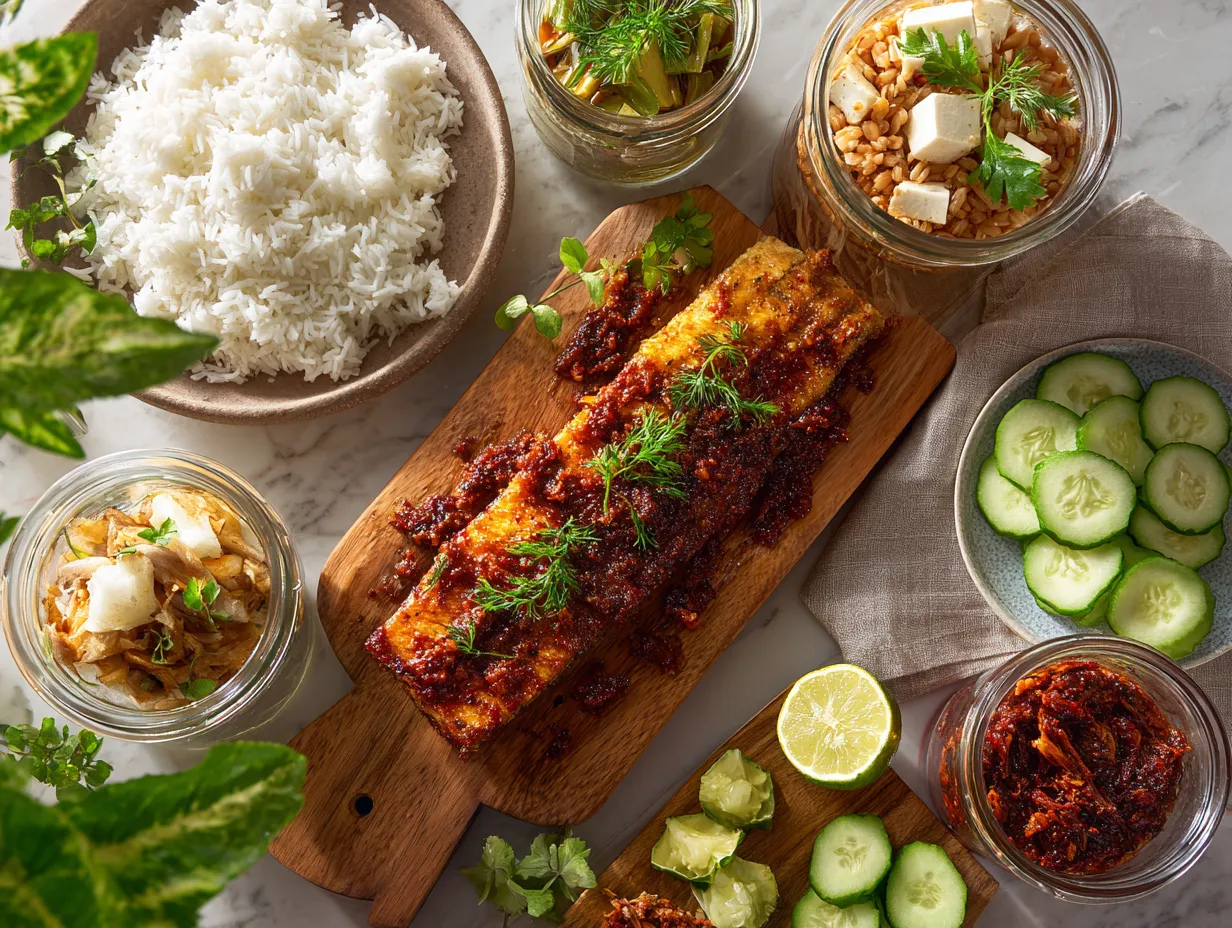
A Singapore-style BBQ Sambal Stingray (Ikan Bakar) — smoky grilled stingray slathered in a spicy, umami-packed sambal and cooked on banana leaf for hawker-centre nostalgia.
About this dish
Sambal stingray (ikan bakar) is an iconic hawker favourite you’ll spot at East Coast seafood restaurants and zi char stalls across Singapore. This BBQ-style version recreates that charcoal-grilled aroma at home: tender stingray flesh with a slightly charred edge, topped with a bright, spicy sambal made from chilli padi, belacan and tamarind. It’s the kind of dish families share at weekend seafood dinners or that turns up on a festive spread when friends come over for a long makan session.
The sambal balances smokiness, heat and sour notes — belacan gives the deep umami, tamarind and lime add brightness, and a little palm sugar rounds it out. Cooking on banana leaf (or foil if you can’t source leaves from your neighbourhood wet market or NTUC) adds a subtle fragrance and prevents the fish from sticking, while basting with butter or margarine at the end gives the sauce a glossy, slightly creamy finish reminiscent of hawker stalls.
This recipe suits busy home cooks who want hawker flavours without charcoal — there are clear steps for grill, oven or charcoal. Serve it family-style with steamed rice, achar and iced barley, and you’ve got a proper Singapore seafood feast that’s perfect for weekend dinners, potlucks or late-night supper runs remembered from kopitiam chats and coastal makan spots.
Ingredients
- 800 g fresh stingray fillet or slab, skin on (ask fishmonger to clean and score the flesh)
- 2–3 banana leaves (optional; cut to fit the grill) or aluminium foil
- 2–3 tbsp cooking oil (vegetable or peanut)
- 50 g unsalted butter or margarine (for basting)
- 8–10 dried chillies, soaked in hot water until soft (for sambal)
- 6–8 bird’s eye chillies (chilli padi), adjust to taste
- 6 shallots, roughly chopped
- 3 garlic cloves
- 1 tbsp belacan (shrimp paste), toasted or dry-roasted first
- 1 tbsp tamarind paste or 2 tbsp tamarind water
- 1 tbsp palm sugar or brown sugar (adjust to taste)
- 1 tsp salt, or to taste
- 1–2 tbsp lime juice (or to taste) plus extra wedges to serve
- Coriander leaves or Vietnamese coriander (daun kesum) for garnish (optional)
- Cucumber slices and sambal belacan on the side for serving
- Steamed jasmine rice, to serve
- Optional: 1–2 tbsp light soy sauce or kecap manis for a slightly sweet umami finish
Step-by-Step Method
- Prepare the stingray: rinse and pat dry. Ask your fishmonger to remove any large cartilage pieces and make shallow crosswise scores across the flesh to help the marinade penetrate.
- Soak the dried chillies in hot water for 15 minutes until soft, then drain. Roughly chop the bird’s eye chillies, shallots and garlic.
- Toast the belacan in a dry pan over medium heat until fragrant (30–60 seconds), then transfer to a blender with the softened dried chillies, bird’s eye chillies, shallots, garlic and a splash of water. Blitz to a coarse paste.
- Fry the sambal paste: heat 2–3 tbsp cooking oil in a wok over medium-high heat. Add the paste and stir-fry until fragrant and oil separates (about 4–6 minutes). Add tamarind water, palm sugar and salt, then simmer for 1–2 minutes. Turn off heat and stir in half the butter to enrich the sauce.
- Taste and adjust: this is the moment to add more salt, sugar or lime juice to balance heat, sweetness and sour — like you’d find at a zi char stall. The sambal should be spicy, tangy and slightly sweet.
- Preheat grill or oven: if using a charcoal grill, prepare a medium-hot fire. For oven, preheat to 220°C (200°C fan). Place banana leaf pieces on a baking tray or on the grill to soften and prevent sticking.
- Assemble on banana leaf: spread a generous layer of the sambal over the scored side of the stingray, reserving a little sambal for basting. Place the fish, sambal-side up, on the banana leaf.
- Grill the stingray: over charcoal, cook for 6–8 minutes on the sambal side until charred and sizzling, then flip and grill 3–5 minutes on the skin side to heat through. In the oven, bake for 12–15 minutes until cooked and slightly charred on top under a hot grill/broiler for the last 2–3 minutes.
- Baste and finish: in the final minute of cooking, melt the remaining butter and brush over the sambal to give a glossy finish and extra richness.
- Rest and garnish: remove from heat and rest for 3–5 minutes. Squeeze lime over the fish, scatter coriander or daun kesum if using, and serve on the banana leaf for the full hawker effect.
- Serve immediately with steamed rice, cucumber slices and a side of achar or sambal kangkong. Leftovers can be flaked into fried rice the next day.
Tips & Serving Ideas
- Buy fresh stingray at your neighbourhood wet market (Geylang, Tiong Bahru market) or ask the fishmonger at NTUC/Cold Storage to clean and score the fillet for you.
- If you can’t find banana leaf, use aluminium foil brushed with oil — banana leaf adds aroma but foil prevents sticking and works for oven cooks.
- Adjust chilli heat by reducing bird’s eye chillies; remove seeds for less heat. Singapore hawkers often tailor sambal to the crowd, so taste as you go.
- Toast belacan first to deepen flavour — this step makes a big difference to the sambal’s umami.
- For authentic char flavour at home, briefly finish under a hot broiler or use a blowtorch to char edges if you don’t have a charcoal grill.
- Make sambal in advance and keep in the fridge for up to 4 days — it mellows and develops flavour, making weekday grilling quicker.
- Leftovers: flake leftover stingray into a wok-fried rice with spring onions and a splash of kecap manis for a quick next-day lunchbox.
- If you’re allergic to shellfish (belacan contains shrimp), substitute with 1–2 tsp fish sauce and a little extra soy for umami.
You might also like
More recipes to save for later.