Ang Ku Kueh (Red Tortoise Cake)
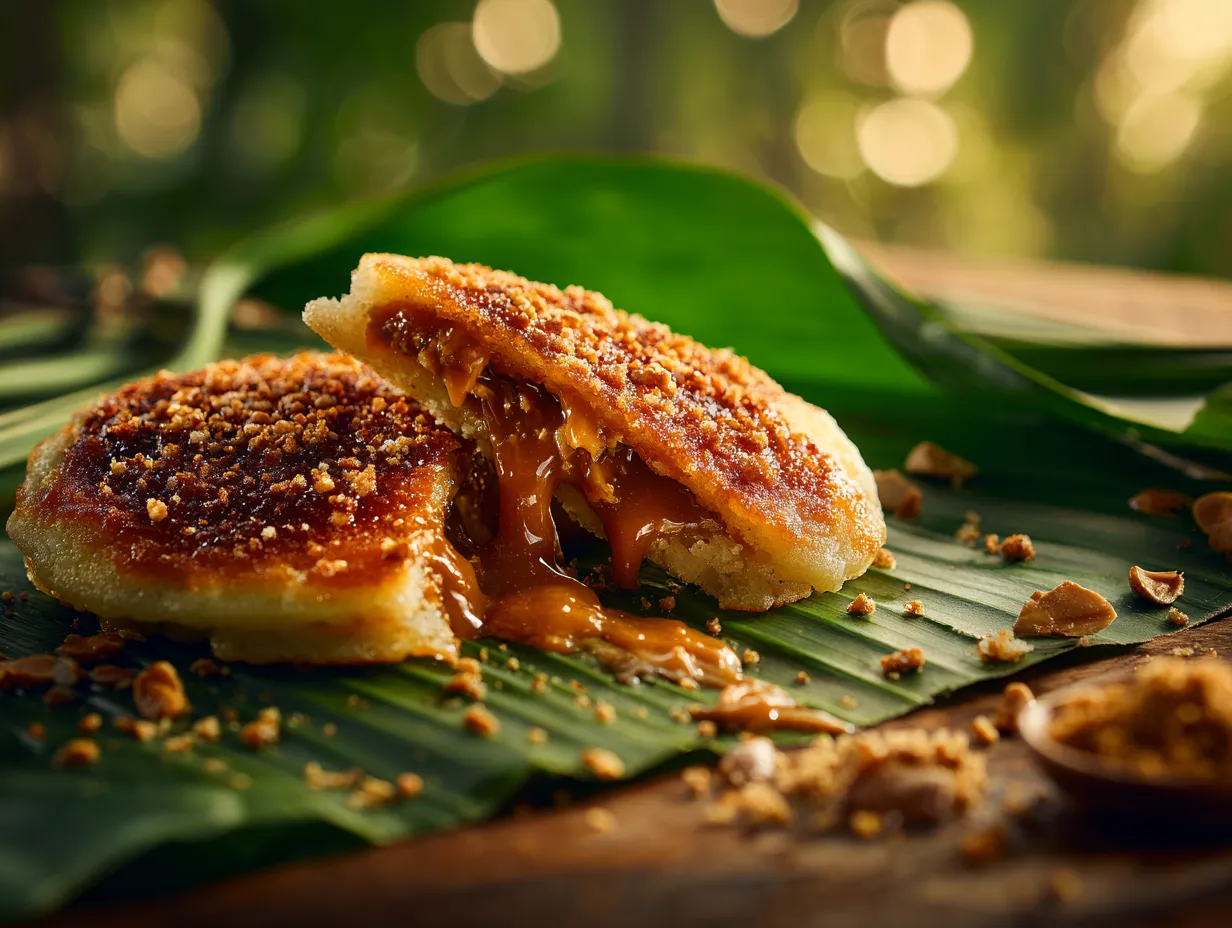
A Singapore-style Peranakan snack — steamed Ang Ku Kueh (red tortoise cake) with a chewy glutinous skin and sweet mung bean-coconut filling, moulded and steamed to glossy perfection.

About this dish
Ang Ku Kueh is a nostalgic Peranakan classic you'll spot in kopitiams, at pasar malam stalls, and on festive trays during birthdays, full-month baby celebrations and Chinese New Year in Singapore. The bright red, tortoise-shaped kueh — traditionally symbolising longevity — has a soft, slightly chewy skin and a sweet, lightly coconutty mung bean or peanut paste centre. In the heartlands from Toa Payoh to Tiong Bahru, relatives and neighbours often bring a box of ang ku kueh to share over tea.
This recipe recreates the hawker and home-kueh vibe: a pandan-scented coconut milk dough coloured red, a smooth mung bean filling tempered with coconut oil, and the use of banana leaf squares for an authentic aroma. It’s great for a weekend baking session, a festive spread, or a hands-on cooking afternoon with family. Singapore cooks often make these for potlucks, zi char-style gatherings and teatime — they’re compact, shareable and pair beautifully with chrysanthemum or strong kopi.
Expect textures of tender, slightly chewy skin with a dense, melt-in-the-mouth filling. I include local tips (where to buy glutinous flour in NTUC or wet markets, how to use pandan leaves for aroma, and how to shape without a mould) so even first-time makers in an HDB flat can succeed. The steaming method is forgiving — aim for a translucent sheen and a soft but not sticky bite, like the best neighbourhood kueh sellers in East Coast markets.
Ingredients
- 200 g split mung beans (peeled; for sweet mung bean paste)
- 120 g caster sugar (adjust to taste)
- 60 ml coconut milk (for filling)
- 2 tbsp vegetable oil or coconut oil (for frying the filling)
- 250 g glutinous rice flour (also called sweet rice flour)
- 40 g tapioca starch (for chewiness and to dust moulds)
- 200 ml thick coconut milk (for the dough)
- 30 g caster sugar (for the dough)
- 1 tbsp vegetable oil (for dough elasticity)
- 1 tsp red food colouring (or 1 tsp red yeast rice powder + extra for more colour)
- 1 pinch fine salt
- 6–8 pandan leaves, knotted (optional; for steaming aroma and extra flavour)
- 12–16 small banana leaf squares (cut to ~6 x 6 cm) or baking paper squares
- extra tapioca starch or rice flour (for dusting hands/moulds)
- optional: 50 g roasted ground peanuts mixed with 20 g sugar (for peanut filling variation)
- optional: 1–2 drops rose water or a few drops of vanilla extract (to scent the filling)
- optional garnish: toasted sesame seeds
Step-by-Step Method
- Prepare the mung bean filling: rinse 200 g split mung beans and soak for 2–3 hours (or quick-boil for 10 minutes then simmer) until very soft. Drain.
- Cook mung beans in a saucepan with just enough water to cover and simmer until fully tender and the water is absorbed; mash or blitz into a smooth paste using a blender or food processor.
- In a non-stick pan, add mashed mung beans, 120 g caster sugar, 60 ml coconut milk and 2 tbsp oil. Cook over medium heat, stirring constantly until the paste comes together and leaves the sides (about 10–12 minutes). The paste should be thick and slightly dry — not wet. Taste and adjust sugar. Cool completely.
- Portion the filling into 12–16 balls (about 18–22 g each), roll smooth and set aside on a tray lined with parchment.
- Make the dough: combine 250 g glutinous rice flour and 40 g tapioca starch in a bowl. Warm 200 ml thick coconut milk with 30 g sugar until sugar dissolves (do not boil). Stir in 1 tbsp oil and 1 tsp red food colouring.
- Pour the warm coconut milk mixture gradually into the flours, mixing with a spatula until it forms a rough dough. When cool enough to handle, knead for 3–5 minutes until smooth, pliable and not sticky; add a little extra glutinous flour if too wet or a splash of coconut milk if too dry.
- Divide the dough into 12–16 equal pieces (skin portions roughly 22–26 g). Roll each into a ball, flatten into a disc, and wrap around each mung bean filling ball. Pinch to seal and smooth seams.
- Dust a wooden or plastic tortoise mould lightly with tapioca starch (not too much) or oil. Press the filled ball gently into the mould to shape, then tap out onto a banana leaf square or parchment. Repeat for all pieces.
- Prepare the steamer: bring a wok or steamer to a rolling boil. Line a bamboo basket or steaming tray with extra banana leaf or parchment and arrange the kueh with space between them. Tuck knotted pandan leaves under the kueh for aroma if you like.
- Steam on high heat for 6–8 minutes (for 12 pieces) until skins look slightly translucent and glossy. If steaming more pieces, add 1–2 minutes. Keep the lid closed to retain steam.
- After steaming, turn off heat and leave the kueh in the steamer for 2 minutes before removing to prevent sticking from sudden cool air. Cool on a rack for 10–15 minutes; the skin firms slightly as it cools.
- Serve warm or at room temperature. Store in an airtight container in the fridge for up to 3 days (best eaten same day). Reheat briefly in a steamer for a few minutes before serving to soften the skin.
Tips & Serving Ideas
- If you can’t find peeled mung beans, yellow split mung beans (green gram) at NTUC, Cold Storage or Sheng Siong are fine — just soak longer and rinse well.
- Use thick coconut milk for flavour in the dough, and warm (not boiling) the milk so it mixes smoothly with the flours.
- Dust moulds lightly with tapioca starch or brush with a little oil to avoid sticking; too much starch will dull the kueh’s gloss.
- Adjust red colouring to taste — traditional stalls often use red yeast rice or food colouring; a little goes a long way.
- For faster prep, make the filling a day ahead and refrigerate; portion it and bring to room temperature before wrapping.
- To reheat leftovers, steam for 3–5 minutes to bring back the soft texture. Avoid microwaving which makes the skin rubbery.
- If you don’t have a wooden tortoise mould, press the filled dough into silicone moulds or shape by hand and use a fork or stamp for patterns.
You might also like
More recipes to save for later.