Multicultural market & hawker hub
Tekka Centre (Little India)
Bustling Little India hawker centre and wet market known for affordable Indian and multi-ethnic Singaporean hawker food....
A feature on why Singapore's wet markets are vanishing, where to still find them, and how locals shop, cook and keep the culture alive.
Wet markets are where a city learns to cook — they teach taste, thrift and community.
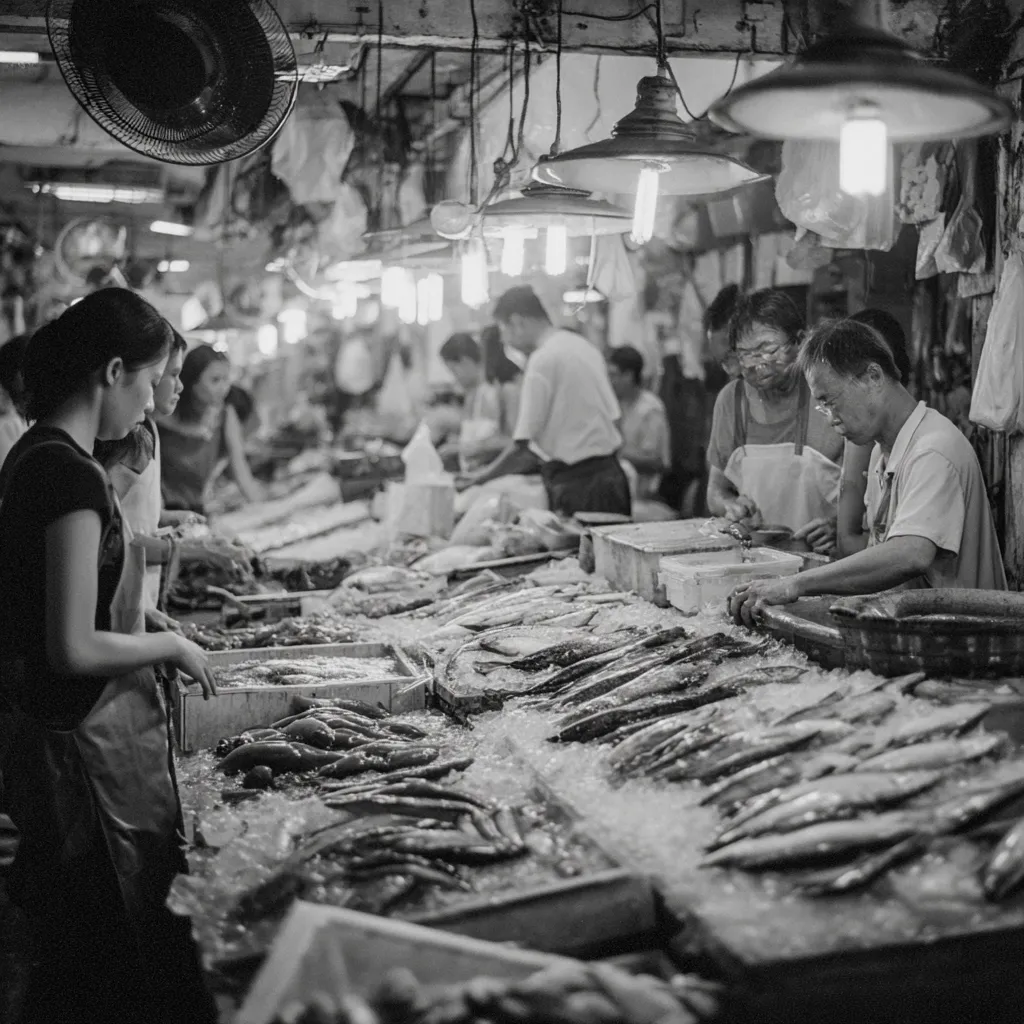
The sound of a cleaver and the smell of fresh fish at dawn are the heartbeat of many HDB estates.
Wet markets have been part of Singapore’s daily rhythm for generations: the rooster-hour bargaining, the steady clack of cleavers, and neighbours swapping recipes while they queue for fresh fish or a pack of kuih. They are where pantry basics and cultural exchange meet — the raw ingredient hub behind hawker classics and home cooking alike.
But modern pressures are squeezing the trade: redevelopment of old market precincts, stricter hygiene regulations that favour supermarket supply chains, rising rents for stallholders, and a younger generation less inclined to do daily wet-market shops. The result is fewer vendors, shorter opening hours and a risk that skills — gutting fish by hand, traditional curing and local butchery — quietly vanish.

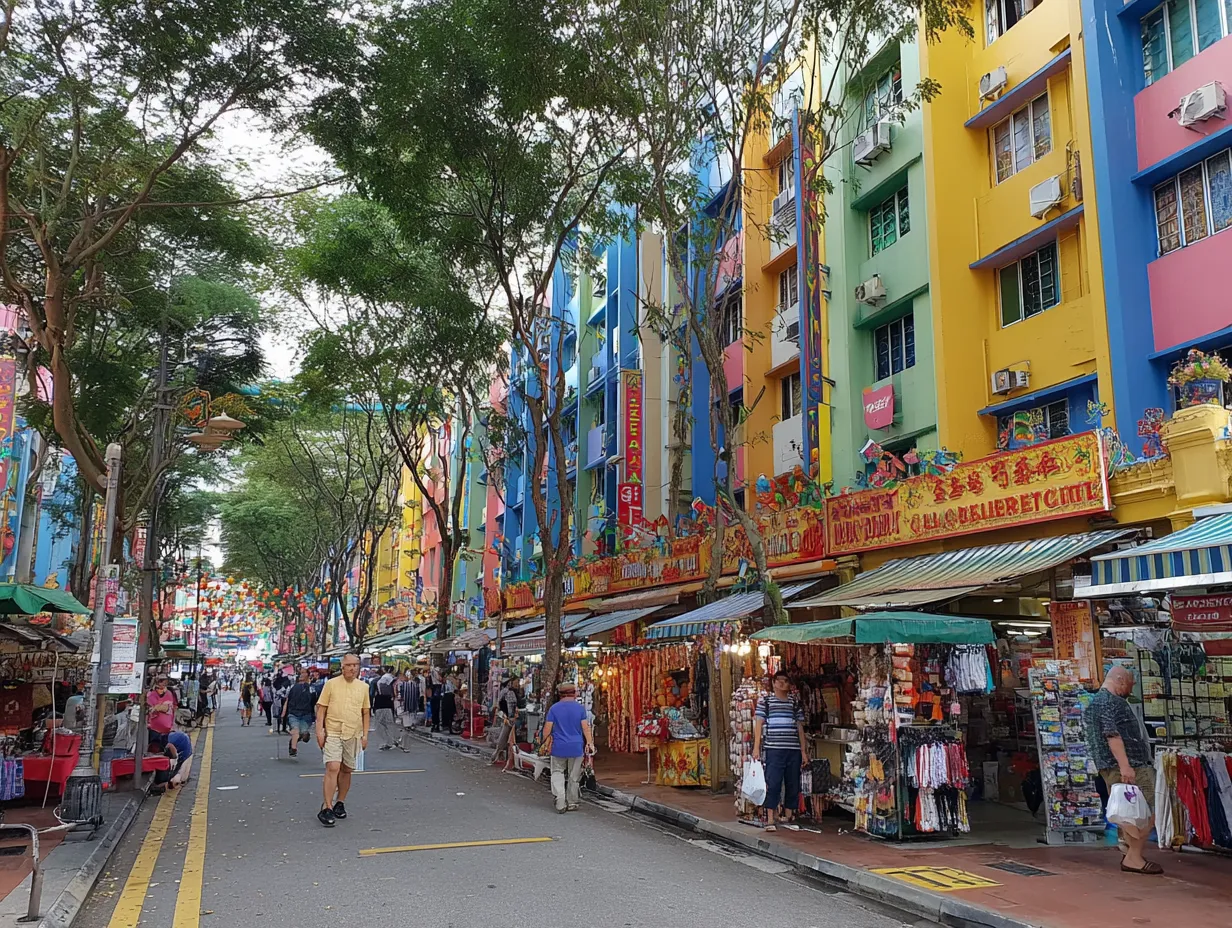
If you want to see the trade alive, start with Tekka Centre in Little India — a layered experience of vegetables, live seafood and meat counters, and hawker stalls serving rojak and thosai. Geylang Serai Market is a must during Ramadan and Hari Raya for its Malay groceries and kuih stalls.
Head to heartland hubs like Tampines Round Market for a true early-morning scene: aunties with collapsible baskets, unhurried fishmongers, kopitiams that serve kopi to the regulars. For a quieter, nostalgic stroll, wander the area around Tiong Bahru in the early evening where small wet-market vendors still sell prepped produce to nearby households.

Wet markets are the source for Singapore’s best home-style dishes: live blue crabs for chilli crab or black pepper stir-fries, fresh sambal-ready prawns, and day-old mantou for dunking into crab sauce. You’ll also find region-specific items — pandan leaves and fresh coconut at Geylang Serai, or a wide range of fish suited for fish porridge at Tekka.
Bring market purchases home or pair them with hawker meals — many locals buy fresh ingredients in the morning and pop next door for a kopi and kaya toast. If you want to try cooking market-led dishes yourself, look for central ingredients: fresh whole fish for sliced-fish bee hoon, coconut or grated gula melaka for traditional desserts, and whole spices for curry sambal bases.

Arrive early: the best catch and freshest produce is gone by late morning. Weekends can be hectic, so aim for a weekday dawn run if you want to watch the full trade in action. Bring small notes or a mix of cash and mobile pay apps; many stalls accept PayNow but some still prefer cash.
Don’t be shy to ask questions — stallholders are often happy to recommend a recipe or the best way to cook a cut of meat. Carry reusable bags and a small cooler for seafood. Expect to see hawker-style stalls nearby where you can immediately turn a market haul into a sit-down meal.
Several community groups, heritage projects and independent vendors are documenting market trades and offering workshops — from fish-scaling demos to old-style butchery. Supporting these initiatives helps keep skills visible and valued, and also gives smaller stallholders a financial lifeline.
You don’t need to be an activist to help: shop regularly at your nearest wet market, bring tourists along for a morning makan trail, or try a market-led recipe at home. Even buying a simple bundle of herbs from a long-standing stall sends a message: wet markets are worth preserving because they anchor Singapore’s food memory and everyday culture.