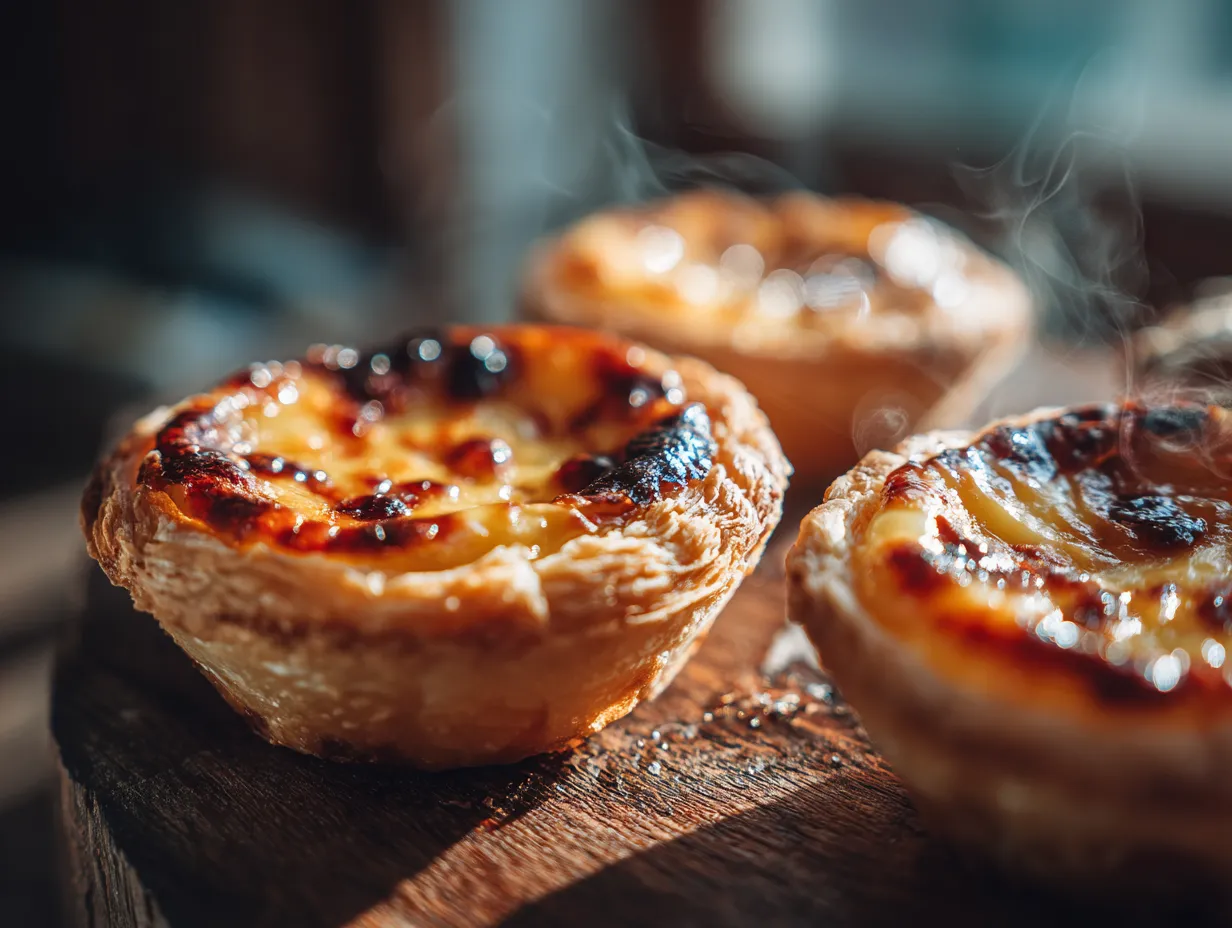
Bake Portuguese pastéis at home
Portuguese Egg Tarts
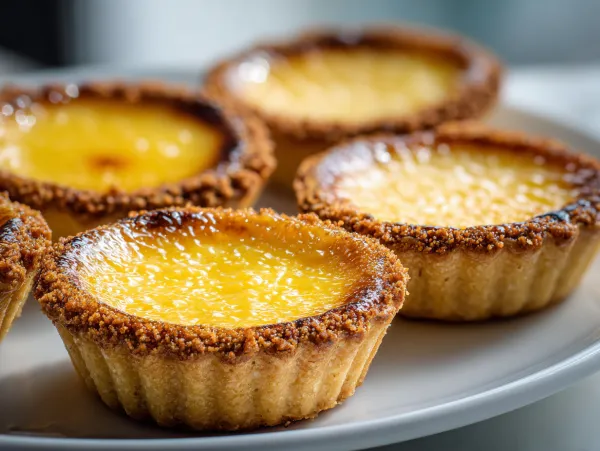
A Singapore-style take on classic Portuguese egg tarts (pastéis de nata) with flaky puff pastry and caramelised custard ...
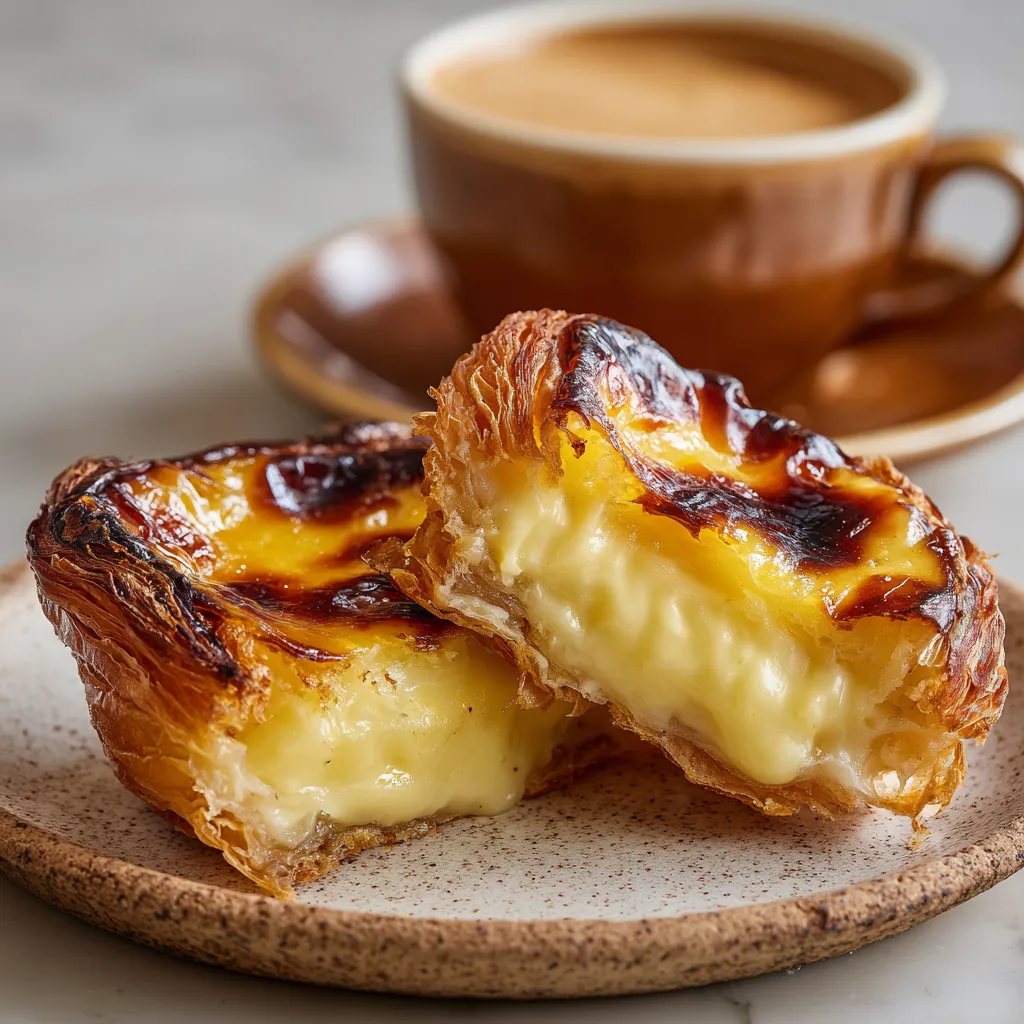
A Singapore-focused guide to the city’s best egg tarts — comparing caramelised Portuguese pastéis and silky Hong Kong-style tarts with where to makan across neighbourhoods like Tiong Bahru, Katong and Orchard.
The best egg tarts in Singapore are the ones eaten warm on the go — flaky, fragrant and impossible to resist.
Portuguese pastéis bring drama with caramelised tops; Hong Kong tarts win on silky, nostalgic comfort.
Egg tarts are a beloved pastry across Singapore — part kopitiam snack, part bakery staple and all-around supper comfort. Whether tucked into a paper bag after an Orchard shopping run or paired with kopi at a Tiong Bahru café, egg tarts cross generations and neighbourhoods.
This story compares the two most common styles you’ll find here — the caramelised, custardy Portuguese pastel and the smoother, silkier Hong Kong-style tart — and points you to the best spots across the island.
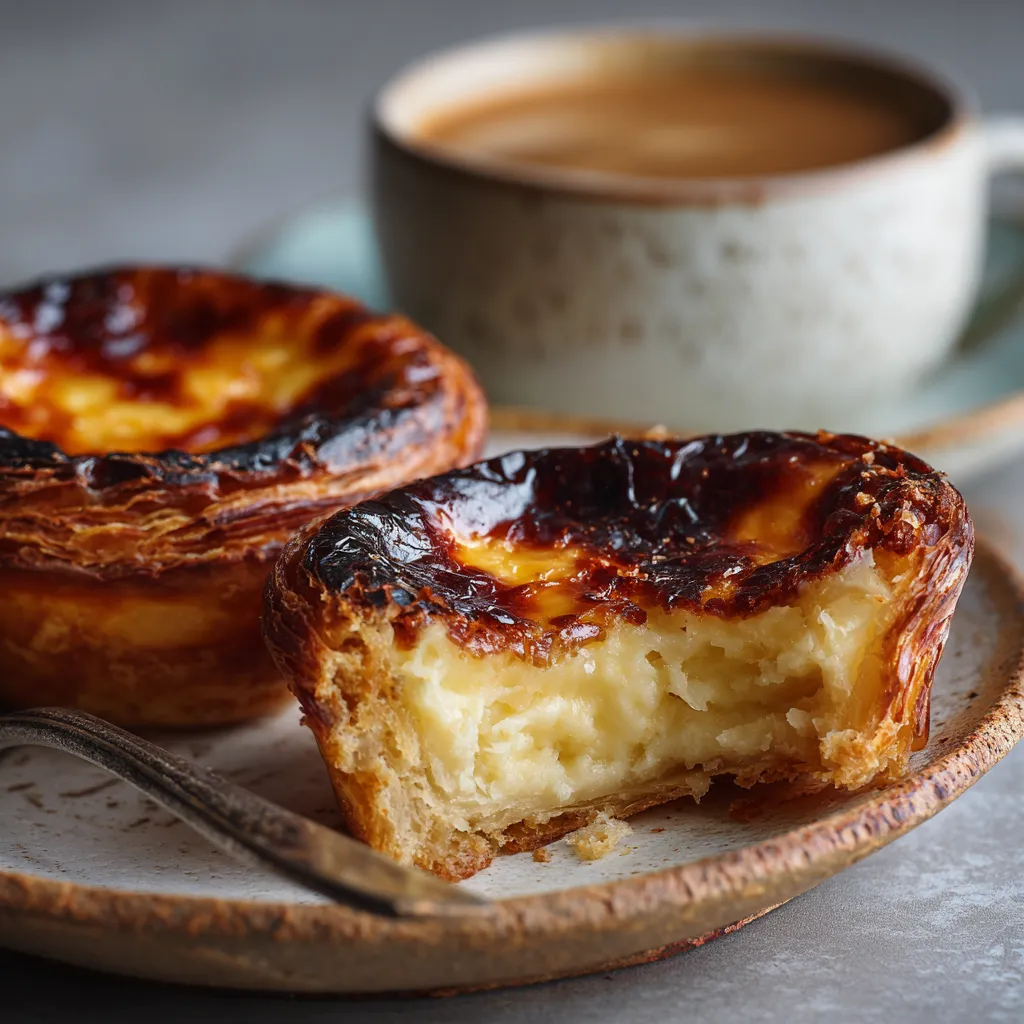
Portuguese egg tarts (pastéis de nata) come from a lineage of puff pastry and an intentionally blistered, caramelised top — think textural contrast between flaky shell and slightly burnt custard peaks. In Singapore they’re often sold in artisanal bakeries and café menus, sometimes with a dusting of cinnamon.
Hong Kong-style egg tarts favour a silkier, glossy custard set inside either a crumbly shortcrust or a cookie-like base; the taste is cleaner, sweeter and very snackable — the kind you pick up warm from a bakery counter in the CBD or a Chinatown kopitiam.
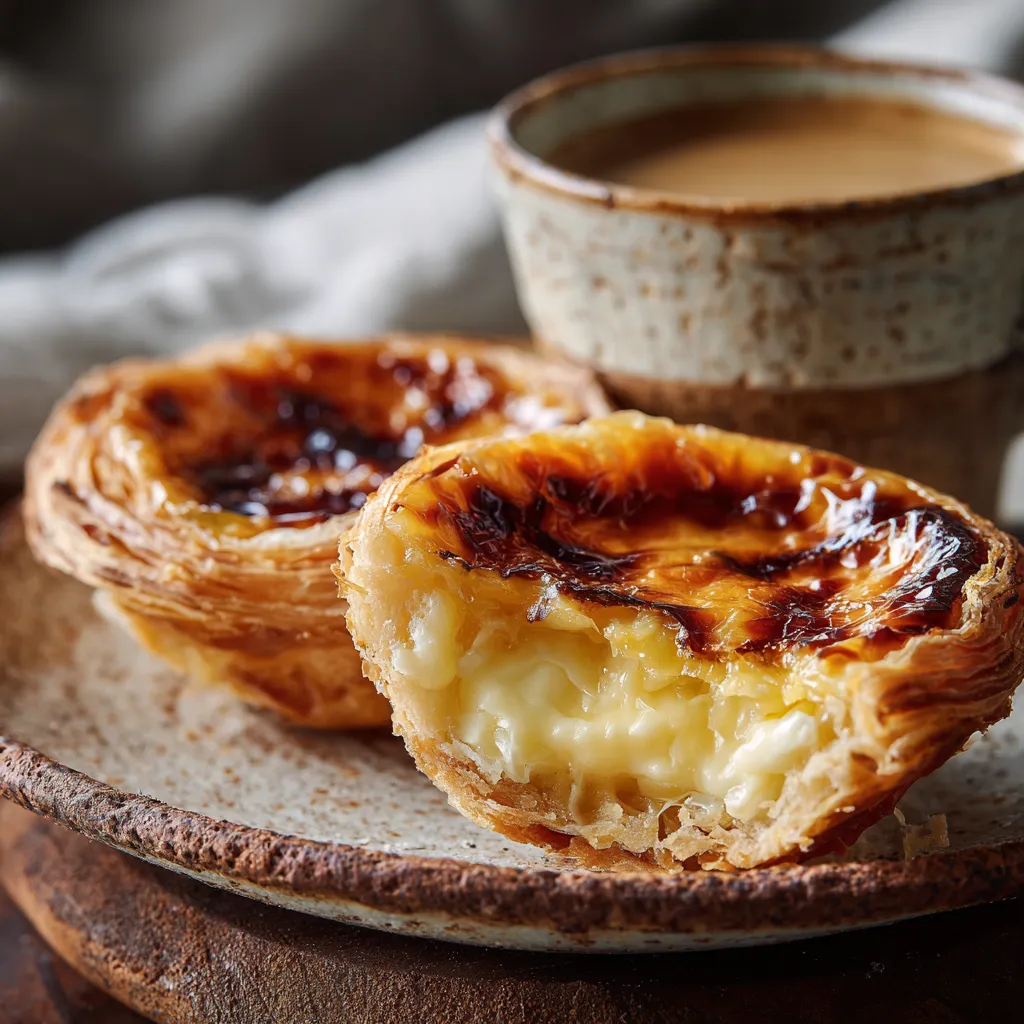
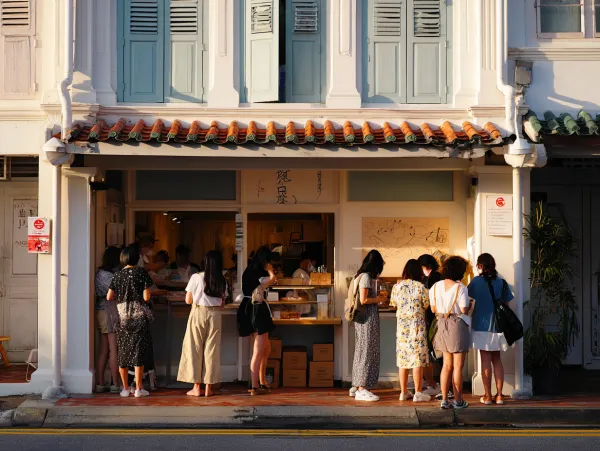
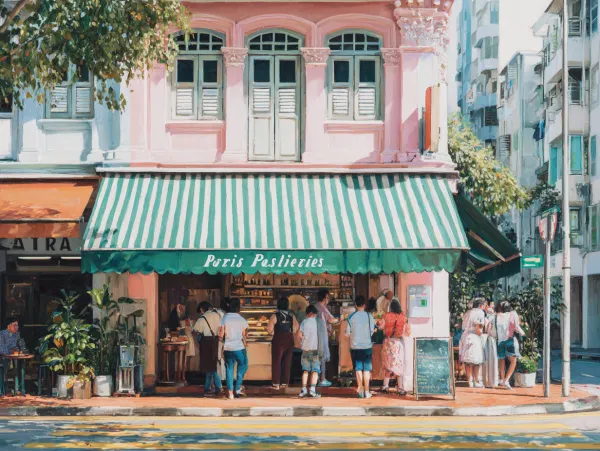
If you’re planning a tart crawl, mix heartland bakeries with café specialists. Tiong Bahru and Tiong Bahru Market are great for hip bakeries and cafés doing new-wave pastéis; Katong and East Coast have cosy weekend bakeries worth a detour; Orchard and CBD host long-established bakery counters for classic Hong Kong-style tarts.
Don’t overlook kopitiams and hawker centres for wallet-friendly versions — some stalls in the heartlands produce surprisingly excellent egg tarts that compete with artisan shops.
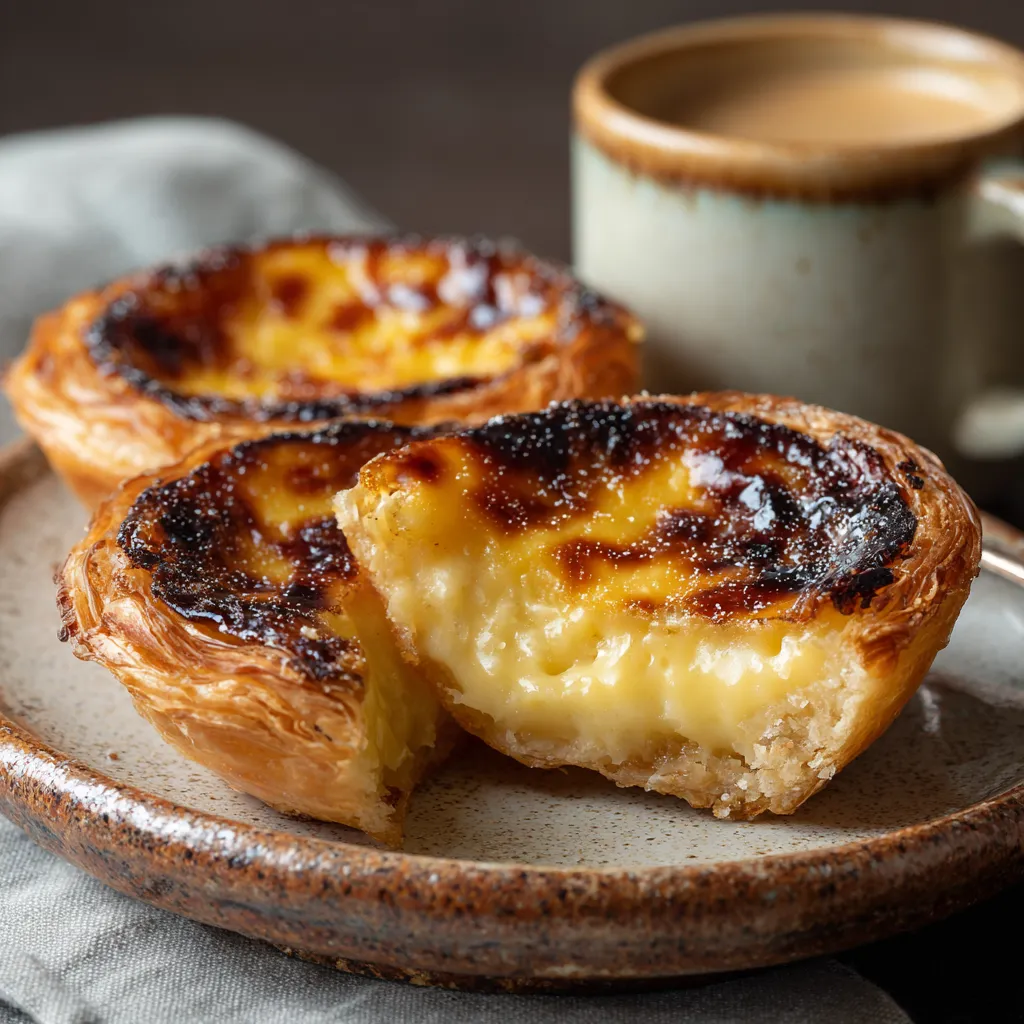
When you sample, look at three things: shell, custard and temperature. A Portuguese tart should sing with layered puff pastry and a slightly caramelised top; the custard should wobble slightly but be creamy. A Hong Kong tart should have a smooth glossy custard and a clean, crumbly shortcrust or cookie base.
Practical tip: eat them warm. Many bakeries sell tarts fresh from the oven in the morning and again mid-afternoon; for the best texture aim for a 30-minute window after baking. If you’re at a kopitiam, pair with kopi or teh — the bitterness balances the sweetness.
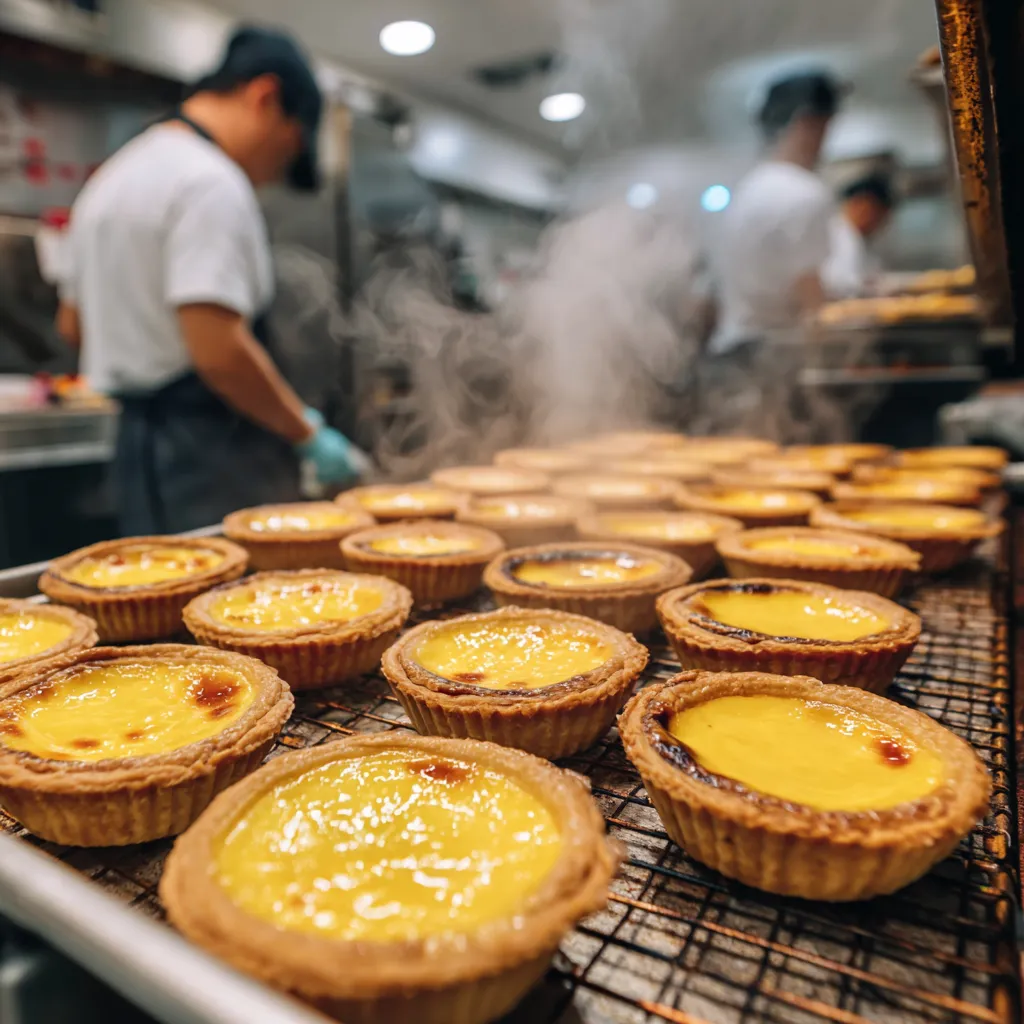
Build a compact route: start at a bakery in Tiong Bahru for morning Portuguese-style samples, hop to a Katong café for lunch-time coffee and tarts, then swing by a Chinatown or Orchard bakery in the afternoon for classic Hong Kong-style versions. End the loop at a kopitiam or hawker stall for a late-night nostalgic hit.
Budget and timing: expect to pay S$1.50–S$6 per tart depending on style and bakery. Queue times can vary — artisan shops may have a 10–30 minute wait on weekends; hawker stalls move faster but sell out quickly.