Pack a picnic by the sea
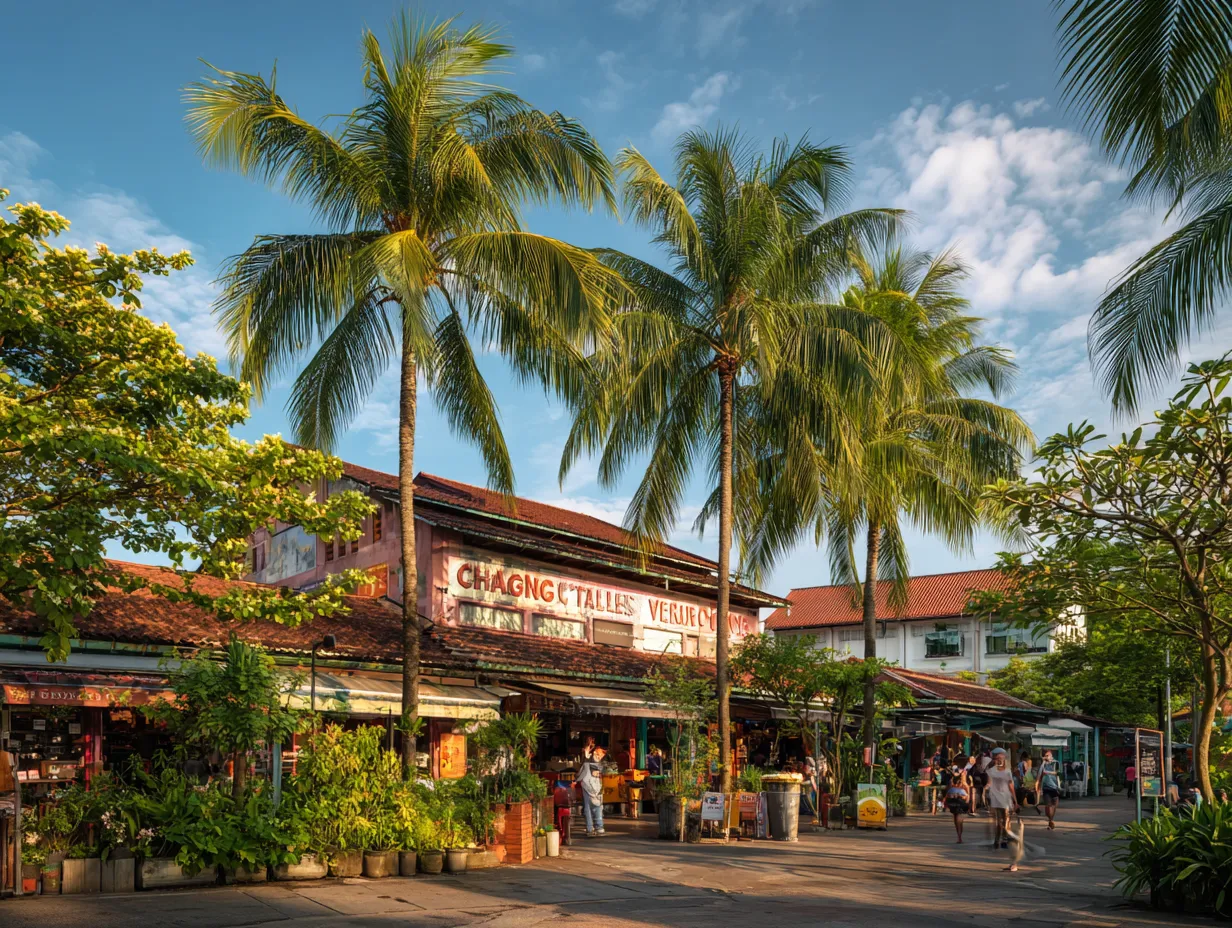
Changi Village Hawker Centre
Neighbourhood hawker centre in Changi Village known for classic Singaporean hawker stalls, seafood bites and kopi kaya t...
Practical BYO tips and local etiquette for dining sustainably in Singapore — from hawker centres to beachside zi char, plus smart hacks to cut waste when you makan out.
Bring your own container — it’s the easiest green habit you can start with in Singapore.
Small changes—reusable cup, shared zi char, less packaging—make Saturday seafood nights far more sustainable.
Singapore’s food scene—from kopi at neighbourhood kopitiams to seafood dinners by the East Coast—generates a lot of single-use packaging. With more people makan out daily, small behaviour changes add up fast.
Dining sustainably in Singapore isn’t about being perfect; it’s about practical choices that suit local rhythms: bringing a tumbler for kopi, saying yes to BYO containers for takeaway, or splitting a zi char platter at supper instead of ordering four individual boxes.
This guide focuses on BYO (bring your own) habits, hawker-centre etiquette, and at-home hacks that reduce waste without spoiling the fun of eating out.
Start simple: a reusable water bottle or thermal flask, a compact cutlery set (bamboo or metal), and a foldable reusable bag for packing containers. Small items fit in an office bag or grab-bag for weekend kopi runs.
For bubble tea and iced drinks bring a tumbler with a wide mouth — many bubble-tea outlets will happily pour into your cup. For hawker stalls, bring a clean, sealable container for takeaway gravy-based dishes; bring an insulated carrier for hot soups.
If you’re unsure whether a stall accepts BYO, ask politely in Hokkien, Mandarin or English: “Can I use my own container?” Stall staff are often pragmatic — they’ll say yes if it’s safe and hygienic.
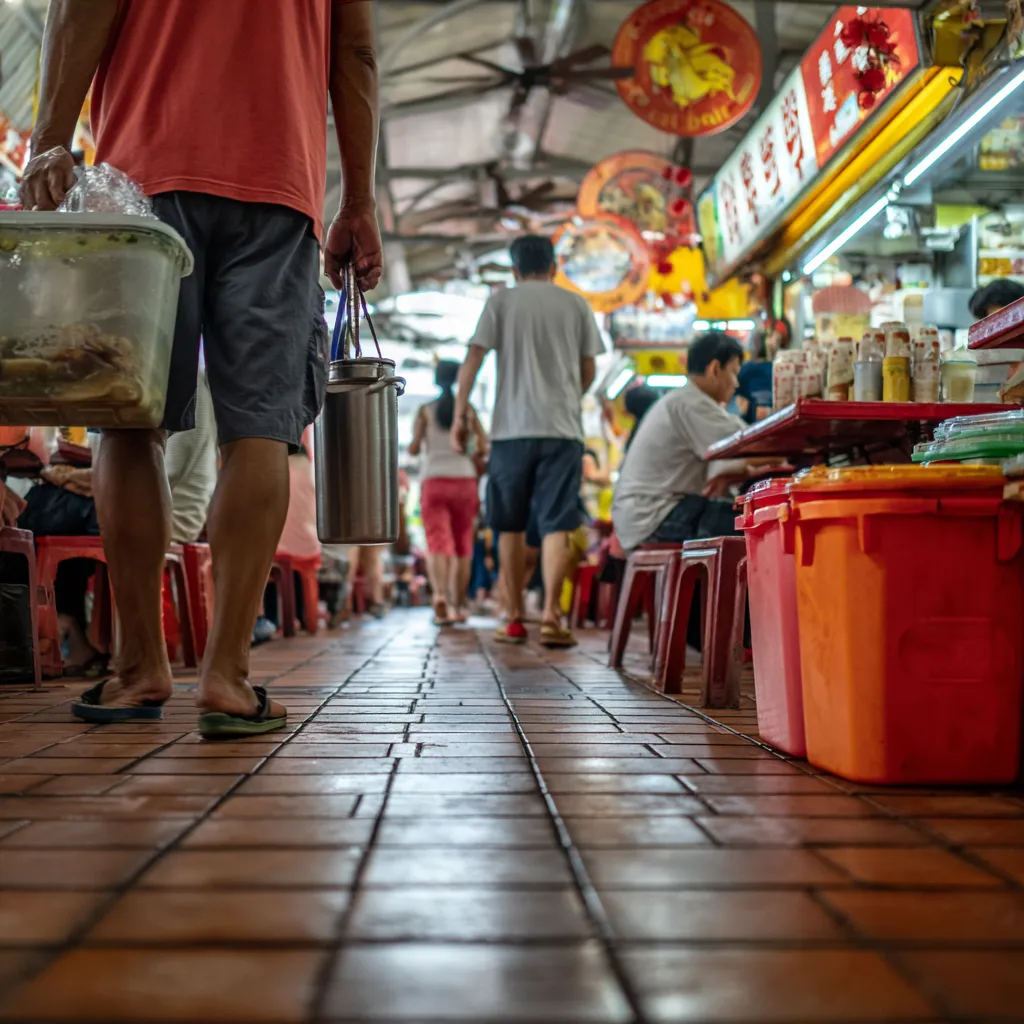
Hawker centres and kopitiams are the perfect places to start: Tiong Bahru and Tekka Centre are great for practising BYO breakfast and kopi culture; Changi Village and East Coast Park are ideal for BYO picnics and seafood by the sea.
Many cafes in Orchard, Bugis and heartland neighbourhoods now offer small discounts for customers who bring a reusable cup — part of a growing trend among independent cafes and brunch spots catering to the CBD lunch crowd.
For seafood dinners, opt for places that support sustainable sourcing where possible, and share large dishes family-style to reduce packaging and leftovers.
Be clear and courteous when asking to use your own container. Point to the container and say the dish name — busy stalls appreciate speed and clarity during peak hours.
Some stalls will refuse BYO for hygiene or health-code reasons (e.g., raw items, ice-based drinks). Respect refusals and have a backup plan like bringing a lightweight, compostable takeaway container if you can’t avoid single-use that day.
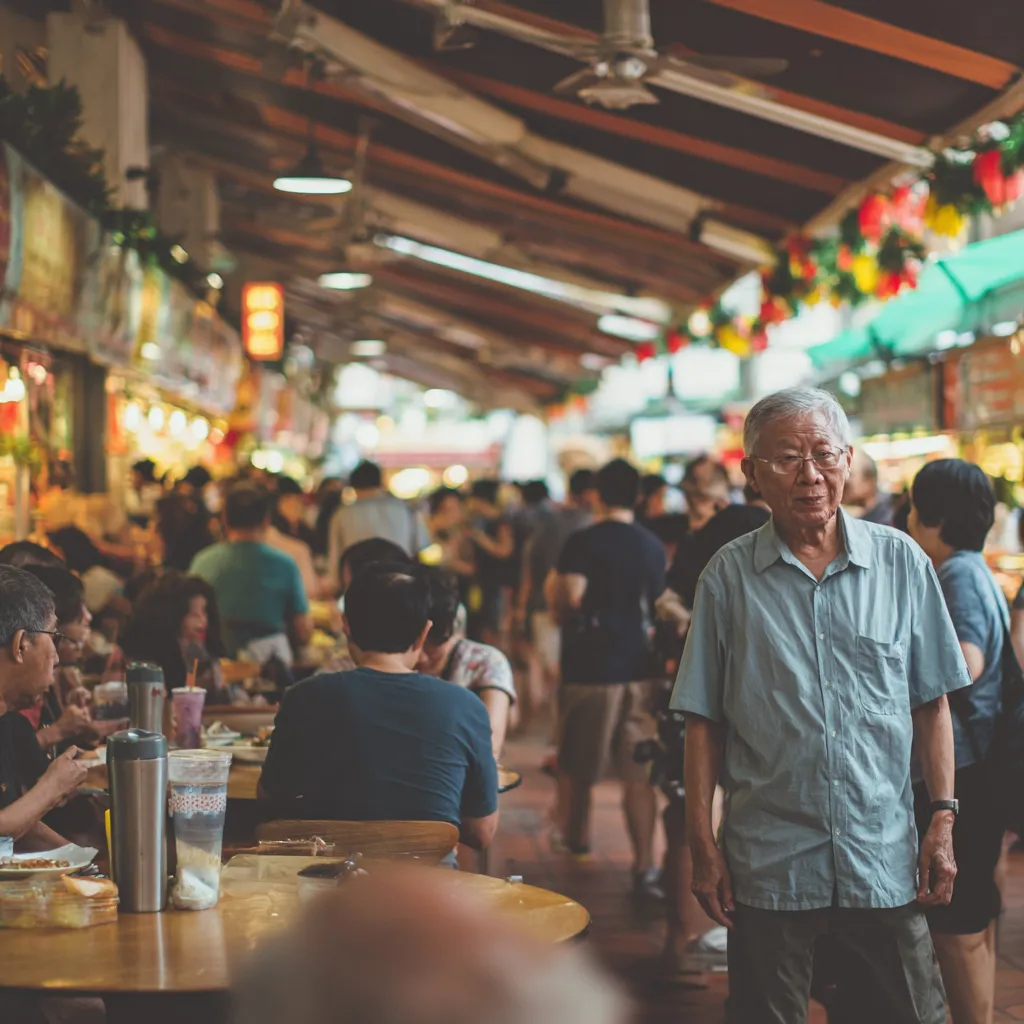
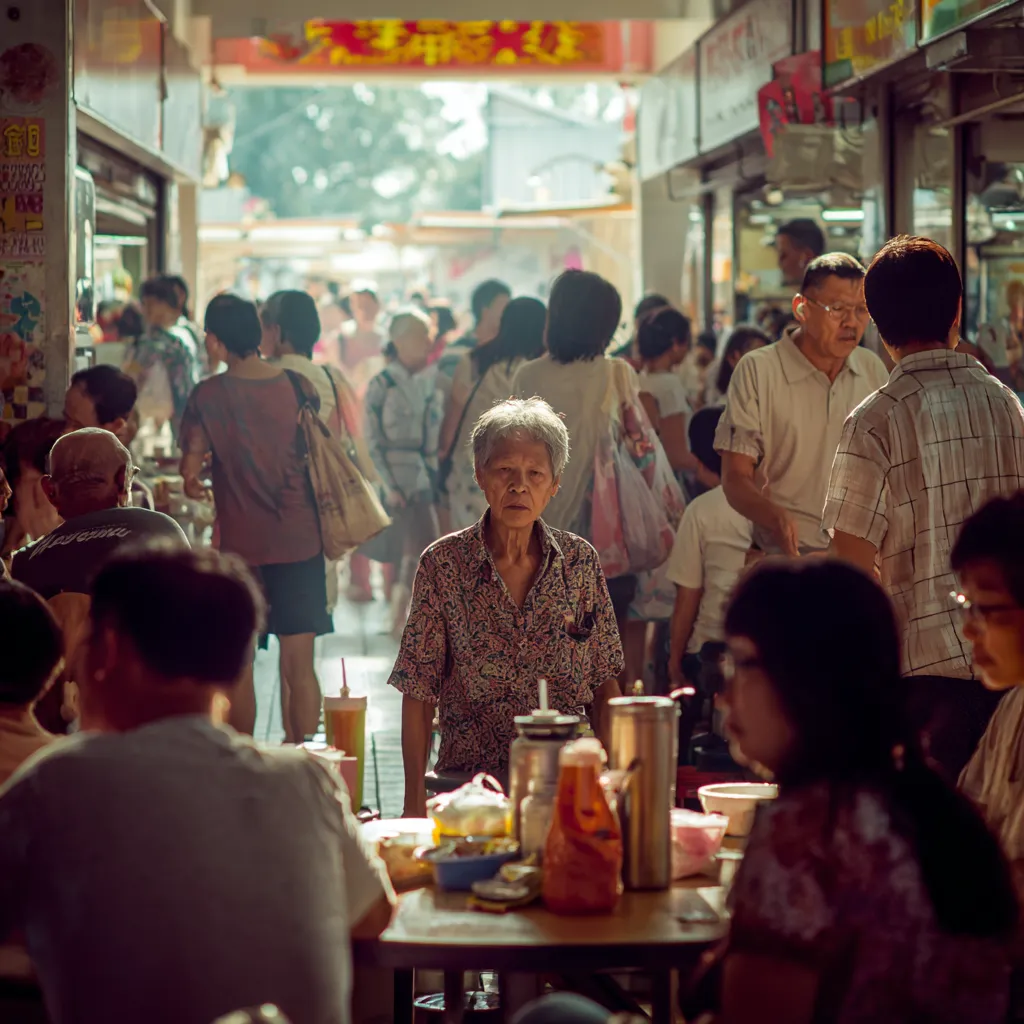
When you’re seated at a hawker centre, remember to clear your own table after eating and sort recyclables into public bins where available — Singapore’s hawker culture values communal responsibility.
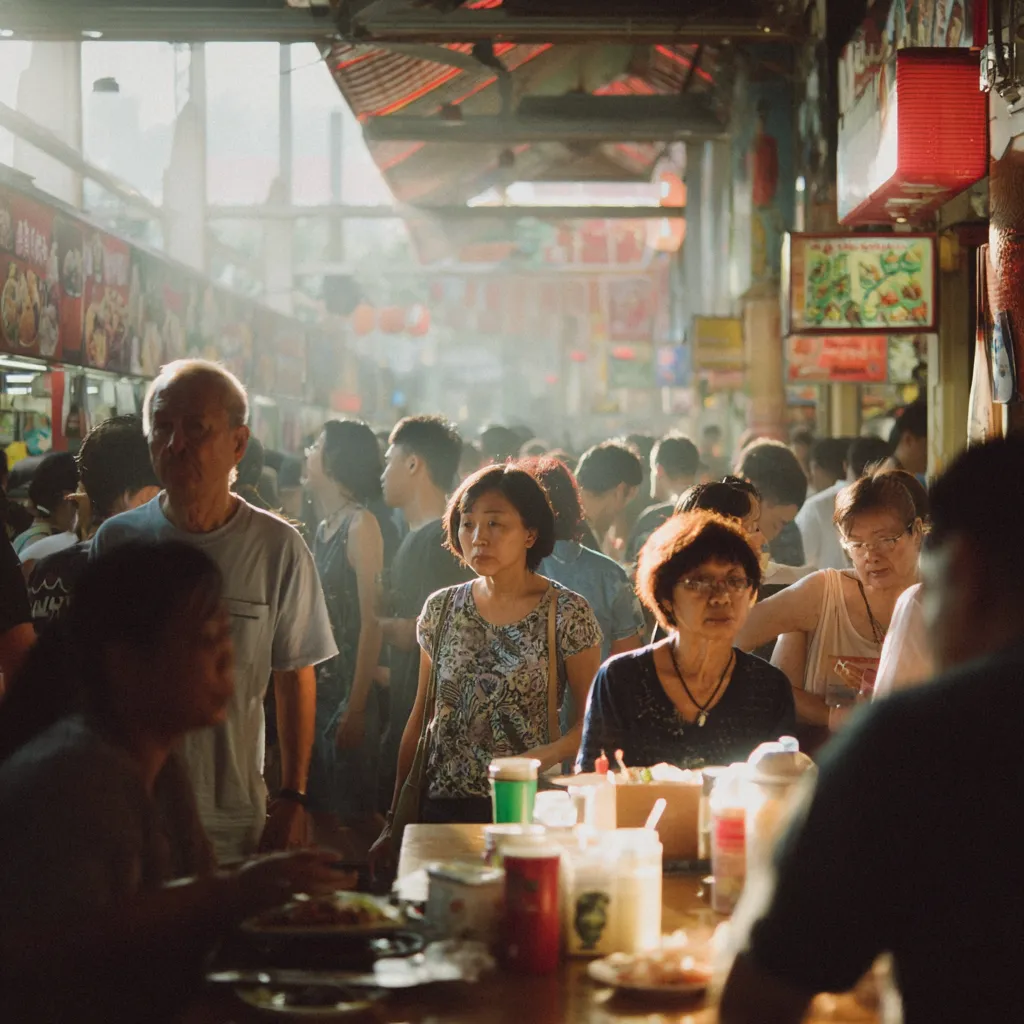
Turn leftovers into new dishes — for example, leftover roast chicken can become a hearty pie, fried rice or a laksa topping. Meal transforms save money and reduce food waste.
Batch-cook sauces and sambals in glass jars, label them, and use them for quick hawker-style meals at home. Glass jars are great for takeaway salads or chilled desserts like mango sago pomelo when you need to pack something for sharing.
Buy seasonal produce at Tekka Centre or Geylang Serai Market to avoid overpackaged imported goods, and support stalls and vendors that minimise plastic packaging.