Classic hawker centre experience
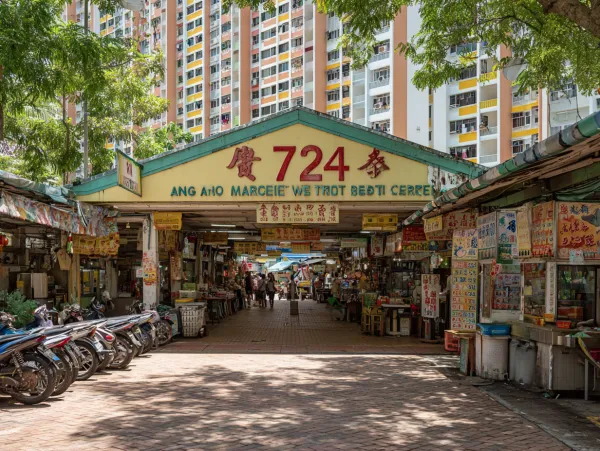
Tiong Bahru Hawker
A bustling neighbourhood hawker centre in Tiong Bahru known for classic Singapore street food and kopitiam-style breakfa...
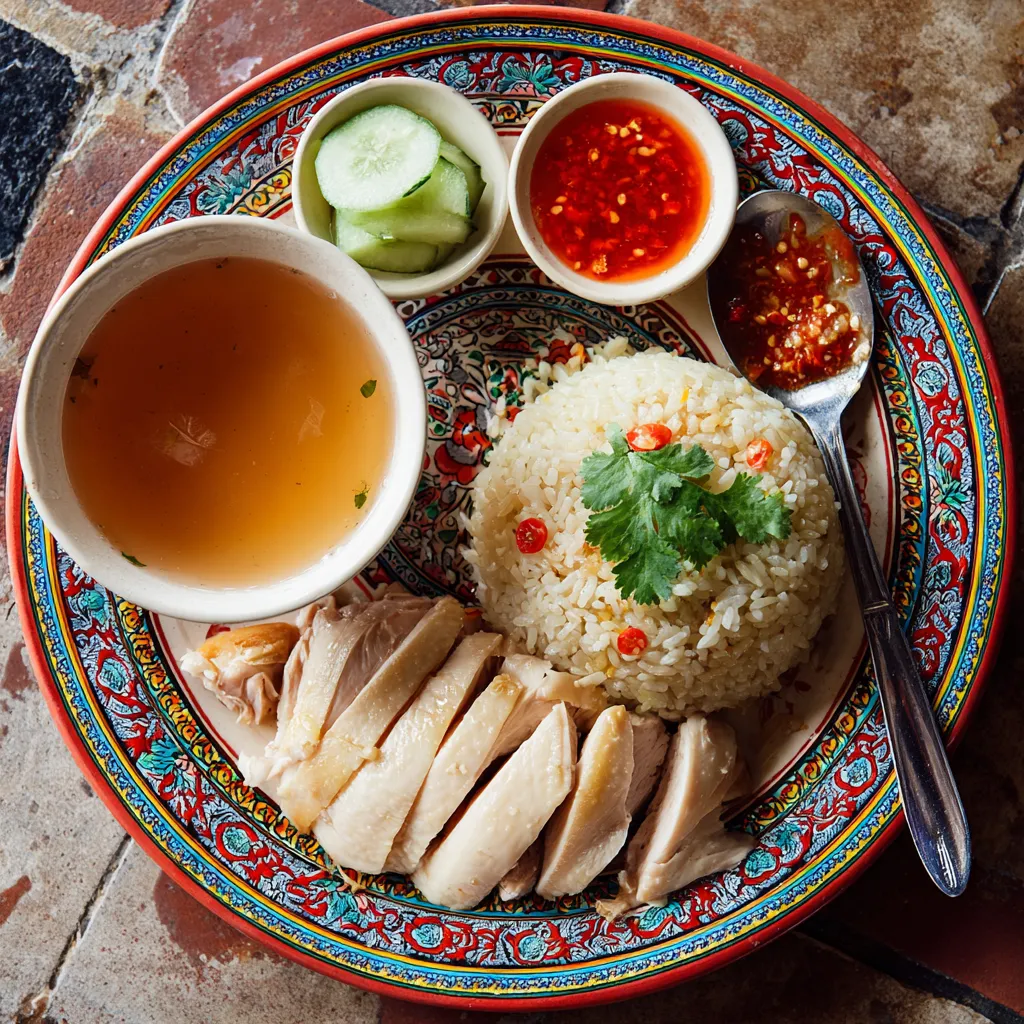
A concise, Singapore-rooted exploration of Hainanese chicken rice—its migration story, hawker-centre evolution and where to makan the best plates across the island.
Chicken rice is Singapore in a plate — simple, precise and endlessly comforting.
It’s the rice that makes the dish, not just the chicken.
Hainanese chicken rice didn’t start in Singapore — it travelled. The dish traces back to Hainan island in southern China, where migrants adapted local poultry cooking methods when they arrived in Southeast Asia in the late 19th and early 20th centuries.
In Singapore the Hainanese community refined the recipe: poached or steamed chicken kept succulent, rice cooked in chicken fat and stock for maximum aroma, and a trio of condiments — chilli, ginger-scallion and dark soy — to round out the flavours. Over decades the dish moved from home kitchens into kopitiams and hawker stalls, becoming one of Singapore’s culinary signatures.

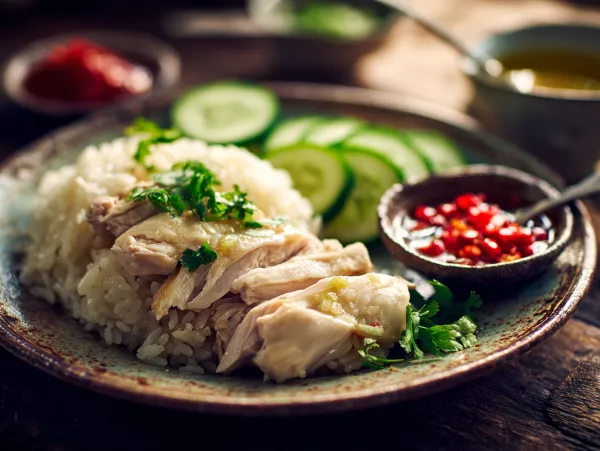
At first glance it’s simple: chicken, rice and sauce. The details make the difference. Singapore’s version emphasises an ultra-tender poached chicken (sometimes roasted for variation), rice infused with rendered chicken fat and clear, flavourful chicken stock served as a palate-cleanser.
Condiments are crucial. The chilli is bright and tangy, ginger-scallion adds fragrant heat, and dark soy provides umami and colour. It’s a study in balance — texture, temperature and the rice’s aromatic backbone.

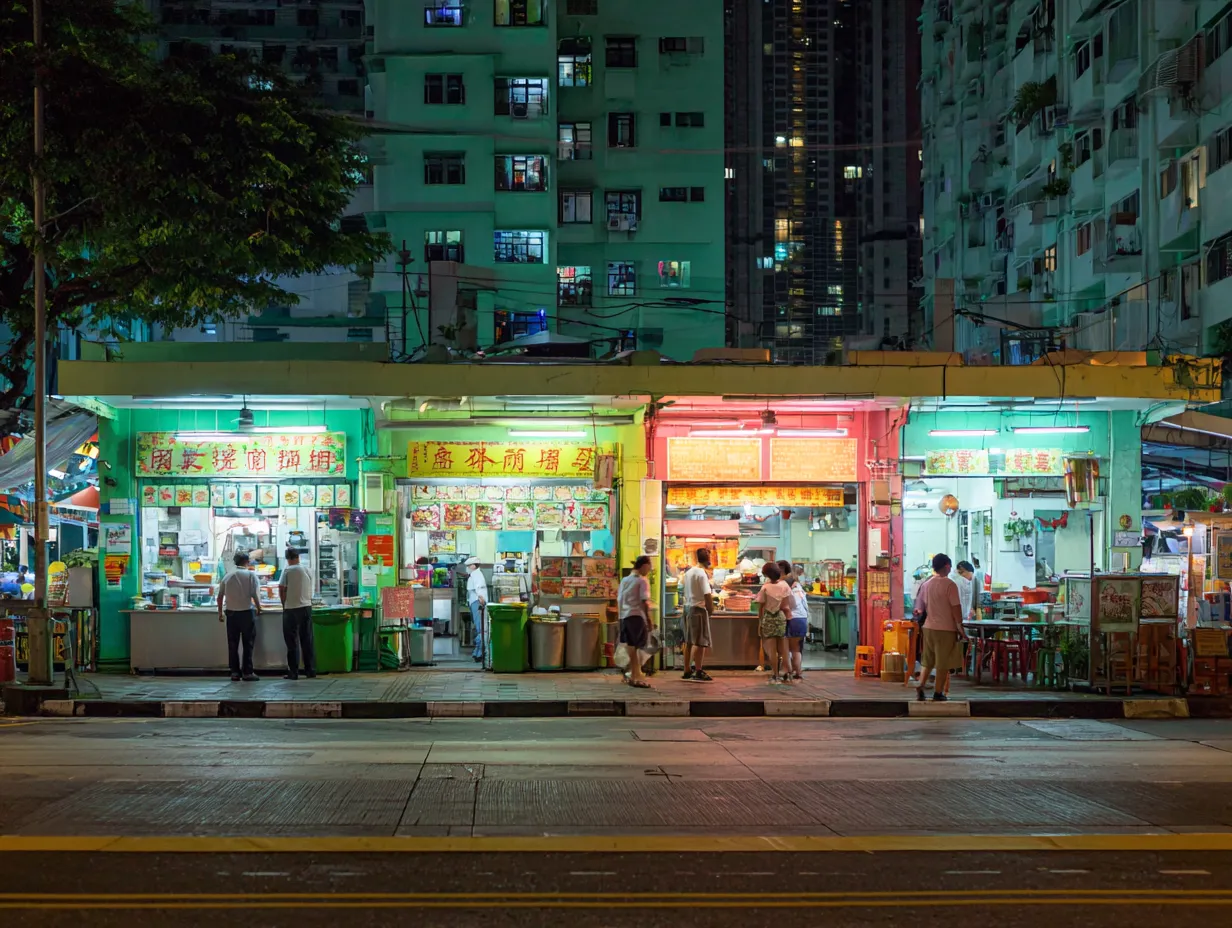
You’ll find excellent chicken rice across Singapore — from heartland coffee shops to famous hawker centres and modest stalls. Tiong Bahru, Maxwell Food Centre, Newton Food Centre and East Coast neighbourhood kopitiams all host stalwarts and hidden gems. Changi Village and older estate markets like Ang Mo Kio still serve reliable, traditional plates.
When exploring, look for queues that move quickly, chickens with evenly carved bone-in portions and rice that appears glossy (a sign it’s been cooked in stock and fat). Don’t be afraid to ask the vendor whether the chicken is poached or roasted — many stalls cook both and will offer combo plates.
Ordering is simple but there are local shorthand phrases: ask for 'chicken rice' (with poached chicken), 'roast chicken rice' if you prefer char, or 'half chicken' for larger groups. Specify 'less oil' if you want the rice slightly lighter, and request 'with soup' to get the traditional clear stock.
Eating like a local means mixing: a dab of chilli, a smear of ginger-scallion and a lick of dark soy. Eat with a spoon and fork — spoon for rice and soup, fork to steady the chicken. Share plates when possible to try different styles in one sitting.

Singapore’s chefs and home cooks continually reinvent chicken rice — think deconstructed plates in cafes, Hainanese chicken pies in bakeries, or sous-vide experiments. Yet many locals still crave the straightforward hawker version: precise cooking, familiar condiments and that comforting soup.
If you want to try making it at home, start with a trusted recipe that walks through poaching gently and flavouring the rice with stock and fat. For an easy weeknight approach, the rice-cooker method preserves texture and simplifies the process without losing authenticity.