Neighbourhood mamak & hawker favourites
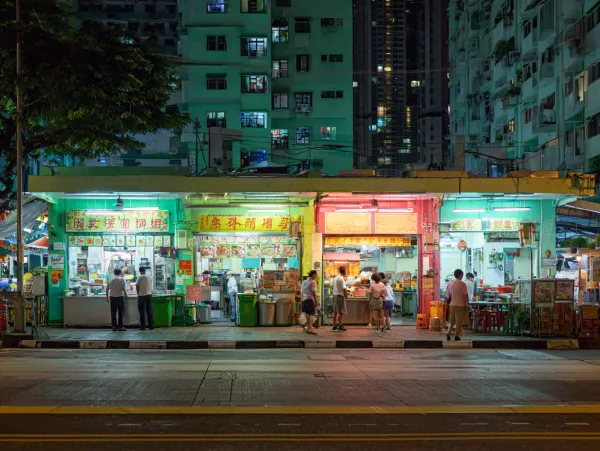
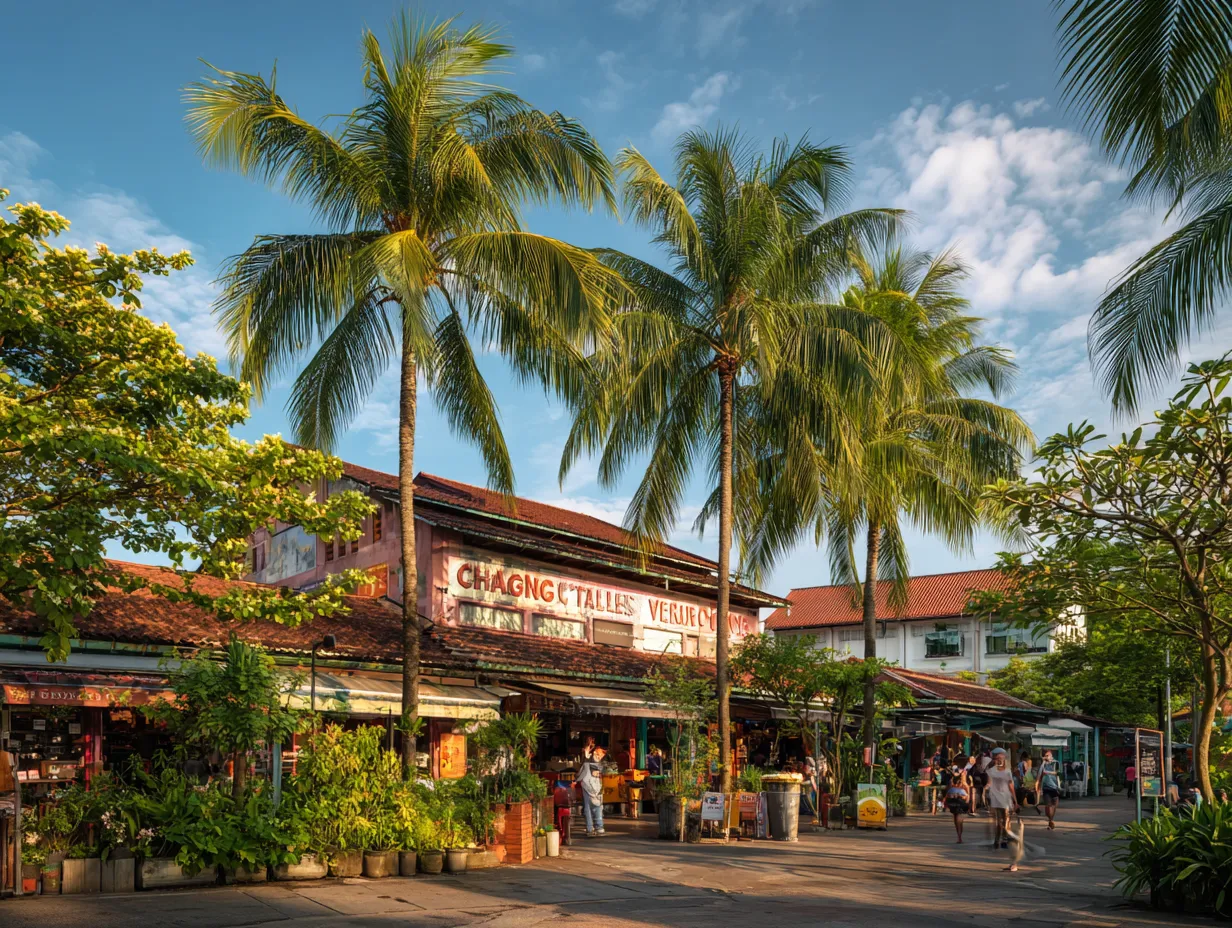
Changi Village Hawker Centre
Neighbourhood hawker centre in Changi Village known for classic Singaporean hawker stalls, seafood bites and kopi kaya t...
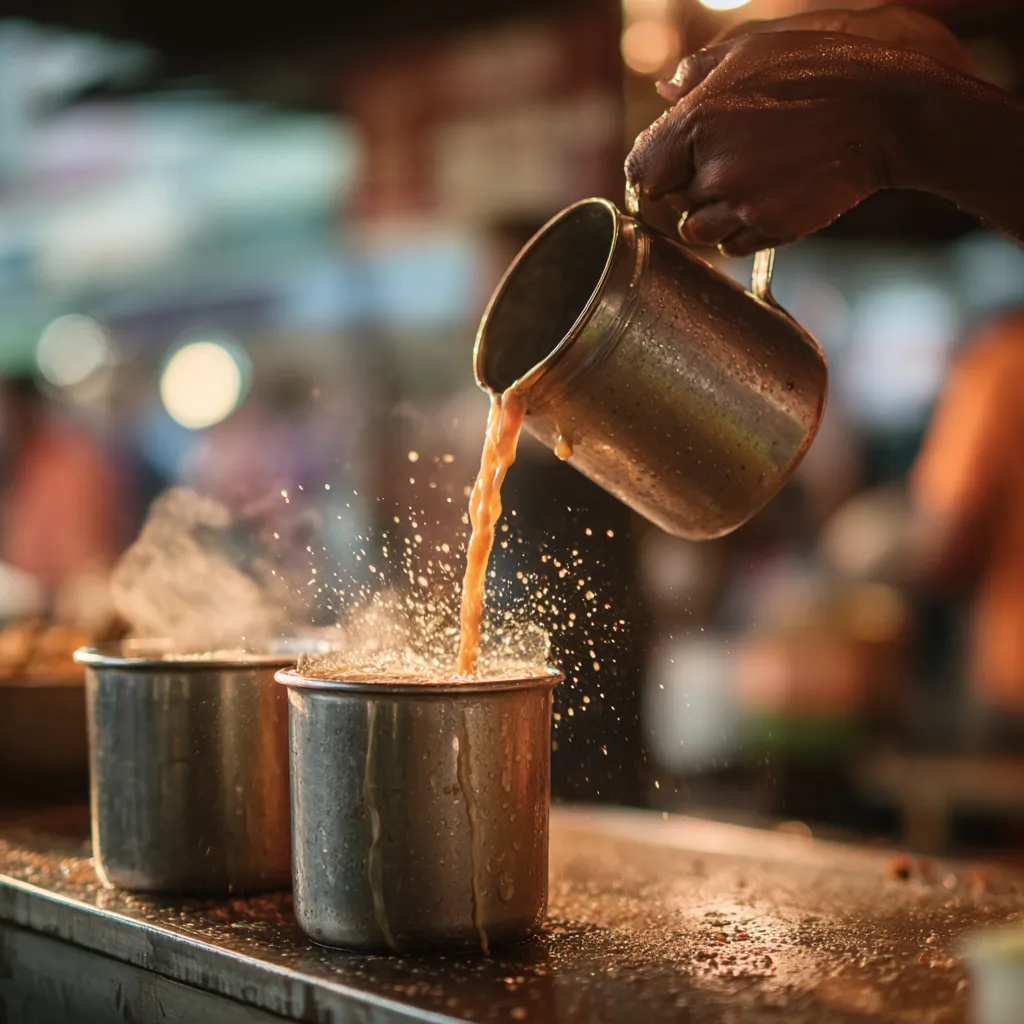
A Singapore-focused deep dive into the chemistry and craft behind the perfect teh tarik pull — how technique, tea and milk create the frothy cup you find at kopitiams and hawker centres across the island.
The pull is half theatre, half chemistry — done right it changes the tea’s texture and tames the bitterness.
Look for warm metal jugs and steady queues; that’s usually how you spot a stall that cares about its pull.
Teh tarik is more than a hot milk tea — it’s a ritual you’ll spot from Orchard to Katong and in every kopitiam and hawker centre from Tiong Bahru to the East Coast. The dramatic ‘pull’ is as much performance as it is preparation, and in Singapore the drink sits comfortably between Malay, Indian and Chinese kopi cultures.
For many Singaporeans, a morning teh tarik at a neighbourhood kopitiam is part of the daily routine; for visitors it’s an accessible introduction to hawker culture. Understanding the science behind the pull helps you appreciate why some stalls always have a queue and why the same drink can taste so different from place to place.
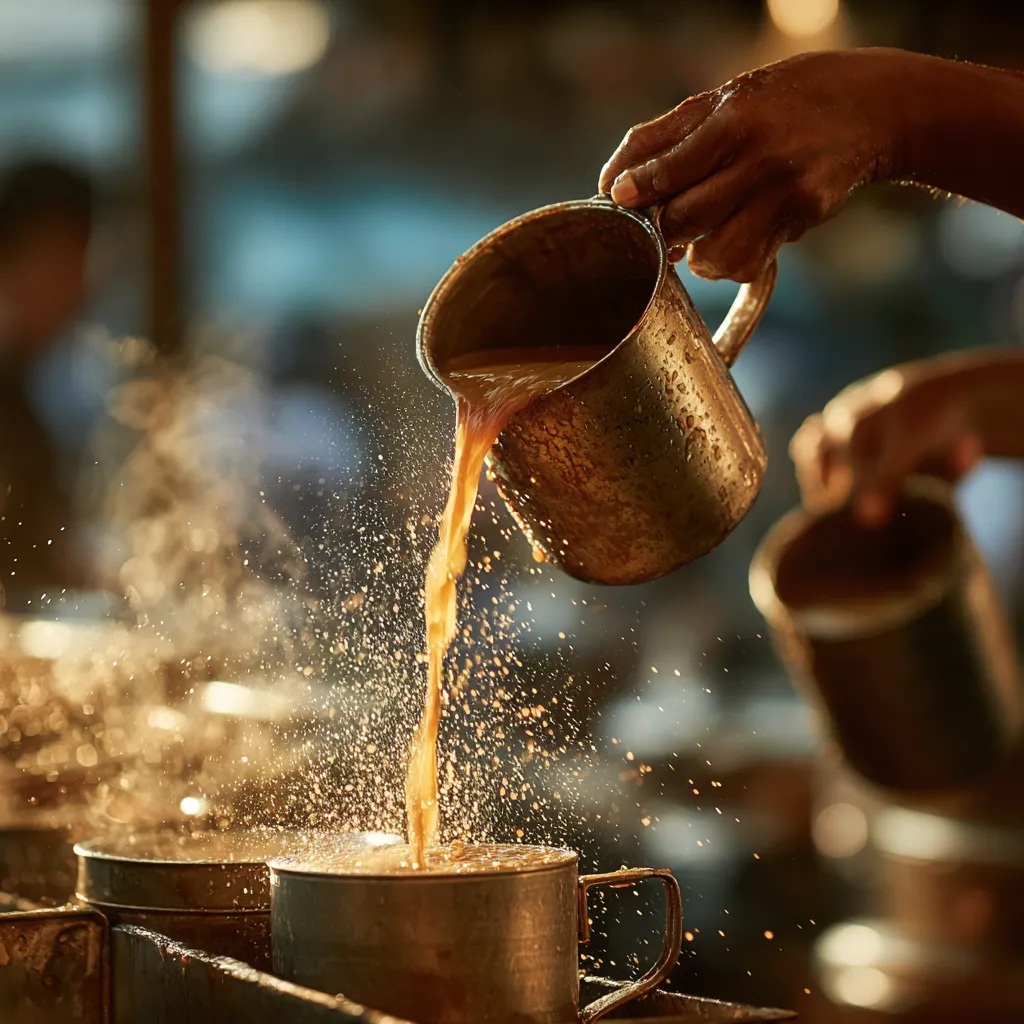
At its simplest, pulling tea introduces air and cools the liquid rapidly by stretching it between two vessels. Aeration creates a stable foam layer and tiny bubbles, which change the mouthfeel and perceived sweetness of teh tarik.
Chemically, hot brewed tea contains dissolved compounds (caffeine, tannins, oils from the tea leaves). Rapid cooling during the pull reduces bitterness perception by altering how those tannins interact on the tongue, while the mechanical agitation helps emulsify the condensed milk — producing a silkier, more rounded flavour.
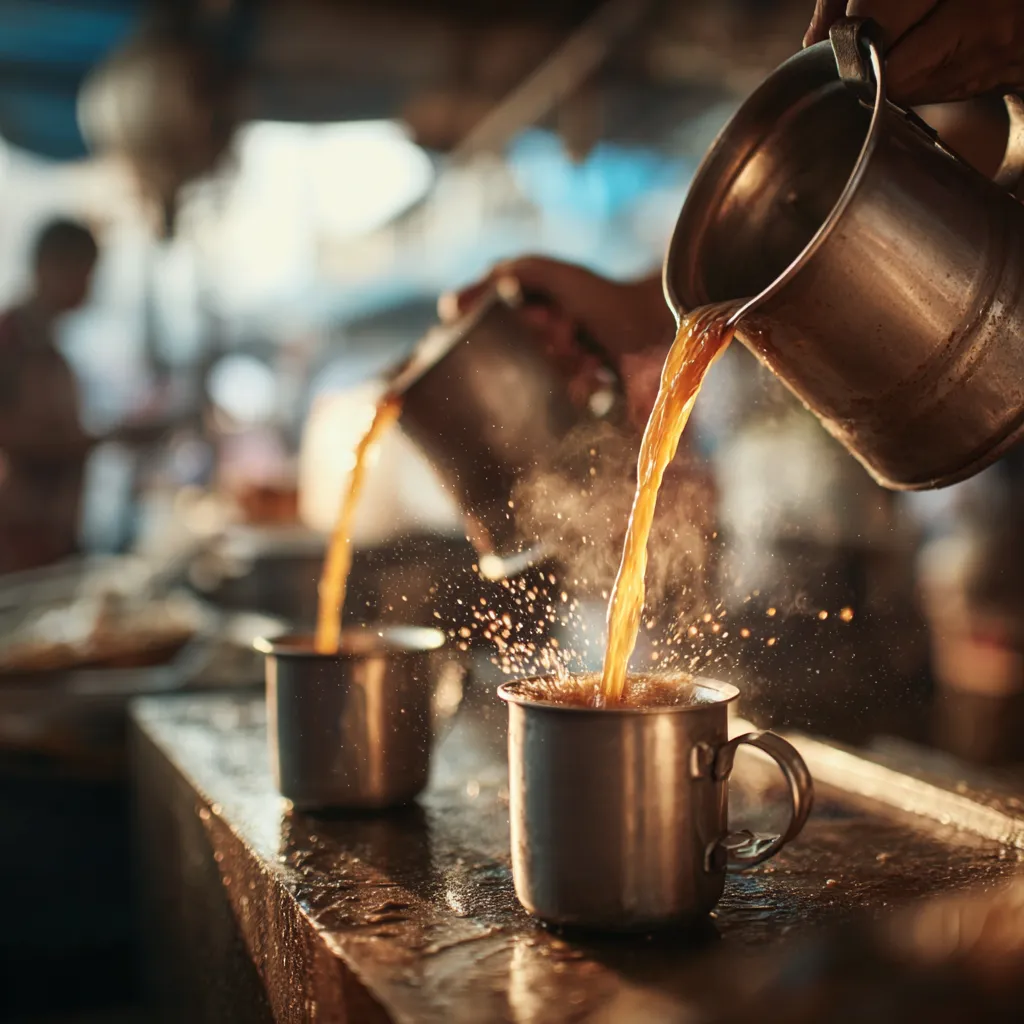
Start with a strong, well-steeped black tea (commonly CTC or strong Assam in Singapore), mixed with evaporated milk and condensed milk to taste. The ratio varies by stall — some prefer richer, sweeter blends; others keep it lighter.
Use two heatproof metal jugs: keep one high and one low. Pour slowly from high to low for the first few passes to avoid splashing, then increase distance for more aeration. Aim for a smooth, continuous stream that glides rather than sparks; practice controls droplet size and bubble formation.
Key control points: wrist angle (not just arm), consistent stream width, and timing — too many passes cool the drink excessively, too few leave it flat. Finish with a final short pull to create a lasting foam cap before serving.
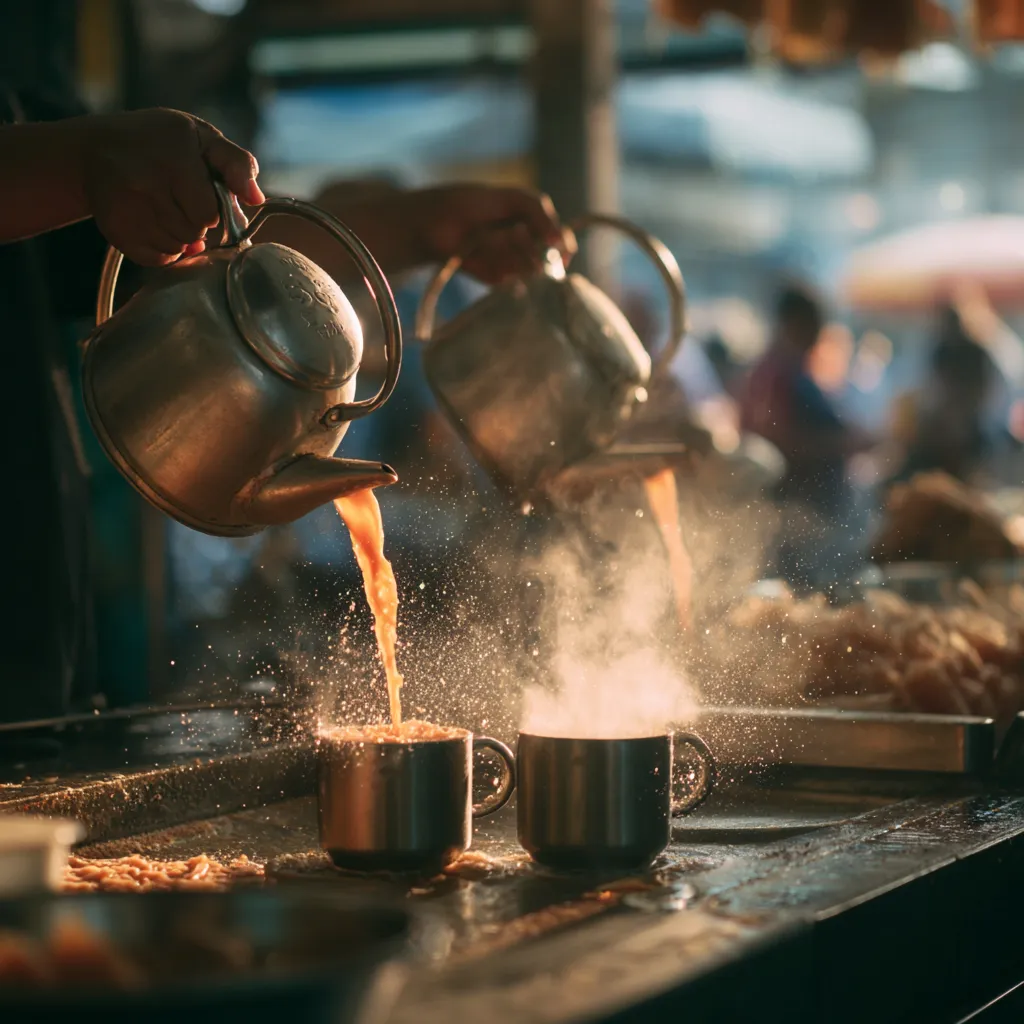
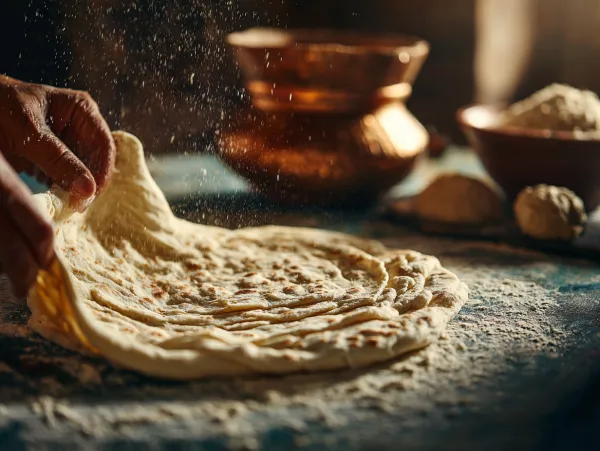
Great teh tarik can be found across neighbourhoods — from sunrise mamaks in Little India to evening kopitiams in Tiong Bahru. Try it with classic pairings: roti prata for a savory-sweet combo, toast and kaya for breakfast, or a plate of mee goreng for supper.
When hunting for the best pull, look for stalls with steady queues (the tea is constantly refreshed), vendors who warm their metal jugs (a sign of care), and those who match the tea’s strength to your sweetness preference — many will ask ‘less sweet, more sweet?’
When ordering, be specific: say ‘teh tarik less sugar’ or ‘tarik kosong’ (no condensed milk) if you prefer. If you’re at a mamak stall, it’s polite to queue and grab a seat once your number is called — many kopitiams are self-service for food but stall-service for drinks.
Avoid the common mistake of judging a stall by theatrics alone: a long, showy pull looks impressive but taste and balance matter more. Also, don’t assume every vendor uses the same milk blend — ask if you want it lighter for early mornings or richer for an indulgent treat.