
Make traditional pineapple tarts
Pineapple Tarts (Golf Ball / Enclosed)
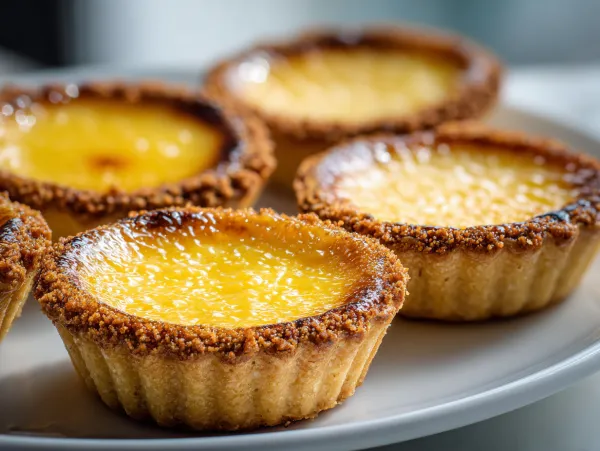
Singapore-style enclosed pineapple tarts (golf ball) — buttery pastry wrapped around homemade caramelised pineapple jam,...
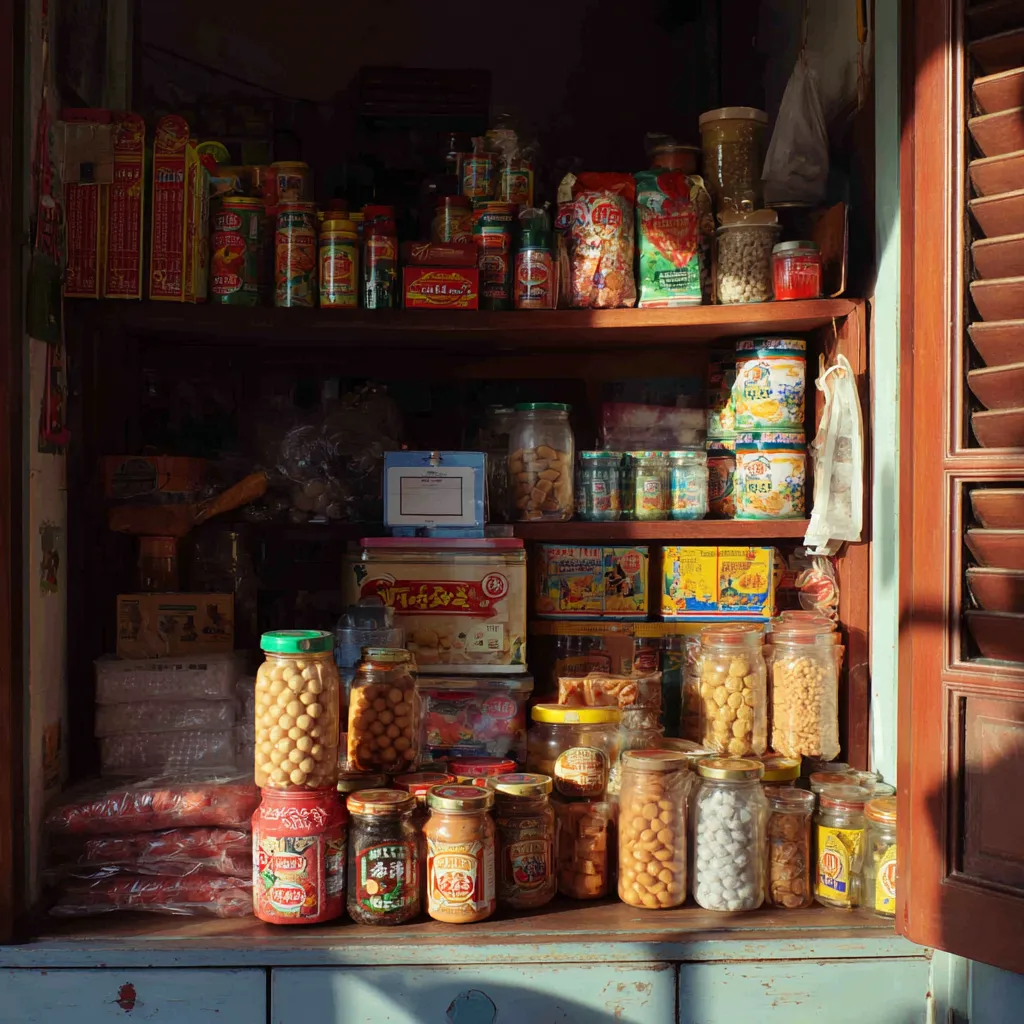
A warm Singapore guide to the mama‑shop snacks many of us grew up with — what to buy, where to find them across neighbourhoods, and tips for tasting like a local.
Mama shops are where our snack stories begin — small shelves, big memories.
Point, pay, and sit at the kopitiam: that’s how you taste Singapore childhood.
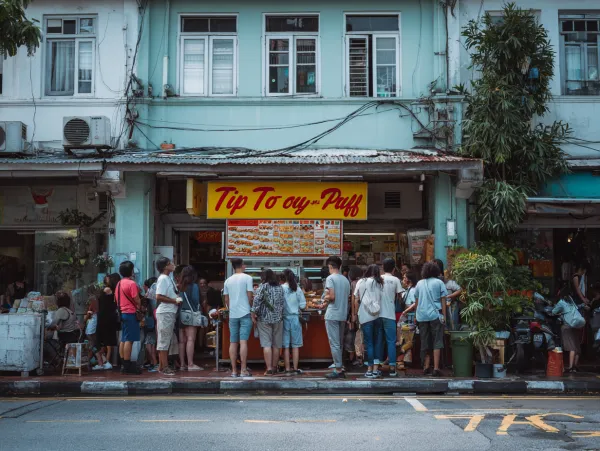
Mama shops — the small neighbourhood sundry stores tucked into kopitiams, HDB void decks and shophouse corners — are where many Singaporeans first discovered a world of packaged treats and local biscuits. They’re less about gourmet trends and more about ritual: the weekly pocket money buy, the prize from completing homework, the chat with the uncle manning the counter.
These shelves hold cultural memory; the same packets passed along generations, familiar logos, and sweets that taste like family gatherings in estates from Tiong Bahru to Tampines. This section explains the nostalgia and why these snacks still matter in a city that moves fast.
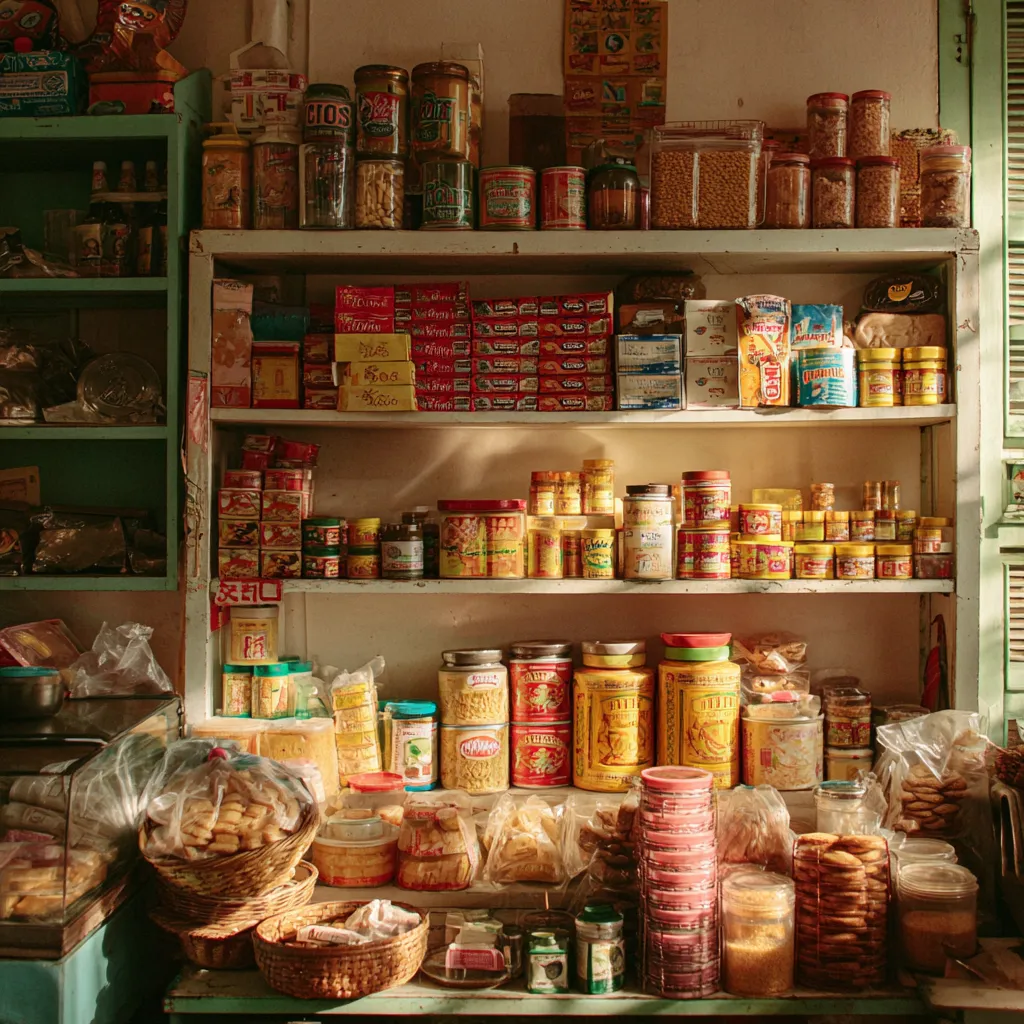
Mama‑shop counters stock a unique mix: crunchy crackers and shrimp chips, love letters (kueh kapit), pineapple tarts and other festive biscuits, salted plum packets, murukku and sev for the savoury tooth, plus local kueh slices like kuih lapis in plastic. Some items were seasonal — pineapple tarts at festive times — while others lived on the everyday shelf.
Try a combination of sweet, salty and tangy: pair a salted plum with a plain biscuit to cut through the sweetness, or enjoy love letters with kopi for an authentic kopitiam snack break.

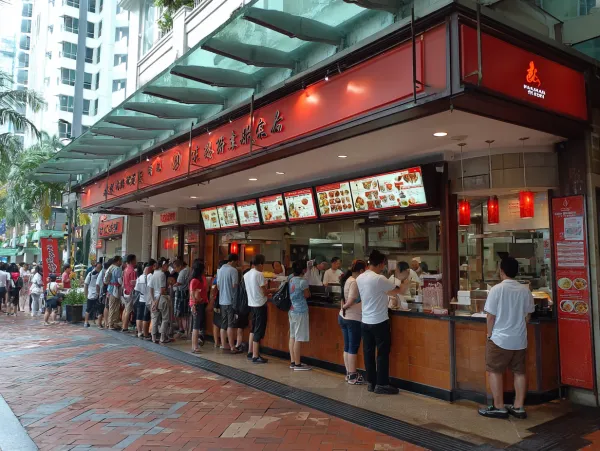
Mama shops still dot heartland neighbourhoods and old shophouse districts. For a real throwback stroll, visit Tiong Bahru kopitiams, the rows of sundry shops around Geylang Serai, or small retailers beside hawker centres in older estates like Ang Mo Kio and Toa Payoh. Orchard and CBD have fewer true mama shops, but you’ll find retro-themed kiosks and bakery counters in places like Chinatown and Bugis.
Don’t overlook weekend markets, pasar malam pop-ups and small bakery stalls in markets such as Tekka Centre and Changi Village — they often stock local biscuits, kuih and festival snacks that feel right out of a mama shop shelf.

Mama shops are casual: point, ask for a small pack, and bring exact change if possible — many still prefer cash. A polite “Excuse me, can I have one packet?” or using a finger to point at the price tag gets things done. If you’re buying freshly wrapped kuih or tarts, ask if they’re home‑made or from a bakery and when they were packed.
When eating, embrace the ritual: pair snacks with kopi or teh at the kopitiam, share a small paper bag with friends, and try mixing sweet and savoury bites to recreate that recess‑time flavour memory.

Some favourites are easy to recreate at home — pandan chiffon slices, simple butter cookies or pineapple tarts — and baking them is a lovely way to connect with the past. Others are best bought ready-made: the fragile crisp of love letters or the exact tang of salted plum can be tricky to reproduce.
If you want to explore recipes or try modern spins, local bakeries and online tutorials bridge the gap between nostalgia and today’s kitchens — or simply trace your route through old neighbourhoods and sample straight from the source.