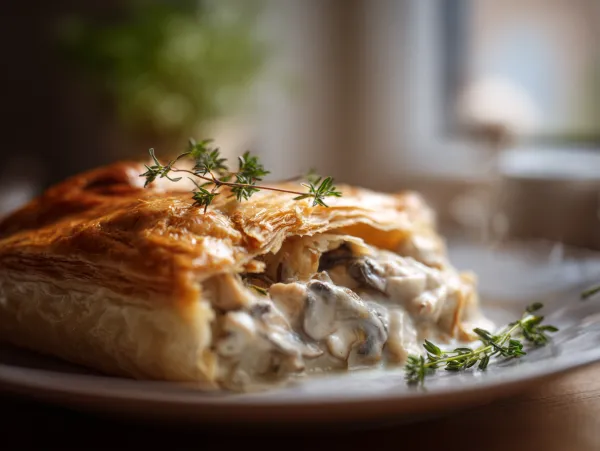

Make a flaky chicken pie at home
Flaky Puff Pastry Chicken Pie
A Singapore-style baked chicken pie with flaky puff pastry and a creamy, savoury filling — oven-baked to golden perfecti...
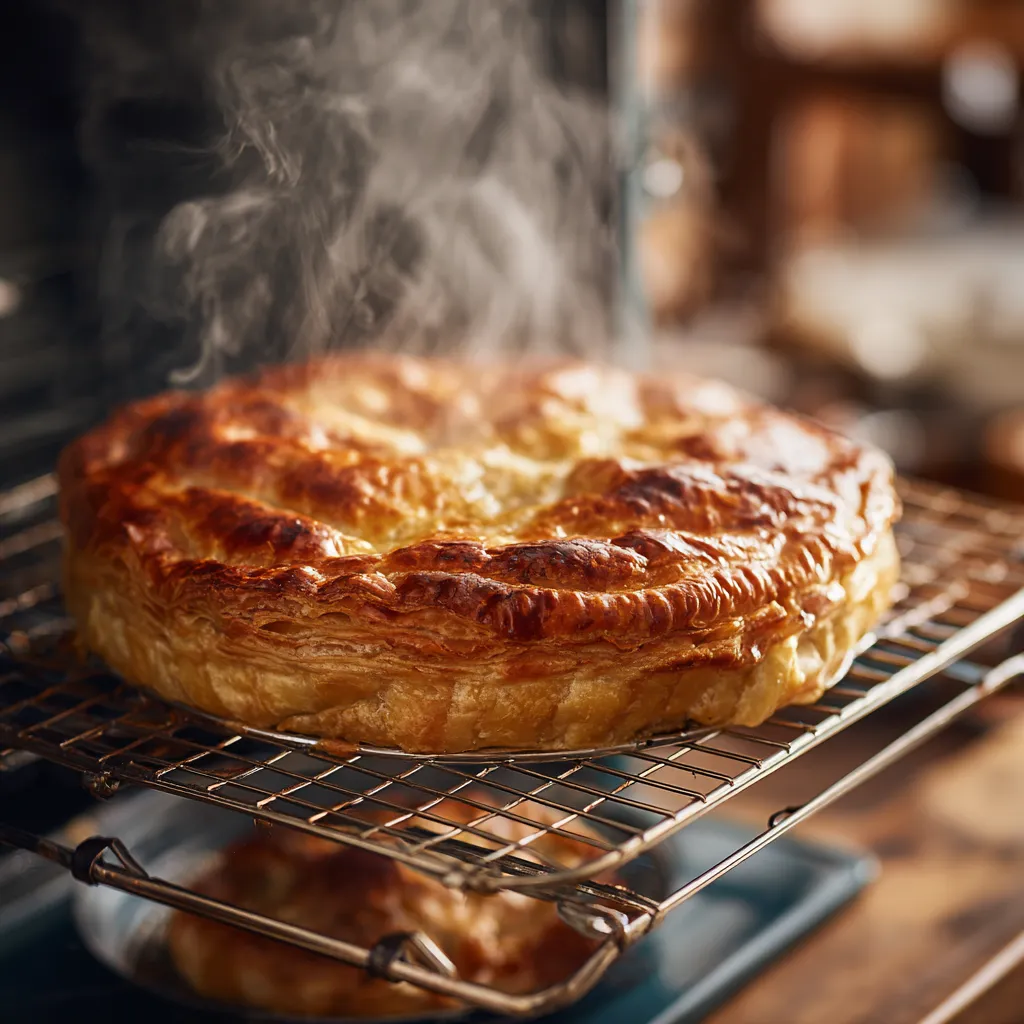
A concise Singapore guide to reheating frozen pies — from air fryer to oven — so the crust stays flaky and the filling stays piping hot for kopitiam breaks, supper runs or home makan.
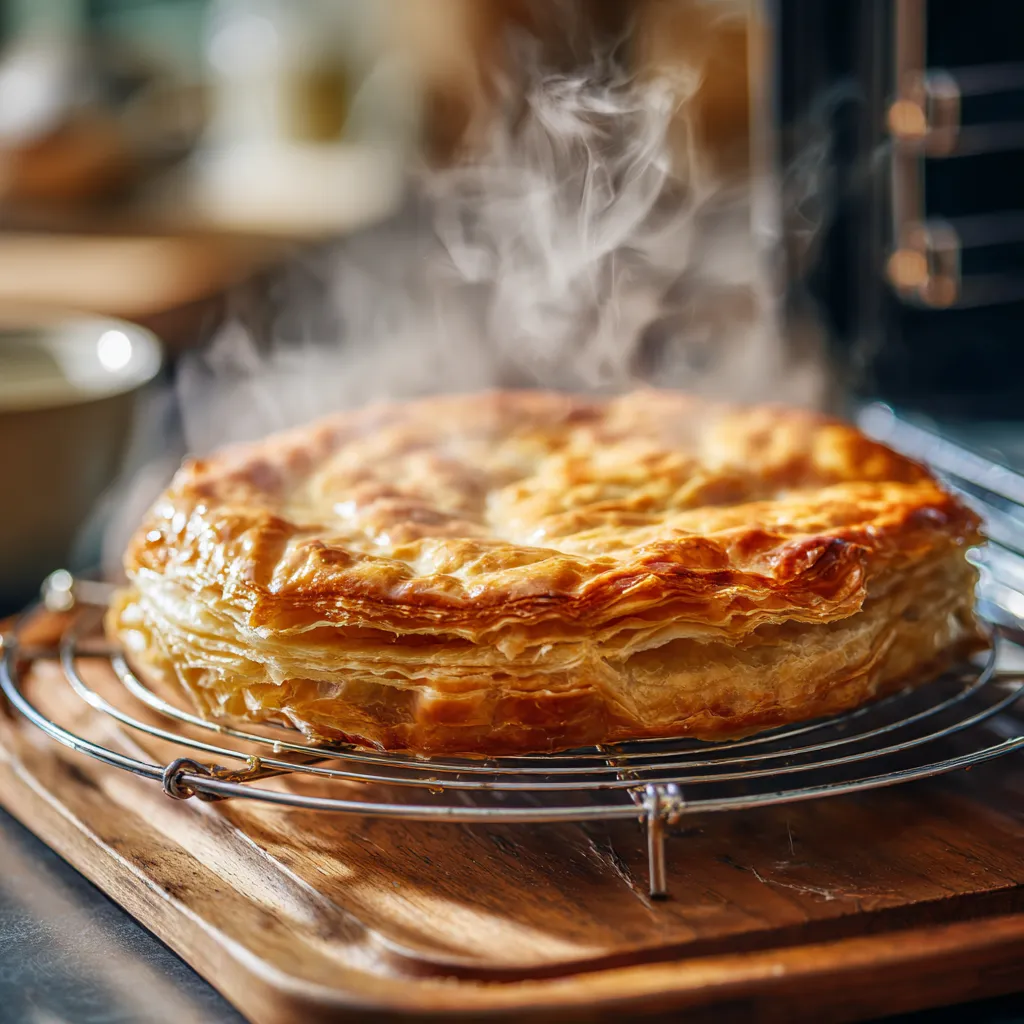
A wire rack and patience are your best friends — they turn a limp leftover into a flaky, crispy pie again.
Air fryers are a game-changer for flaky pastry — think fast, even heat and minimal fuss.
Pies are a popular grab-and-go snack across Singapore — from Kopitiams to cafes in Tiong Bahru and Katong — but a soggy bottom or floppy top can ruin the experience. How you reheat a frozen pie determines whether the crust returns to its original flaky glory or turns limp and chewy.
This guide focuses on practical methods available to most households here: oven, air fryer, toaster oven and skillet. I’ll also include quick tips for kopi breaks, office microwaves and supper runs after a night at the hawker centre.
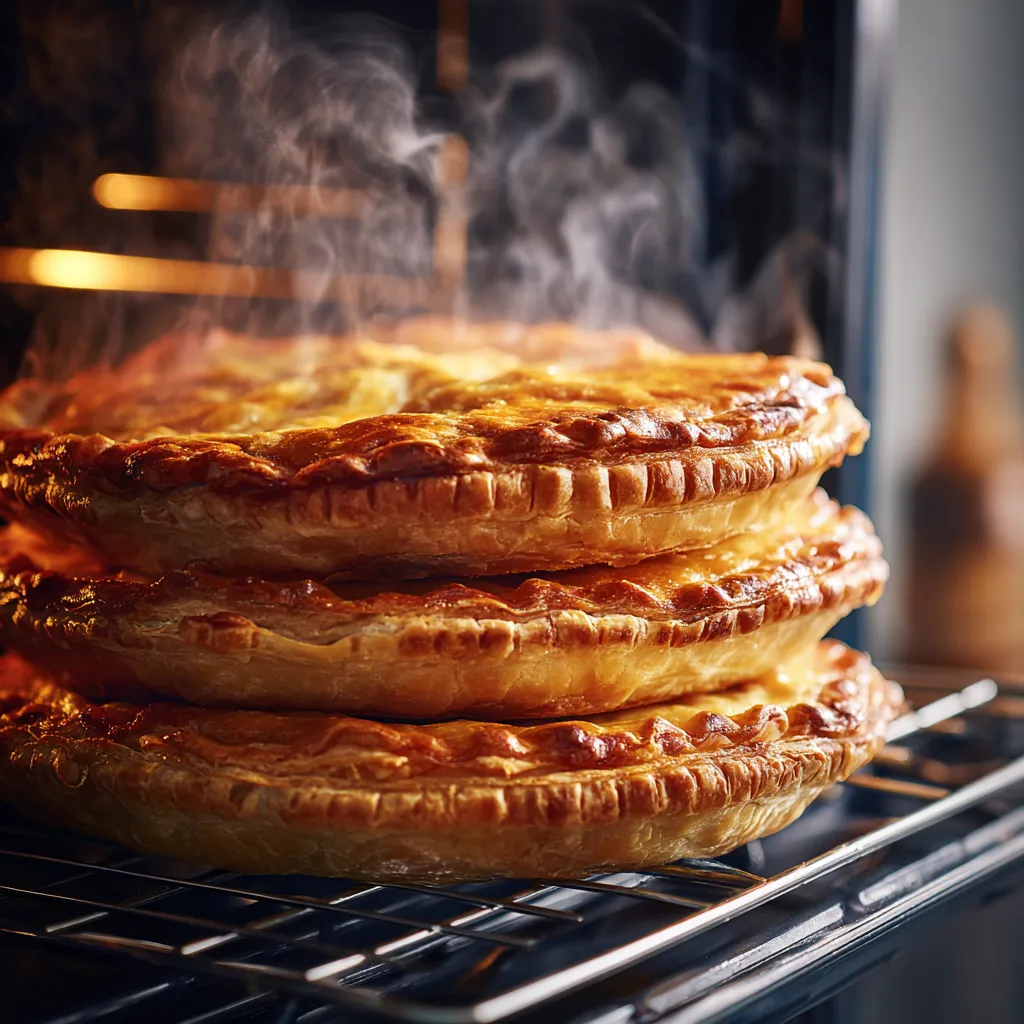
Air fryer: fastest route to a crisp shell. Preheat to 170–180°C, use a wire rack if possible, and reheat for 8–12 minutes (larger pies need more time). The circulating hot air crisps puff pastry and shortcrust alike.
Oven: the safest method for even reheating, especially for deep-filled pies and pot pies. Preheat to 180°C and place pies on a baking tray over a wire rack. Reheat for 15–25 minutes depending on size; cover with foil if the top browns too quickly.
Skillet (pan-toasted): ideal for flaky-topped savoury pies when you want a crisp base without firing up the oven. Use medium-low heat, lid on for a few minutes to warm the filling, then remove lid briefly to evaporate moisture and crisp the crust.
Microwave: fastest but most likely to make crust soggy; use only for thawing or when combined with a crisping step (see combined methods below).
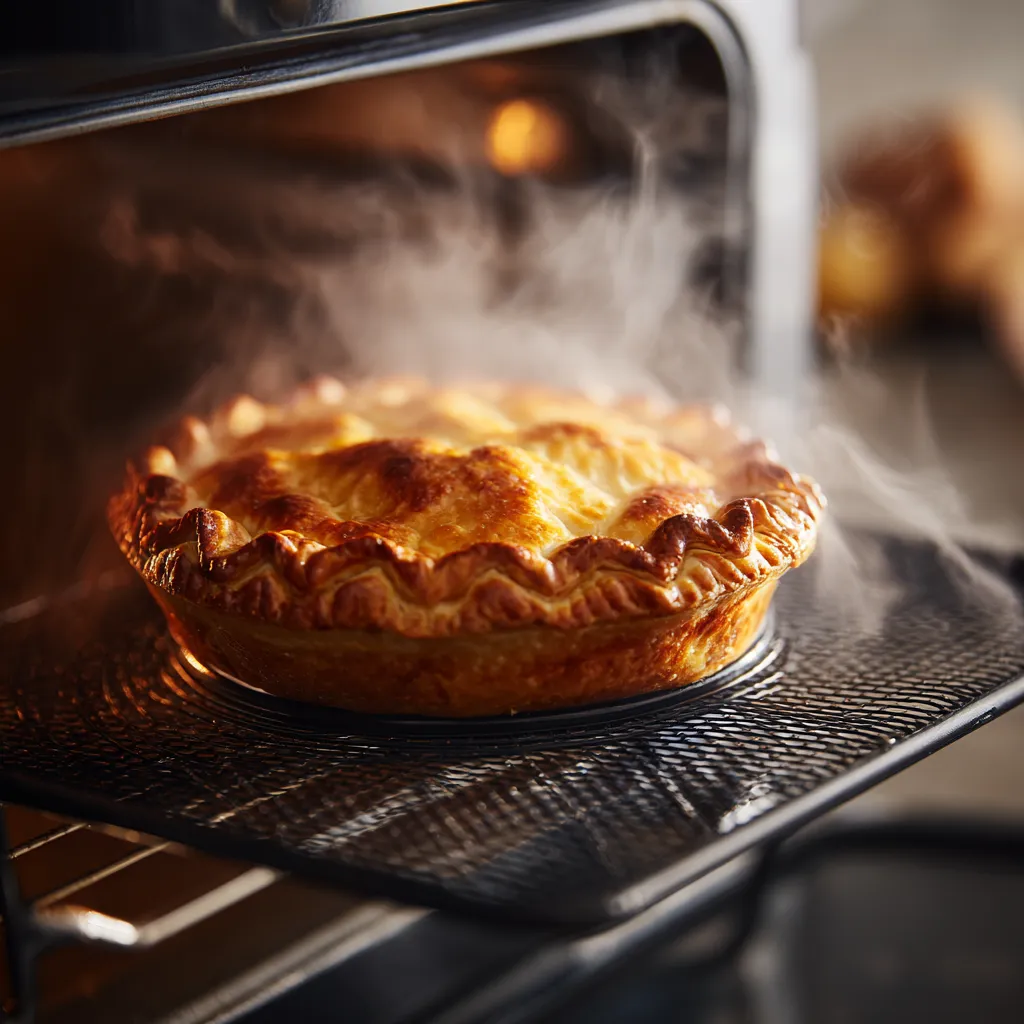
1) If frozen solid, ideally thaw in the fridge for 6–12 hours. Thawing cuts reheating time and reduces over-browning while allowing filling to heat through evenly.
2) Preheat your appliance: 170–180°C for air fryer, 180°C for oven. Use a wire rack so air circulates under the pie — this prevents a wet base.
3) Protect delicate tops: tent foil loosely if the crust is browning too fast while the centre is still cold. For puff pastry, a short initial blast at higher heat (200°C for 3 minutes) followed by lower heat helps puff layers.
4) Always check internal temperature: aim for 74°C (165°F) for meat fillings. Let pies rest 2–3 minutes after reheating so the filling sets and steam escapes — this improves texture and avoids scalding your mouth.
Office microwave + toaster oven: microwave on low power for 30–60 seconds just to knock the chill off, then transfer to a toaster oven (200°C for 5–7 minutes) to restore crisp. Great for CBD lunch crowds who bring frozen pies from home.
Stovetop rescue: cover a pan with a lid and warm the pie gently to heat filling, then finish uncovered on a medium flame with a splatter guard and a few drops of oil under the pie to crisp the base.
For hawker-bought pies or takeaway from places like Don Pie or Windowsill Pies, ask if they’ll reheat slightly before handing over — many will oblige if you explain you plan to travel home.
Skipping the rack: reheating directly on a tray traps moisture under the pie and yields a soggy base. Elevate pies on a wire rack for better airflow.
Too high, too fast: burning the top while the centre remains cold is a common issue. Reduce temperature and increase time, or tent with foil.
Microwaving alone: it heats water molecules quickly, making crust chewy. Always use a crisping step after microwave thawing.
Ignoring filling safety: especially for meat pies, ensure the filling reaches a safe internal temperature (74°C) and avoid repeated reheat cycles — reheat only once.