
Seafood feasts by the water
Jumbo Seafood
Family-style Singaporean seafood restaurant best known for its chilli crab and riverside dining in Clarke Quay....
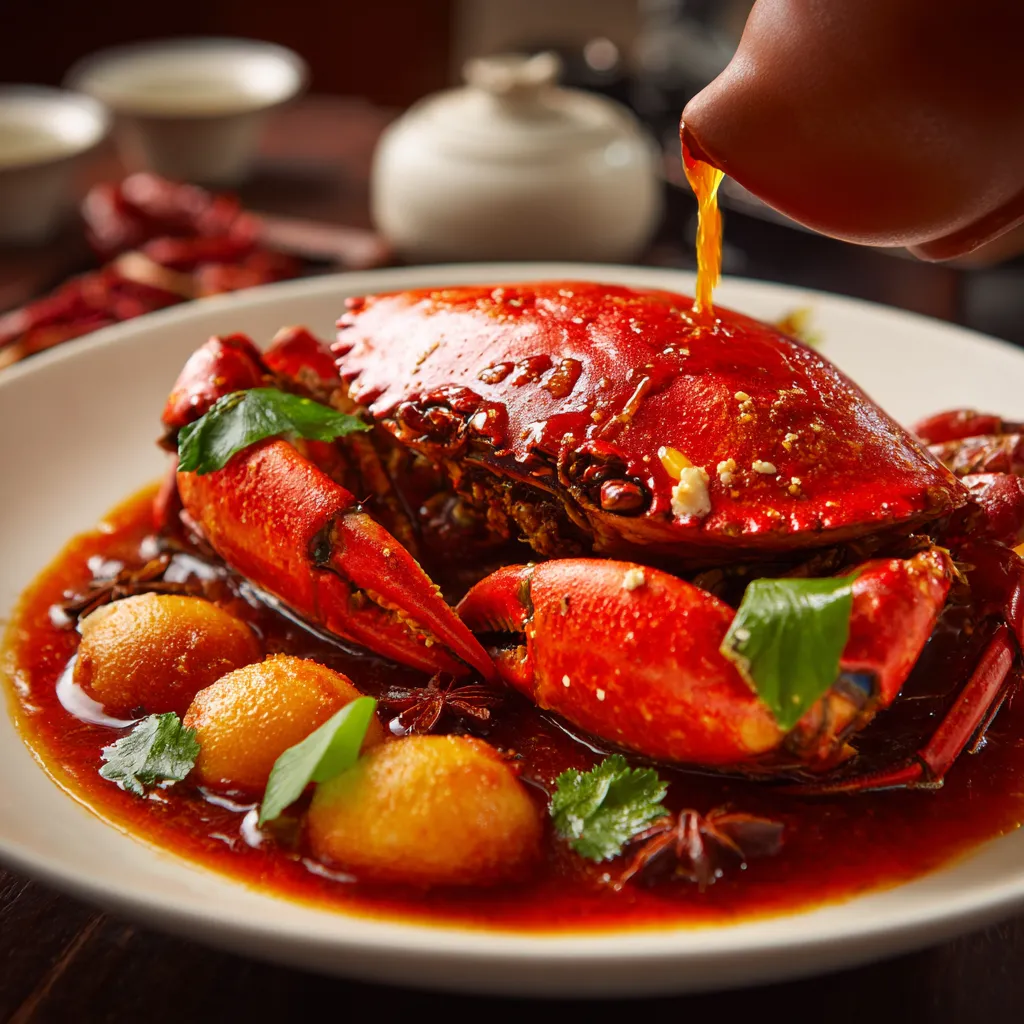
A practical Singapore guide to eating chilli crab like a local — step-by-step tips, tools, and where to go (from East Coast zi char joints to seafood restaurants).
Treat the sauce like liquid gold — mop it up with mantou and don’t waste a drop.
Start with the claws, keep a shell plate handy and accept the bib — it keeps the fun, not the mess.
Chilli crab is one of those dishes that says ‘Singapore’ in one messy, delicious mouthful — part seafood feast, part communal ritual. From heartland zi char stalls to waterfront joints at East Coast, locals and visitors alike treat chilli crab as a celebratory dish for family gatherings, birthday makan sessions and long supper nights.
Understanding the right tools and techniques will keep the experience fun (not frantic). This guide shows you how locals approach the crab, how to handle the sauce and where to go if you want the full Singapore chilli-crab vibe.

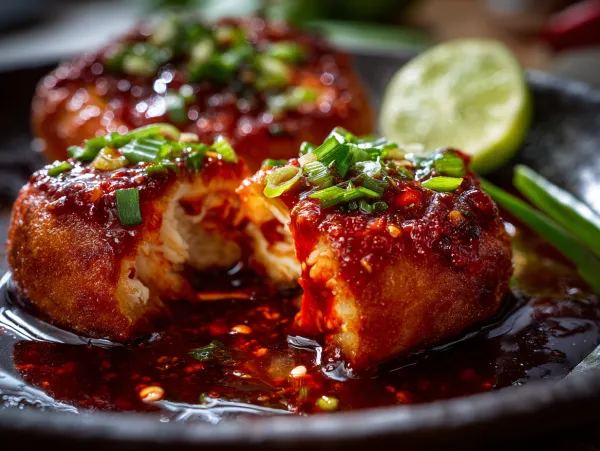
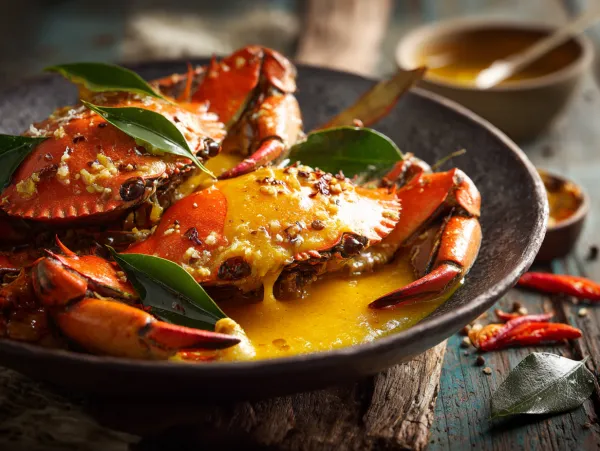
Order by crab size (500g–1.5kg for sharing) and choose your sauce: classic chilli crab, black pepper, or salted egg — each has its own following at kopitiams and restaurants. Ask for extra fried mantou and steamed rice if you like soaking up sauce.
Set up the table: lay out napkins, wet wipes, a shallow bowl of water with a lemon slice for rinsing fingers, and a small plate for discarded shells. If the restaurant provides bibs and gloves, use them — they’re there for a reason.
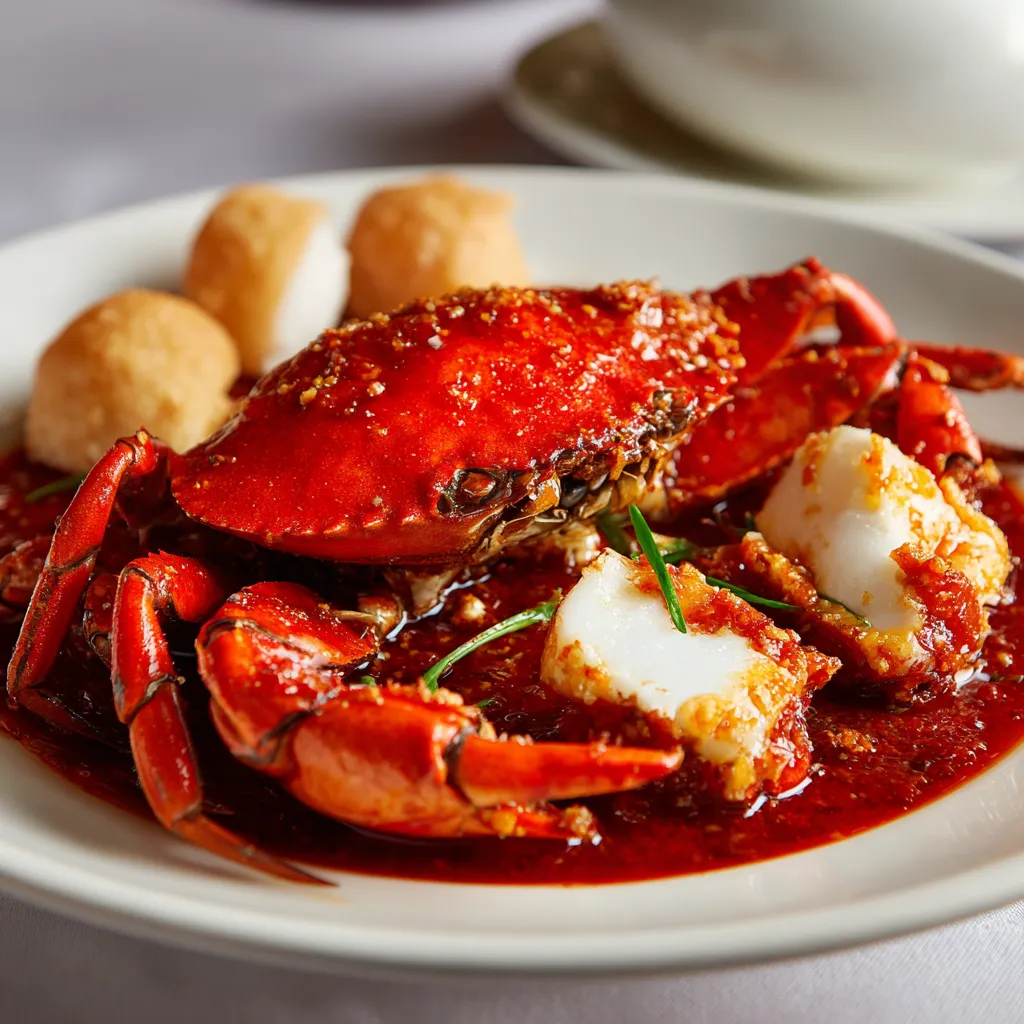
1) Start with the claws: knock the large claw joints gently with the mallet, then use the cracker to open. Scoop meat with a small fork or seafood pick. The claws hold the sweetest meat and are easiest to manage first.
2) Move to the legs and body: twist the legs off and use the mallet as needed. Open the body by prying the top carapace off; inside you’ll find sweet roe and flesh. Use the shell halves as scoops to push meat and sauce onto your spoon or mantou.
3) Savour the sauce properly: spoon sauce onto rice or dip fried mantou. If you prefer less hand contact, ask for a bowl of extra sauce and a serving spoon so you can portion on your plate instead of dunking with hands.
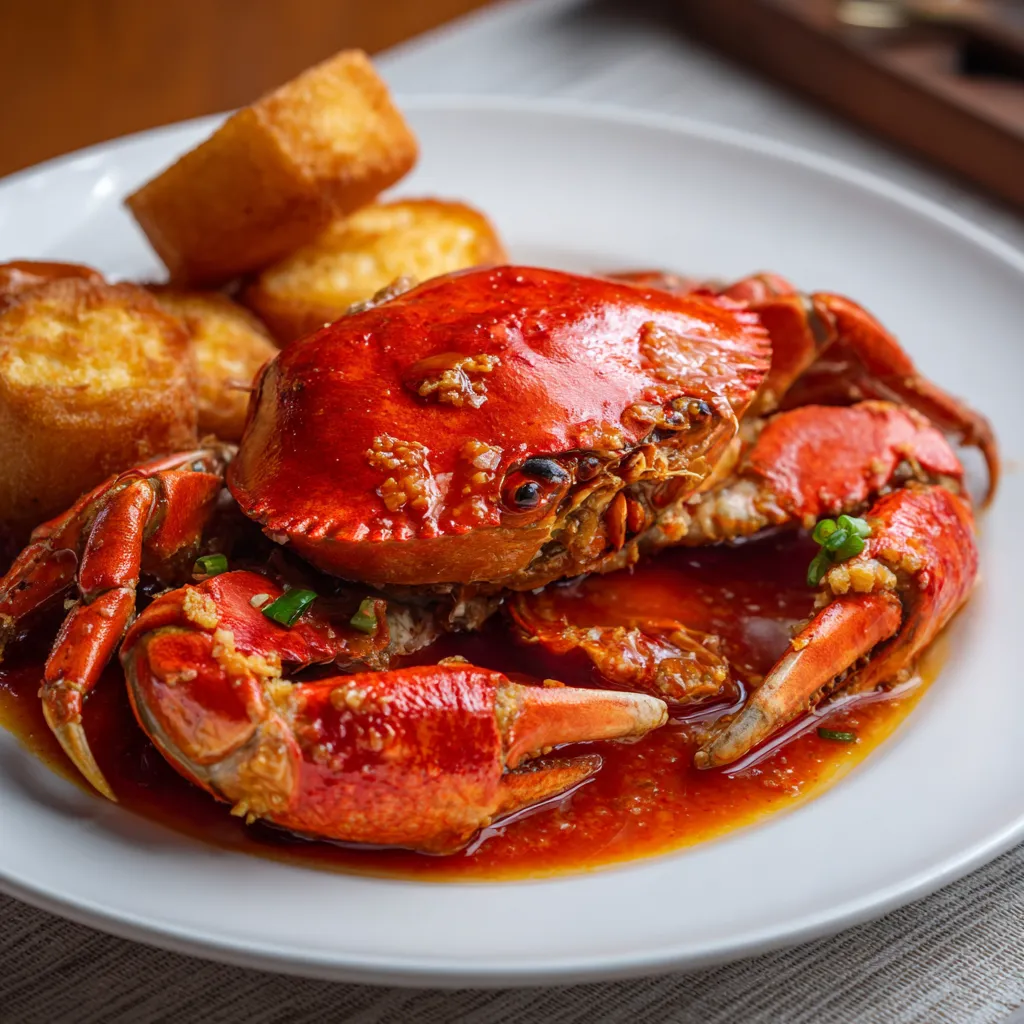
Do: lean in — eating chilli crab is supposed to be hands-on. Do use the communal bins or plates for shells and accept a bib if offered. Don’t: attempt everything at once — rushing increases splatter.
Avoid these common mistakes: wearing white tops if you can help it (the sauce stains), using too much force with the mallet (crab shell shards fly), and trying to eat the whole crab alone — it’s built for sharing.
If you want a full seafood-feast atmosphere, head to the East Coast or one of the island’s landmark seafood restaurants. Restaurants like Jumbo Seafood and No Signboard are long-time favourites for tourists and locals, while zi char joints and waterfront eateries offer a more casual, communal vibe.
For a more local route, pair your chilli crab with a makan trail: start with a kopitiam breakfast, move to a day-market stall for snacks, then finish your evening at a seafood restaurant — that’s a true Singapore way to feast.