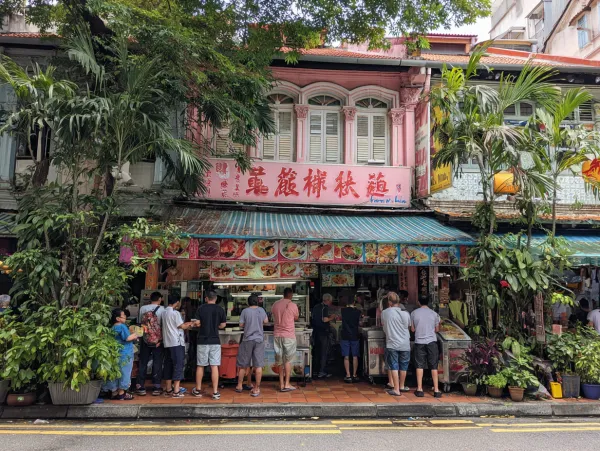
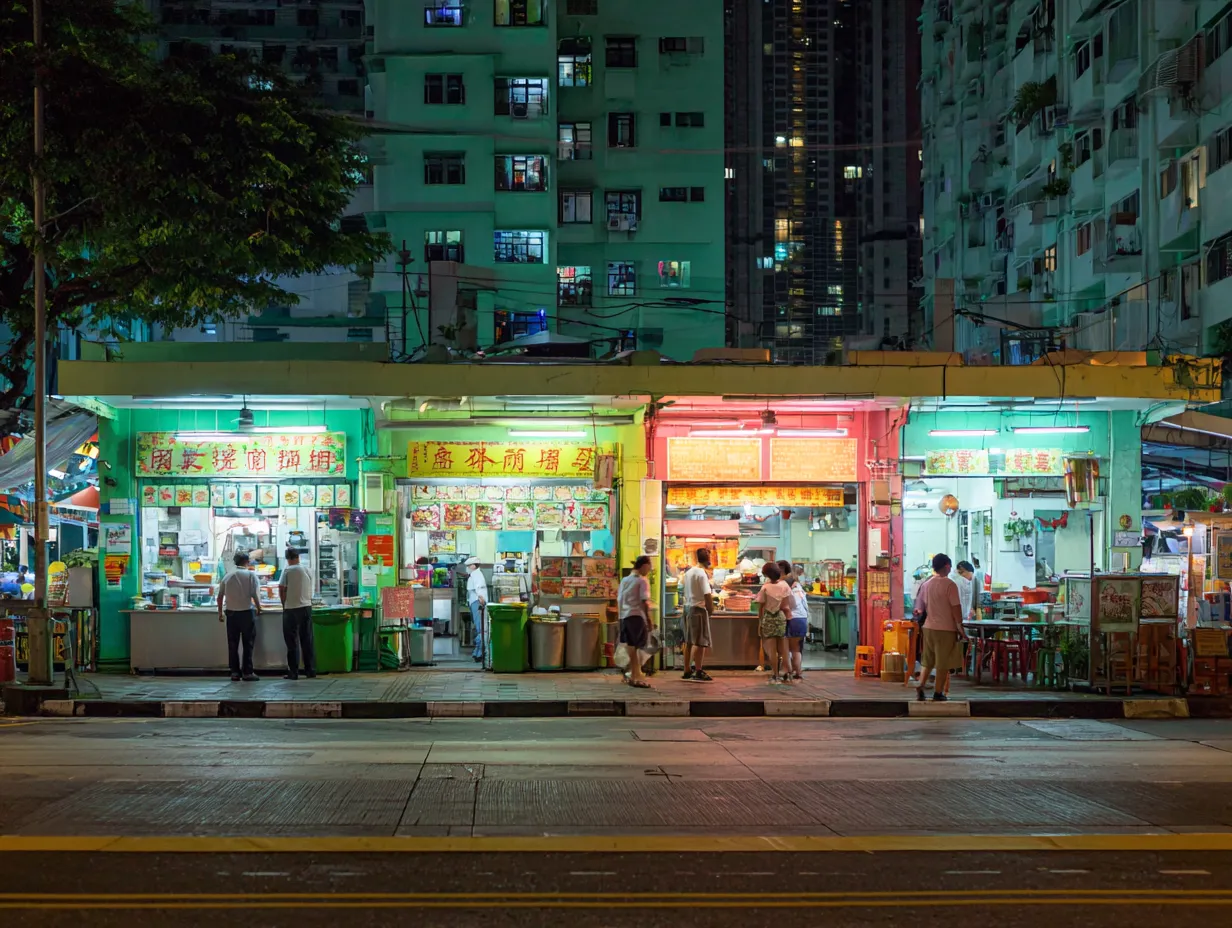
Heritage kopitiam experience
Tiong Bahru Hawker
A bustling neighbourhood hawker centre in Tiong Bahru known for classic Singapore street food and kopitiam-style breakfa...
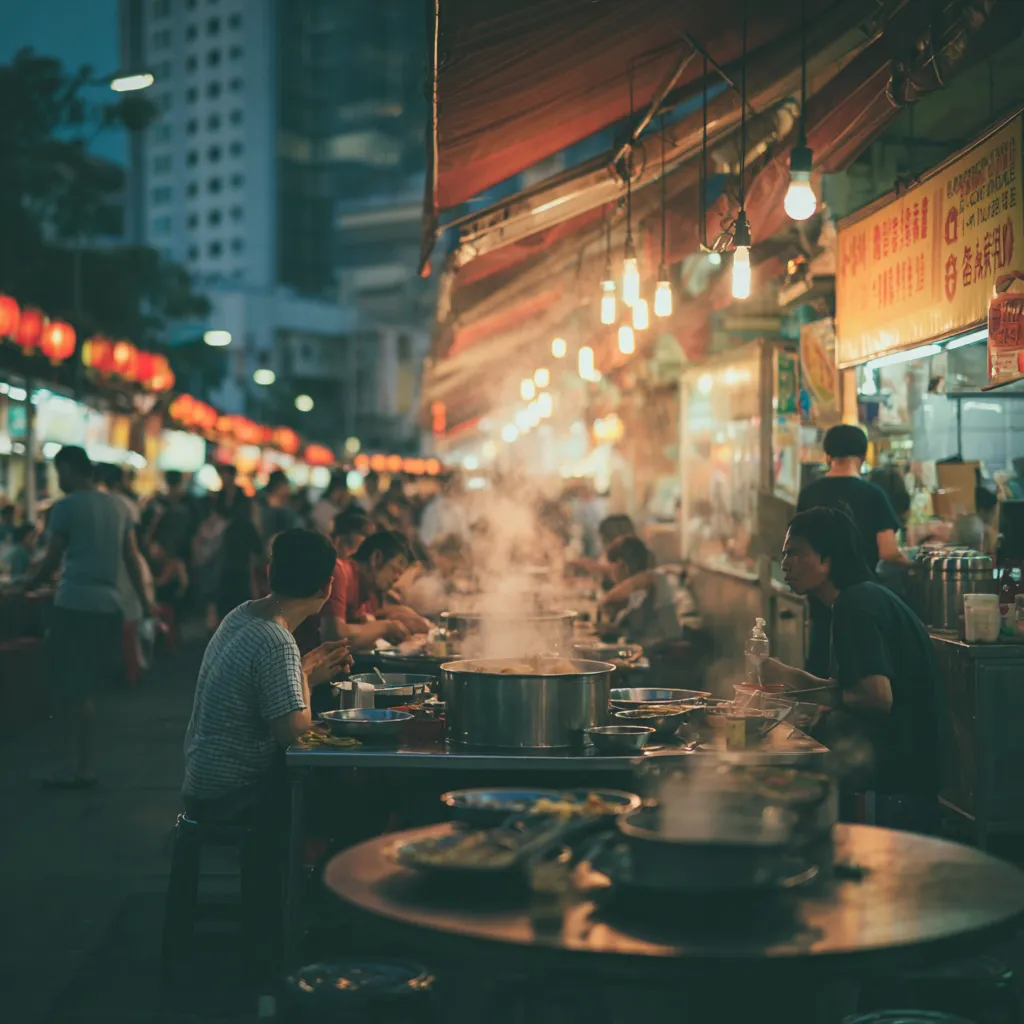
Why Singapore's hawker culture was recognised by UNESCO, what that inscription means for neighbourhood hawker centres and dishes to try when you makan around the island.
Hawker centres are where recipes live, stories are shared and communities meet — that’s what UNESCO recognised.
Ordering at a hawker stall is a conversation: ask, watch, and try the house special.
Hawker food is stitched into Singapore life — from weekday CBD lunch crowds grabbing char kway teow or chicken rice, to late-night supper runs at kopitiams and zi char joints. The UNESCO inscription recognises more than dishes: it honours the skills, social practices and community values that make hawker culture uniquely Singaporean.
For many Singaporeans, a hawker centre is where neighbours meet, generations share recipes and newcomers learn local tastes. This social dimension — communal seating, hawker-customer relationships and recipes passed down through families — is what UNESCO categorised as intangible cultural heritage.

In 2020 Singapore’s hawker culture was inscribed on UNESCO’s Representative List of the Intangible Cultural Heritage of Humanity. The nomination highlighted the role of hawkers as custodians of culinary knowledge, the apprenticeship and training that preserves recipes, and hawker centres as living spaces for social connection.
The inscription doesn’t freeze hawker culture in amber; it aims to support sustainability. That means policies around hawker-training schemes, subsidies for stallholders, and efforts to keep hawker centres viable as landlords, consumer habits and food regulations evolve.

You don’t need a Michelin star to feel the heart of Singapore food — head to neighbourhood hawker centres. Old favourites include Tiong Bahru Hawker for heritage vibes, Maxwell and Chinatown for hawker classics near the CBD, and East Coast or Changi Village for seafood and supper culture.
For distinct regional flavours, try the laksa shops in Katong (Katong laksa), kopitiams around Orchard and Bukit Timah for kopi culture, and Tekka Centre in Little India for Indian-Muslim and South Indian hawker fare. Plan your makan trail to combine nearby stalls so you can sample a variety without battling long transfer times.

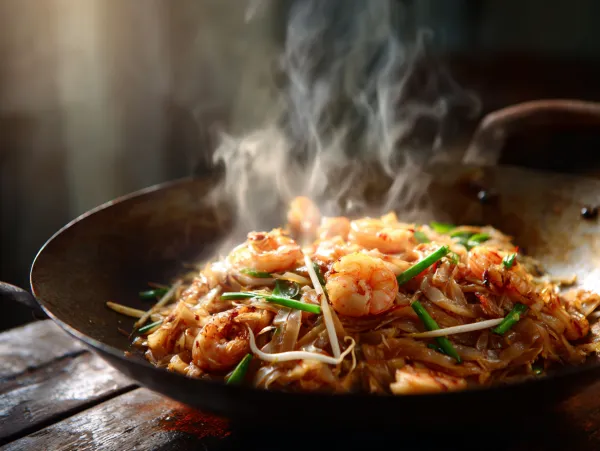
Hawker menus run the gamut from Hainanese chicken rice and chilli crab to laksa, char kway teow, satay and nasi lemak. Order like a local: indicate portion sizes, request 'less chilli' if you prefer milder sambal, and ask for 'dry' or 'soup' versions where applicable (for example, bee hoon).
Sharing is common — many groups order several plates to sample. Pair strong-flavoured mains (laksa, chilli crab) with simpler sides (plain rice or mantou). Don’t be shy to ask the hawker for recommendations; many operators will point out their signature items or a best-seller.
Hawker centres are efficient and communal. Queue at the stall, collect your order, share tables if needed and clear your tray after eating. Cash is still accepted widely, but many stalls now accept e-payments and contactless options — check the stall sign.
If you want to support the culture sustainably, visit lesser-known stalls, attend hawker festivals, and look out for heritage stalls run by families or newly trained hawkers. Avoid fetishising cuisine — appreciate the people and labour behind each plate and respect hygiene rules and no-smoking areas.