Explore a classic heartland hawker centre
Tiong Bahru Hawker
A bustling neighbourhood hawker centre in Tiong Bahru known for classic Singapore street food and kopitiam-style breakfa...
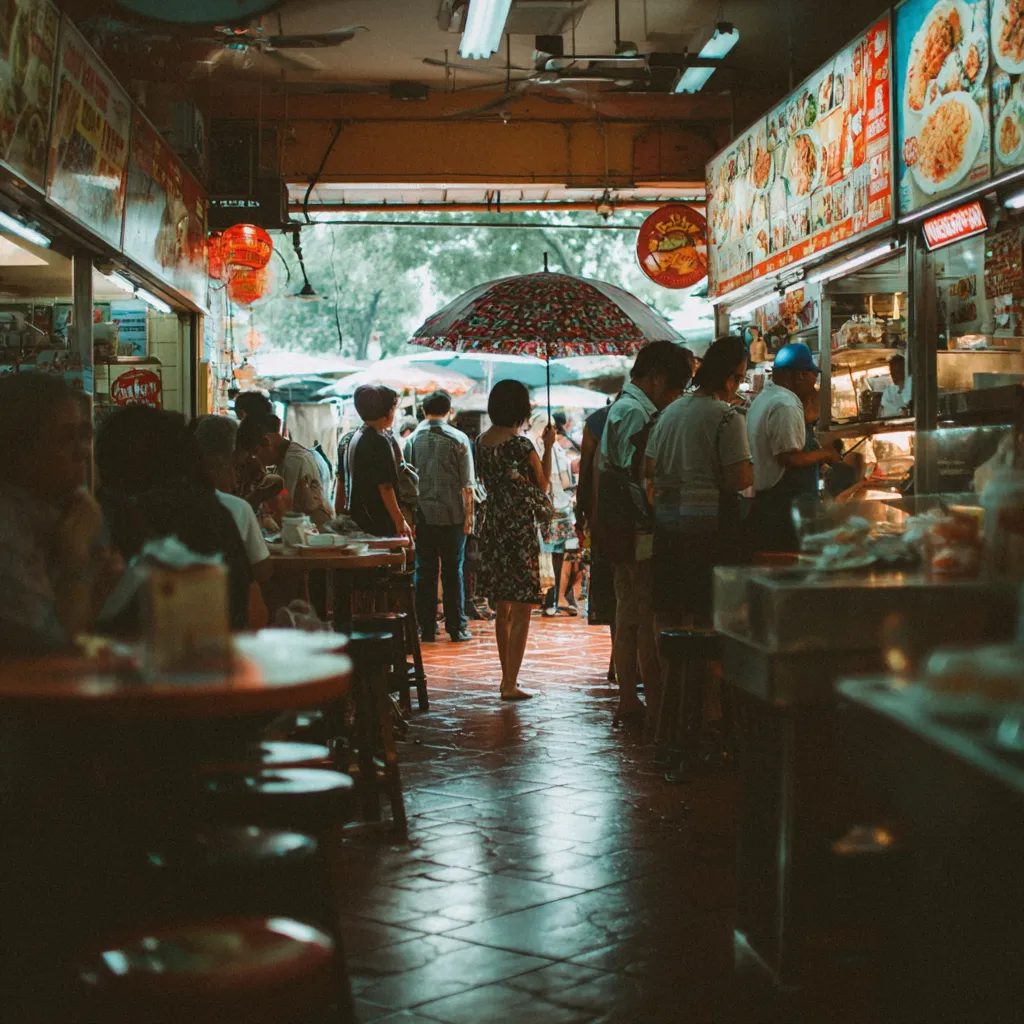
A practical Singapore guide to choping tables, returning trays and hawker-centre etiquette so you can makan like a local across Tiong Bahru, Katong and the heartlands.
A tissue packet isn't just a tissue — it's a polite way locals say 'I'll be right back.'
Return your tray and the hawker centre will thank you — literally, with a nod and a smile.
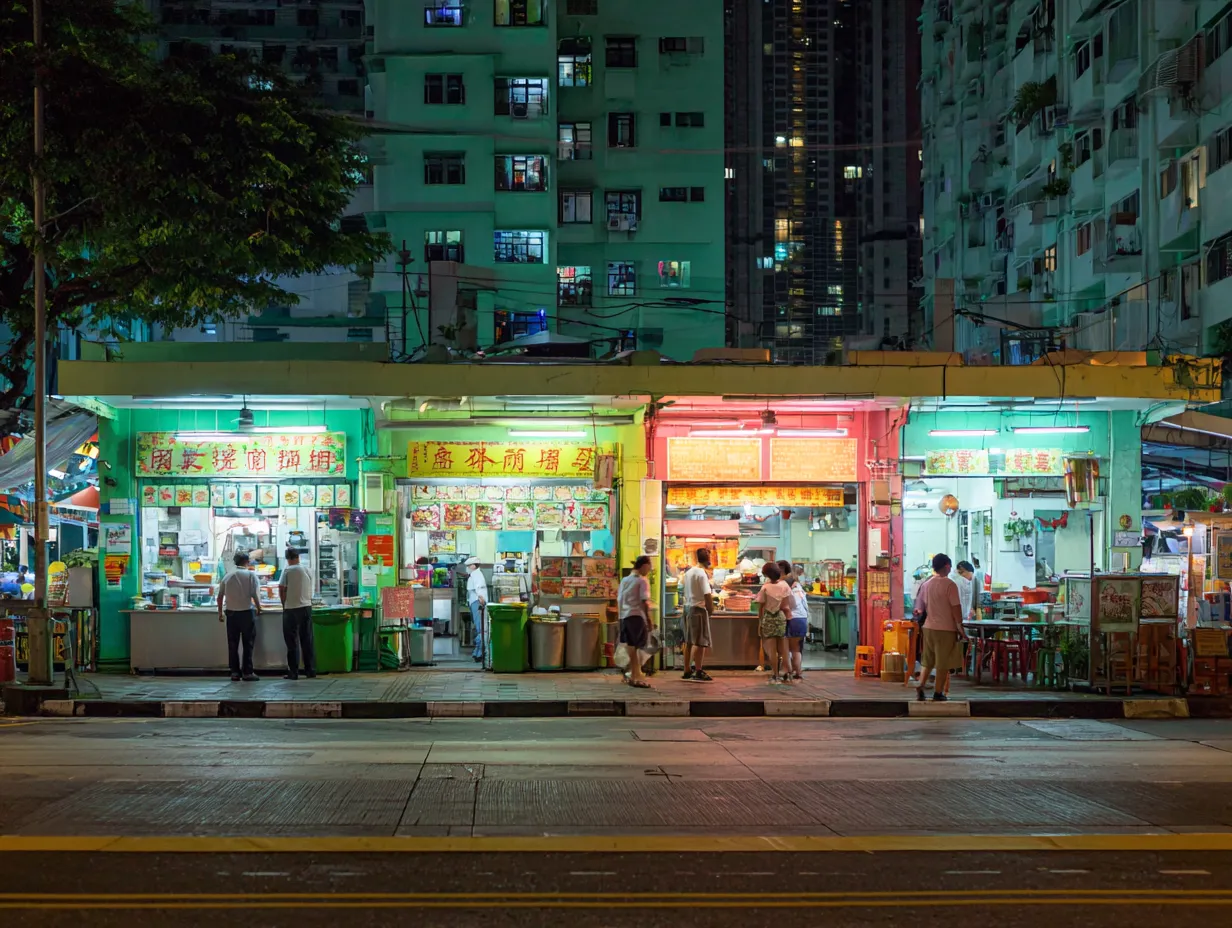
Hawker centres are more than places to eat — they’re communal living rooms where neighbours, office crowds and tourists converge. Good manners keep queues moving, tables available and the atmosphere friendly whether you’re at Tiong Bahru Hawker, Newton Food Centre or a small kopitiam in the east.
Small rituals like returning your tray after makan or not 'choping' a table for hours with a single tissue pack have a big impact on other diners during peak times. This guide explains what locals expect and how visitors can join in without fuss.
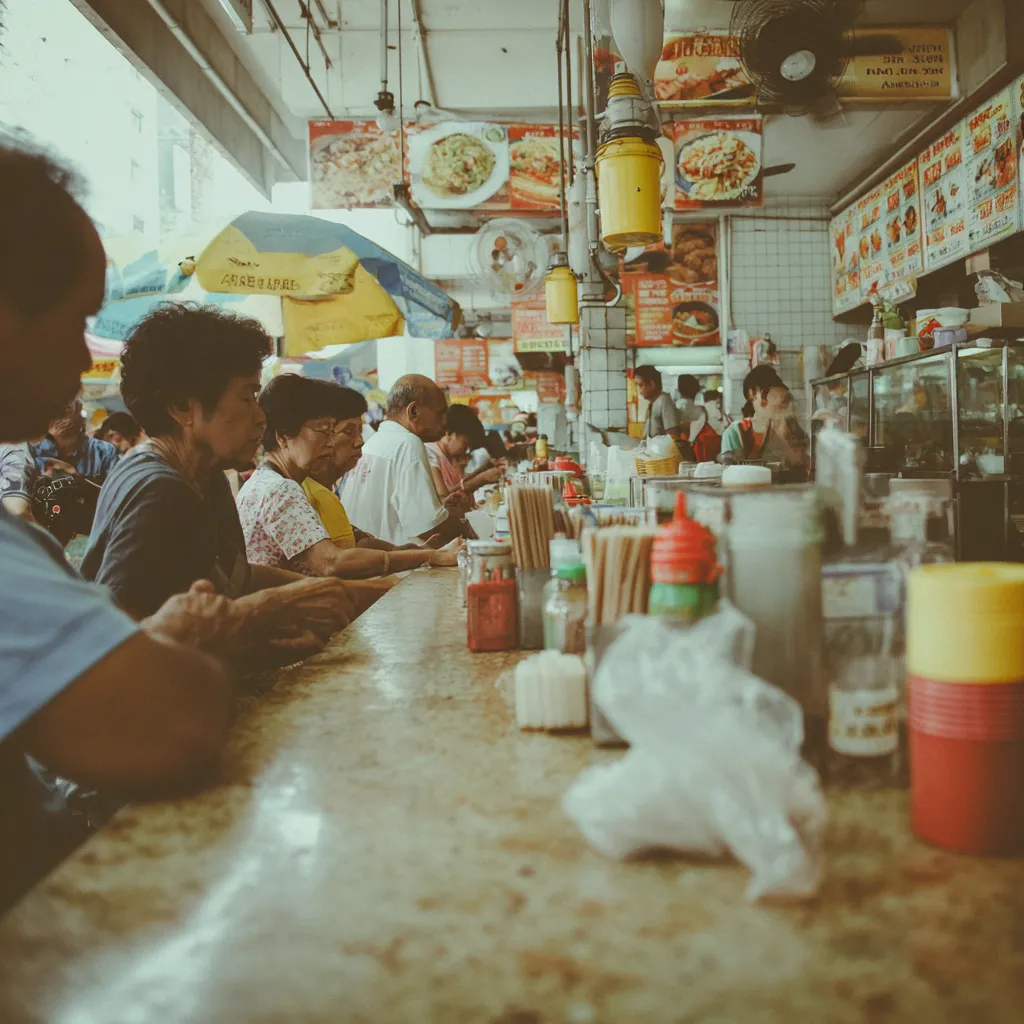
Choping (reserving) a table is an everyday practice: people often leave an umbrella, tissue packet or a takeaway container to signal the table is taken while they queue for food. It’s pragmatic — but not a free-for-all.
If you see a small personal item on a table, assume someone will return soon. If the item is a single tissue or a flimsy placeholder and the area is crowded, be courteous and ask nearby patrons if the table is free before taking it.
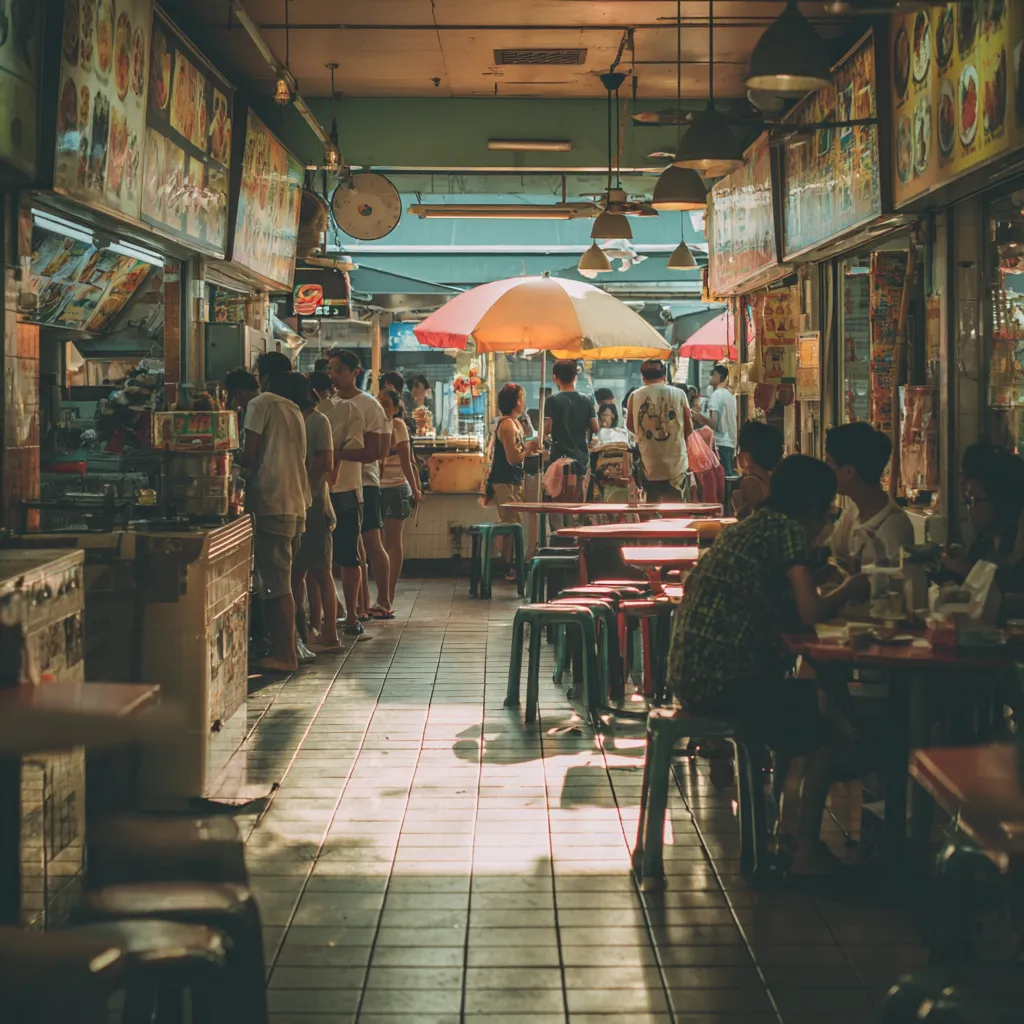
Returning trays and clearing your rubbish keeps hawker centres clean and speeds turnover. Most centres have dedicated tray-return points or recycling islands; some kopitiams expect patrons to stack trays at the stall you bought from.
During peak lunch in the CBD or at weekend supper spots like Lau Pa Sat, returning trays is more than etiquette — it’s a civic duty. Stall workers and aunties appreciate it, and you’ll avoid awkward looks from fellow diners.
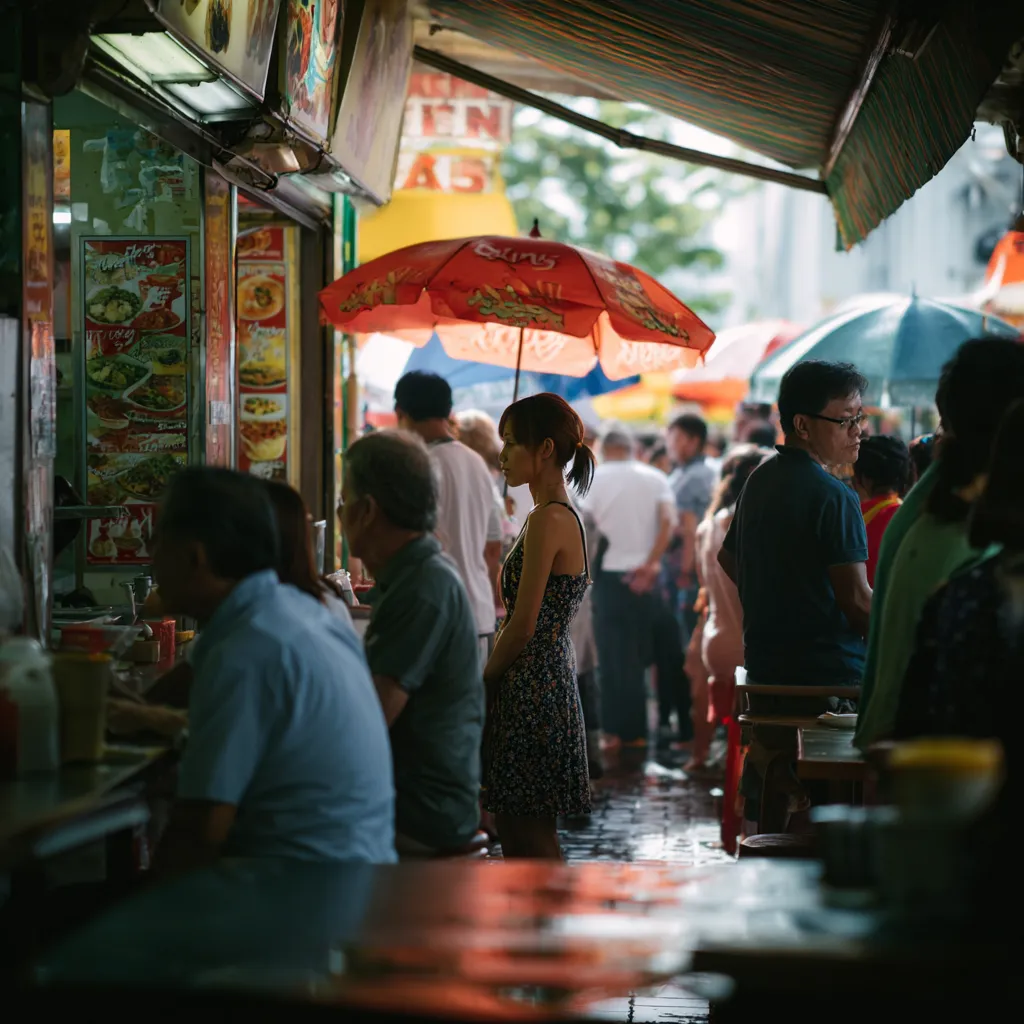
Queues at popular stalls (think char kway teow, laksa or chicken rice) can be long and efficient. Join the back, don’t shortcut someone else’s place, and call out your order number only when the stall uses one. Many locals will queue for 10–20 minutes for their favourites — patience is part of the ritual.
If you don’t have a table, sharing with strangers is normal. A polite 'may I share?' or a smile goes a long way. At heartland centres like Changi Village or Our Tampines Hub, communal seating is part of the vibe; at busier tourist spots expect less flexibility.
Visitors sometimes insist on 'no one’s at the table' and remove items, or they treat choping as a formal reservation. Remember, most chopes are informal and community-enforced — ask before you act.
Other pitfalls: leaving trays on tables, expecting late-night stalls to stay open at all centres, or assuming kopitiam rules are universal. Each hawker centre has its own culture — a quick look around will tell you whether people clear up themselves or use tray-return points.