
Make a halal-friendly classic at home
Halal Chicken Shepherd's Pie
A Singapore-style halal twist on the classic oven-baked shepherd's pie — shredded halal chicken simmered in a savoury gr...
A practical Singapore guide to how halal certification works, what the MUIS logo means, and how to find trusted halal makan across hawker centres, malls and neighbourhoods.
A halal logo in Singapore doesn’t just mean religious compliance — it signals traceable suppliers and regular audits.
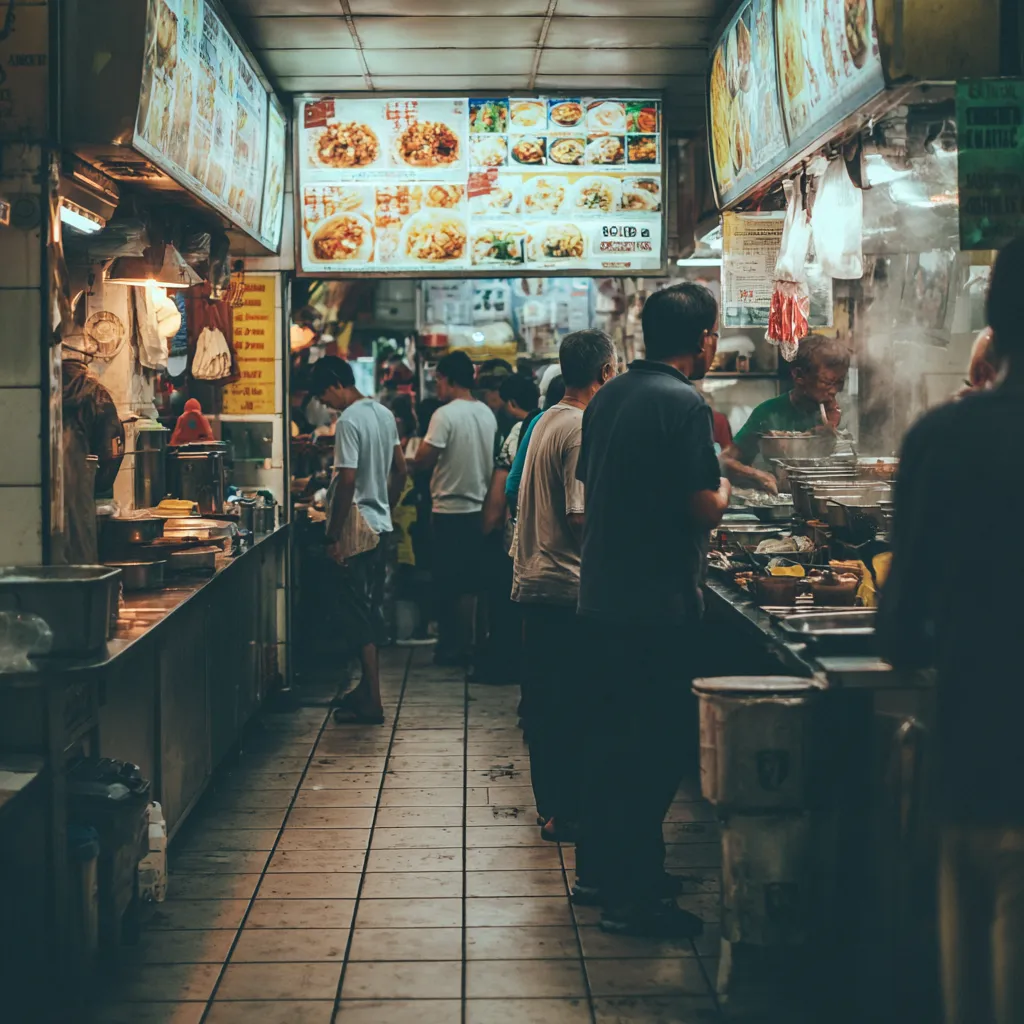
At hawker centres, a quick question to the vendor can save you confusion — most are happy to explain their ingredients.
Halal certification is a practical trust mark for Singapore’s multicultural food scene — it signals that ingredients, preparation and storage meet standards acceptable to Muslim consumers. With large Malay-Muslim communities in neighbourhoods such as Geylang Serai and heartland centres across the island, halal certification also helps non-Muslim diners identify safe options when eating with Muslim friends and colleagues.
Beyond faith considerations, many businesses use halal certification as proof of supply-chain rigour: certified suppliers, clear ingredient labelling and regular audits. For tourists and the CBD lunch crowd, the MUIS halal mark can make choosing a kopitiam stall, cafe or catering service much easier when planning group makan or events.

In Singapore the primary halal certifying body is Majlis Ugama Islam Singapura (MUIS). MUIS inspects premises, checks ingredients and supplier records, and approves practices from storage to cooking. The Singapore Food Agency (SFA) continues to oversee general food safety, so the two systems often work in parallel.
The typical pathway for a food business includes application, on-site inspection, approval of halal-compliant suppliers (especially for meat), and periodic re-audits. For products, manufacturers must show ingredient traceability and segregation to avoid cross-contamination with non-halal items.

Look for the MUIS halal logo displayed prominently at the stall or restaurant entrance and ask to see a halal certificate if you’re uncertain. Many certified outlets also list their halal certificate number or the certifying body on menus and websites. For packaged goods, check the product label for halal accreditation and supplier details.
Remember that not every Muslim-owned stall is necessarily certified. At hawker centres, some stalls may be halal because they only sell seafood and vegetarian items and voluntarily follow halal practices; when in doubt, ask the vendor which ingredients they use and whether they hold certification.
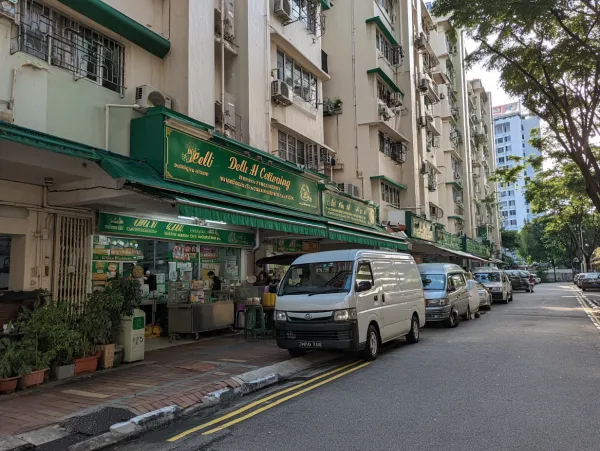
Finding halal options in Singapore is easy if you know where to look. Geylang Serai Market is a long-standing hub for Malay-Muslim food and groceries, while many heartland hawker centres in the east and north-east have dedicated halal stalls. Some mixed centres, like Tekka Centre in Little India and Changi Village Hawker Centre, also host halal vendors — always check the stall signage.
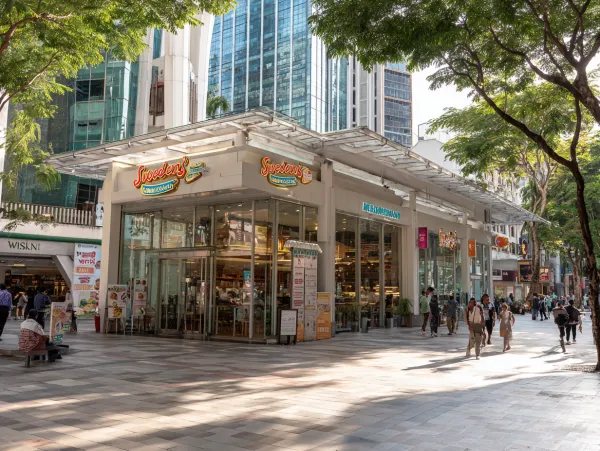
For mall dining and group catering, certified outlets (including halal branches of familiar chains) are increasingly visible in Orchard, the CBD and suburban malls. If you’re planning a makan trail, combine a halal-certified zi char or seafood spot with a halal dessert cafe for a full neighbourhood experience.

For diners: ask about the halal logo, request to see the certificate if unsure, and inquire about ingredient sources and whether separate utensils are used for halal cooking. If you’re ordering for a group, confirm certification especially for buffet or catered events.
For operators and caterers: maintain clear supplier documentation, segregate storage and prep areas, label utensils, and keep records for MUIS inspections. Catering to corporate and tourist groups often requires that visible certificate and consistent staff training on halal procedures.