Neighbourhood hawker hub
Serangoon Gardens Chomp Chomp
Iconic Serangoon Gardens hawker centre famed for late-night BBQ, satay and heartland supper bites....
A local guide to Chomp Chomp Food Centre in Serangoon Gardens — where to find the best satay and sambal stingray, plus practical tips for a perfect evening makan.
Chomp Chomp is where charcoal smoke, sambal heat and neighbourly chatter meet — the kind of place you return to for memories as much as food.
Order a dozen satay, a plate of sambal stingray, and share — that’s how locals do it.
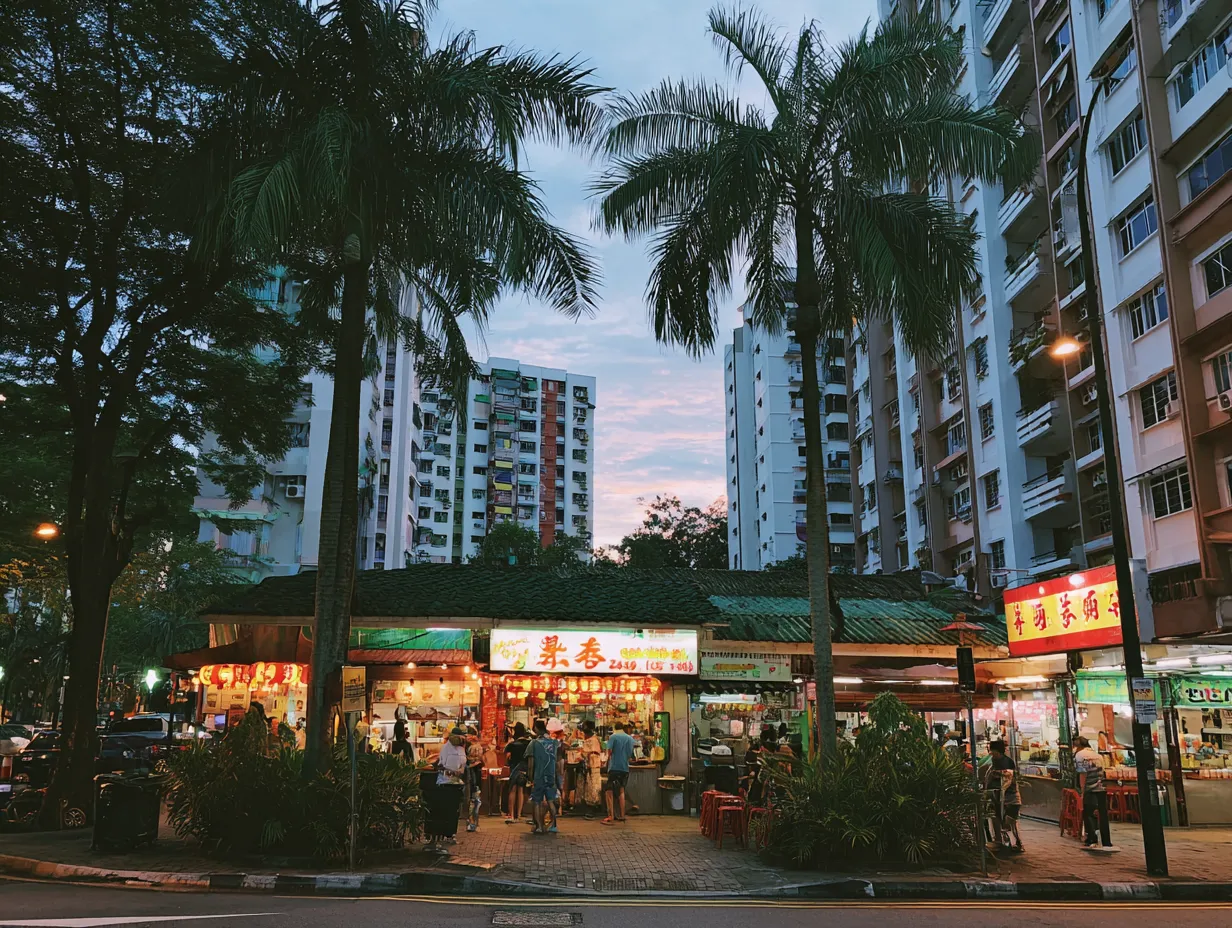
Tucked into the heart of Serangoon Gardens, Chomp Chomp Food Centre is synonymous with late-night makan and neighbourhood vibes. Locals flock here for charcoal-grilled hawker classics that travel well between tables — think satay skewers and sambal stingray — making it a staple on many Singapore food crawls.
Unlike air-conditioned kopitiams in the CBD, Chomp Chomp is open-air and noisy: the clatter of plates, chirpy hawkers and the smell of coconut oil and charcoal make it a true hawker-centre experience. For first-timers this is where hawker culture meets a neighbourhood social scene — bring cash or use contactless payment where available, and be ready to share a table with strangers.
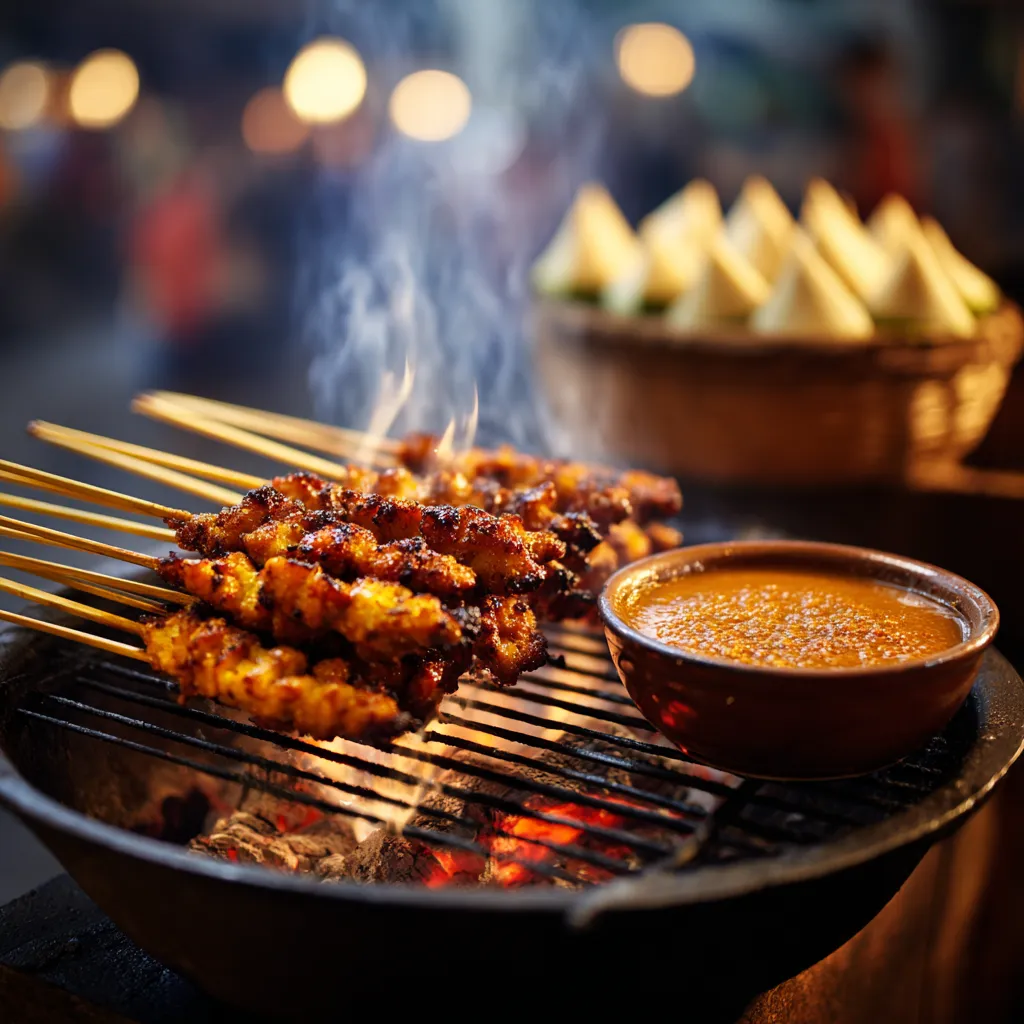
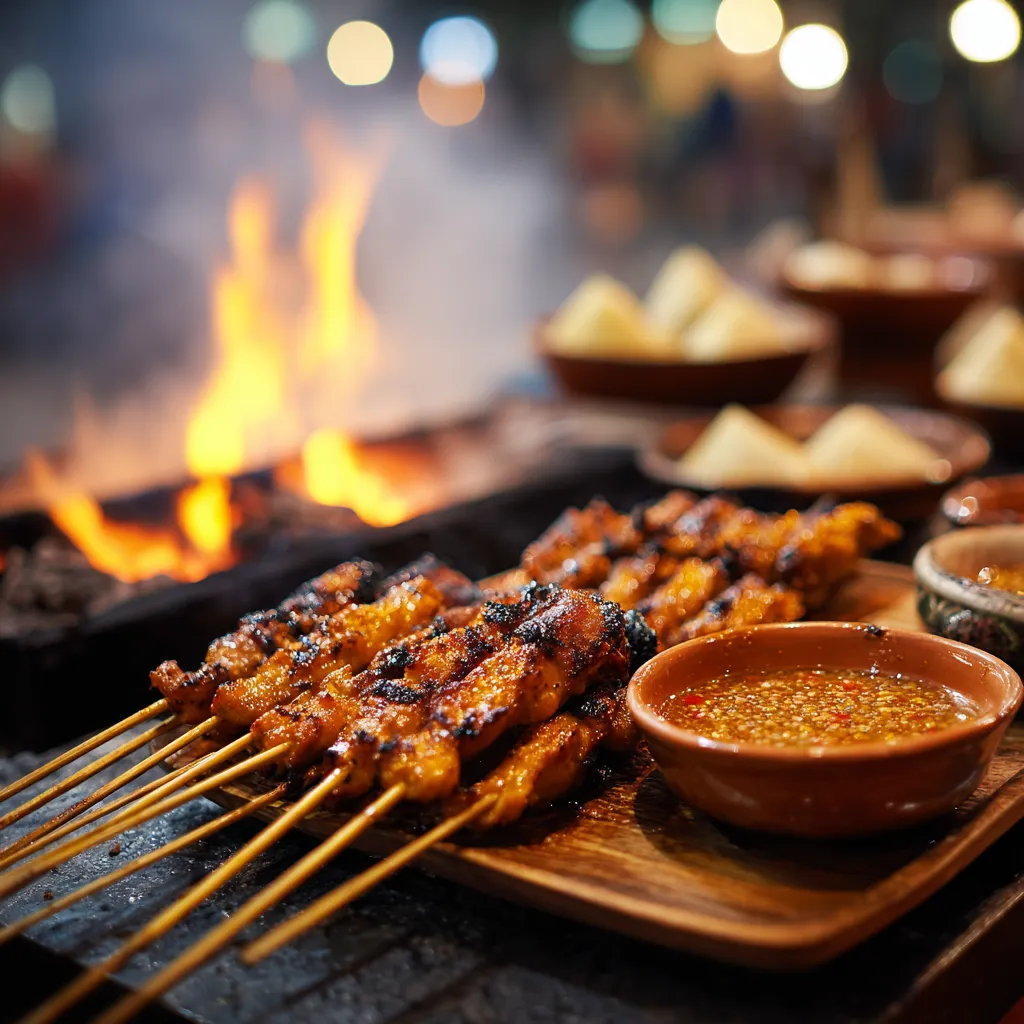
Satay at Chomp Chomp is charcoal-flamed and served in sticks — chicken (satay ayam), beef, and occasionally mutton — with a thick, slightly sweet peanut sauce, ketupat (compressed rice), and raw cucumber and onion. Order a dozen or so to share and alternate between skewers and a plate of sambal stingray.
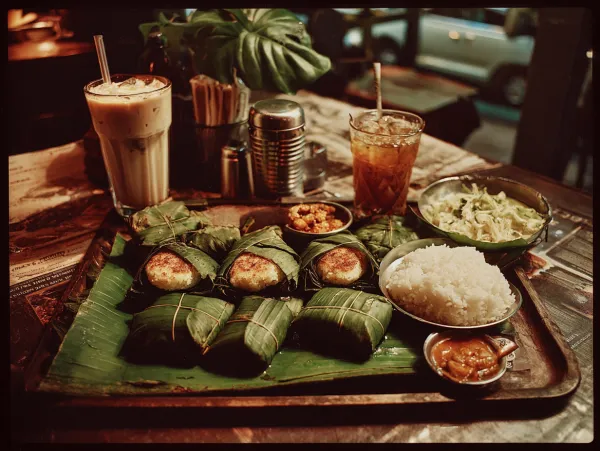
Sambal stingray — sometimes called ‘ikan bakar’ on banana leaf — is a signature here: a slab of stingray slathered in spicy-sweet sambal, charred at the edges and eaten with plain rice or mantou. Pair with a cold drink (teh or sugarcane) to cool the palate and don’t be afraid to ask for the sambal’s heat level.
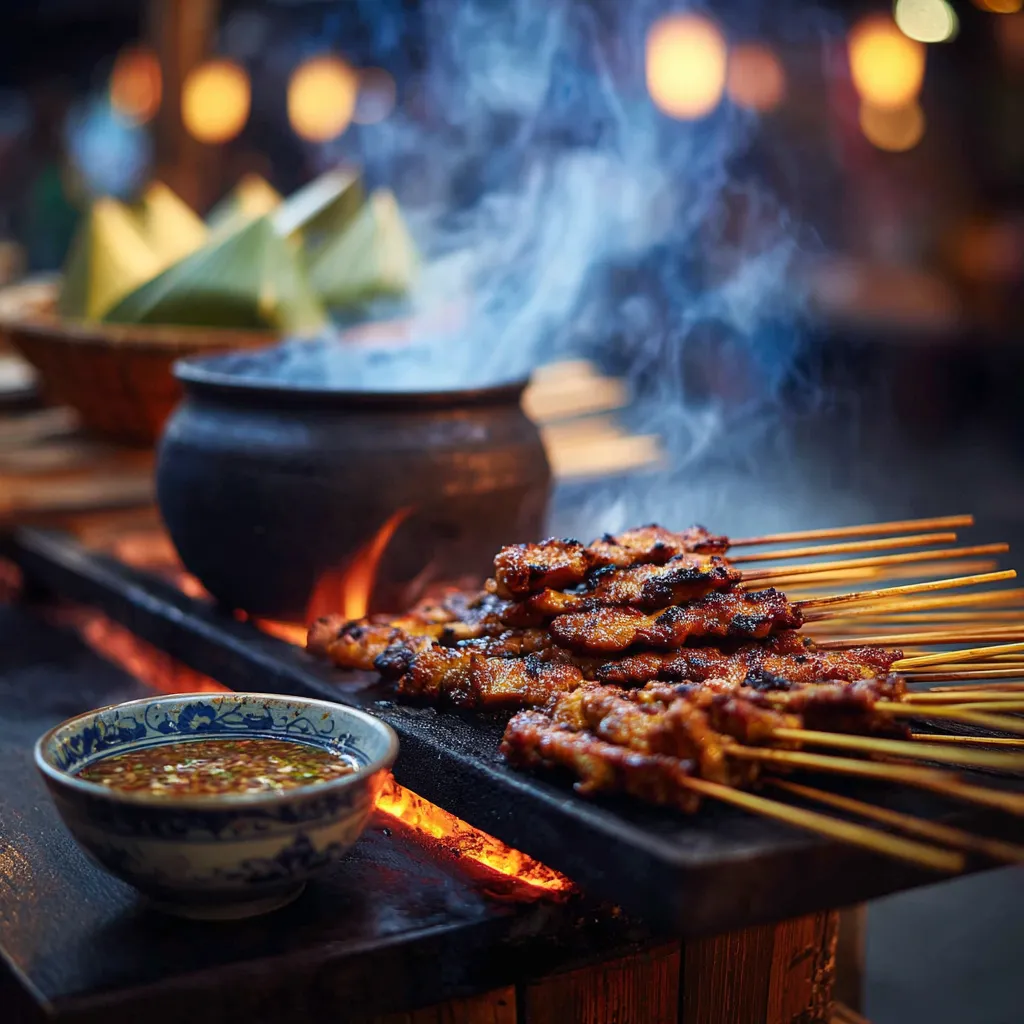
Queues are part of the fun. If a stall has a long line, it’s usually for a reason — join the end and grab a table first if possible. Many regulars will place orders at different stalls and rotate dishes around the table; hawker etiquette is relaxed but respectful.
Payment is increasingly contactless, but some stalls still prefer cash. Bring small notes, keep tissues handy (there are usually tissue tins on tables), and expect to clear your own trays after eating. If you plan a weekend visit, avoid peak dining hours (7–9pm) or come early to beat the crowd.
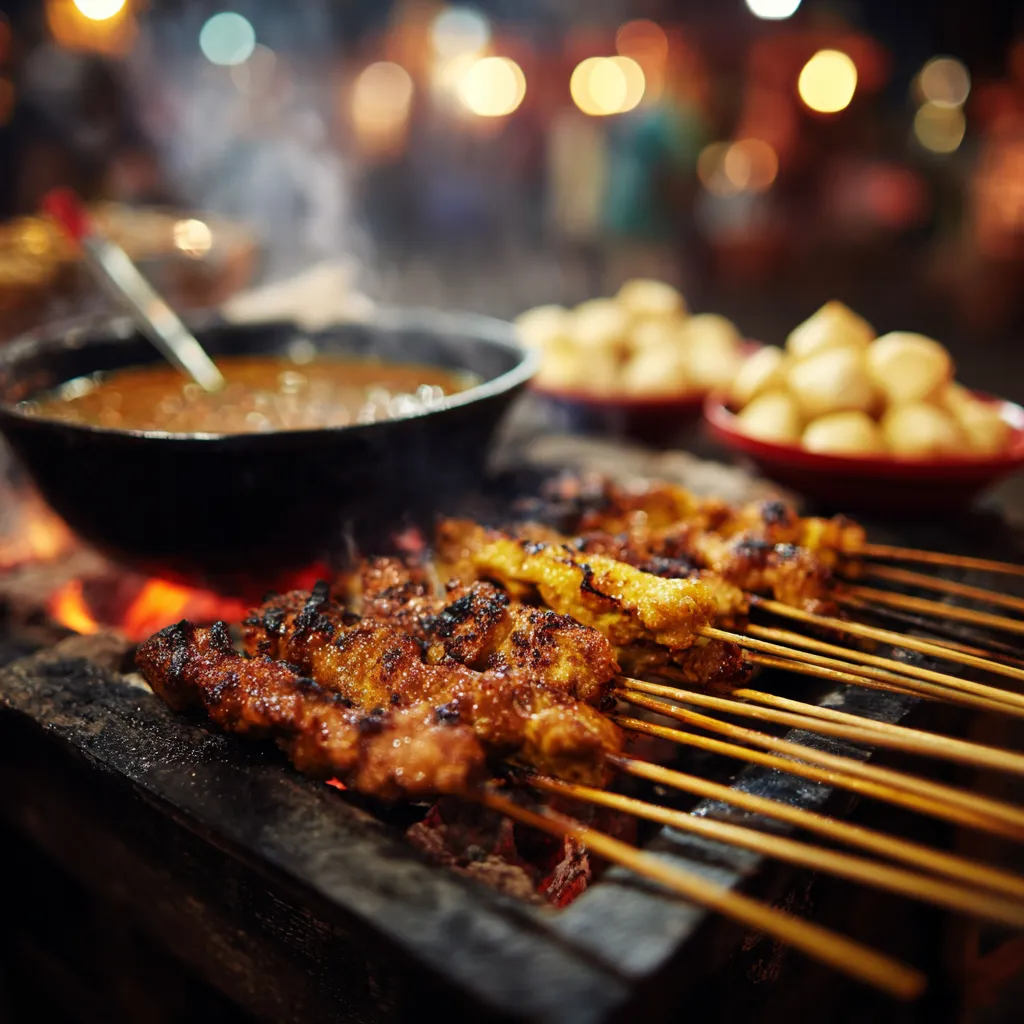
Chomp Chomp comes alive from late afternoon into the wee hours; the prime window for satay and stingray is 6–10pm, though some stalls stay open later for supper crowds. Weekends are busiest, so consider a weekday evening for a more relaxed experience.
It’s easy to reach from Serangoon MRT or Kovan — a short bus ride or 5–10 minute taxi. Combine Chomp Chomp with a stroll around Serangoon Gardens: try a kopitiam breakfast the next morning, or add a detour to nearby eateries in Upper Serangoon and the Eunos/Katong stretch for a broader East Coast flavour.
Stingray remains a beloved hawker favourite, but sourcing can vary. If sustainability matters to you, ask the stall about the fish source or choose alternative grilled seafood options. If you have shellfish allergies, tell the hawker clearly — cross-contamination is possible in busy grills.
Hawker food at Chomp Chomp is flavorful and often oily or spicy; share dishes, pace yourself, and balance with plain rice or cooling drinks. Leave room for dessert — a simple bowl of chendol or ais kacang nearby makes for a perfect, local finish.