Classic Katong laksa
328 Katong Laksa
Beloved Katong laksa stall known for its rich, coconut-forward bowls of Peranakan-style laksa in the East Coast neighbou...
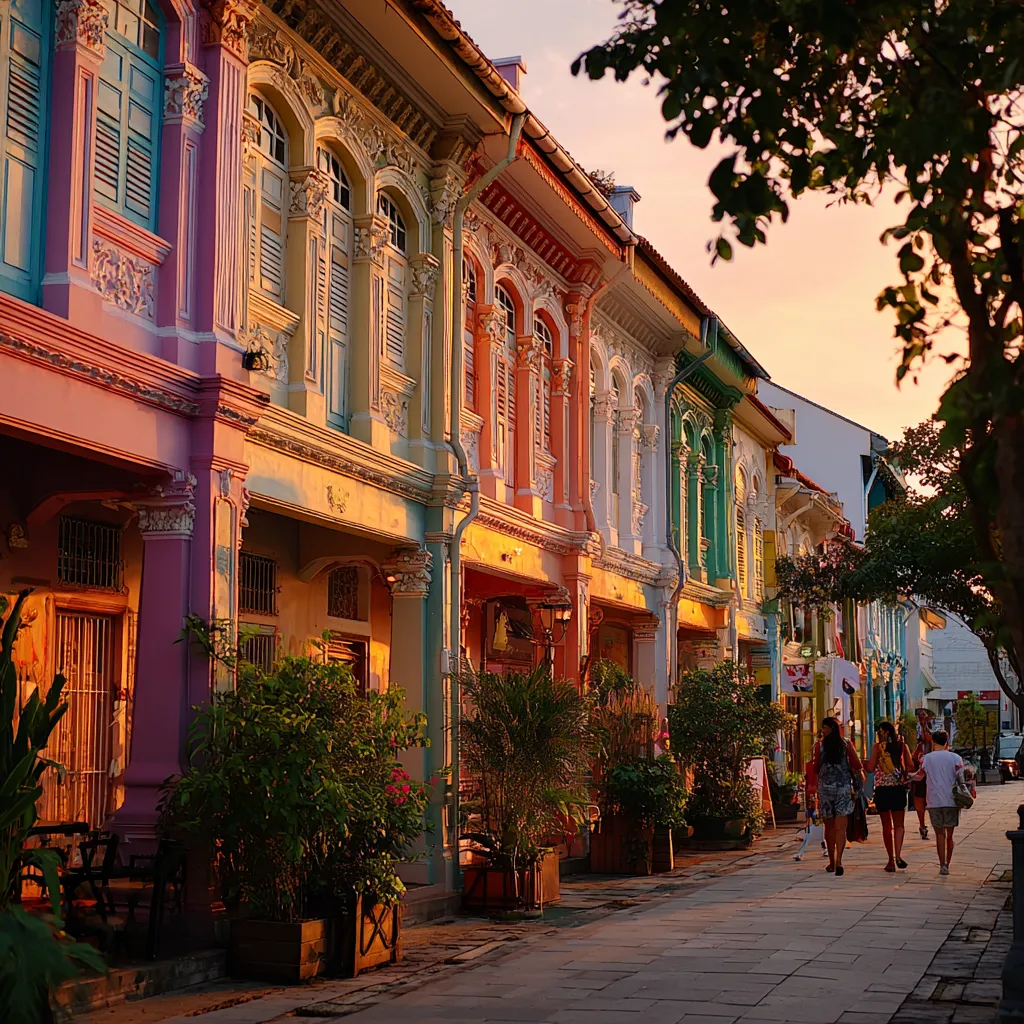
A neighbourhood food guide to Joo Chiat and Katong in Singapore—mixing Peranakan classics, kopitiam culture and hipster cafés for a perfect east-side makan trail.
Joo Chiat and Katong are where Peranakan heritage meets café culture — both flavours deserve time on your plate.
Beat the laksa queue by going early and bring cash for hawker stalls that still prefer it.
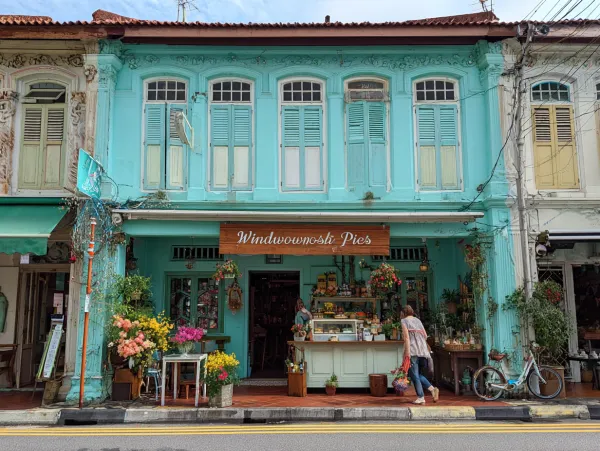
Joo Chiat and Katong are the east-side heart of Peranakan heritage in Singapore: low-rise shophouses, colourful tiles and family-run eateries that have been feeding neighbourhoods for generations. This stretch tells a culinary story you won’t find in the CBD — a living mix of nyonya kitchens, kopitiam breakfasts and newer café culture.
For visitors and locals alike, the area is best experienced on foot: drift between heritage restaurants serving nonya curries and laksa, then duck into a modern café for brunch or a kopi-cino. Think of it as a cultural makan trail where old-school flavours meet hipster reinvention.
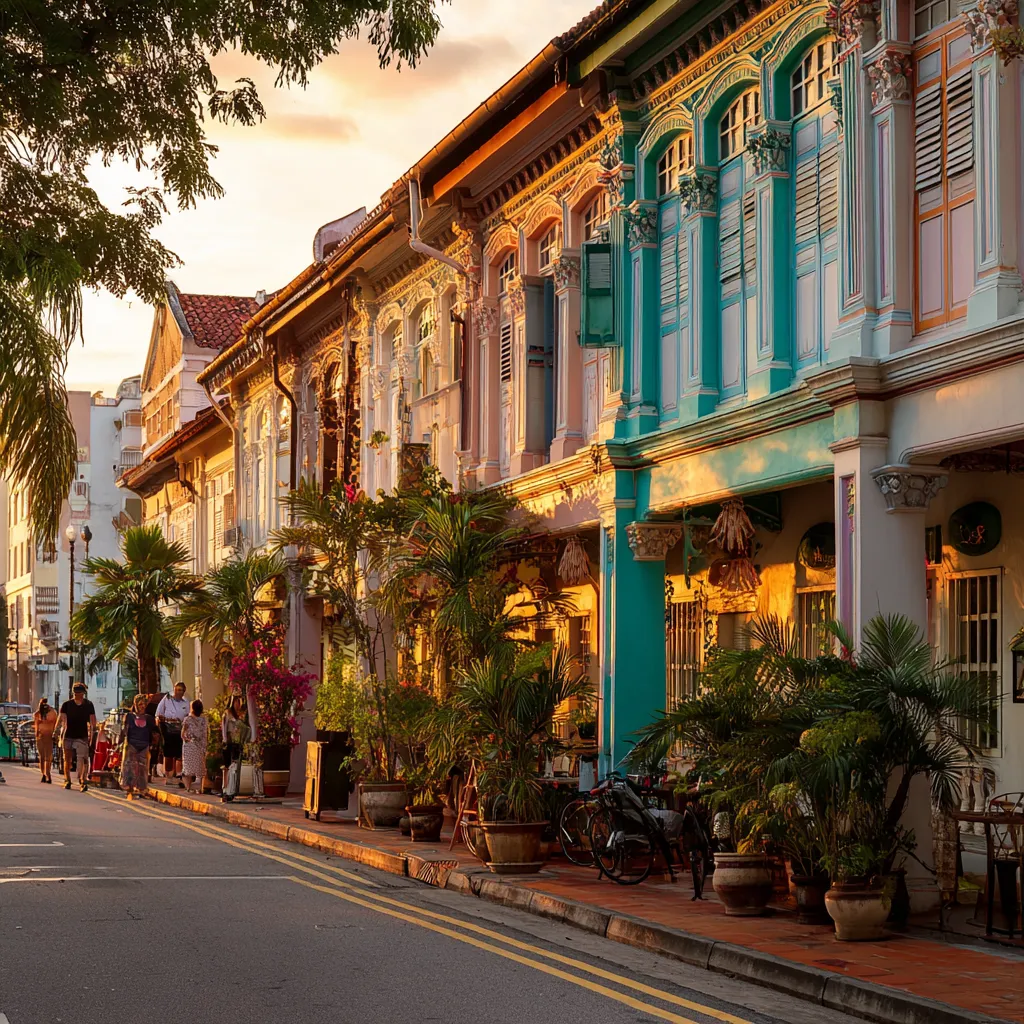
Start early with a kopitiam breakfast — kopi, kaya toast and soft-boiled eggs — then make your way along Joo Chiat Road. Key stops in Katong are compact and easy to link by foot or a short Grab ride.
Don’t ignore the smaller side streets: many family stalls and cake shops hide behind the main strip, offering authentic Peranakan snacks and neighbourhood favourites.
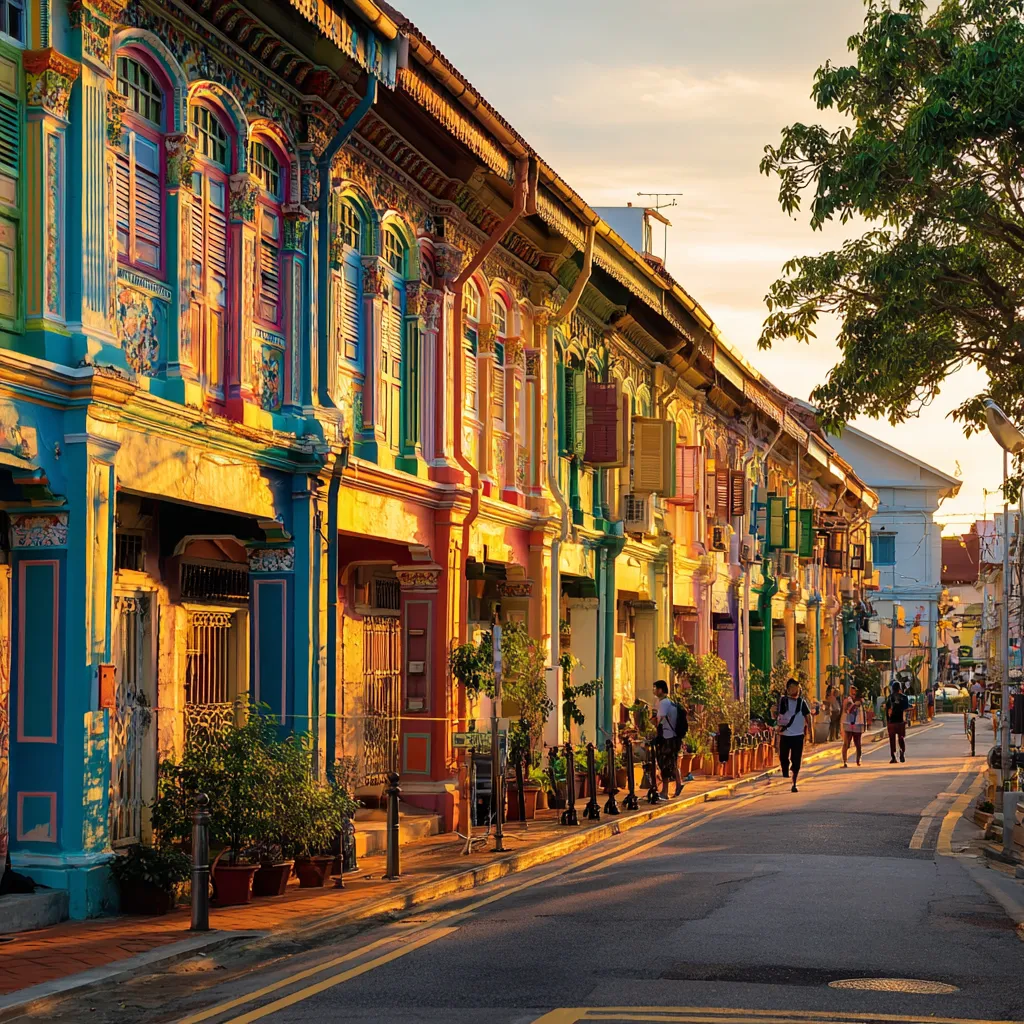
Peranakan (Nyonya) cuisine balances Chinese ingredients with Malay spices — expect fragrant coconut, candlenuts, tamarind and chillies. Must-orders include Katong laksa for its rich laksa lemak broth, Nonya curry chicken or curry kapitan for intense spice and depth, and a variety of kuehs (traditional sweets) for dessert.
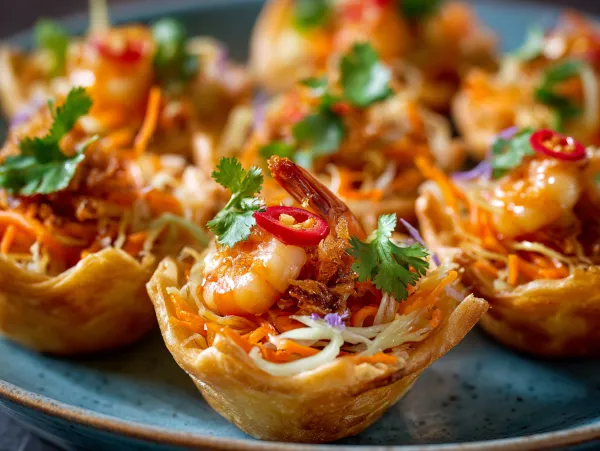
If you see kueh pie tee, ang ku kueh or kueh lapis at a bakery or market stall, order a few pieces to sample textures and flavours: chewy, custardy and caramelised in turns. Many of the kuehs are seasonal or made that morning, so timing helps.
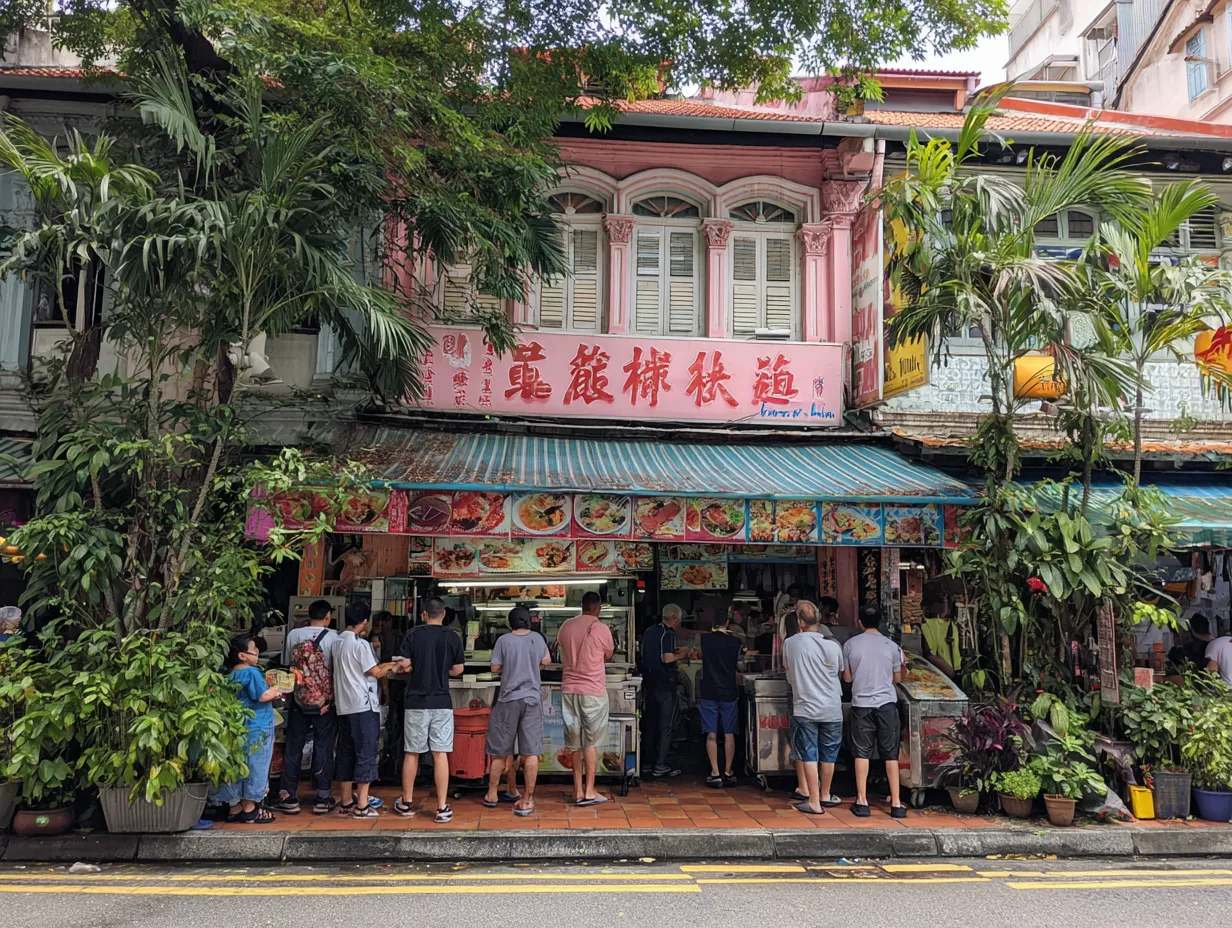
Weekends are busy — if you want a quieter experience, visit on a weekday morning or late afternoon. Popular laksa stalls often have queues around lunch; aim for an early lunch (11–11:30am) or after the lunch rush.
Most hawker stalls accept cashless payments now, but carrying some cash helps at older kopitiams. Be ready to share small tables during peak times and clear your tray after eating — it’s common courtesy in hawker centres.
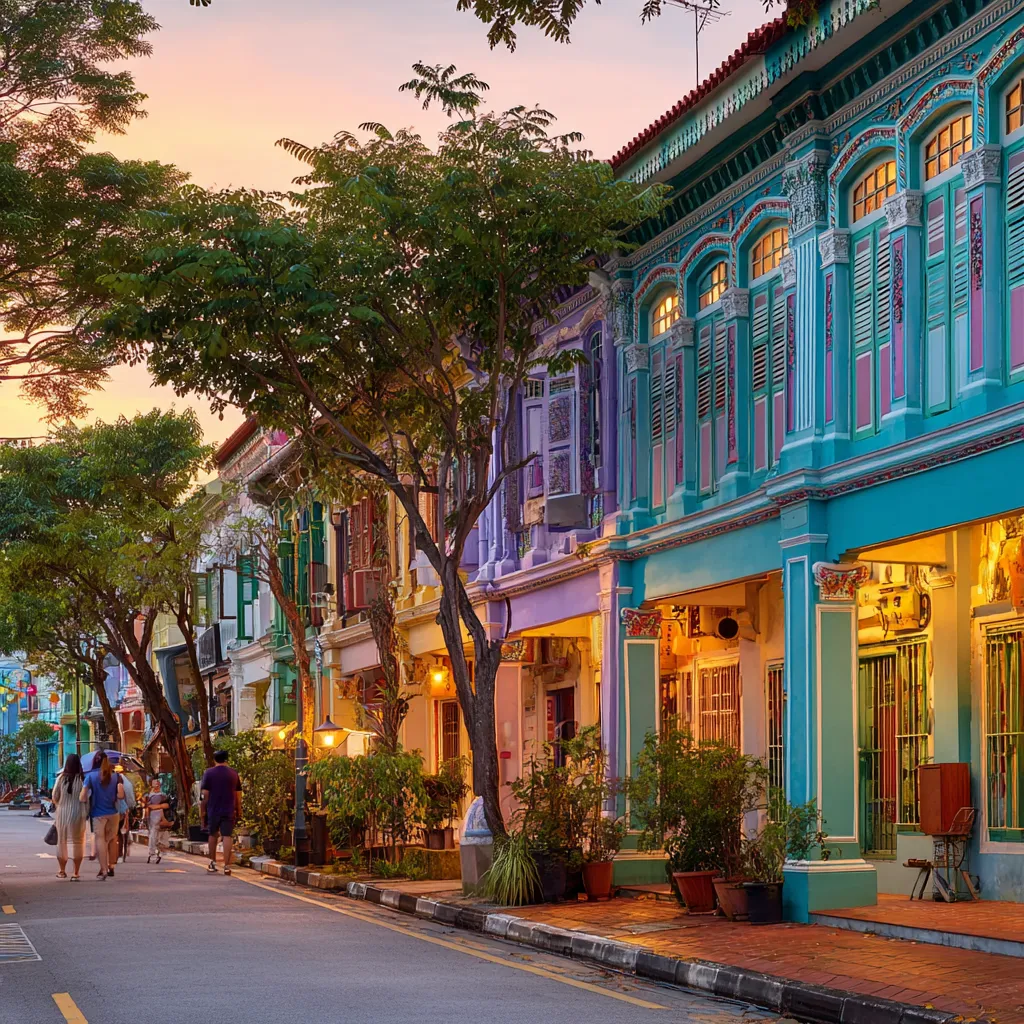
Morning: start with kopi and kaya toast at a kopitiam, then stroll Joo Chiat Road to admire Peranakan tiles and pop into a bakery for kueh.
Lunch: head to a laksa stall in Katong for a late-morning/early-lunch bowl, then wander to a nearby café for a mid-afternoon pastry or pandan cake. Wrap up with an evening of casual dining — small plates or seafood — depending on your appetite.