Neighbourhood hawker experience
Tiong Bahru Hawker
A bustling neighbourhood hawker centre in Tiong Bahru known for classic Singapore street food and kopitiam-style breakfa...

A neighbourhood guide to Ghim Moh Market’s breakfast staples — where locals queue for kopi, kaya toast, prata and hearty porridge across Queenstown and the west-side heartland.
Kopi and kaya toast at Ghim Moh tastes like a weekday memory — simple, hot and utterly local.
Build a breakfast trail: one kopi, one savoury bowl, and a prata for the road.
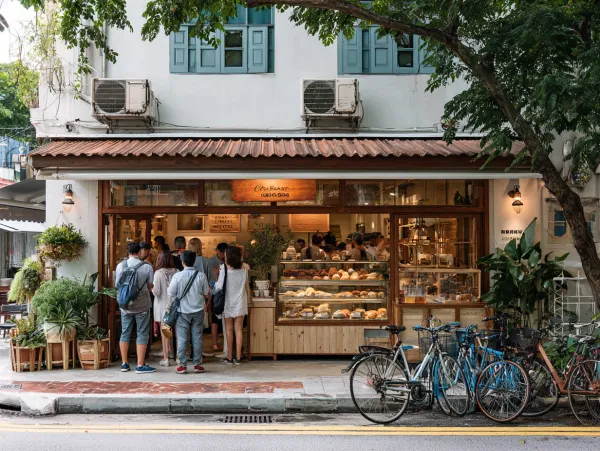
Tucked into the Queenstown/Buona Vista stretch, Ghim Moh Market is one of those heartland kopitiam hubs where the morning rhythm is set by kopi cups clinking and aunties steaming bowls of porridge. For west-side residents, students and early-shift workers, its stalls serve the everyday comfort food that Singaporeans call breakfast.
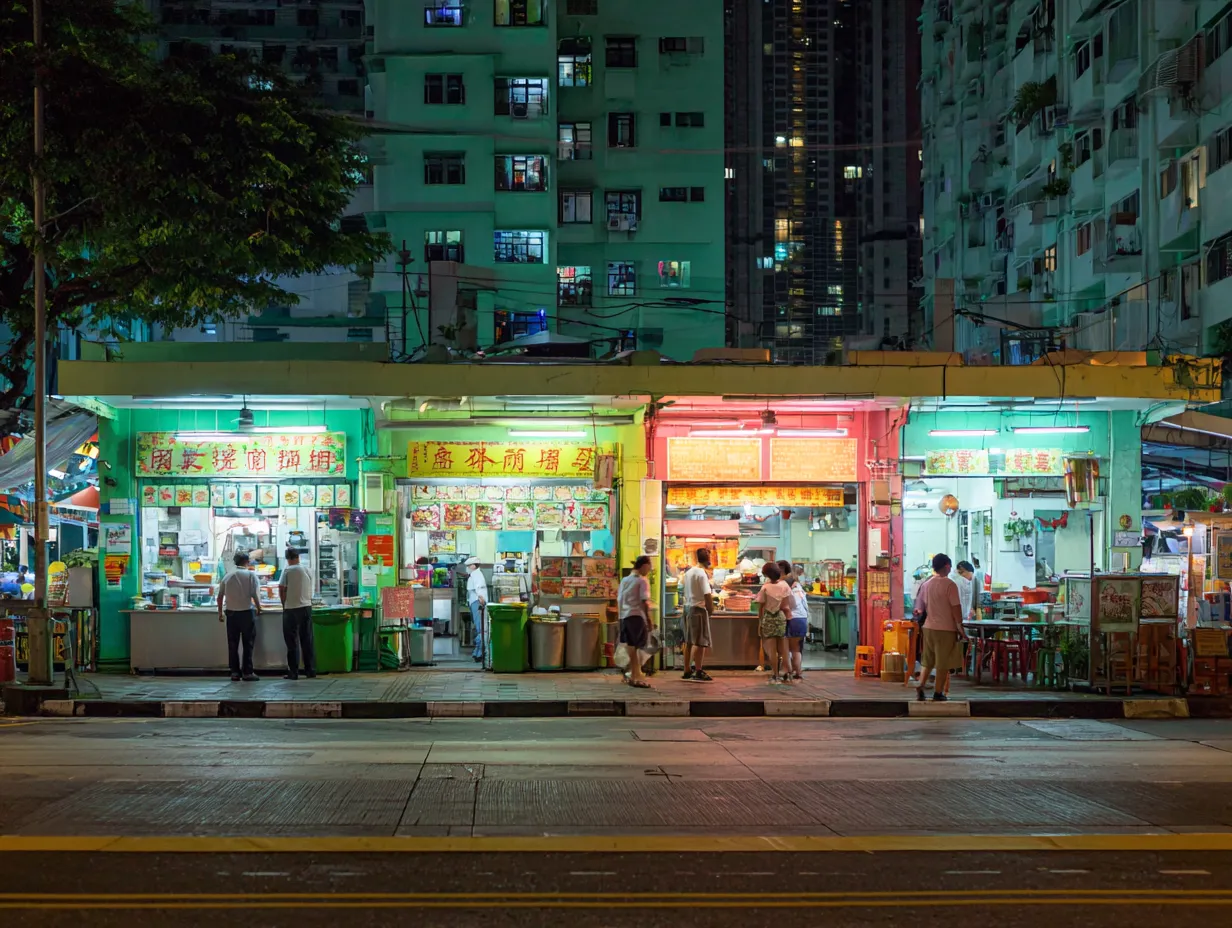
Unlike tourist-heavy spots in the CBD or Katong, Ghim Moh still feels like a local neighbourhood market: familiar faces, reasonable prices and dishes shaped by decades of hawker craft. It’s a great place to experience the practical, no-frills side of Singapore makan culture.
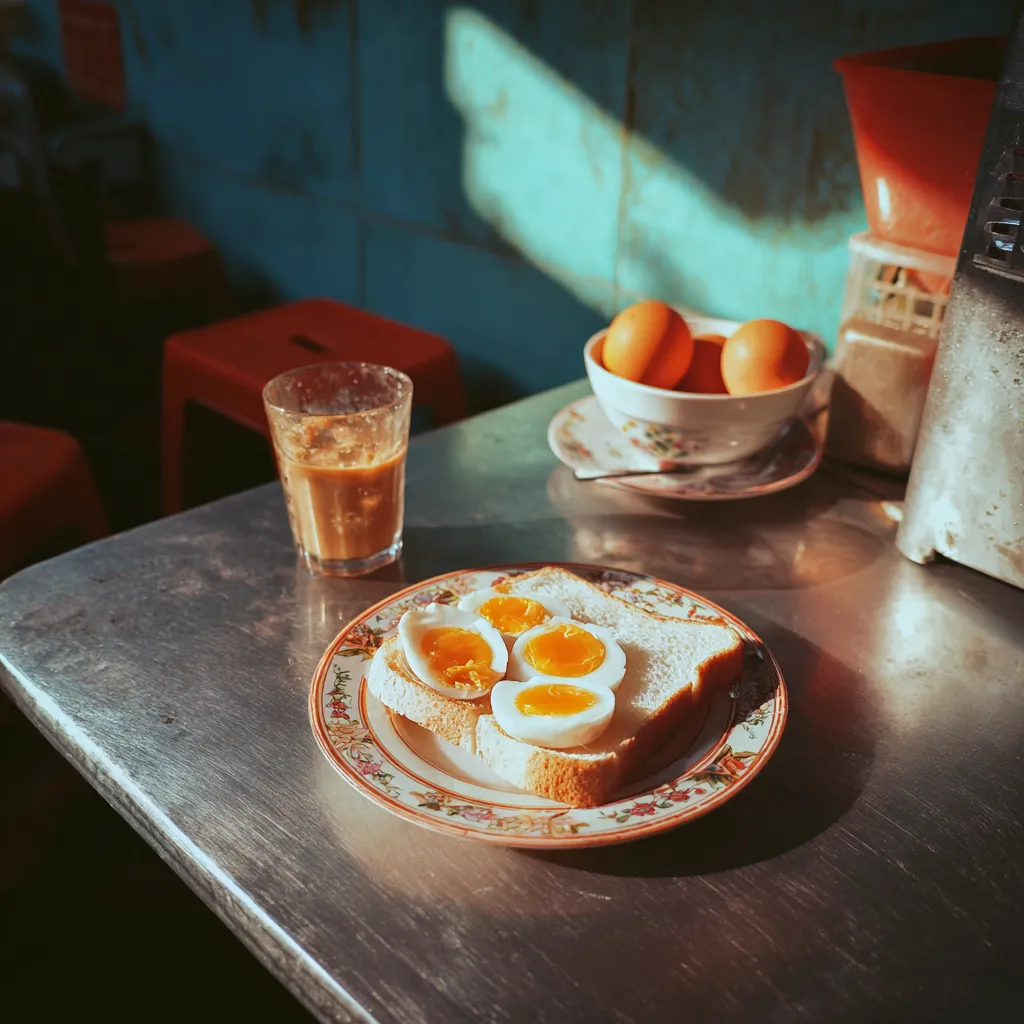
Start with the classics: kopi or teh with kaya toast and soft-boiled eggs — the simplest combo that tells you whether a kopitiam knows its craft. For something more substantial, locals go for bowls of porridge (often with shredded chicken or fish), hearty bak chor mee or fishball noodles depending on appetite.
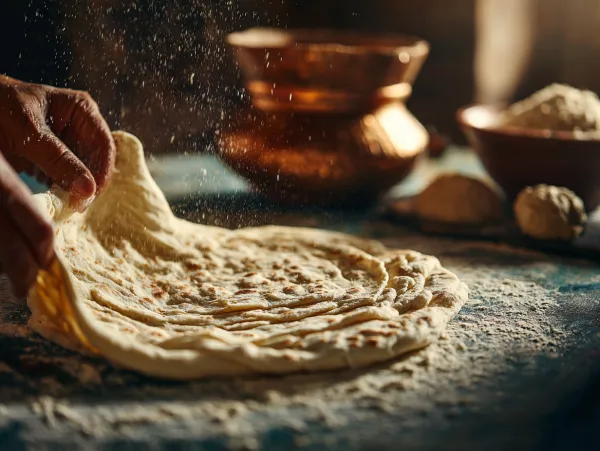
You’ll also find roti prata stalls flipping flaky prata for takeaway, and stalls serving nasi lemak or chee cheong fun for those who prefer rice or steamed rice-roll breakfasts. Mix and match plates at shared tables to sample a true local spread.

Queues are part of the ritual. Take a queue number if provided, or stand in the line — patience is appreciated. Many stalls accept cash and PayNow or PayLah!, but smaller stalls may still prefer notes and coins, so keep some change handy.
Share tables during peak morning hours; it’s common to sit beside strangers. Tip: if a stall is busy, the turnover usually means fresher, hotter food. For kopi, specify your strength: "kopi" for regular, "kopi O" for black, and add "kosong" for no sugar.
Make a morning loop: arrive early (7:30–9:00am) to beat the heaviest queues, order kopi and kaya toast first, then pick a hot stall for a second plate like porridge or noodles. The compact layout means you can try two to three stalls in one visit without rushing.
If you want to expand the trail, walk or take a short MRT ride to nearby Tiong Bahru for a cafe stop or Holland Village for a lazy weekend brunch — both neighbourhoods give a nice contrast between old-school hawker breakfasts and newer cafe brunch culture.
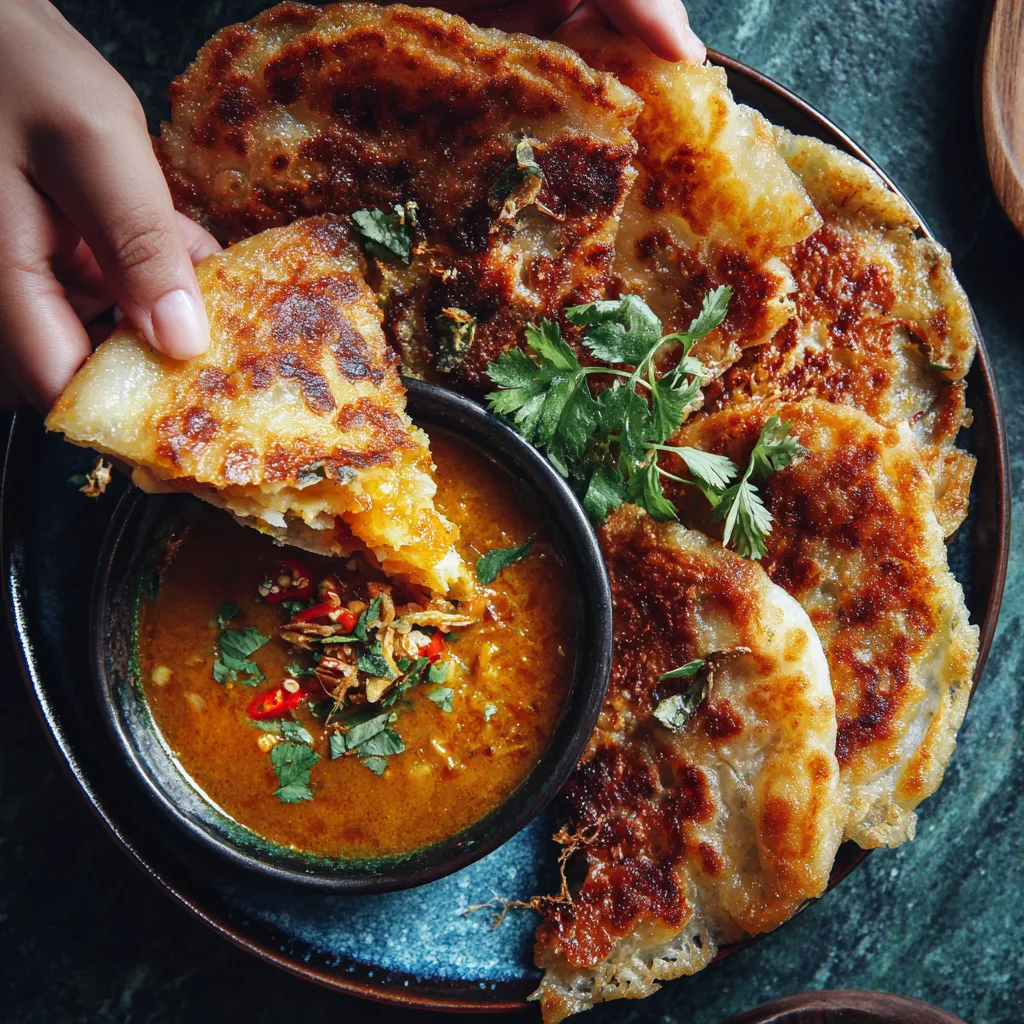
Don’t expect fancy plating — Ghim Moh’s strength is authenticity and value. If a stall looks busy, that’s usually a good sign of consistently good food. Conversely, empty stalls can mean limited choices that day.
If you’re visiting on a weekend, some stalls may open later or run out of popular items, so plan accordingly. Bring reusable cutlery if you’re trying multiple stalls for takeaway — it’s cleaner and eco-friendly.