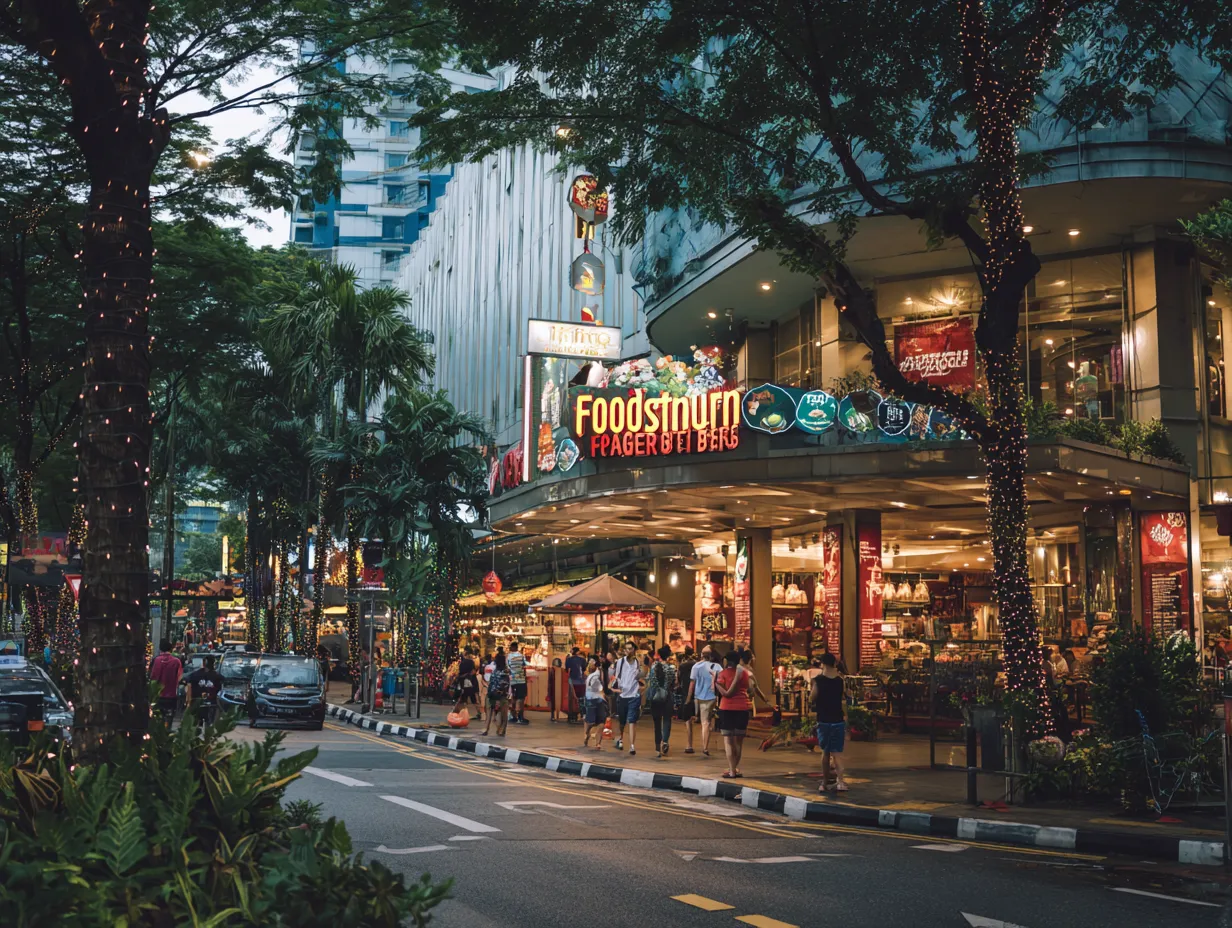
Mall food court favourites
Bugis Junction Food Street
A bustling mall-based hawker-style food street in Bugis known for Singaporean favourites and quick CBD lunches....
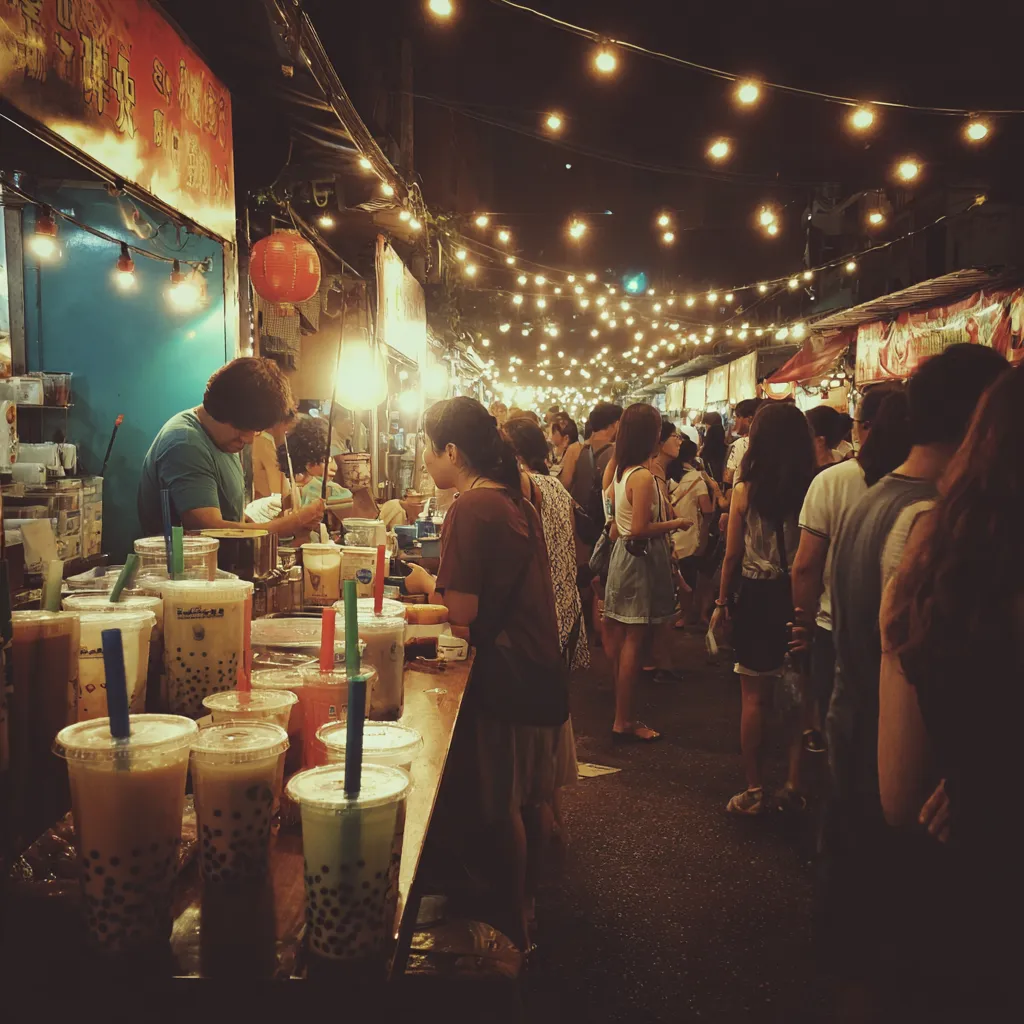
A Singapore-focused look at how bubble tea jumped from pasar malam stalls to mall food courts and speciality cafés — plus where to try local twists across the island.
From night-market novelty to mall mainstay — bubble tea tells a story about Singapore’s appetite for reinvention.
Order it less sweet and with freshly cooked pearls if you want the authentic chew.
Bubble tea arrived in Singapore as a novelty and quickly embedded itself into the island’s vibrant food scene — from pasar malam nights to air-conditioned malls. It crossed demographic lines, becoming a staple for students, office workers, and families alike.
What’s distinctive here is how bubble tea blended with local tastes and routines: grab-and-go cups for CBD lunch crowds, kopi-shop adaptations in heartlands, and late-night options near supper spots. It’s now both a comfort drink and a lifestyle marker for many Singaporeans.
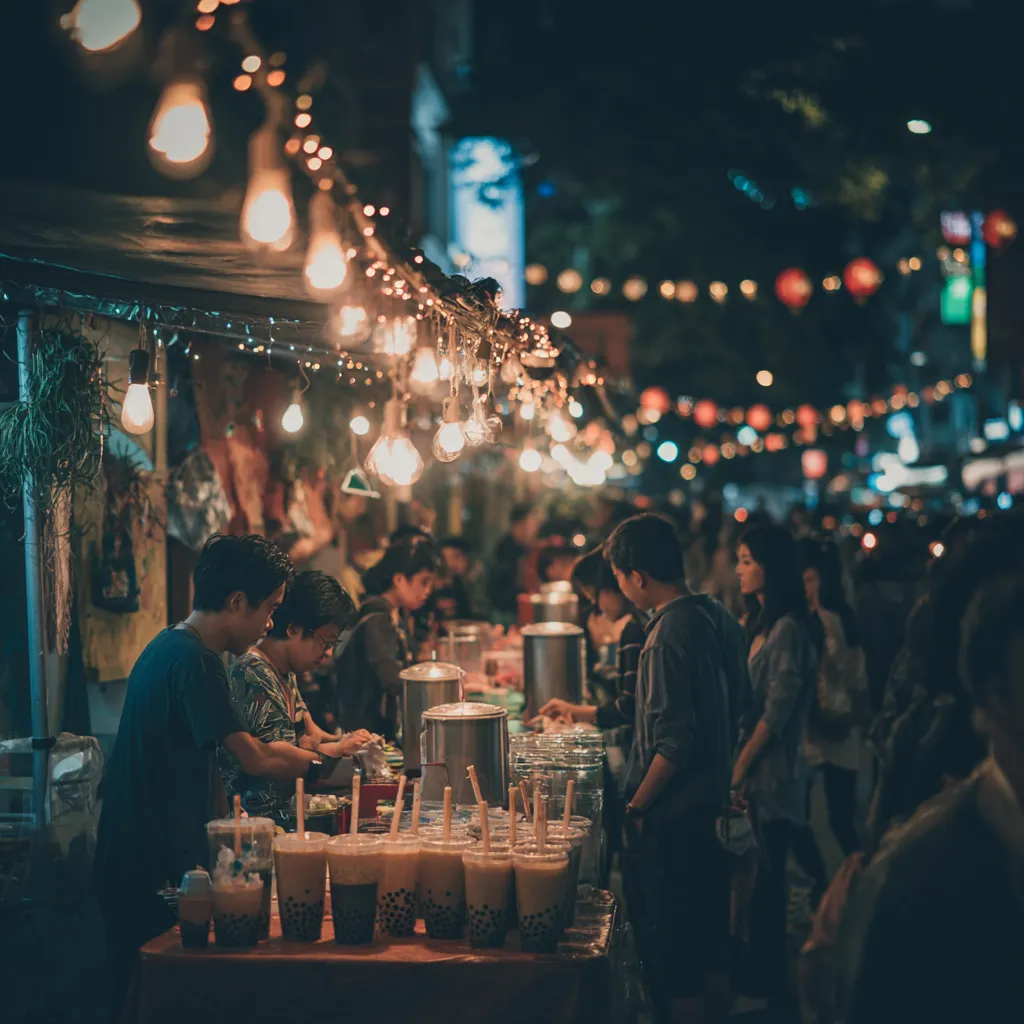
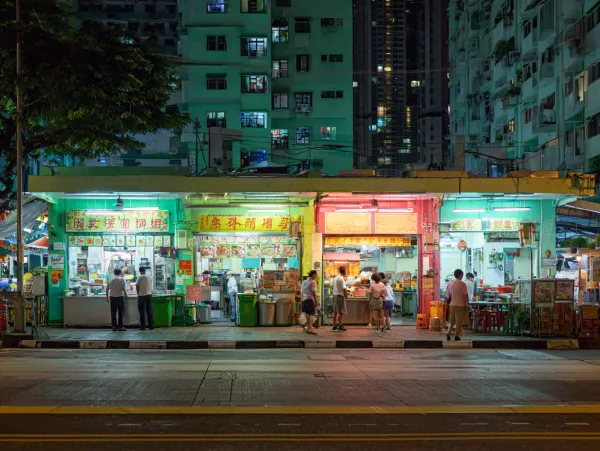
The first wave of bubble tea in Singapore mirrored the Taiwan-to-Asia trajectory: small kiosks and independent vendors introduced tapioca pearls and sweet milk teas. In the early years, pasar malam and heartland weekend markets were common launchpads where lower overheads made experimentation possible.
These early vendors adapted quickly to local palates — reducing sugar for those used to kopi and introducing fruitier options to suit tropical tastes. The informal setting of pasar malam also meant flavours and serving styles evolved rapidly based on direct customer feedback.
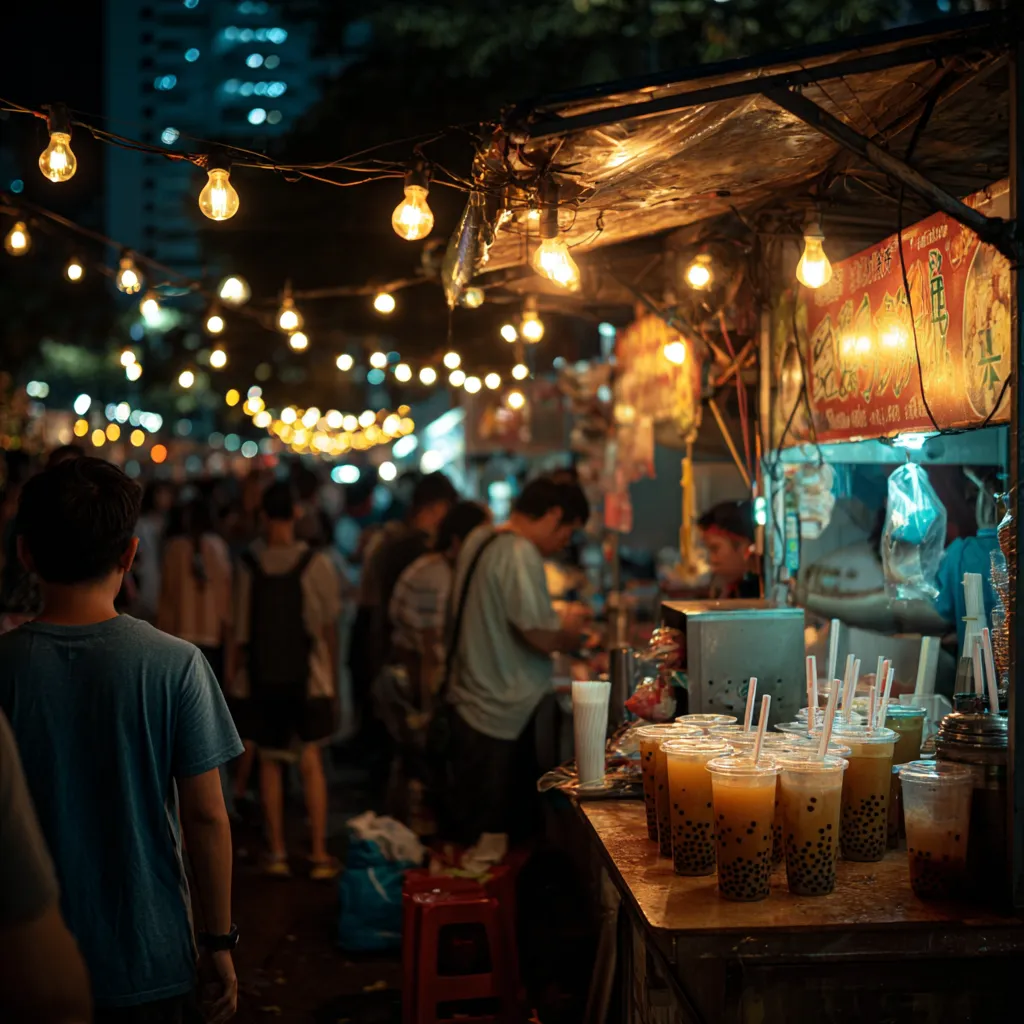
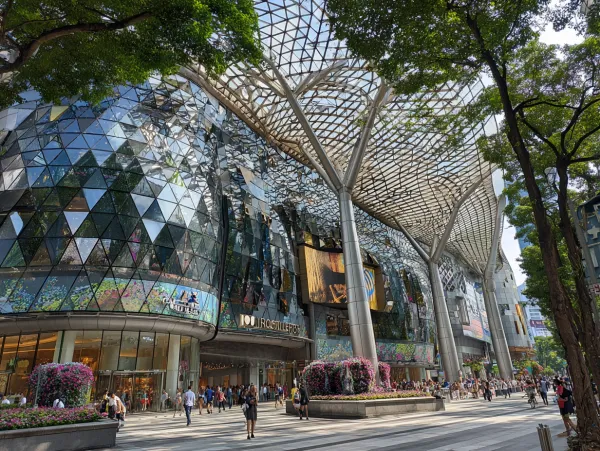
As demand grew, bubble tea moved into shopping malls and food courts across Orchard, Bugis and suburban centres. The mall environment brought standardised menus, air-conditioned queues and more polished branding — turning boba into an everyday convenience for shoppers and the CBD lunch crowd.
At the same time, speciality cafés started to position bubble tea as premium: single-origin teas, creative toppings and Instagram-ready presentation. The result is a layered market where pasar malam nostalgia coexists with mall chains and boutique tea bars.
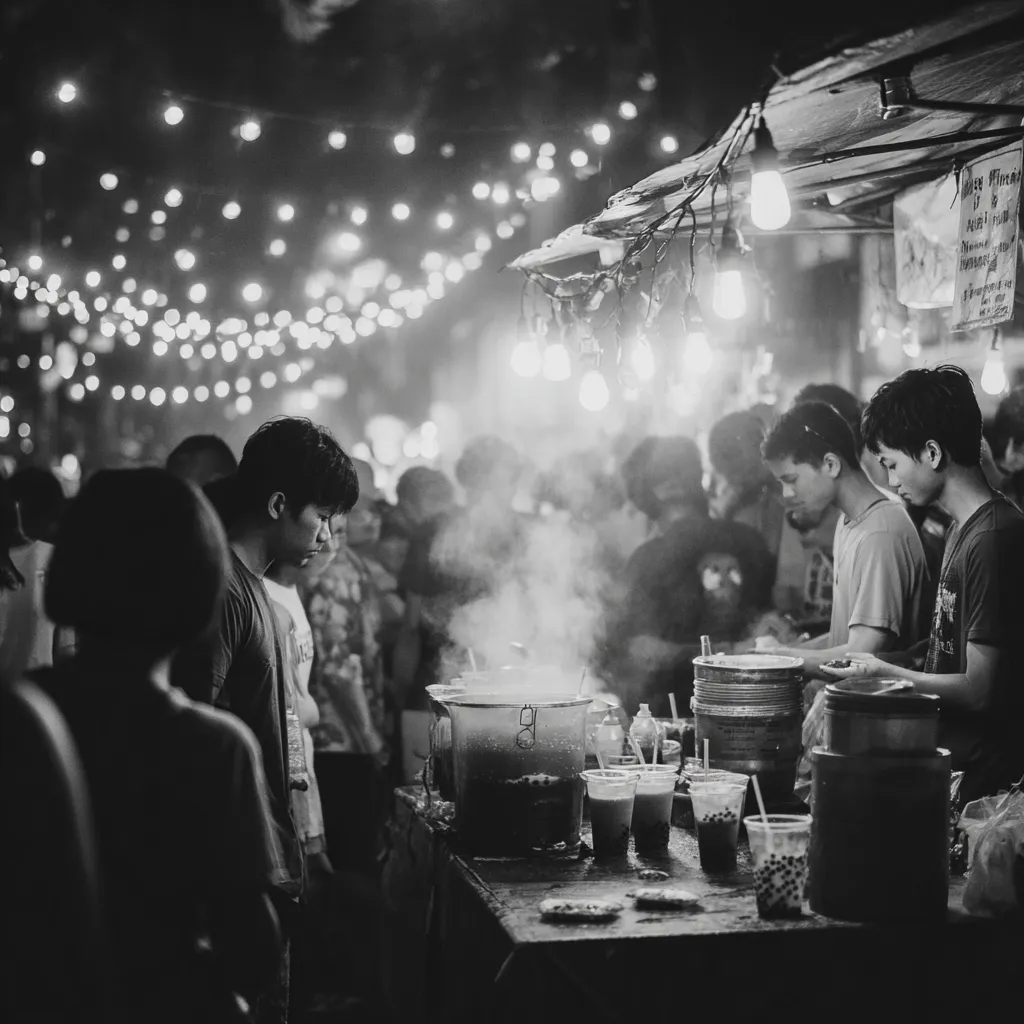
If you want to ‘order like a local’, start by adjusting sweetness (0%, 30%, 50%, 100%) and ice levels — Singapore shops offer these customisations routinely. Ask about pearl texture: soft (chewy) or firmer, and whether they use fresh-cooked tapioca or pre-cooked packets.
Look out for localised flavours: gula melaka (palm sugar) milk tea, kopi-influenced blends, or fruit teas with local fruits. Seasonal specials often borrow from Peranakan or hawker flavours, so don’t be surprised to see pandan, durian or kaya-inspired drinks.
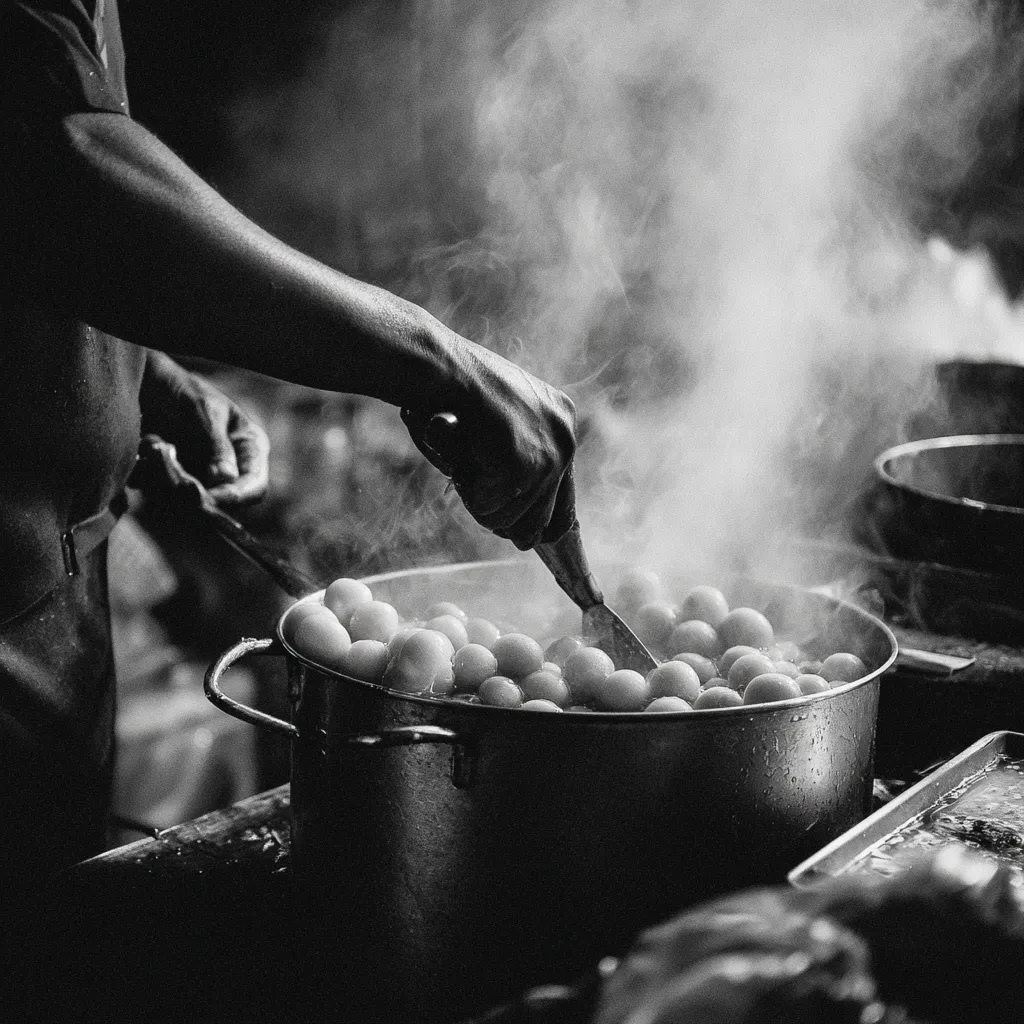
Plan a short trail that captures the full arc: start at a pasar malam or heartland night market for the old-school stall vibe, swing by a neighbourhood kopitiam or Tiong Bahru café for local adaptations, then head to Orchard or Bugis for polished mall kiosks and boutique tea bars.
Combine bubble tea with local eats: pair a classic milk tea with kaya toast for a retro breakfast, or enjoy a fruity boba after laksa in Katong. Timing matters — pasar malam stalls are evening-only, while mall outlets operate throughout the day and late-night kiosks cater to supper crowds.