
Find fresh market stalls
Geylang Serai Market
A bustling heartland hawker centre and wet market in Geylang Serai known for Malay favourites, nasi padang and a lively ...
A practical Singapore guide to the three durian varieties diners talk about most—Mao Shan Wang, D24 and Golden Phoenix—plus where to buy, how to pick one and simple ways to enjoy durian locally.
Mao Shan Wang is the showstopper for many — smaller seeds, rich custard and a bittersweet finish that die‑hard fans chase across stalls.
If you’re new to durian, start with D24 or Golden Phoenix: friendly, creamy and easier to share on a first makan.
Durian is more than a fruit in Singapore — it’s a seasonal obsession. From heartland kopitiams to late-night fruit stalls and delivery services that cater to the CBD lunch crowd, durian shapes social plans, makan trails and rooftop supper sessions throughout the year.
There are two main peaks to know: the primary season (roughly June to August) and a smaller crop around December–February depending on supply from Malaysia and seasonal yields. Prices, queue lengths and variety availability change quickly, so local markets and dealers in places like Geylang Serai or Jalan Besar are worth checking for fresh arrivals.
Mao Shan Wang (often called MSW or Musang King) is the cult favourite: dense, intensely bittersweet, with deep orange flesh and a characteristic lingering bitterness that durian aficionados prize. Expect smaller seeds, thick custard and a higher price tag when a fresh batch arrives from Johor or Pahang.
D24 is a classic export variety that’s creamier and milder — think balanced sweetness with a vanilla-custard note and less bite than MSW. It’s often the first durian many Singaporeans try. Golden Phoenix (sometimes marketed under names like Jin Feng or similar trade names) sits between the two: aromatic, sweet-savoury and a bright yellow hue that makes it a good crowd-pleaser.
Smell is the fastest clue: a ripe durian should be fragrant but not overwhelmingly fermented. Do a quick sniff at the stem end — a sour, alcoholic aroma can signal overripe fruit.
Feel and weight matter. A heavy fruit for its size suggests thick flesh; a dry, slightly shrivelled stem often means the durian was picked earlier and is fresher than one with a drooping, wet stem.
When buying from a stall, ask for a small sample. Many reputable sellers in markets like Geylang Serai will open a segment so you can check texture and flavour before committing to a whole fruit.
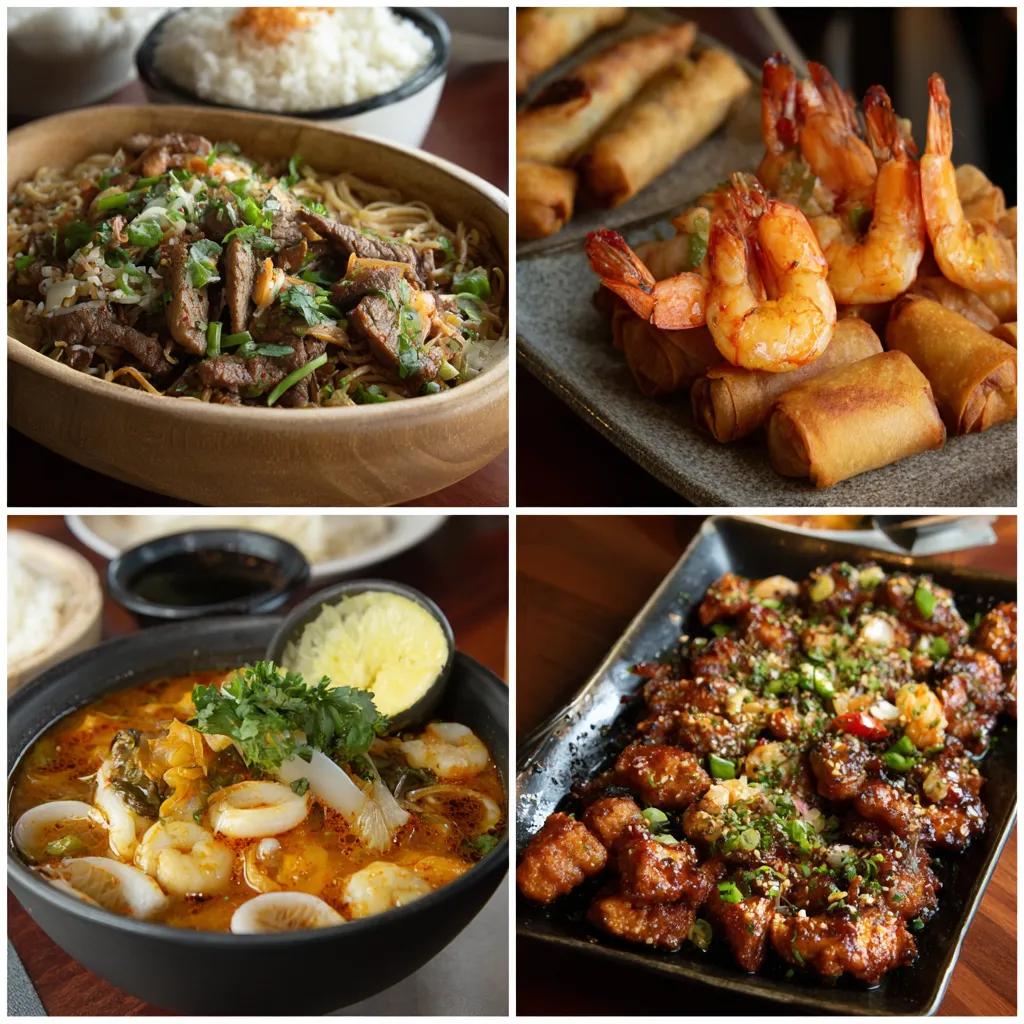
For a true heartland experience, head to fruit stalls at Geylang Serai Market, Tekka Centre or neighbourhood wet markets — these places often have morning arrivals and friendly bargaining with regulars. For convenience, stall groups and specialty durian shops will offer whole fruit or pre-packaged sections for takeaway.
If you prefer delivery, many Singapore durian merchants list daily arrivals on Facebook or WhatsApp and will deliver chilled segments or vacuum-packed boxes; this is handy for office makan sessions or late-night suppers when hawker centres are closed.
Tip for visitors: if you’re staying in a hotel or taking the MRT, remember many hotels and trains prohibit raw durian due to the strong smell — plan to consume at a kopitiam, an outdoor makan spot or back at a private residence.
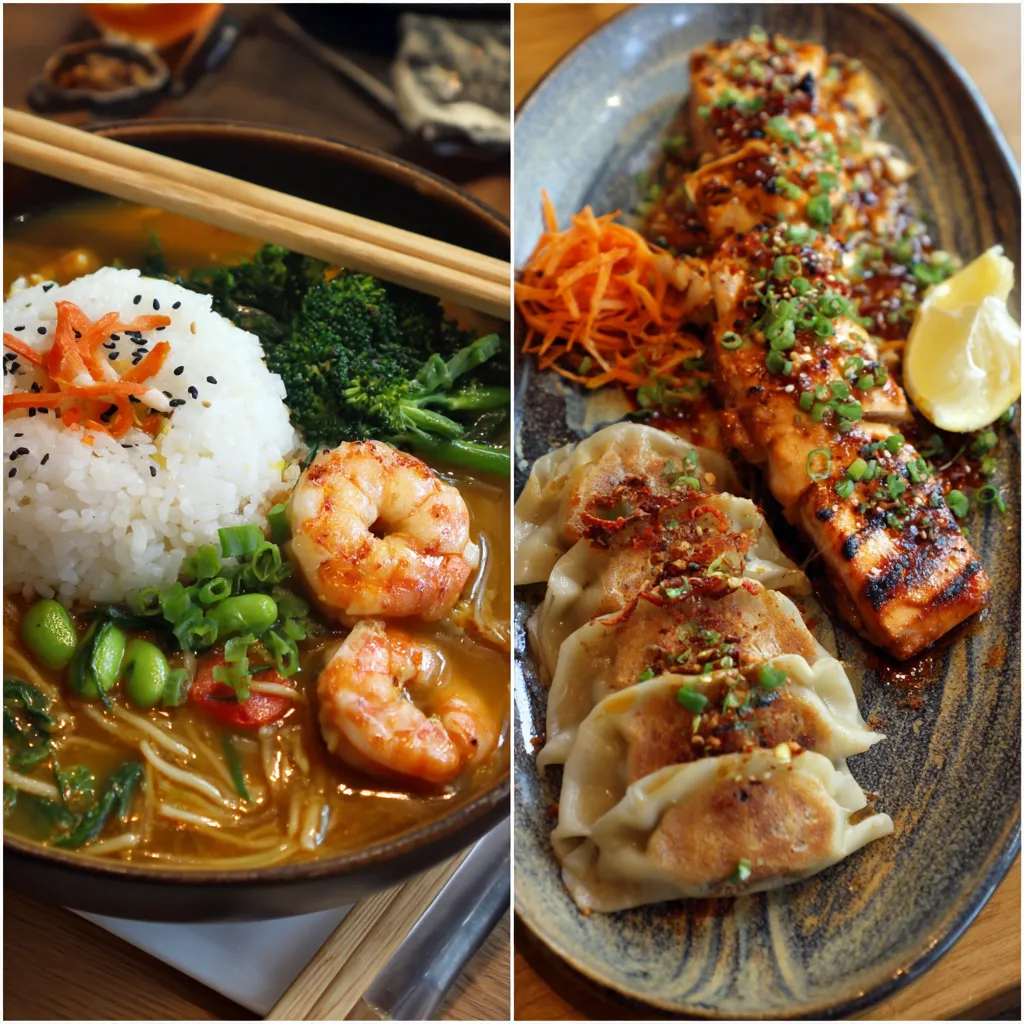
Store fresh durian pulp in an airtight container and refrigerate for up to 2 days; for longer storage, freeze in portions — frozen pulp thaws well for smoothies or ice cream. Keep waste contained: double-bag shells and pulp to minimise lingering smells in bins.
Opening a durian safely: use gloves or a cloth, and pry at natural seams with a cleaver or sturdy knife. Many sellers will open the fruit for you if you buy on the spot.
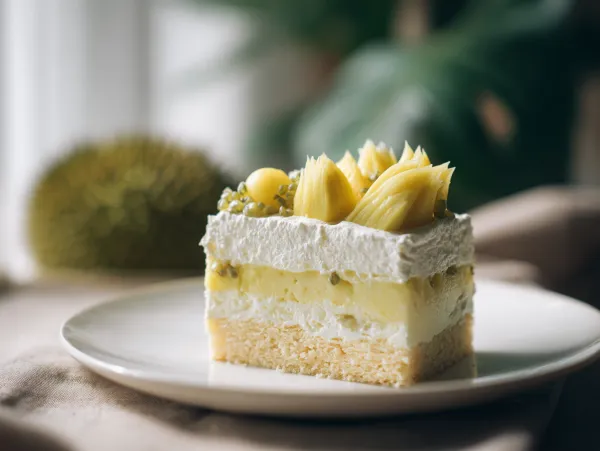
If you want to cook with durian, try a simple durian mousse or kaya-style spread. For a fuss-free dessert, fold fresh or thawed durian pulp into whipped cream and chill for a quick mousse — our durian-mousse-cake recipe is a great next step if you want to bake.
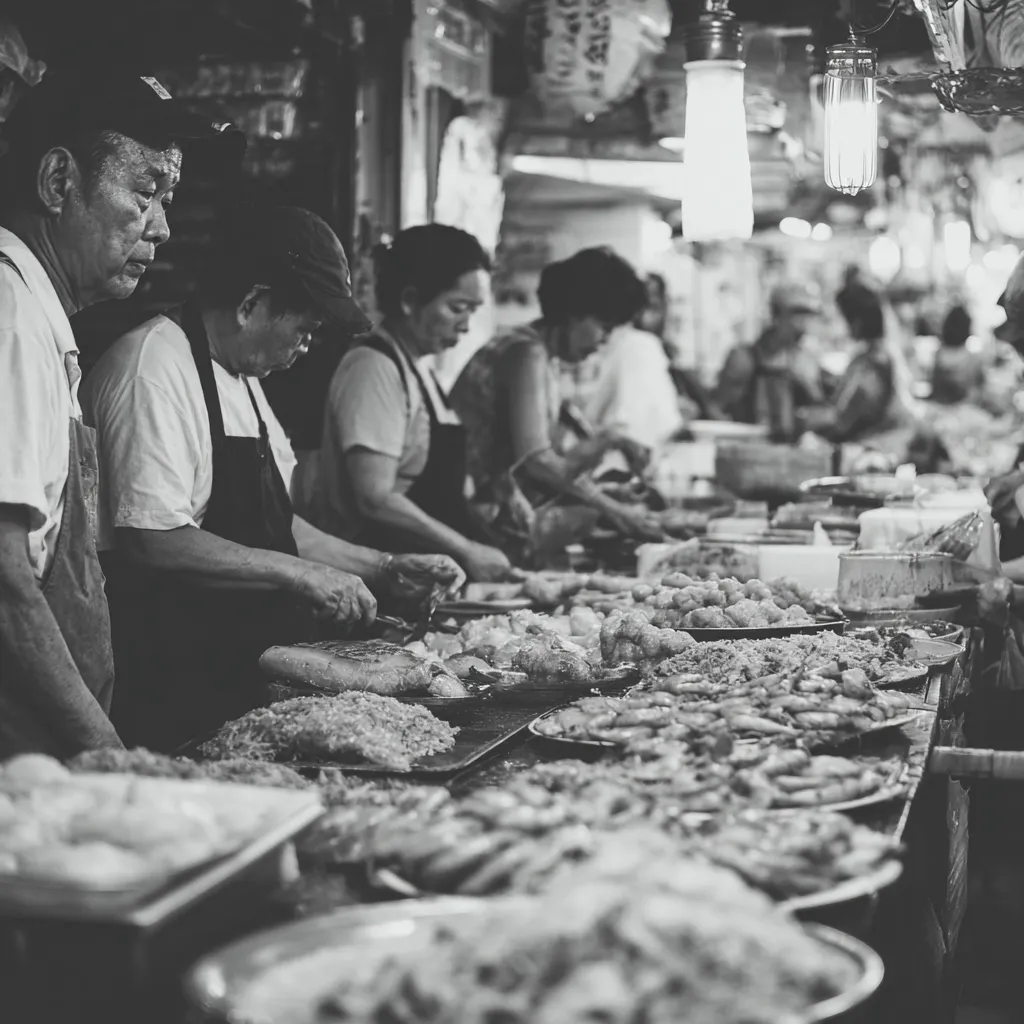
Don’t take whole durians onto trains or into many hotels — the smell is considered public nuisance. Pack sections in sealed containers and be discreet when eating in mixed-company settings.
Allergies and digestive sensitivity: durian is rich and fatty; combine cautiously with alcohol and be mindful of first-time reactions. If you have severe food allergies, check with a vendor about cross-contamination.
A common mistake is assuming price = quality. While premium batches (especially Mao Shan Wang) command high prices, freshness and proper handling often matter more than brand. Ask when it was harvested and sample if possible.