
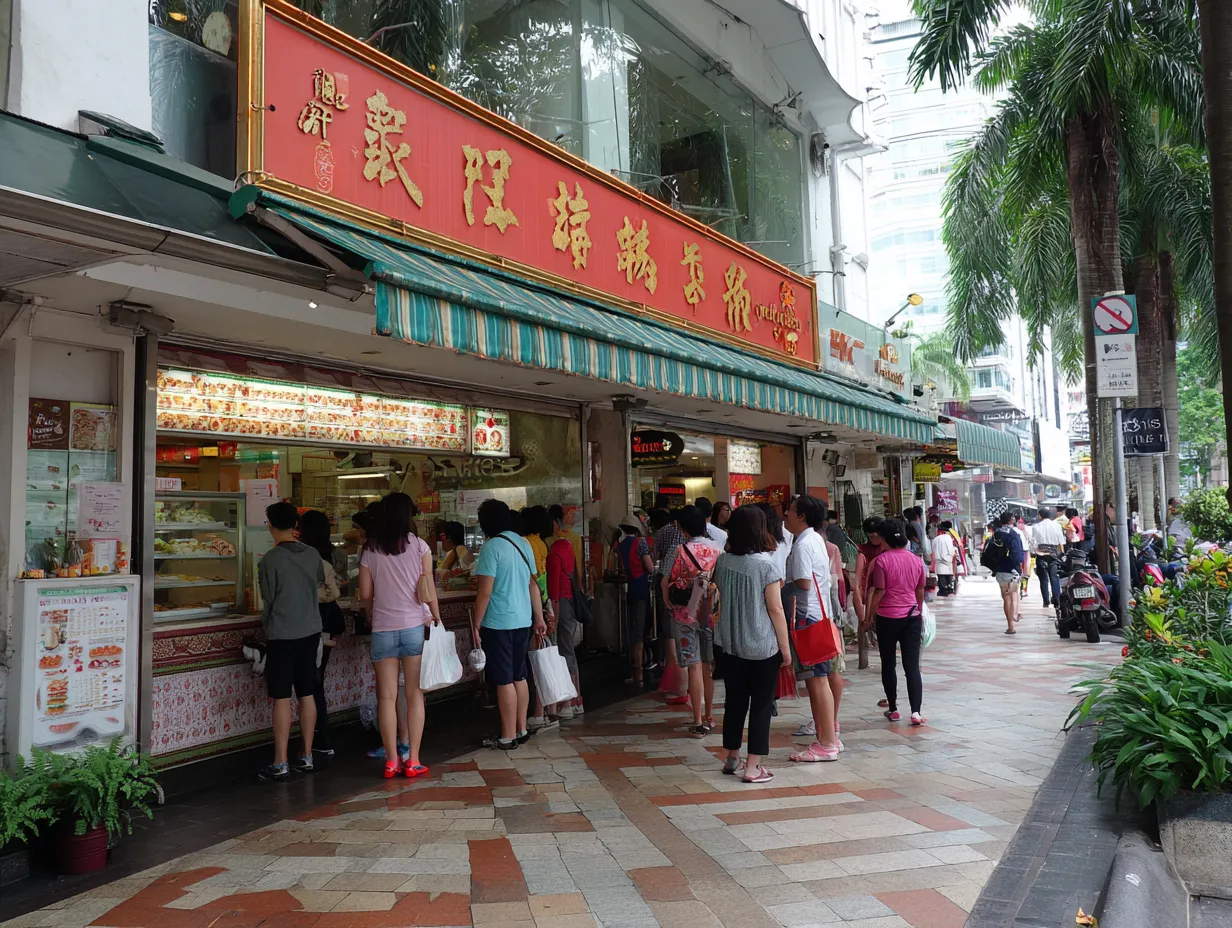
Classic kueh lapis bakery
Bengawan Solo (Kueh Lapis)
A well-known bakery counter specialising in kueh lapis and traditional Peranakan cakes, perfect for takeaway gifts and t...
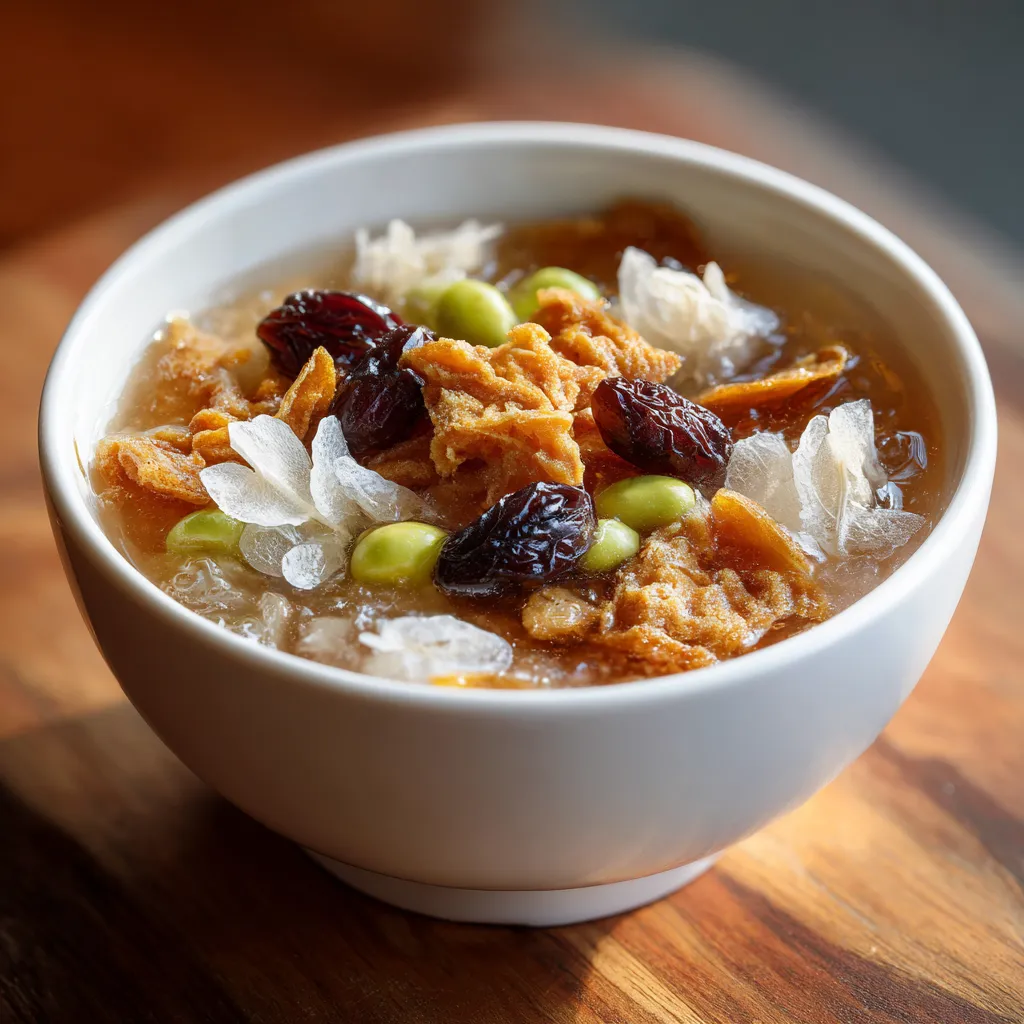
A neighbourhood-ready guide to finding classic Chinese tong shui and ah balling in Singapore — where to go, what to order and how to plan a dessert-only makan trail.
Traditional tong shui and kueh are Singapore’s unsung comfort foods — humble, shareable and full of memory.
Ask for ‘less sugar’ and you’ll taste the dessert’s true character — not just sweetness.
From tong shui (sweet soups) to ah balling (glutinous rice balls), these desserts are woven into Singapore’s food story: they appear at birthday gatherings, temple fairs and late-night supper runs alike. Unlike plated Western desserts, tong shui and kueh are communal, affordable and steeped in ritual.
You’ll find them across kopi shops, heartland hawker centres and specialist dessert stalls in estate wet markets. For many locals they’re comfort food — simple, warming or refreshingly chilled depending on the season and the sugar level.
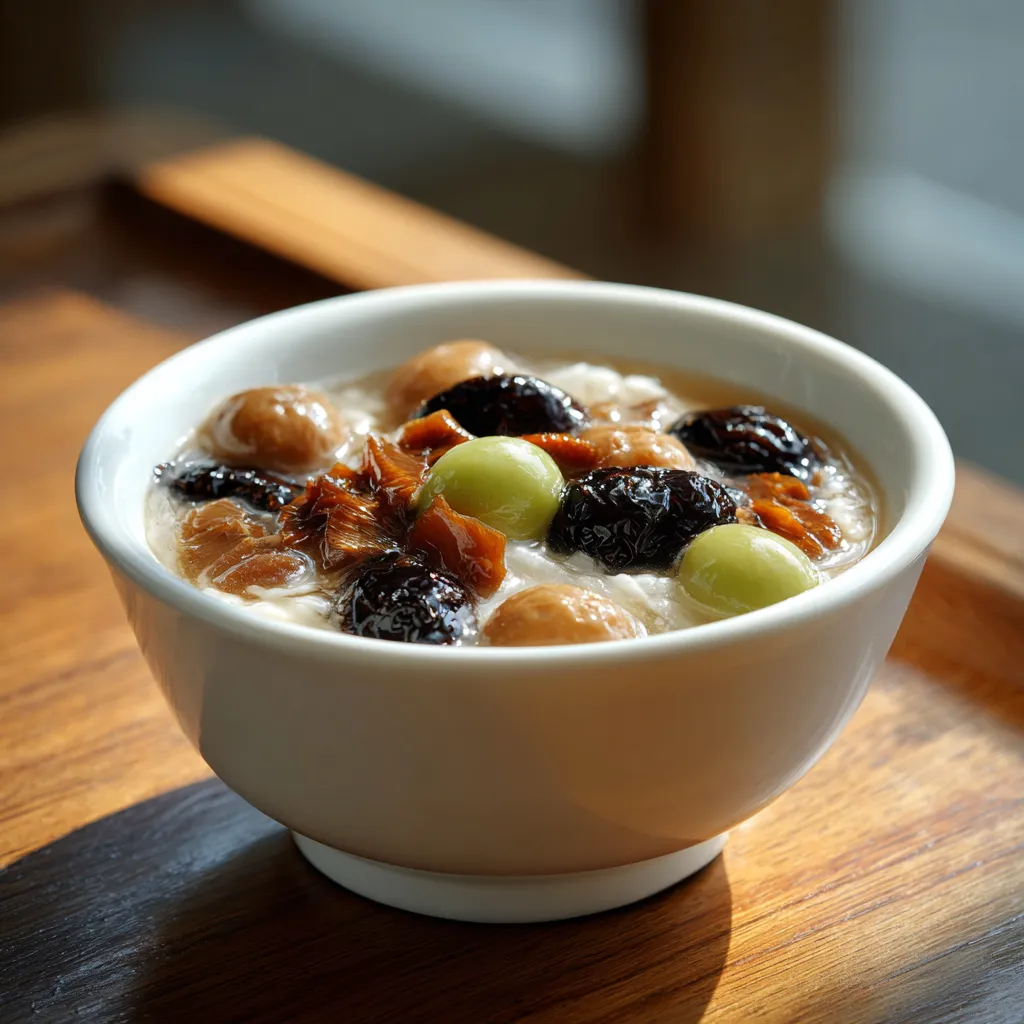
Start with tong shui classics: cheng tng (hot & cold mix of candied winter melon, barley, longan and other goodies) for a cooling option, or red bean soup for something heartier. Ah balling (tang yuan) come filled with black sesame, peanut or gula melaka — bite in and enjoy the molten centre.
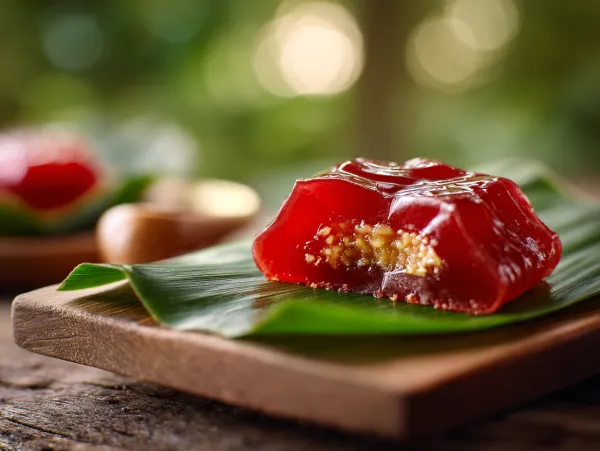
Kueh varieties are just as essential: ang ku kueh (red tortoise cake) with sweet mung bean paste, pandan kueh lapis layered cakes, and ondeh-ondeh (palm sugar balls coated in grated coconut) are common finds in bakeries and kopitiams.

Tiong Bahru and Katong are great neighbourhoods to build a dessert crawl: Tiong Bahru’s kopitiams offer old-school tau huay and tong shui, while Katong has specialist kueh sellers and bakeries that keep Peranakan and Hokkien sweets alive.
For a proper hawker-centre experience visit lively heartland centres like Old Airport Road, Geylang Serai Market (a Malay and Peranakan dessert treasure trove) and Bugis/China Town areas where tong shui stalls often operate into the evening.
Ordering is straightforward but there are a few local touches: ask for 'less sugar' (少糖) or 'no sugar' for tong shui if you’re watching sweetness, and request 'hot' or 'cold'. Many stalls accept cash only, though more hawkers are adopting QR-payments; check the stall signage.
Portions are typically shareable — a medium bowl of tong shui can be split between two people. If the stall is busy, get a number or write your order on the counter chit where applicable, and collect a seat after ordering (avoid saving seats excessively).

Try a compact route: start with a savoury dinner (char kway teow or bak kut teh), then move on to a kopitiam for warm tong shui, and finish at a bakery for kueh or pakeh-style cakes. In Katong or Tiong Bahru you can easily walk between dessert stops.
If you’re on a late-night mission, head to hawker centres that stay open late — many tong shui stalls and ah balling vendors cater to the supper crowd, especially on weekends. Pack in three to four stops and pace your sugar intake!
Classic kueh lapis bakery
A well-known bakery counter specialising in kueh lapis and traditional Peranakan cakes, perfect for takeaway gifts and t...
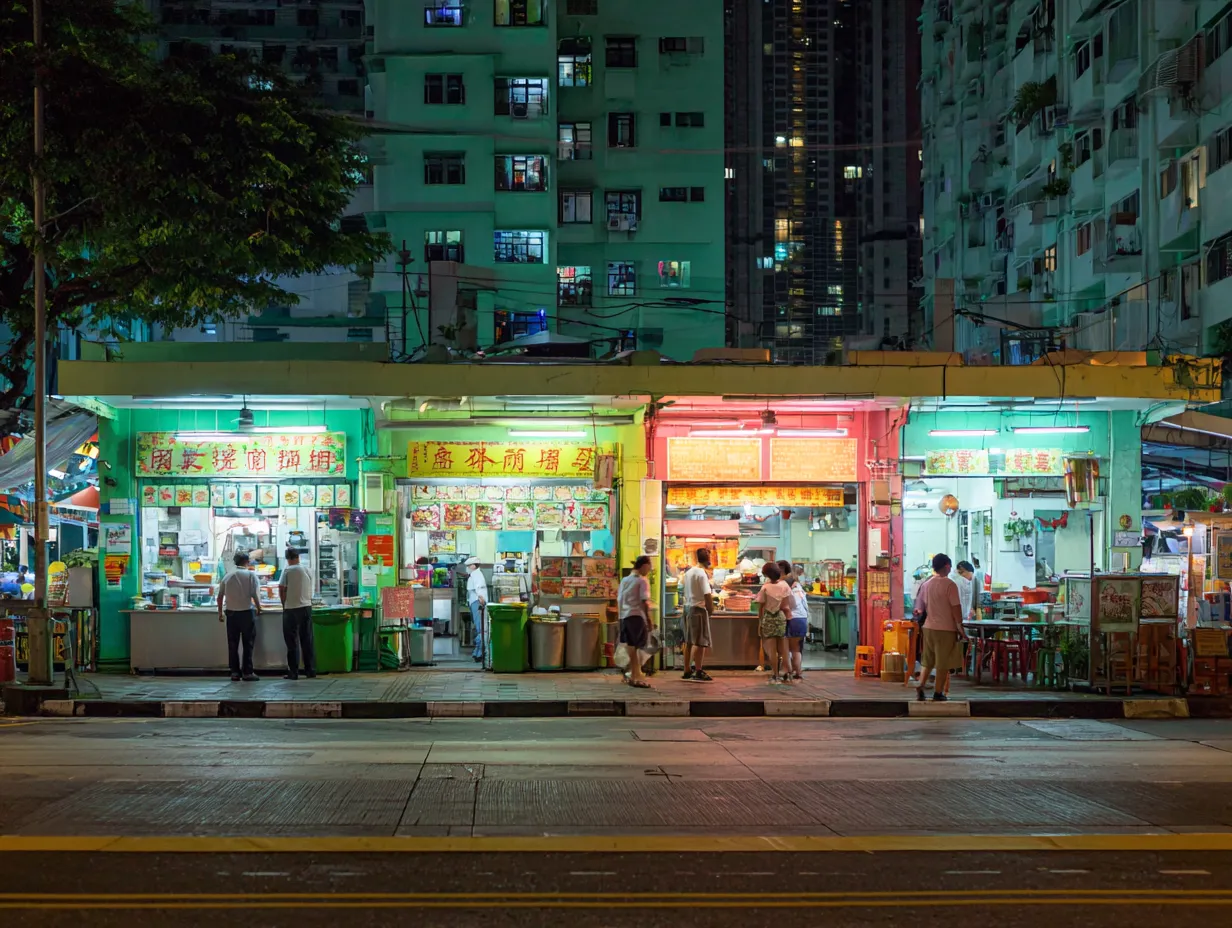
Kopitiam desserts in Tiong Bahru
A bustling neighbourhood hawker centre in Tiong Bahru known for classic Singapore street food and kopitiam-style breakfa...