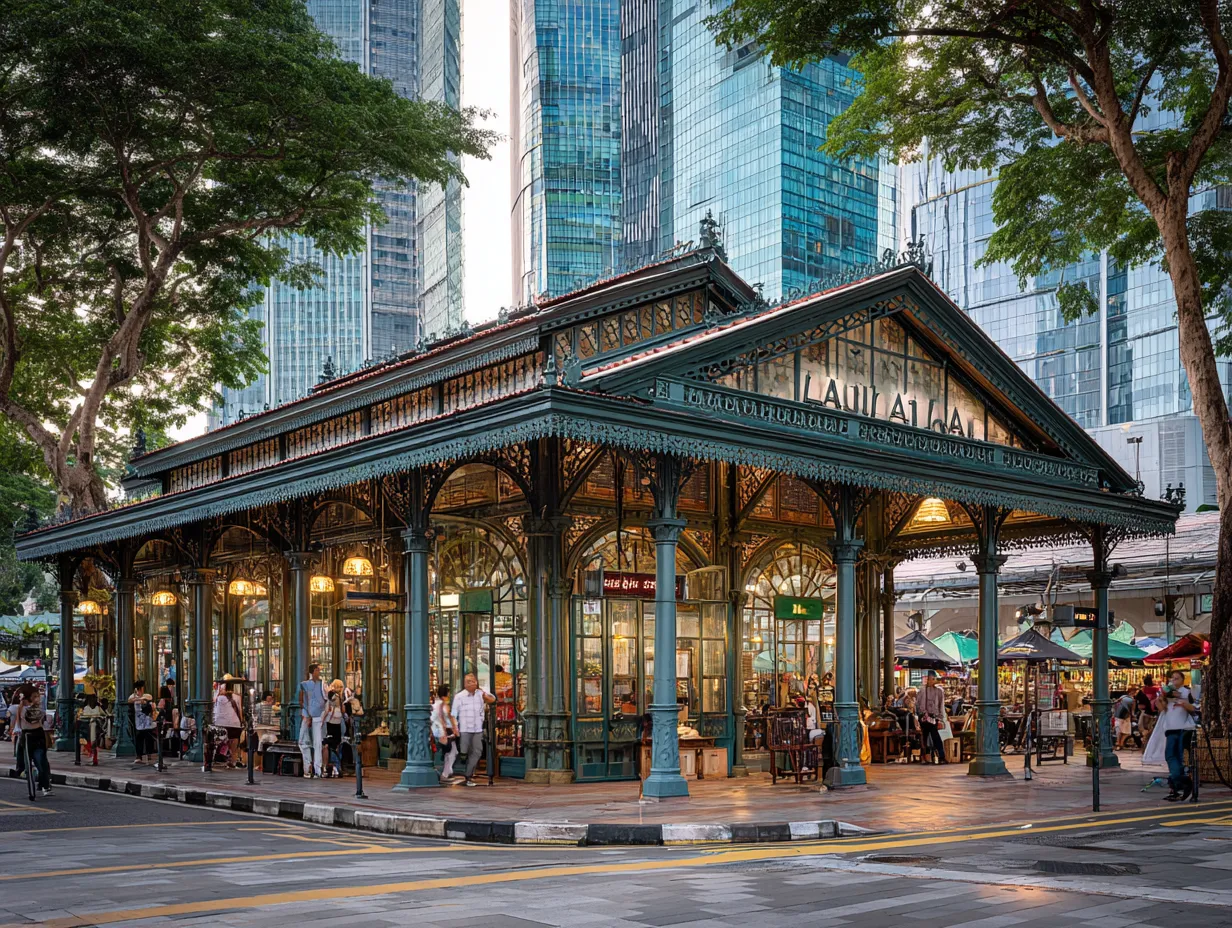
Iconic CBD satay street
Lau Pa Sat
Historic CBD hawker centre famous for its evening satay street, wide range of Singapore hawker favourites and bustling l...
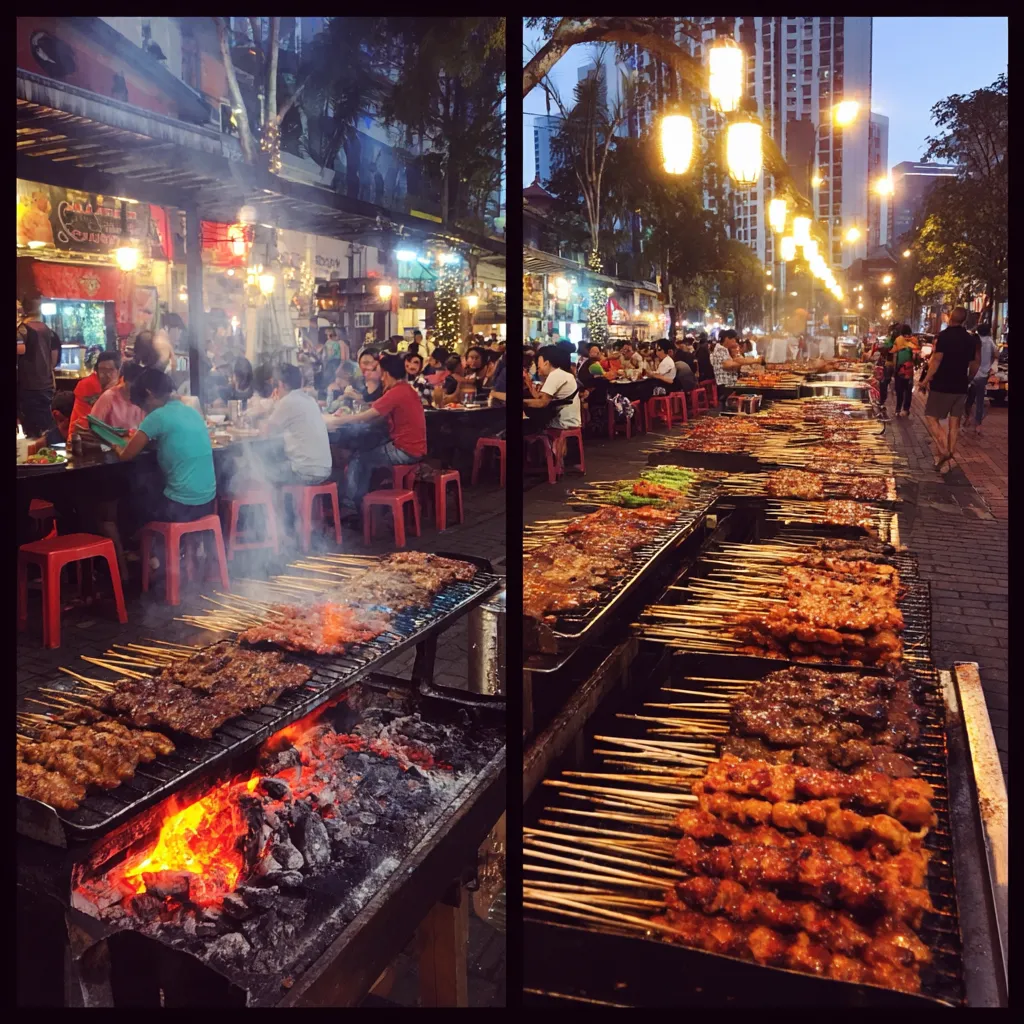
A practical Singapore guide comparing two satay scenes — Lau Pa Sat's CBD satay street and the breezy East Coast flavour — with tips on what to order and when to go.
Lau Pa Sat is theatre; the East Coast is a long, breezy dinner with the sea.
Great satay is all about charcoal, a good marinade and a peanut sauce you want to dunk everything into.
Satay is one of those simple hawker treasures that sums up Singapore’s multicultural makan culture — skewered meat, char-smoke, and a sweet-spicy peanut dip that turns any late-night gathering into a celebration. Whether you’re a CBD lunch crowd looking for a quick fix or a family at the East Coast enjoying an alfresco dinner, satay slots neatly into city life.
This piece pits two popular satay experiences against each other: Lau Pa Sat’s famous satay street in the CBD, known for its evening bustle and neon-lit atmosphere, and the East Coast’s seaside, laid-back approach where seafood, grills and outdoor dining set a different tone. Both are very Singapore — but they offer different moods, menus and practicalities.
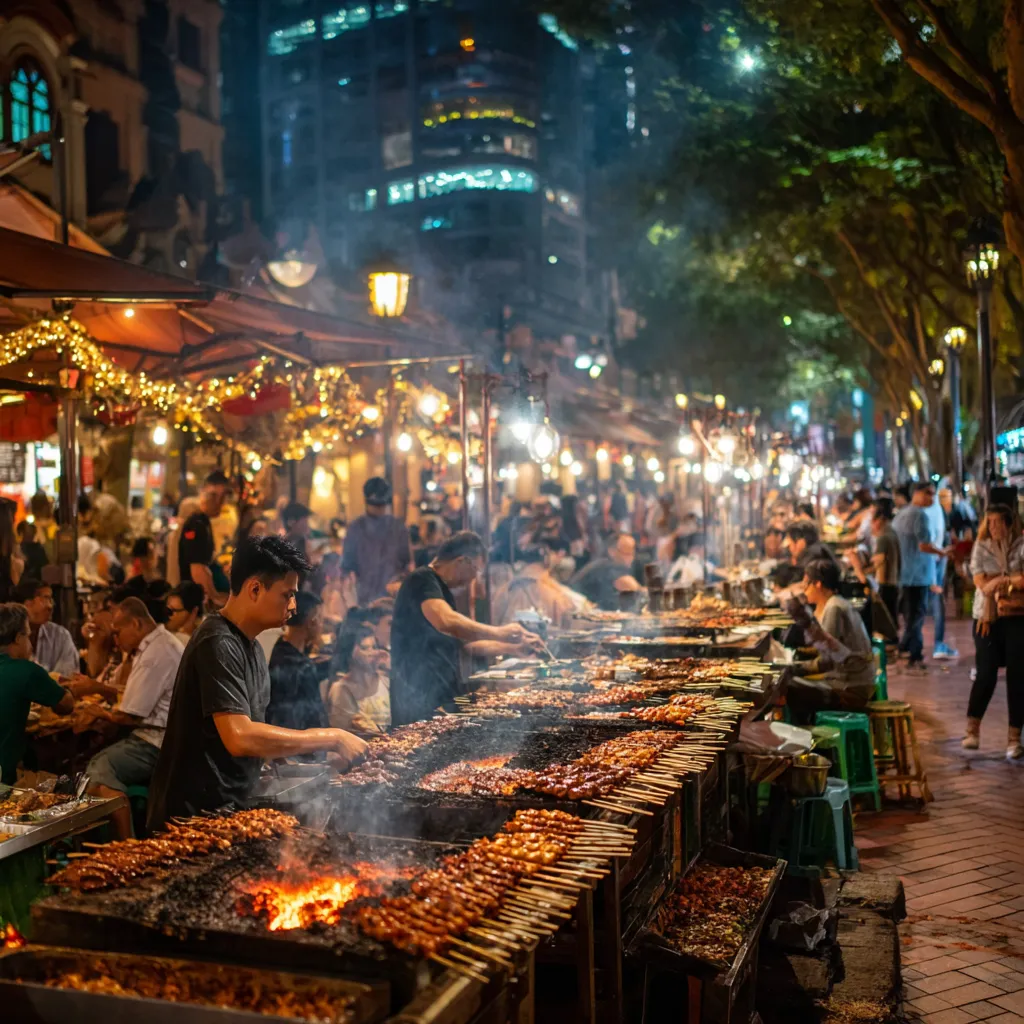
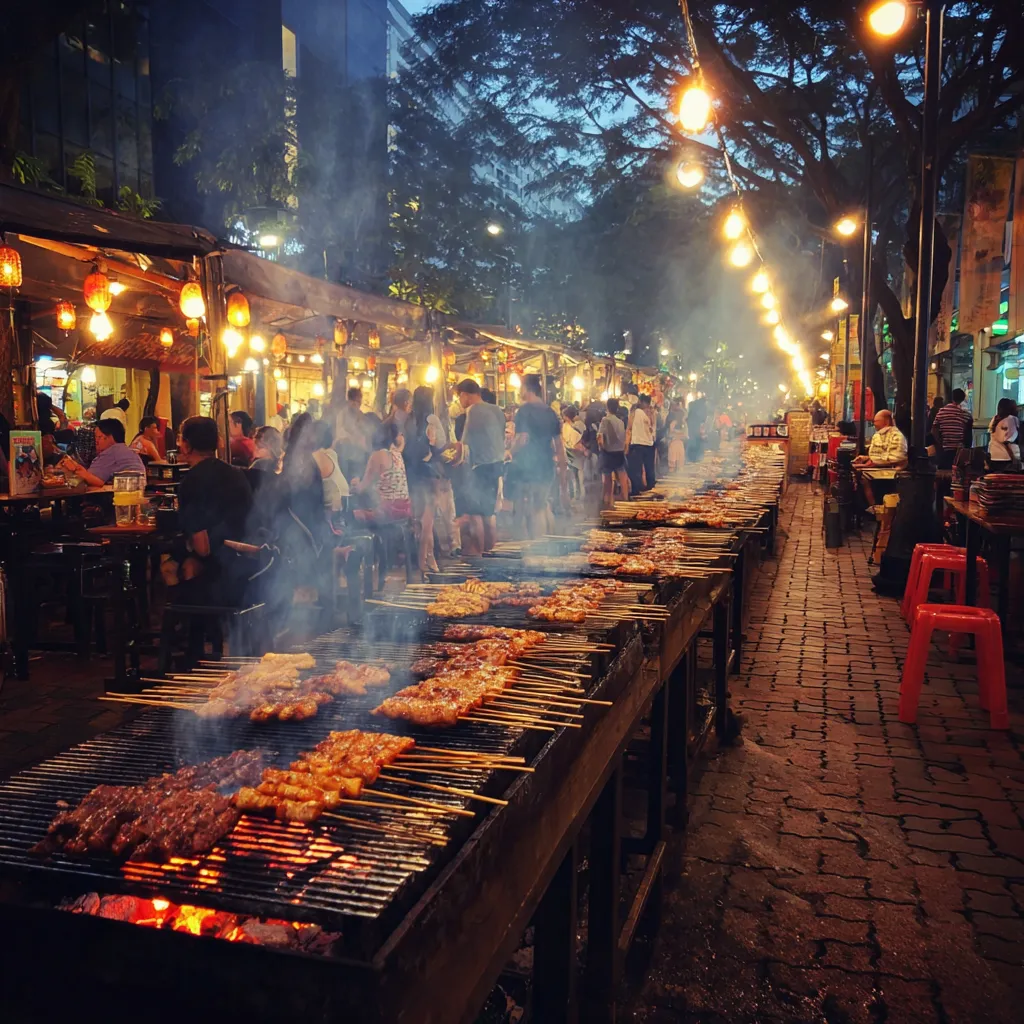
Lau Pa Sat’s satay street springs to life after sundown when part of Boon Tat Street is closed to traffic and converted into a long row of satay stalls and outdoor seating. The effect is theatrical — hundreds of skewers grilling over charcoal under the glow of the CBD lights.
Here you’ll find a range of proteins: ayam (chicken), beef, mutton and sometimes more adventurous options like sotong (squid) or prawn. The peanut sauce here tends to be slightly sweeter and thicker to match the rapid turnover and wide tourist/local audience.
Practical tip: arrive early if you’re in a group — the plastic stools and communal tables fill fast. If you’re on a tight lunch break, check whether stalls are open (satay street is primarily an evening attraction).
The East Coast offers a different rhythm: think sea breeze, long communal tables and a more relaxed dining pace. While East Coast Park and nearby eateries are better known for seafood, you’ll also find satay vendors and kopitiam stalls in the area that bring a neighbourhood-style version of the dish.
Changi Village Hawker Centre and the cluster of eateries along the East Coast attract families and groups who pair satay with zi char, sambal kangkong, chilli crab or plain old fried rice. The satay here can lean slightly smokier and is often enjoyed slowly, with the sea as company.
If you’re after an alfresco, family-friendly evening or want to combine satay with a larger seafood spread, the East Coast is your pick — bring mosquito repellent for later nights and be prepared for parking or weekend crowds.
Ordering satay in Singapore is straightforward once you know the local rhythms: most stalls sell sticks in set counts (commonly 5 or 10) and offer peanut sauce, raw cucumber and onion on the side. Ask for extra sauce if you like it saucy — stalls expect it and will usually provide a small extra bowl.
To taste the difference between Lau Pa Sat and the East Coast, focus on three elements: the char (how smoky the meat is), the marinade (sweet vs savoury balance), and the peanut sauce (smooth vs chunky, sweet vs spicy). Eat a plain piece first, then dip to note how the sauce changes the flavour.
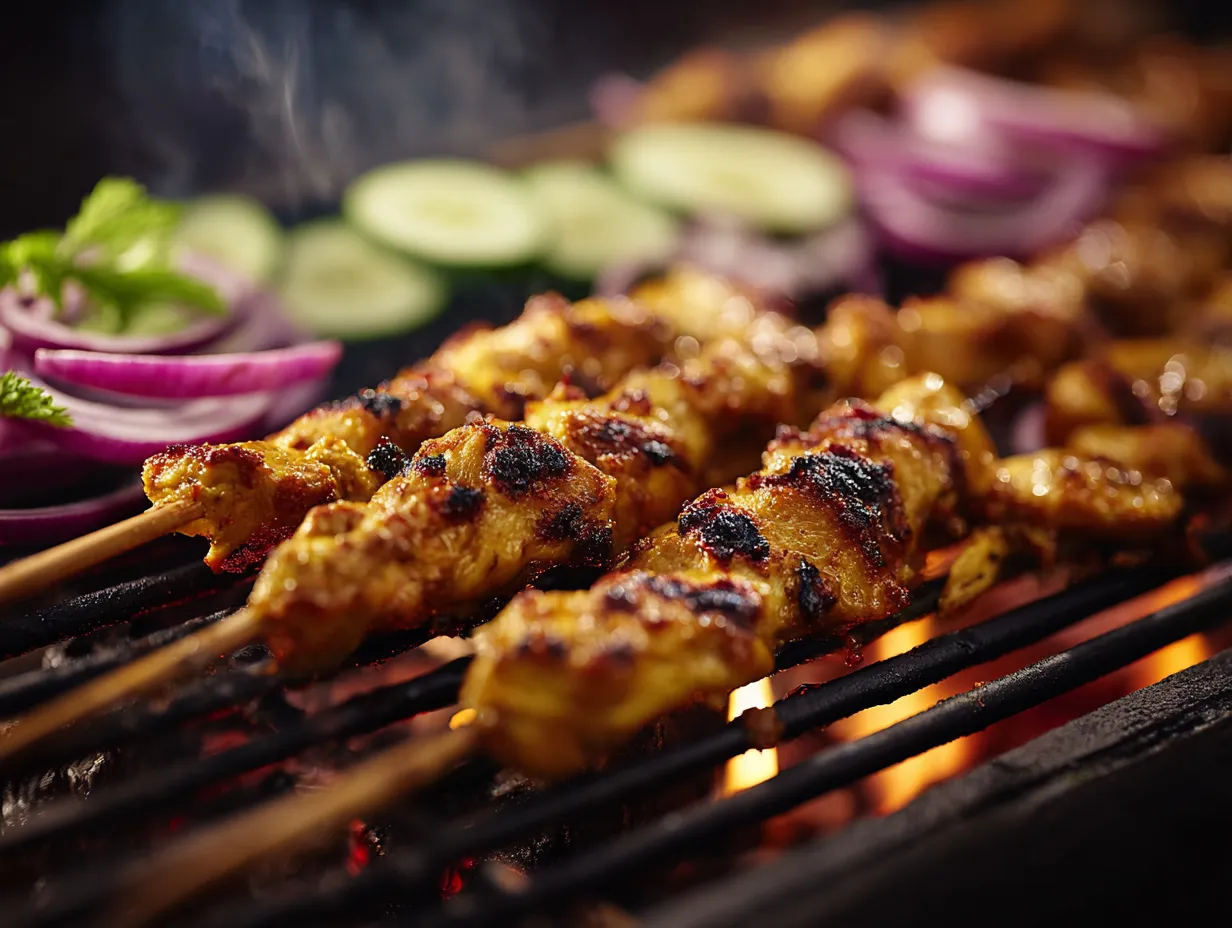
Want to try making satay at home? Use our step-by-step satay ayam recipe for a reliable marinade and peanut-sauce method that replicates hawker flavours in a home kitchen.
Iconic CBD satay street
Historic CBD hawker centre famous for its evening satay street, wide range of Singapore hawker favourites and bustling l...
Make satay at home
Singapore-style Satay Ayam — turmeric-marinated grilled chicken skewers with a rich, slightly sweet peanut sauce, perfec...

