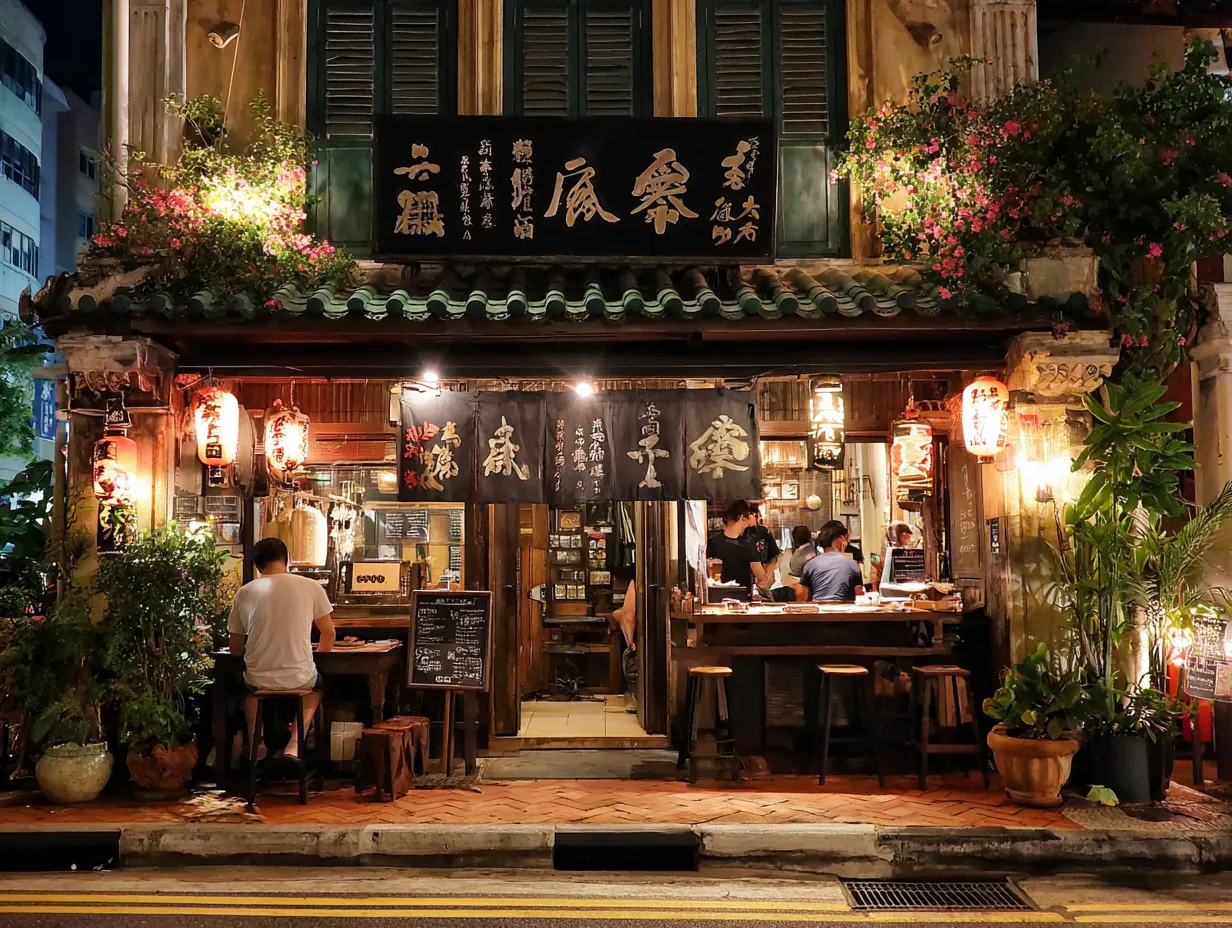
Late-night izakaya vibes
Sakura Izakaya
Cosy Japanese izakaya in Tanjong Pagar known for charcoal-grilled skewers, small plates and an extensive sake list....
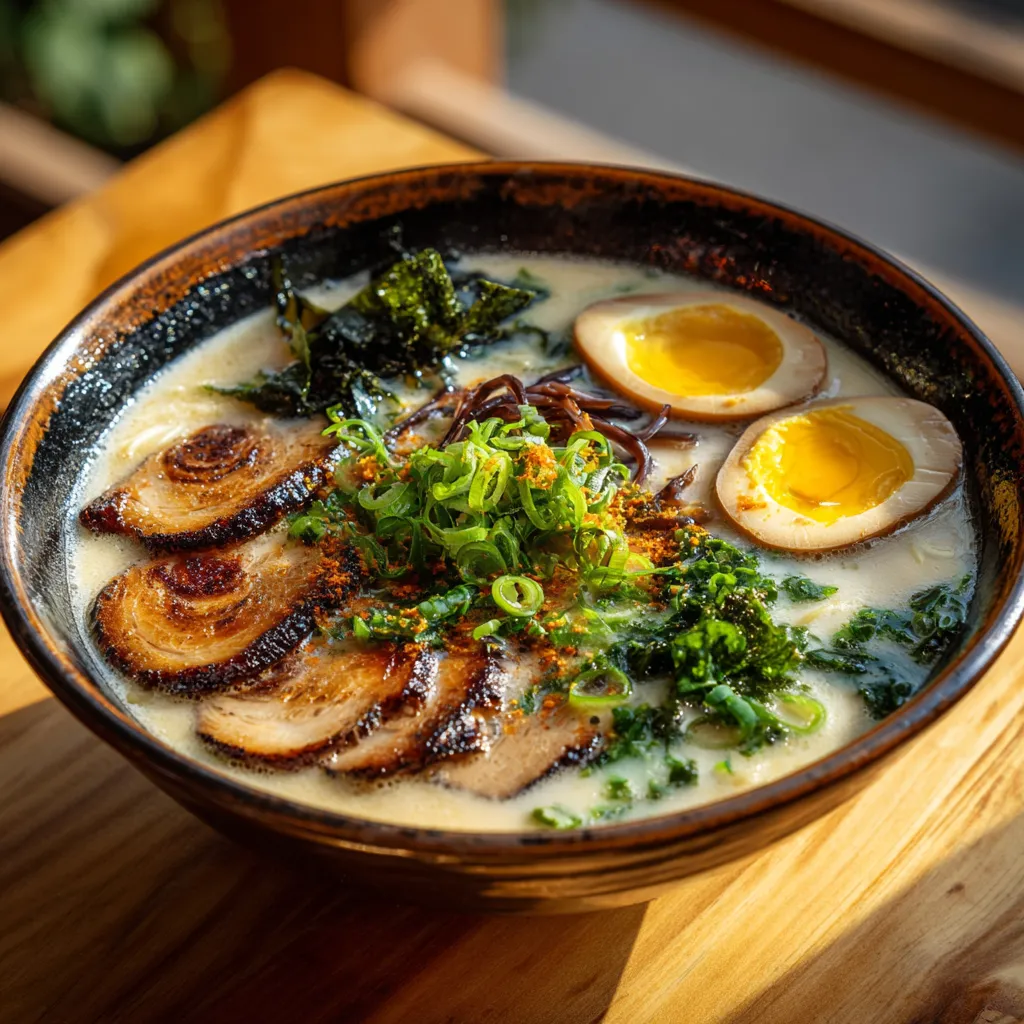
A practical Singapore guide to eating ramen — from creamy tonkotsu and clear shoyu to dip-style tsukemen — with where to go, what to order, and local tips for a proper makan session.
Tonkotsu is all about the broth—the lacquered pork depth keeps people queuing even in our humidity.
Tsukemen is perfect for warm nights: concentrated dip, chewy noodles, and a slower, sociable way to eat.
Ramen has become part of Singapore’s late-night and lunch culture — from mall-based chains in Orchard and CBD to cosy izakaya-style counters in Tiong Bahru and supper spots near the East Coast. It’s not just food; it’s a ritual: queue, customise, slurp, repeat.
Locals treat ramen like any other hawker-born comfort: pick a style that matches your mood (hearty tonkotsu for rainy nights, light shoyu for a quick lunch), and pair it with small plates or a gyoza side for a proper makan.
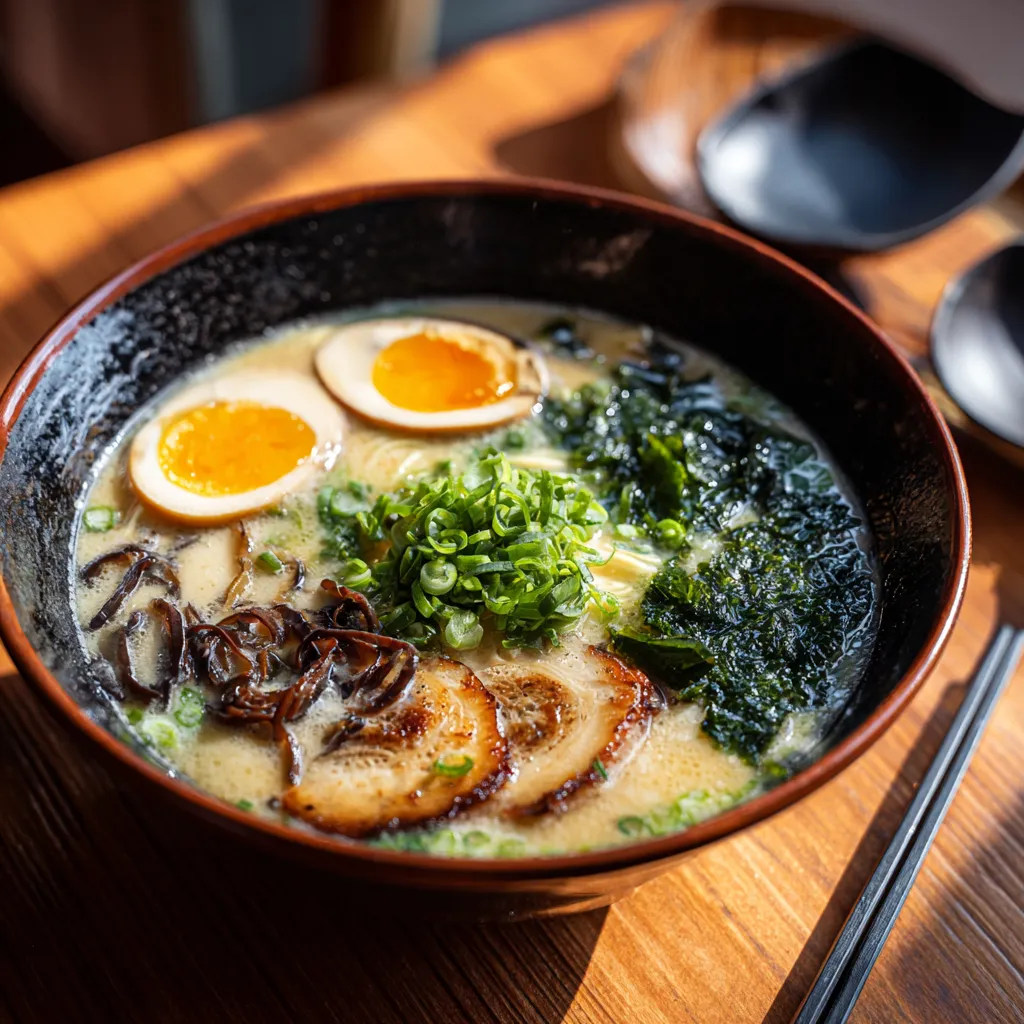
Tonkotsu is defined by a long-simmered pork-bone broth that turns milky and viscous — think rich, fatty mouthfeel and a lacquered surface. In Singapore this style is popular in specialist shops where richness is dialled up for supper crowds who want something indulgent.
Shoyu ramen is the lighter, soy-based cousin: clearer broth, more aromatic, often with chicken or vegetable stock as a base. It’s the go-to for CBD lunch crowds who want flavour without the heavy after-effect.
Tsukemen separates noodles and broth: chewy, cold or room-temperature noodles are dipped into an intensely flavoured sauce. It’s great for humidity as the noodles stay springy and the dip is concentrated so each mouthful hits hard.
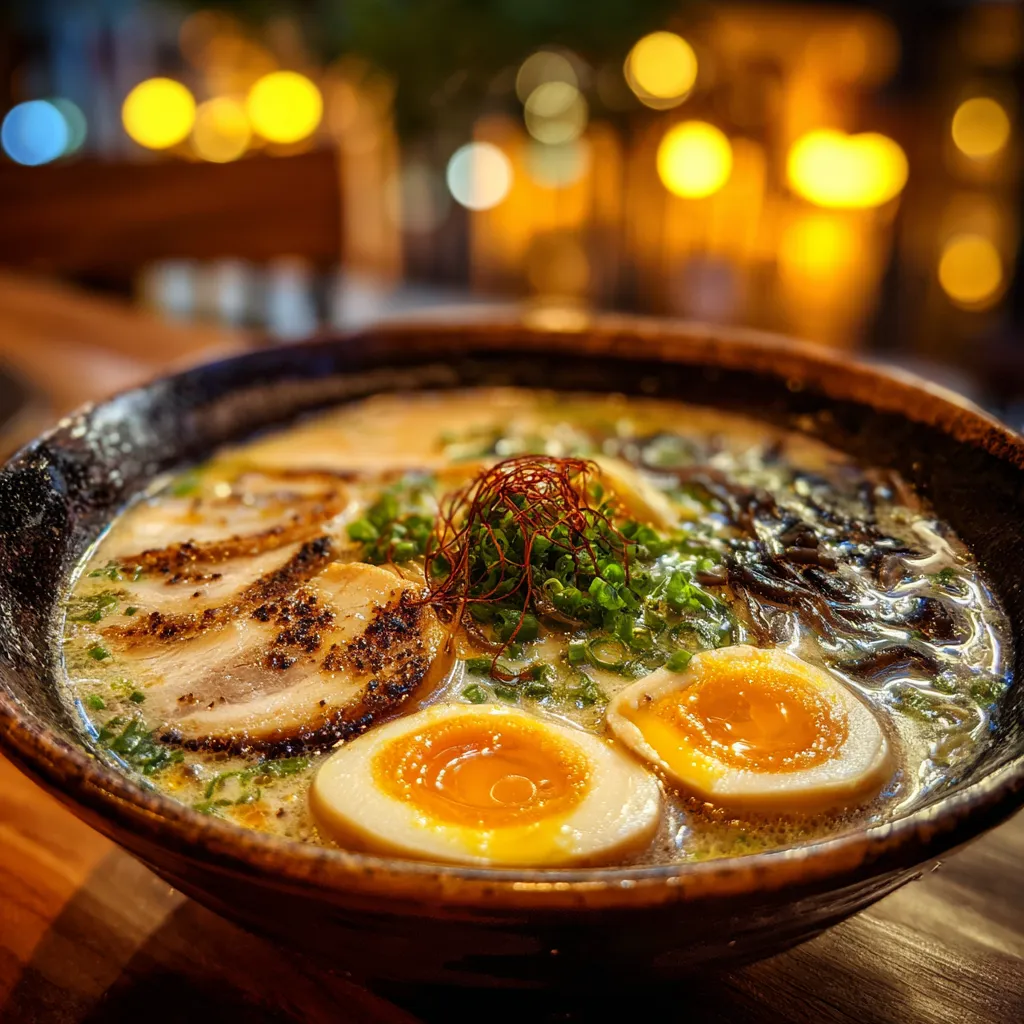
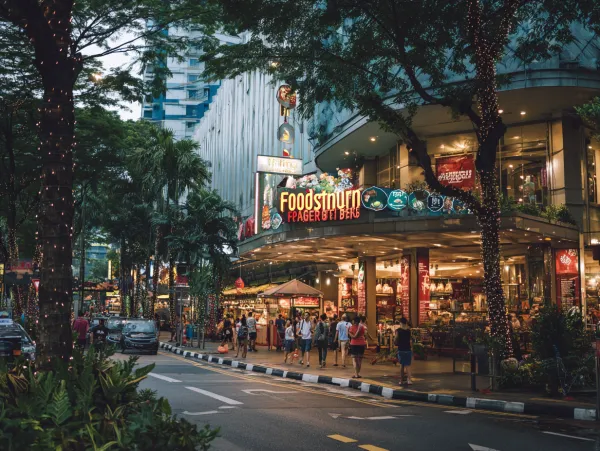
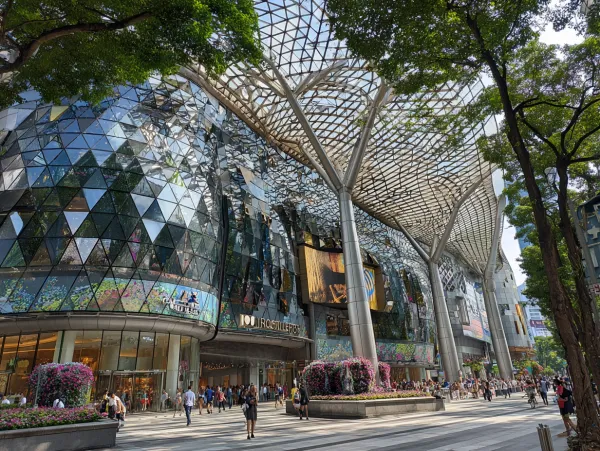
Orchard and Bugis are full of mall-based ramen options for shoppers and lunch crowds, while Tiong Bahru and Robertson Quay host independent shops with izakaya vibes for evenings. East Coast and the CBD also have late-night outlets that draw supper-goers.
Don’t overlook food-court and hawker-centre ramen stalls: they offer wallet-friendly bowls and a more local experience, often paired with kopi, chilled beer or complementary sides from adjacent stalls.
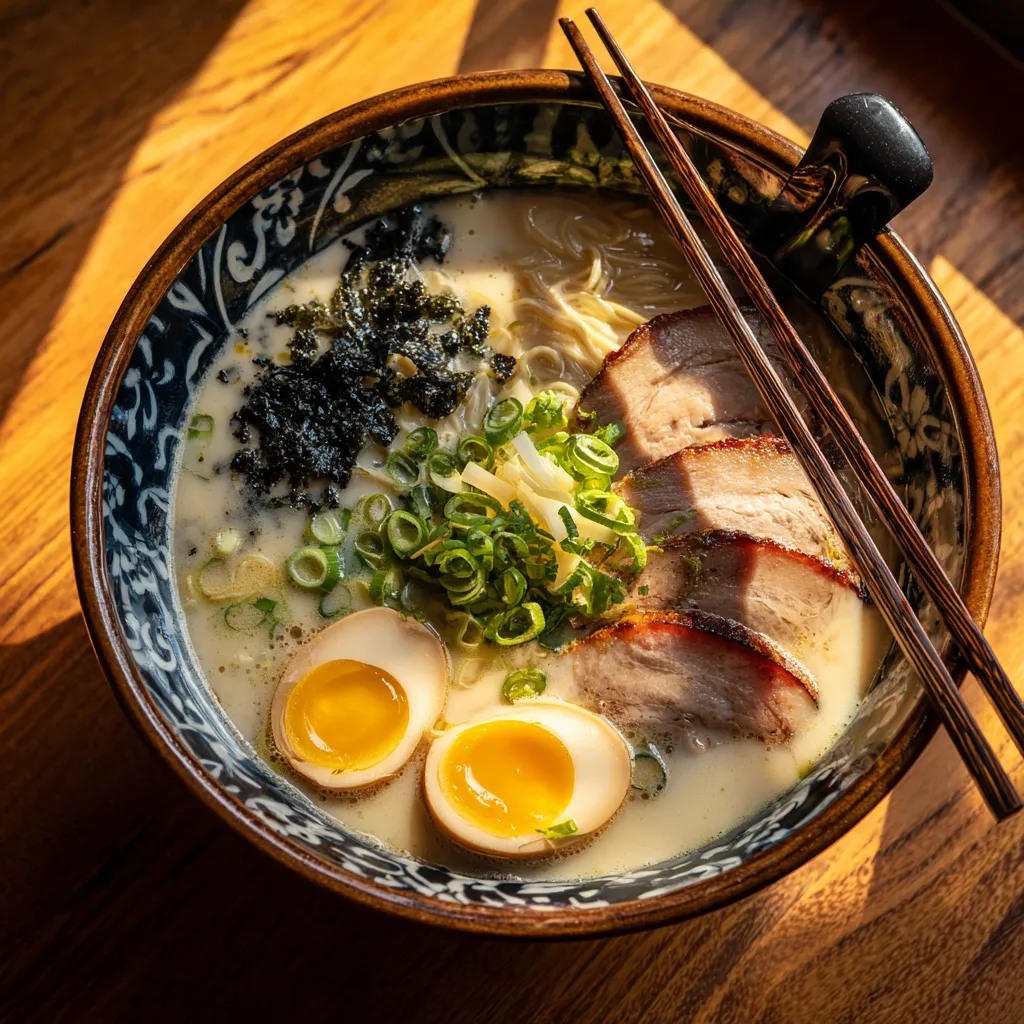
Most shops let you pick noodle firmness, broth richness and spice. Say ‘futsu’ for regular, ‘kata’ for firmer noodles. If there’s a vending machine, choose your bowl, buy a ticket and hand it to staff — this saves time during peak hours.
Slurping is acceptable and actually encouraged: it cools the noodles and aerates the broth, improving flavour. Finish the noodles; if you can’t finish the broth, it’s polite to leave a little instead of draining it completely in some neighbourhood shops.
Pair two different styles in one outing — start light with shoyu for lunch, then come back for a richer tonkotsu at night. If you’re building a mini trail, combine a ramen shop in Bugis or Orchard with an izakaya in Tiong Bahru for dessert or drinks.
Avoid these common mistakes: ordering extra noodles before you’ve tasted the broth, assuming spicier means better, or going for the most expensive bowl expecting authenticity — sometimes the best bowls are humble and heartland-run.