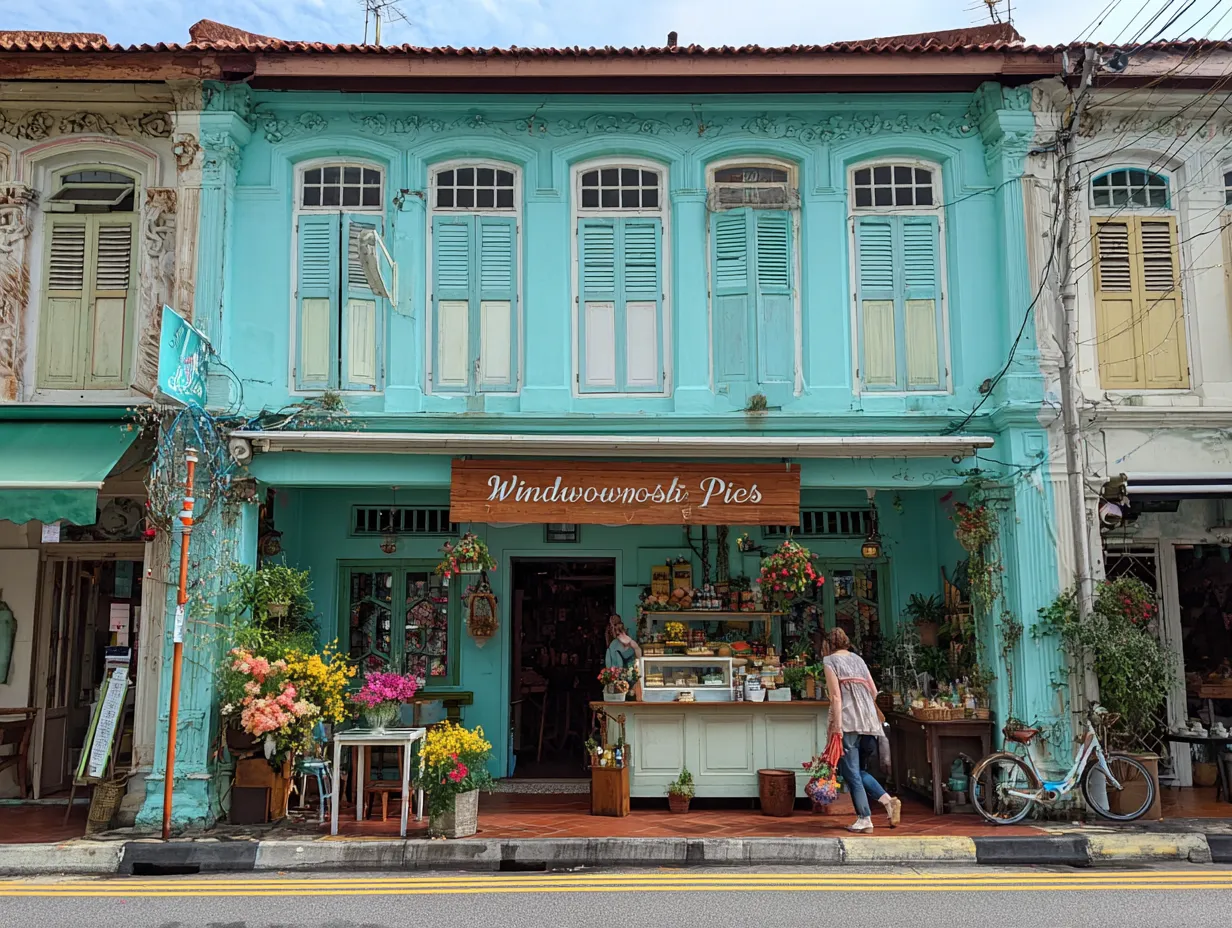
Joo Chiat Peranakan vibes
Windowsill Pies (Joo Chiat)
Neighbourhood bakehouse in Joo Chiat known for hand pies, single-origin coffee and all-day brunch in a cosy shophouse se...
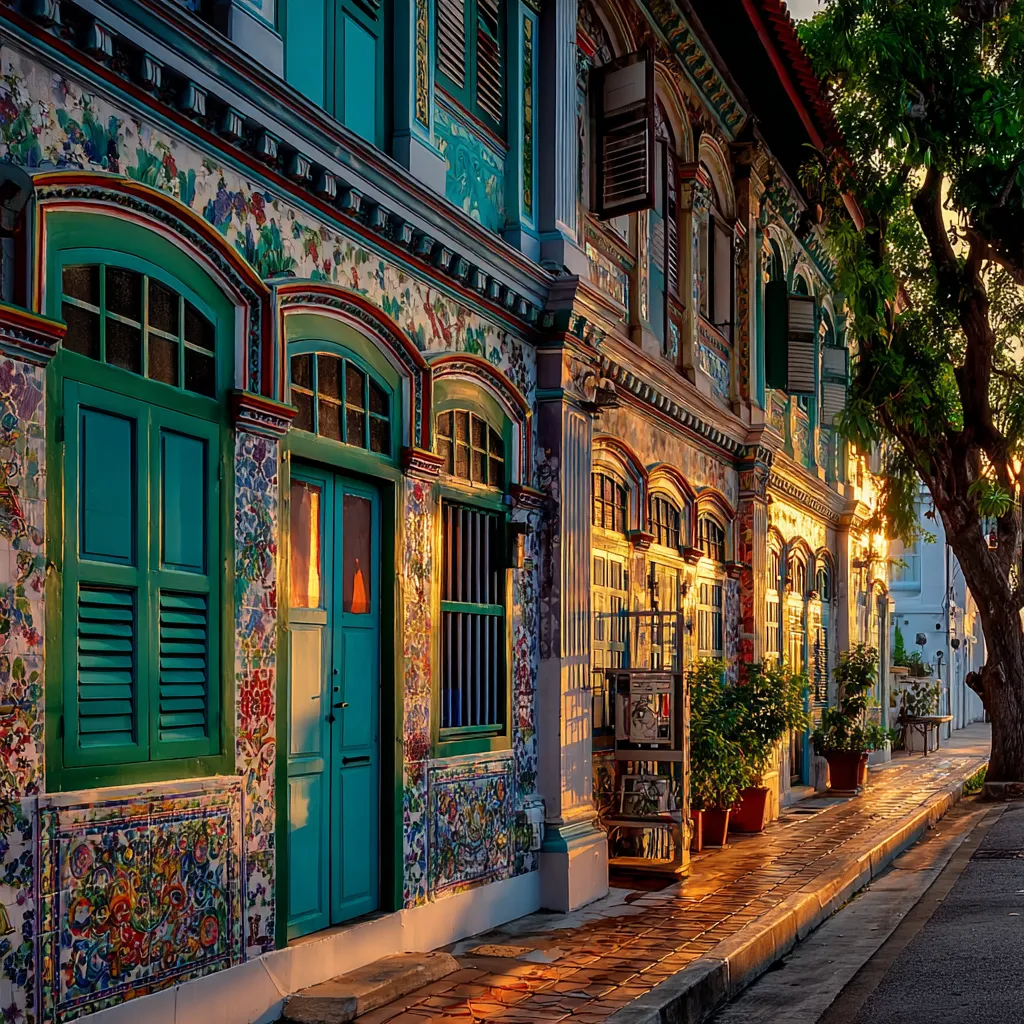
A Singapore guide to authentic Peranakan restaurants — from Michelin-starred dining to homely nyonya stalls, with must-order dishes and practical makan tips.
Authentic Peranakan food is as much about family recipes as it is about flavours — expect sweet, sour and spice in every bite.
Pair a polished nyonya dinner with a kopitiam stop for kueh — the contrast tells the full Singapore story.
Peranakan (Nyonya) food is woven into Singapore’s culinary DNA — a hybrid of Chinese ingredients and Malay, Indonesian and Eurasian influences that developed in the Straits Settlements. You’ll find it in heritage neighbourhoods like Joo Chiat and Katong, at neighbourhood kopitiams, and increasingly on fine-dining menus.
Beyond nostalgic flavours, Peranakan cooking is prized for its balance of sweet, sour and spice: a medicine chest of aromatics (galangal, turmeric, torch ginger), the umami of belacan and the richness of candlenut. That flavour profile is what draws both locals and visitors to Peranakan tables across the island.
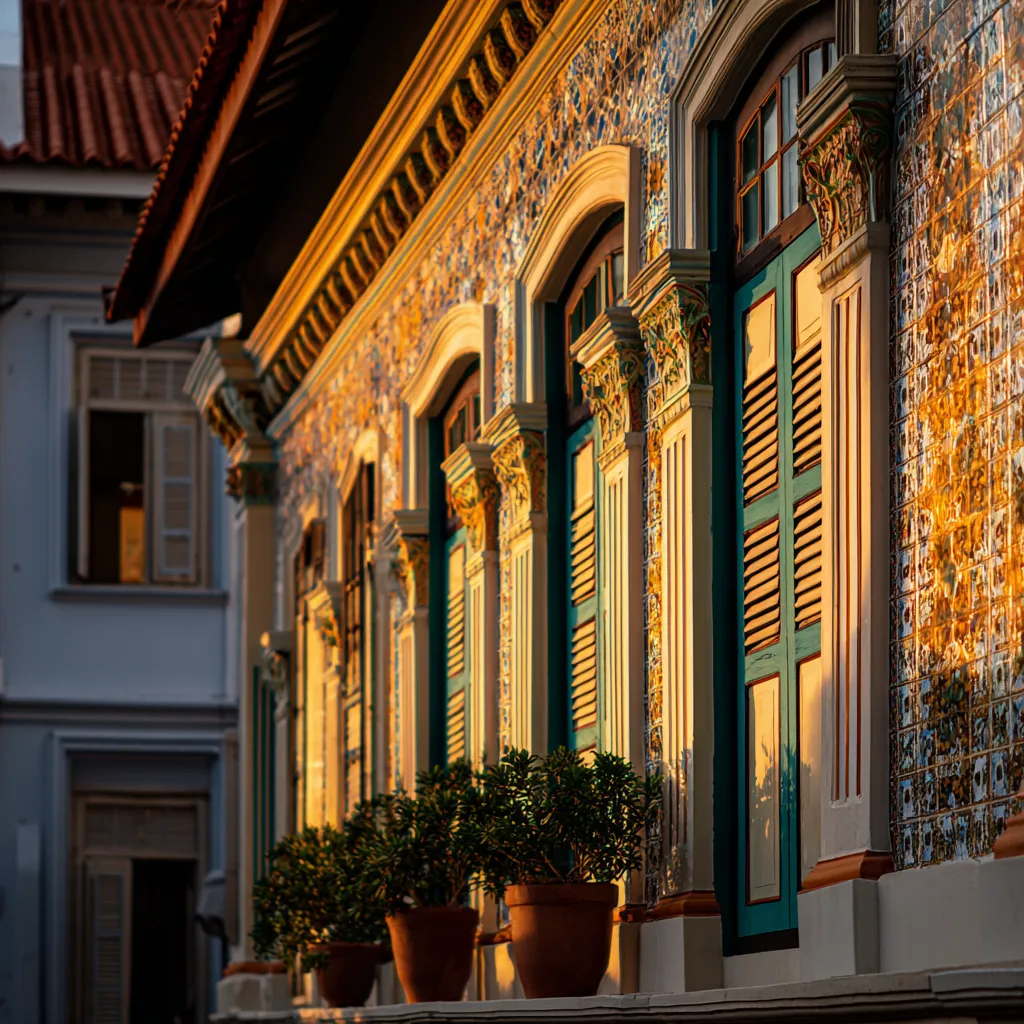
Singapore’s Peranakan scene spans polished dining rooms to humble stall kitchens. Some chefs have modernised classics at white-tablecloth restaurants, while the best home-style joints keep time-honoured recipes and the comforting, slightly rustic textures of Nyonya cooking.
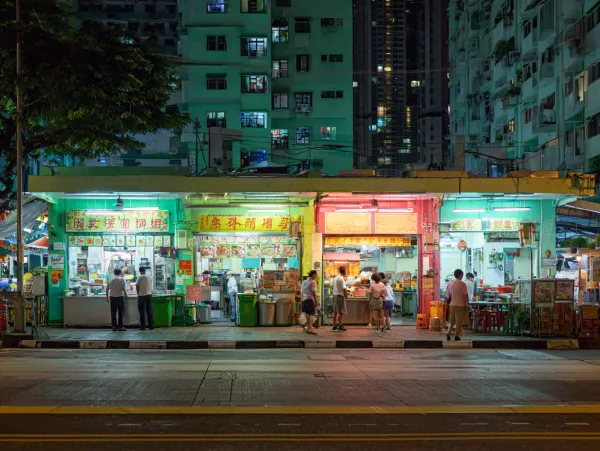
For an immersive neighbourhood experience, wander Joo Chiat and Katong for family-run nyonya eateries and tiffin-style kitchens; in the CBD and Orchard you’ll find contemporary interpretations that trim excess oil and plate dishes for the lunch crowd. Don’t be afraid to ask stall owners about how they source buah keluak or prepare their rempah — it’s part of the ritual.

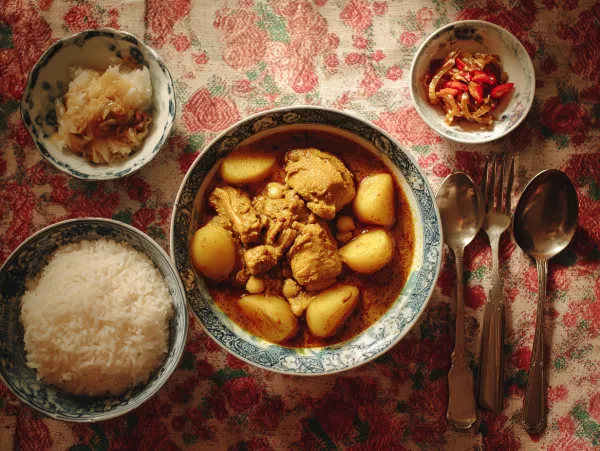
Start with the classics: ayam pongteh (a slow-braised chicken in fermented soybean and palm sugar), and the signature buah keluak dish — traditionally made with pork (babi buah keluak) or chicken — whose earthy, nutty flavour is unmistakable and polarising in equal measure.
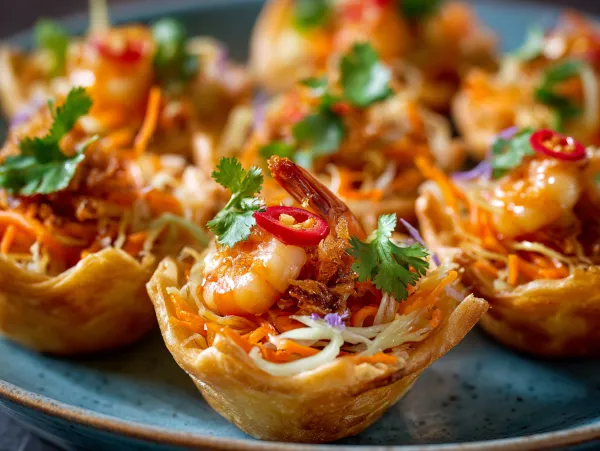
Add sides and snacks that show the range: otak (spiced fish paste grilled in banana leaf) for a smokier note, assam fish or prawn curry for tamarind-driven sourness, and a plate of kueh or kueh pie tee for dessert. These selections highlight the sweet-savoury contrasts that define Peranakan cooking.
Authentic Peranakan cooking is built on fresh rempah (spice paste) — toasted candlenut, shallot, garlic, galangal, dried shrimp and chilies ground together. A balanced rempah will be fragrant, not just hot; it should smell of roasted aromatics and have a slightly coarse texture.
Look for dishes that show depth from slow cooking (pongteh), umami from fermented elements (belacan and salted soy), and restrained sweetness from palm sugar rather than overpowering sweet sauces. Home-style Peranakan food often has a homelier mouthfeel compared with slicker restaurant plating, and that’s part of its charm.

Map a short trail that mixes a heritage kopitiam lunch with a dessert stop and a later dinner at a restaurant — for example, morning stroll in Joo Chiat, lunch at a family-run nyonya house, tea-time kueh hunting, then a contemporary tasting menu in the evening. Weekdays are easier for restaurant bookings; expect queues at popular stalls during weekend lunch and supper hours.
If you’re sharing, order a few small plates so you can try more dishes. Ask about nut allergies before ordering buah keluak or dishes with candlenut. Payment methods vary widely: many traditional stalls are cash-first, while restaurants and modern cafes will accept cards and e-payments.