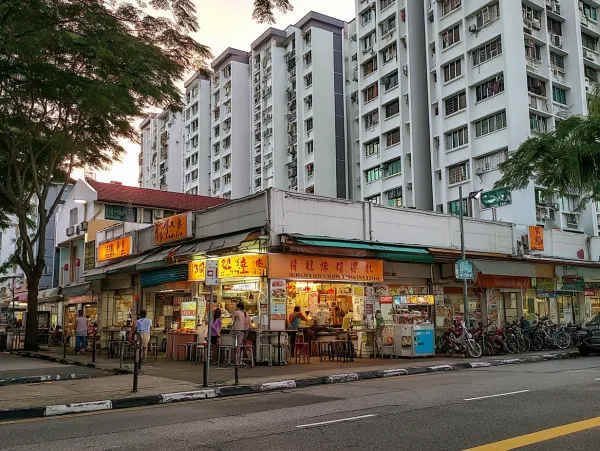
Iconic Katong laksa stall
328 Katong Laksa
Beloved Katong laksa stall known for its rich, coconut-forward bowls of Peranakan-style laksa in the East Coast neighbou...
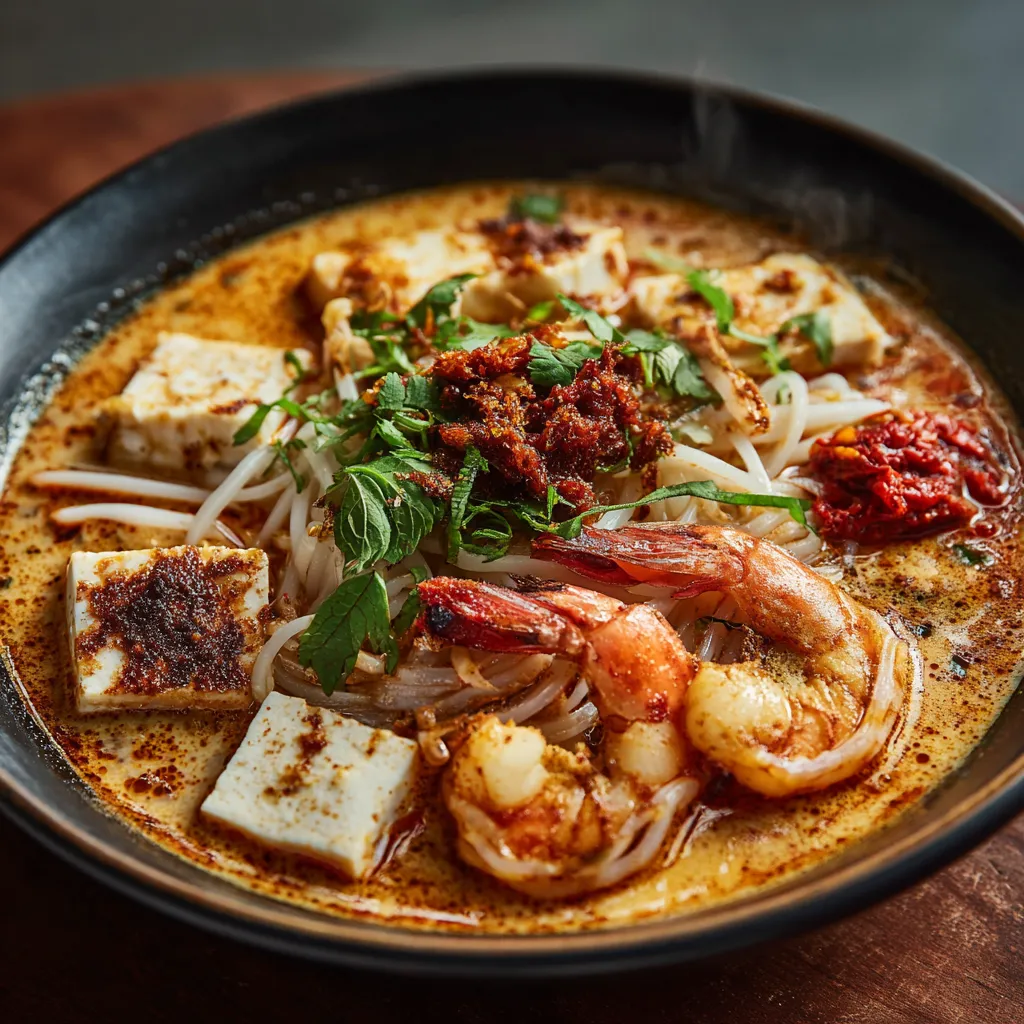
A Singapore guide that pits two beloved laksa traditions—Katong’s creamy lemak bowls and the street-style Sungei Road variants—so you know what to order, where to go, and how to makan like a local.
Katong laksa seduces with velvet coconut; the Sungei Road type hits with prawn-stock punch — both are undeniably Singaporean.
The best way to choose a favourite? Try both on a single day and let your tastebuds be the judge.
Laksa is one of those dishes that instantly maps to neighbourhood memory — the rich coconut lemak of the east, the prawn-sweet stocks of older street vendors, and the countless variations in between. In Singapore, calling something “the best laksa” invites friendly argument: everyone has a favourite, often tied to a hawker stall, kopitiam or childhood corner.
This piece compares two touchpoints in that debate: Katong laksa — the polished, coconut-forward bowl associated with Joo Chiat and East Coast — and the street-style laksa associated with Sungei Road and older heartland vendors. The goal isn’t to declare a winner but to help you taste the differences and plan a mini laksa makan trail around the island.
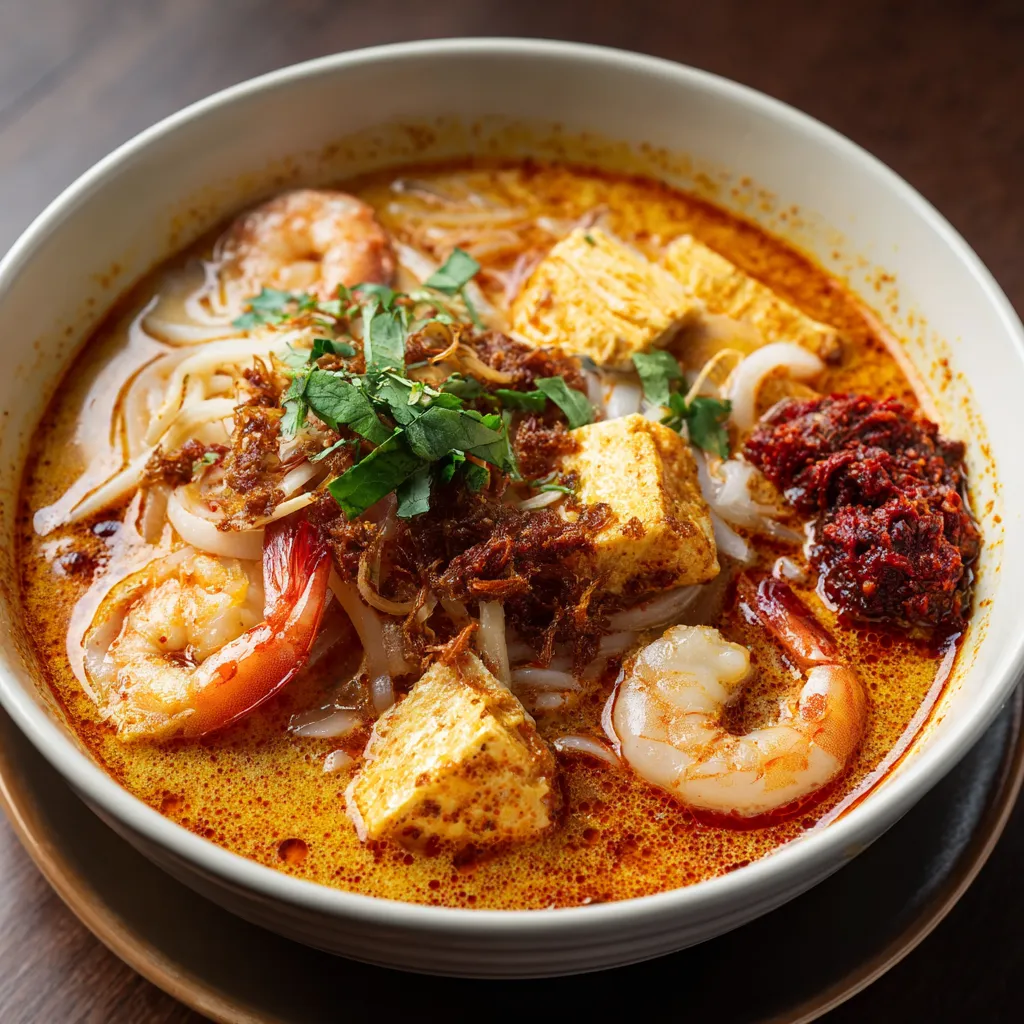
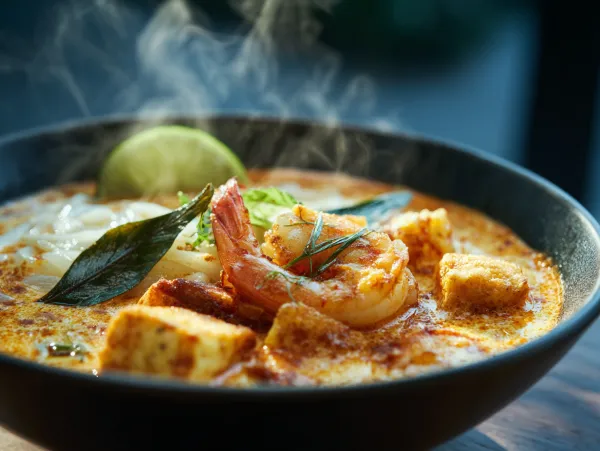
Katong laksa is shorthand for the east-coast style of laksa that rose to fame around Katong and Joo Chiat: short-cut rice noodles you can eat with just a spoon, a silky coconut (lemak) base, and an emphasis on balanced, fragrant aromatics. Portions often include tender prawns, fishcake, cockles or tau pok depending on the stall.
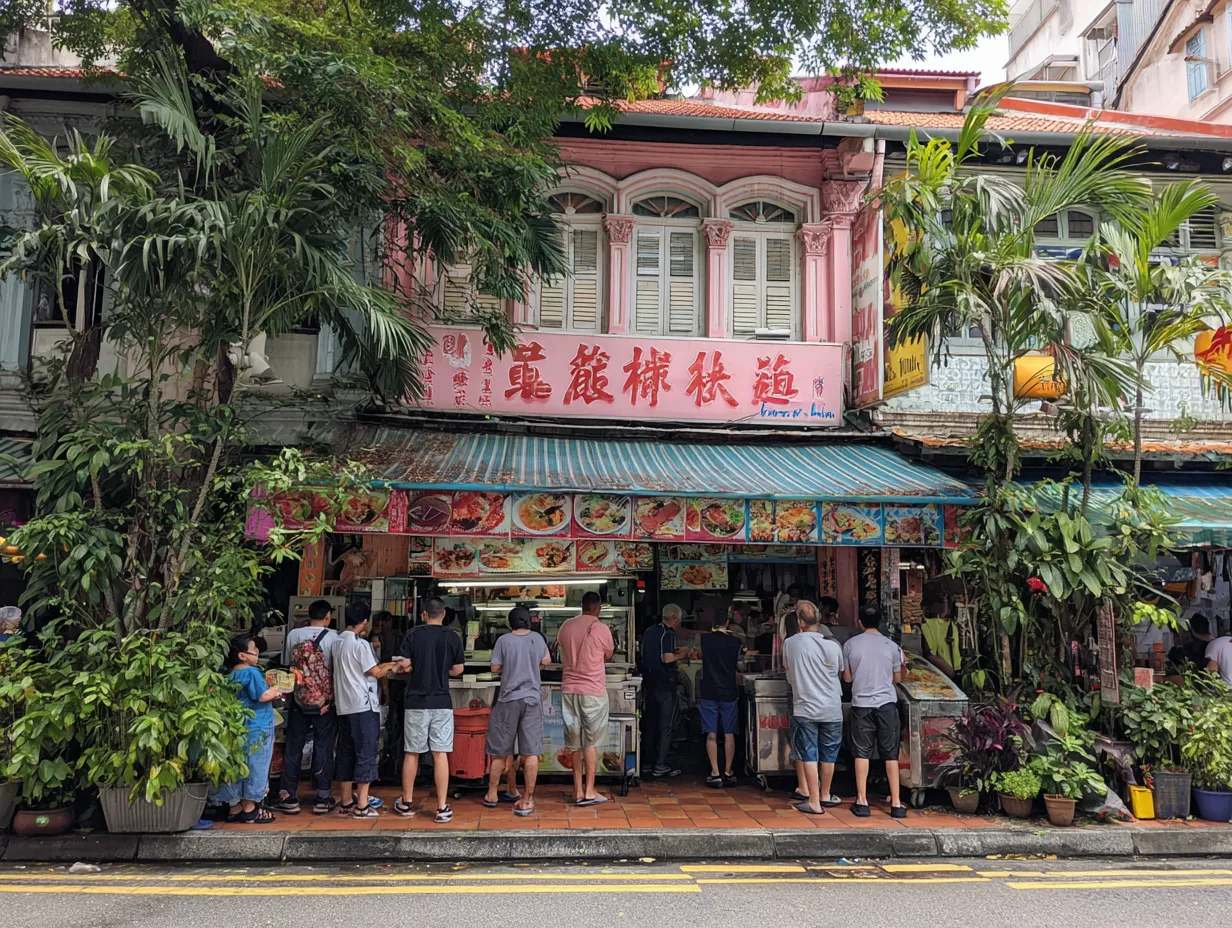
When you visit Katong — stroll the shophouse-lined streets and kopitiams in the area — look for bowls with a silky, mildly sweet coconut gravy and a spoon-first presentation. Popular stalls here have longstanding followings and a slightly more polished service rhythm than older street vendors.
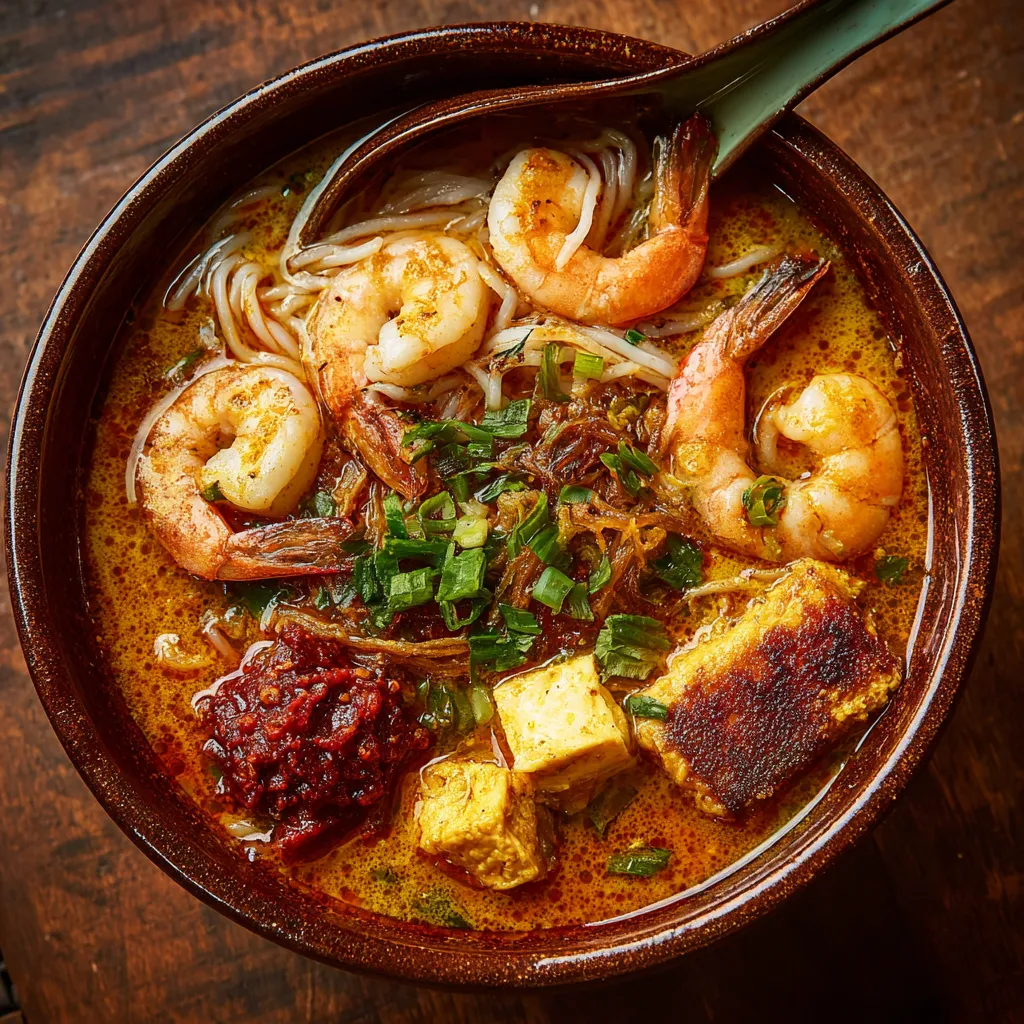
Sungei Road has long been shorthand for old-school street life in Singapore — a place associated with traders, flea markets and hawker stalls. A ‘Sungei Road’ style laksa in local conversation usually means a more straightforward, prawn-forward broth with bolder, sometimes saltier seasoning and a distinct hawker-stall character.
These bowls tend to feel more rustic: thicker prawn stock, direct aromatics from belachan or prawn heads, and a no-frills approach to serving. Expect queues, a lively stall atmosphere, and a bowl that wears its umami on its sleeve.
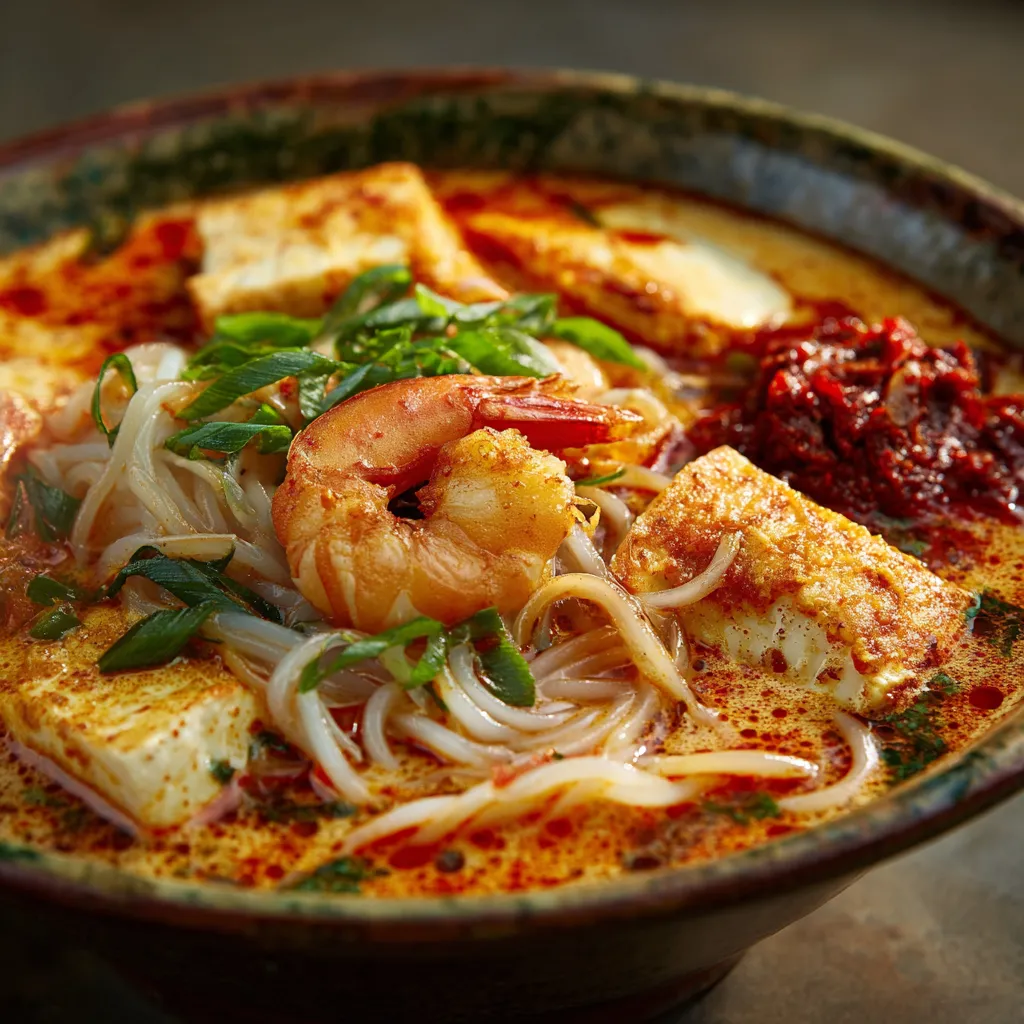
A good way to compare is to taste both styles on the same day: start with a Katong bowl in Joo Chiat for the coconut lemak baseline, then head to a heartland stall doing the street-style laksa for contrast. Bring cash for hawker stalls, and expect different queue rhythms — Katong stalls may have steadier tourist interest, while street stalls move fast during breakfast and lunch rushes.
When ordering, be specific: ask whether the noodles are thick rice vermicelli or short-cut rice noodles, request extra sambal if you prefer heat, and consider skipping the additional toppings to focus on the broth. Pair your bowl with a simple kopi or iced tea and, if you’re exploring the east, a side of otah or achar complements the creamy spice.