Classic chain favourite
Old Chang Kee
Iconic Singaporean hawker-style snack counter best known for its curry puffs and grab-and-go fried snacks....
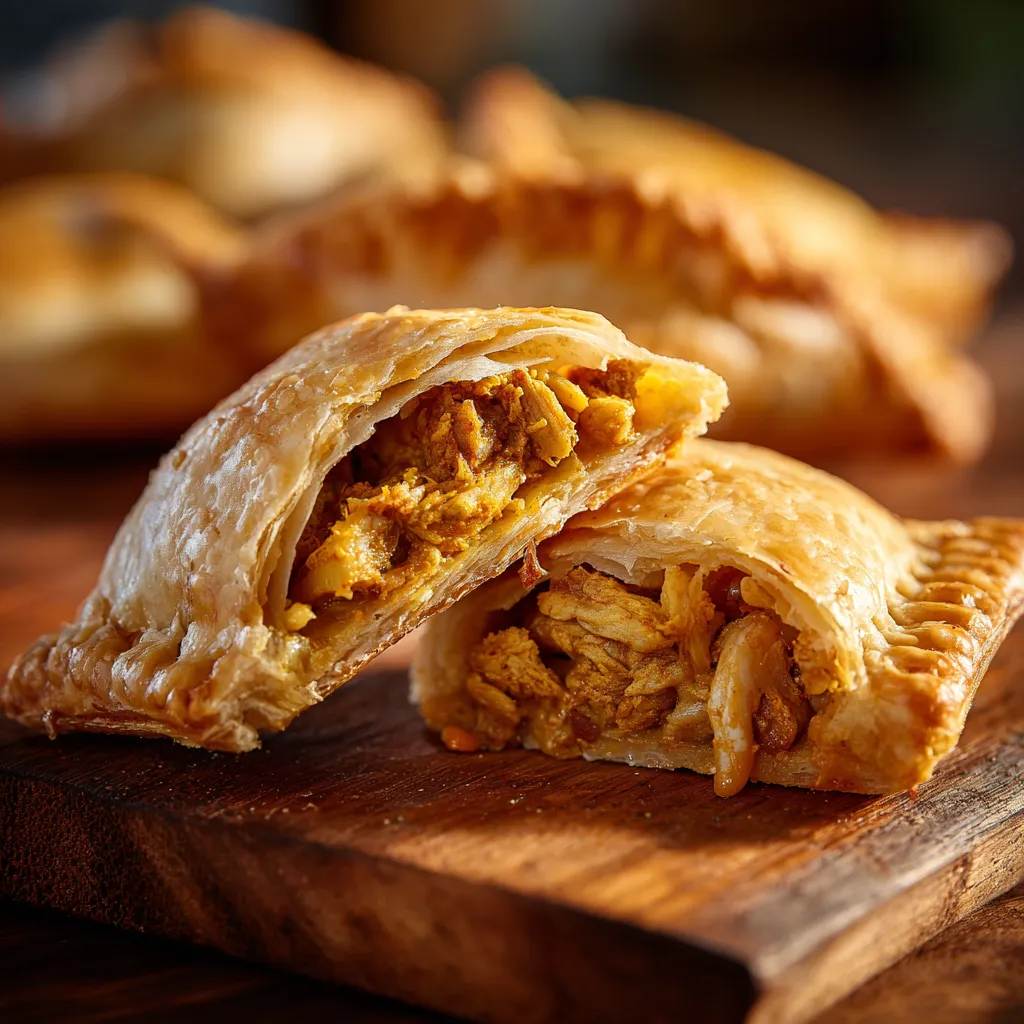
A Singapore-focused taste test of Old Chang Kee, Tip Top and A1 curry puffs — where to find them, what to order and how to pick the flakiest bite across kopitiams and malls.
The best curry puff is warm, flaky and unapologetically a little greasy — that’s how you know it’s doing its job.
Old Chang Kee is comfort, Tip Top is nostalgia and A1-style stalls are for texture purists.
Curry puffs are compact capsules of Singapore’s multicultural palate — part Malay spice, part British pastry technique and fully entrenched in kopitiams, mall food courts and hawker centres across the island. Locals pick them up for breakfast, lunchbox snacks, and late-night supper runs.
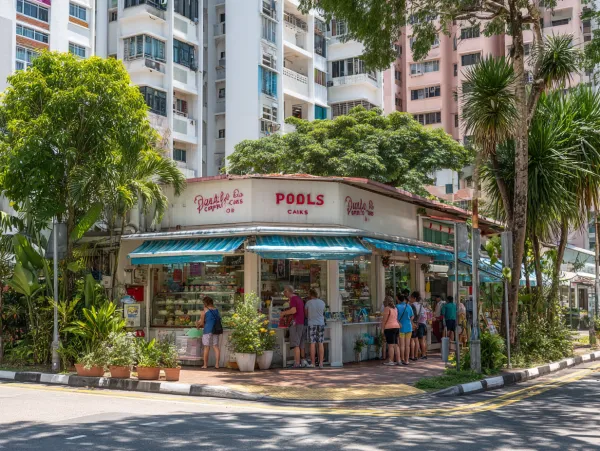
This showdown compares three names you’ll hear everywhere: Old Chang Kee (a national chain), Tip Top (nostalgic kopitiam and bakery favourites) and A1 (the kind of small bakery stall purists rave about). Whether you’re exploring Tiong Bahru, lining up at Bugis or grabbing a quick snack in the CBD, the curry puff is a reliable marker of local taste.
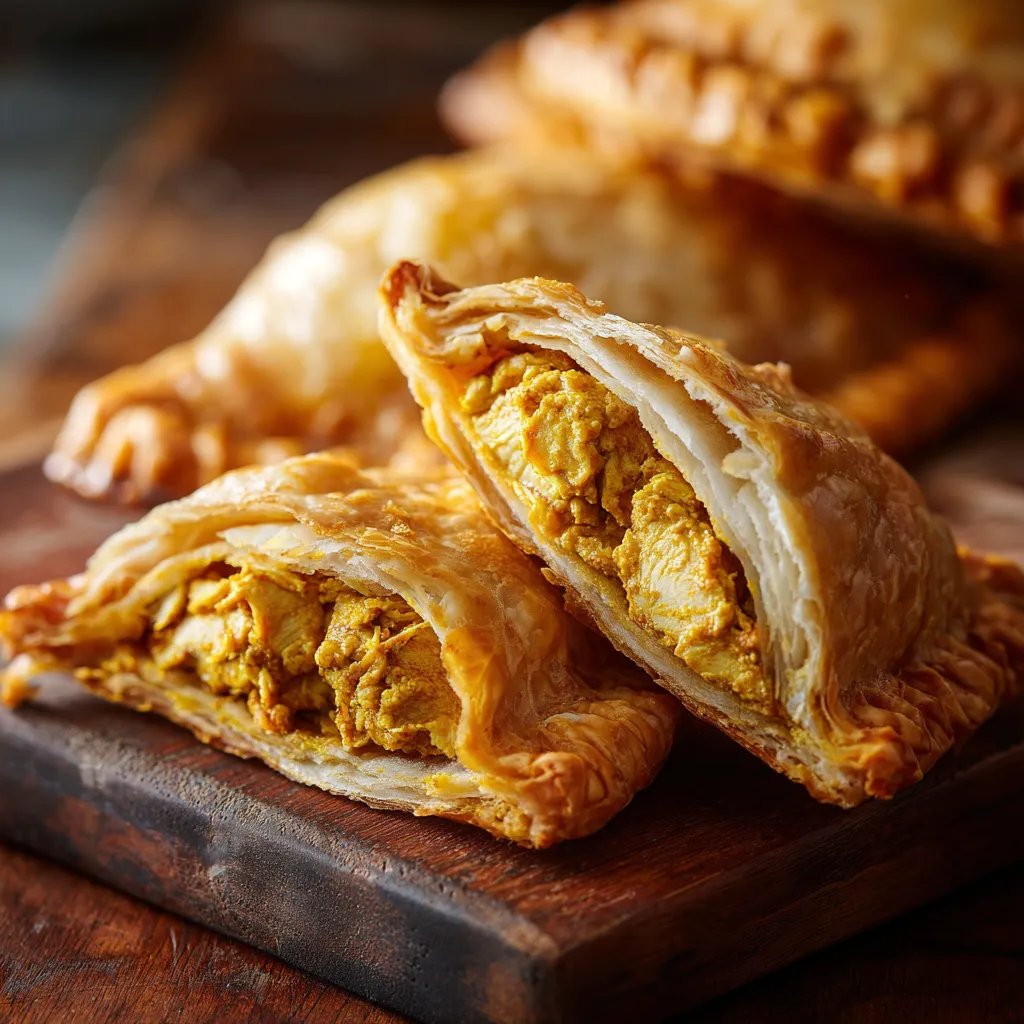
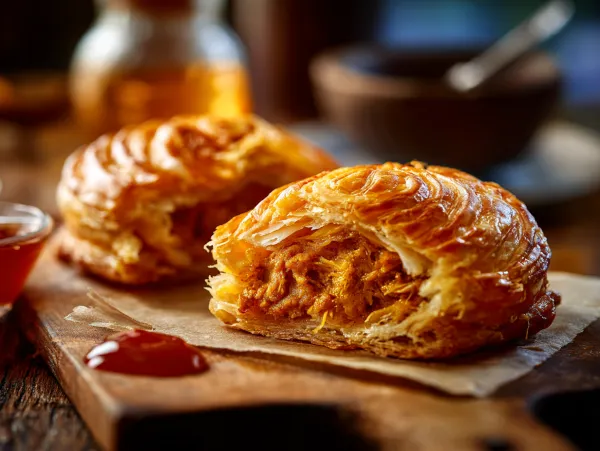
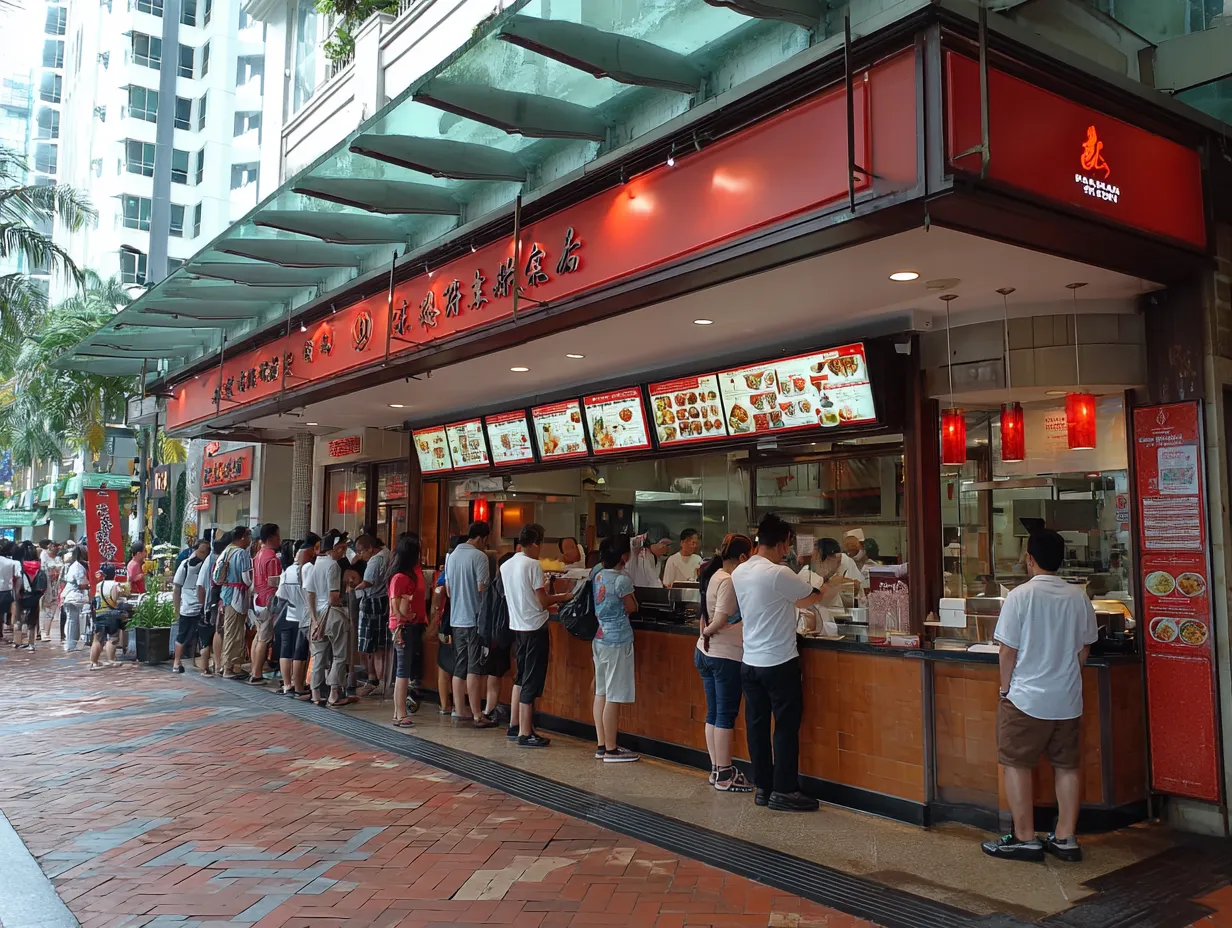
Old Chang Kee: The ubiquitous chain with outlets in heartland malls and MRT concourses — consistent, quick and aimed at the lunchtime crowd. Their curry chicken puff is a comfort-food classic and their spiral or 'volcano' variants add a visual twist familiar to many Singaporeans.
Tip Top: Found in kopitiams and bakery counters, Tip Top-style puffs are often associated with nostalgia — flaky but sturdier pastry, a slightly drier filling and the sort of taste you grew up with in neighbourhood coffee shops.
A1: Smaller bakery or stall-based operations such as A1 (the name appears in conversations more than in glossy marketing) often focus on traditional techniques: hand-folded pastry, punchy curry seasoning and a strong emphasis on texture — prized by purists who judge a puff by its crispness and filling balance.
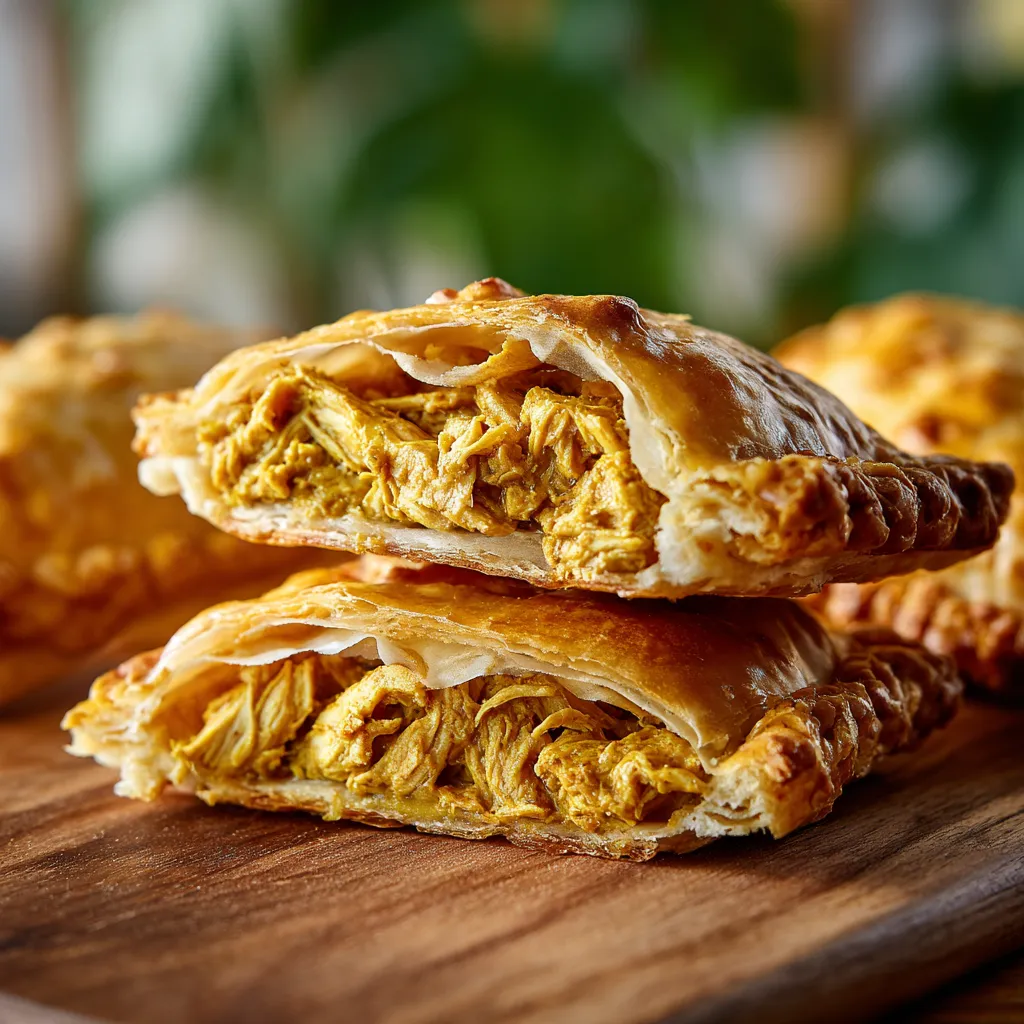
Start with the pastry: the best ones have distinct layers — a light, shattering bite that still holds the filling without collapsing. Too soggy and the experience is limp; too hard and it becomes pastry for pastry’s sake.
Next, consider the filling: the curry should be aromatic (cumin, turmeric, curry leaves where applicable), with a good balance of potato and a clear protein presence. Temperature matters — good puffs are warm and slightly oily in the best way; cold ones lose the aroma and mouthfeel.
Finally, smell and aftertaste are telling: a lingering spice, a faint sweetness from caramelised onions, or the bright hit of fresh turmeric marks a well-made puff. Pair it with kopi or teh for the full kopitiam experience.
If you only have time for one stop: try an Old Chang Kee in a busy MRT concourse for consistency, then hunt down a Tip Top-style bakery in a Tiong Bahru kopitiam for nostalgia, and round out the search with smaller bakery stalls in heartland markets for A1-style texture-first puffs.
Suggested one-day trail: morning coffee and a Tip Top-style puff at a Tiong Bahru kopitiam; noon stop at Old Chang Kee in Orchard or a CBD mall for a quick bite; afternoon explore a neighbourhood bakery in East Coast or Ang Mo Kio for regional variations; supper at a 24-hour kopitiam or hawker centre if you want to taste the freshest hot-out-of-oven puffs.
Ordering and storage: buy fresh and eat within a couple of hours for best texture; to reheat, a short stint in a 180°C oven for 6–8 minutes crisps the pastry better than a microwave.
Classic chain favourite
Iconic Singaporean hawker-style snack counter best known for its curry puffs and grab-and-go fried snacks....
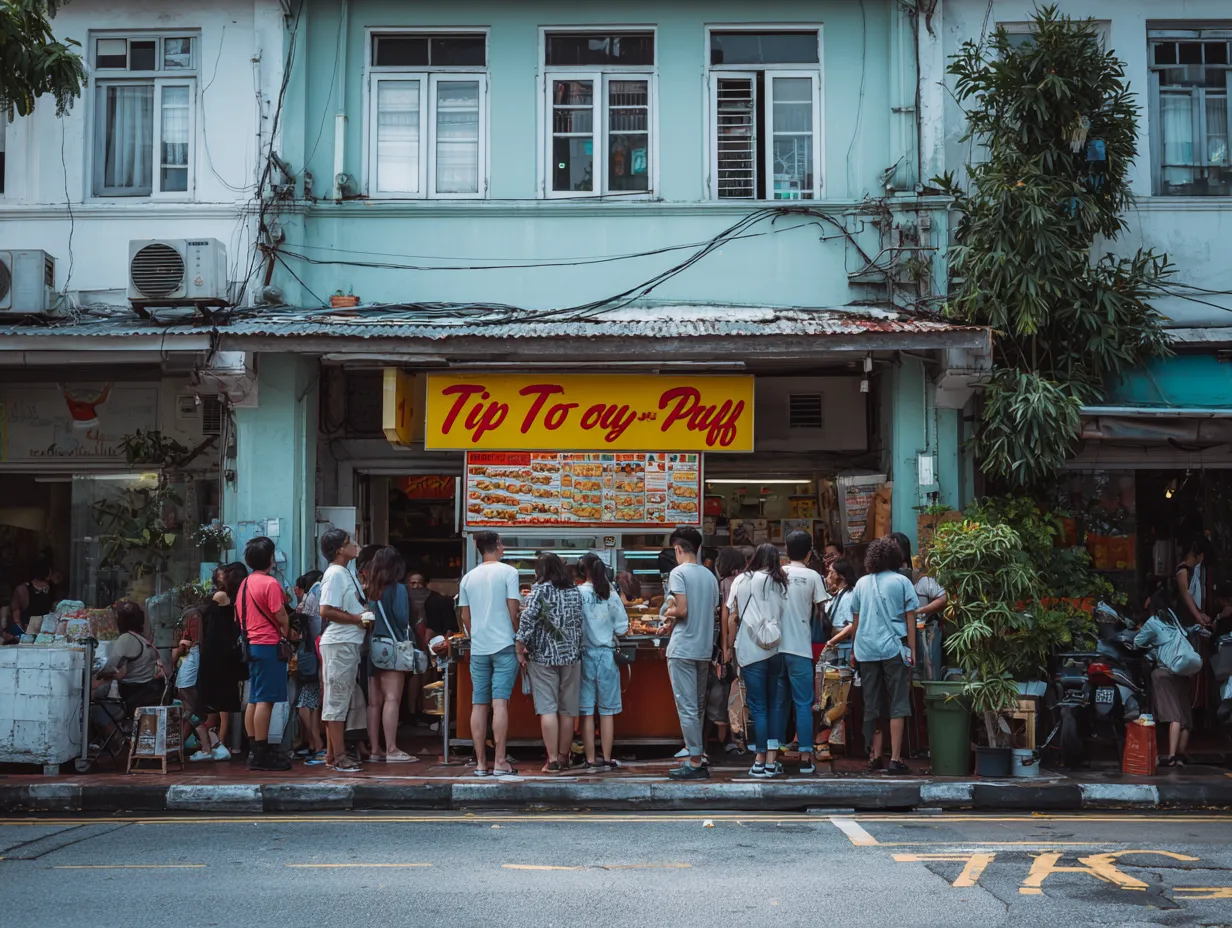
Nostalgic kopitiam pick
Neighbourhood hawker stall best known for flaky, freshly fried curry puffs and kopitiam-style breakfast bites in Tiong B...