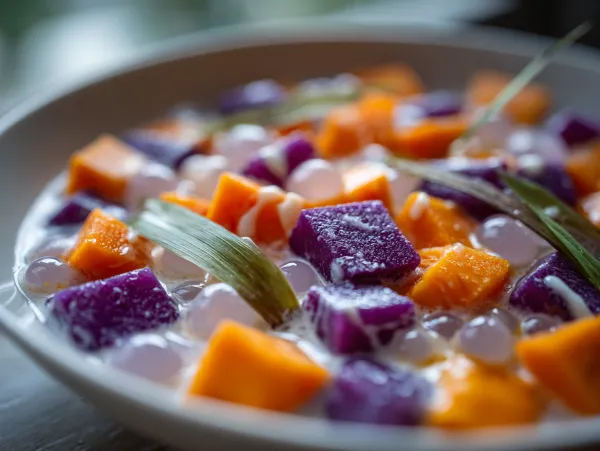
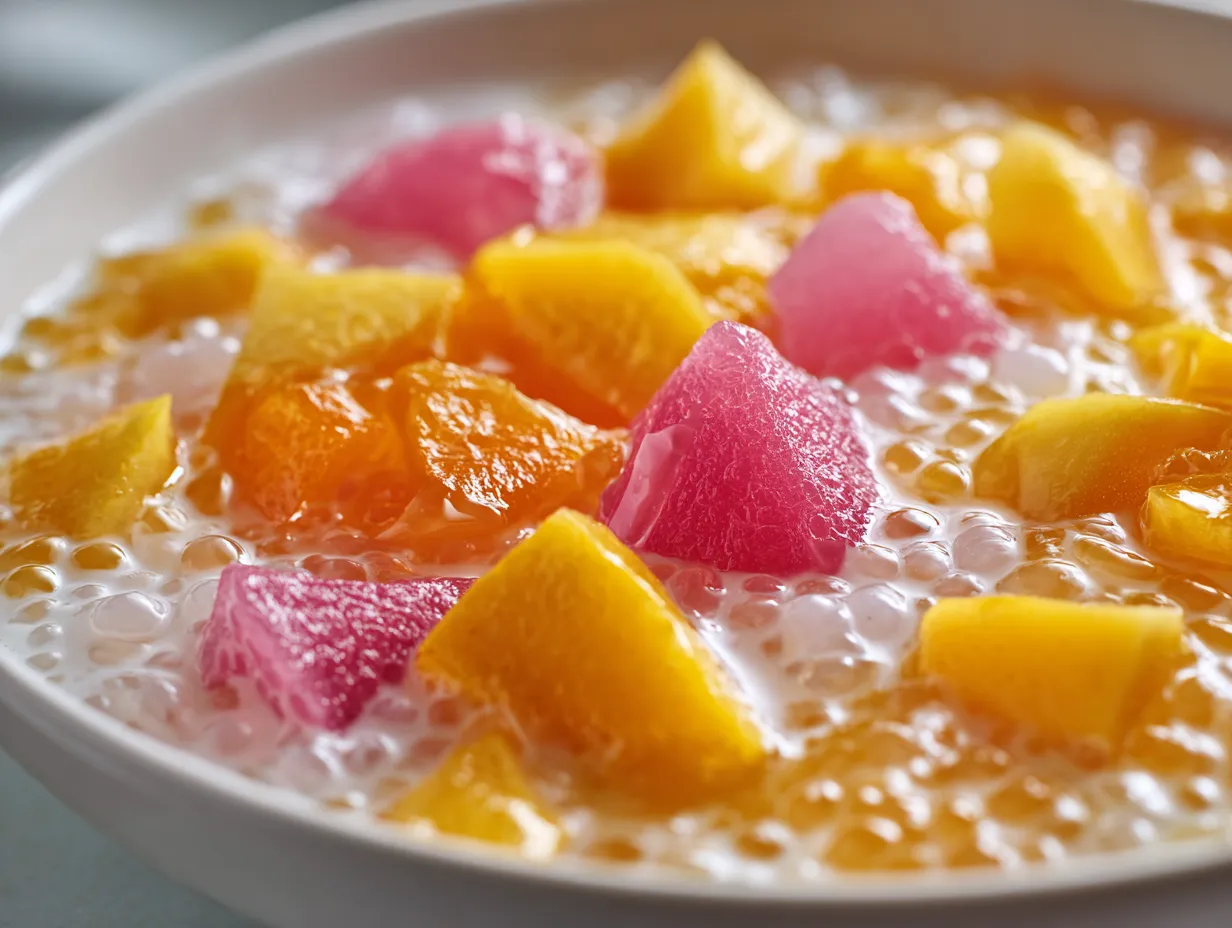
Chill with a mango sago pomelo
Mango Sago Pomelo
A refreshing Singapore-style chilled dessert of ripe mango, chewy sago pearls and zesty pomelo, finished with creamy coc...
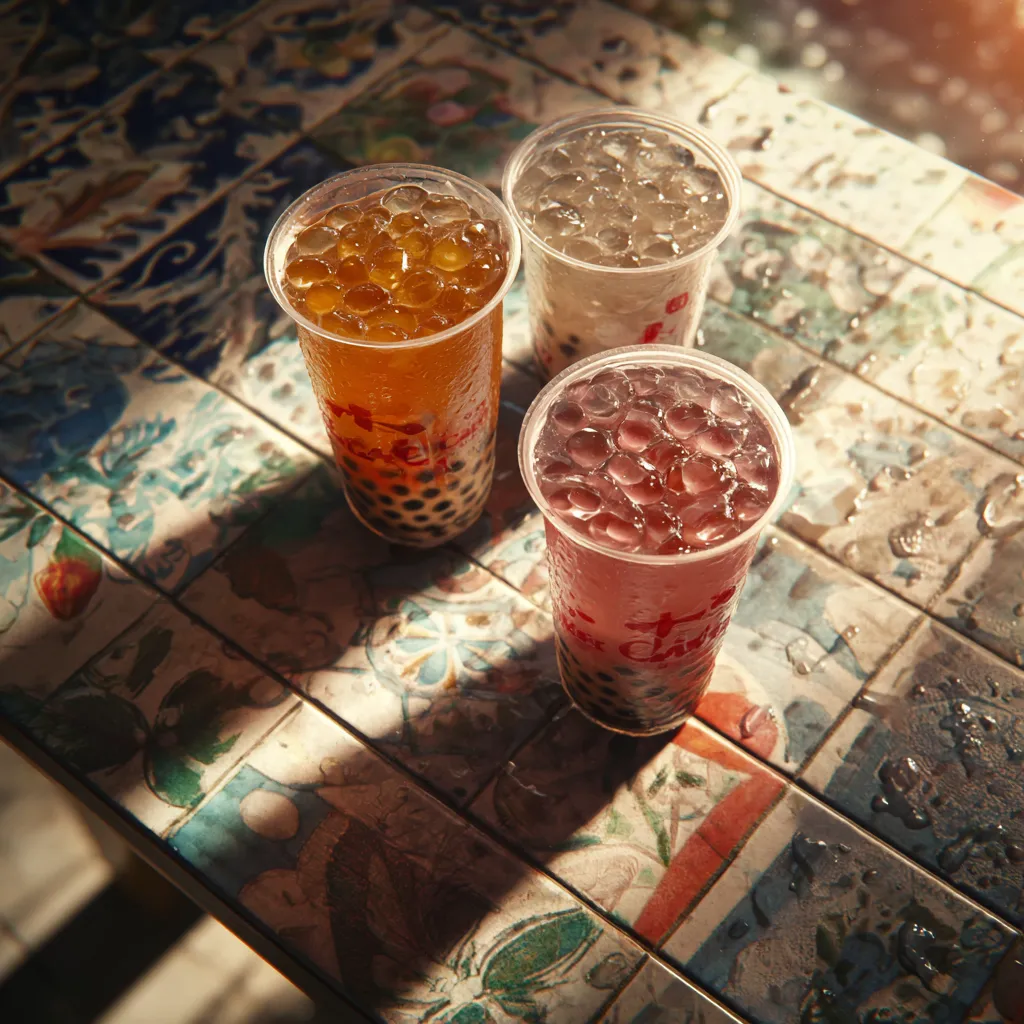
A practical Singapore guide ranking Koi, Gong Cha, LiHO and notable boutique bubble tea brands — what to order, where to queue, and how locals tweak their boba for perfect texture.
A great bubble tea nails the tea first, the pearls second — everything else is garnish.
Chain consistency wins weekday lunch runs; boutiques win on weekends when you're exploring flavours.
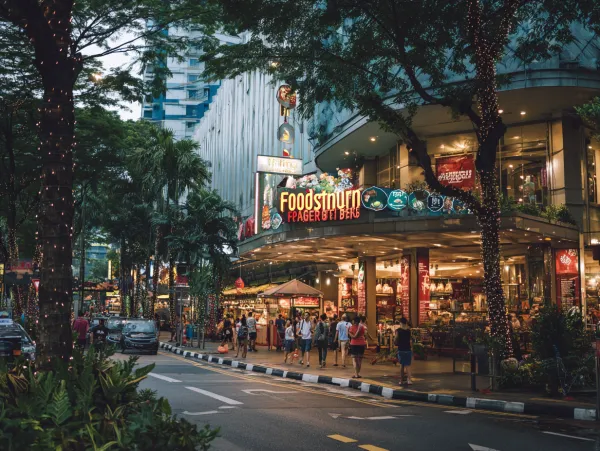
Bubble tea is more than a drink here — it's part of how Singaporeans socialise, grab a quick sugar fix between meetings, and customise flavour to taste. From Orchard Centre malls to Tiong Bahru cafes and hawker-centre kiosks in the heartlands, boba has threaded itself into local routines.
Chains like Koi, Gong Cha and LiHO brought consistent quality and predictable queues; boutique brands pushed craftsmanship, seasonal flavours and Instagram-friendly presentation. This piece ranks them with Singapore context in mind: taste, pearls, tea quality, value and convenience.
Not all bubble tea rankings are equal — for Singapore we prioritised five factors: tea base quality, pearl texture, customisation precision (sugar/ice), price-to-portion value, and consistency across outlets. That reflects daily decisions for the CBD lunch crowd and heartland families alike.
Koi: strong for milk-tea balance and consistent pearls across outlets; great for office workers who want a familiar cup. Gong Cha: reliable tea-forward bases and popular bubble algorithms (cheese foam, brown sugar). LiHO: localised menu choices and competitive pricing, often found in malls and MRT concourses.
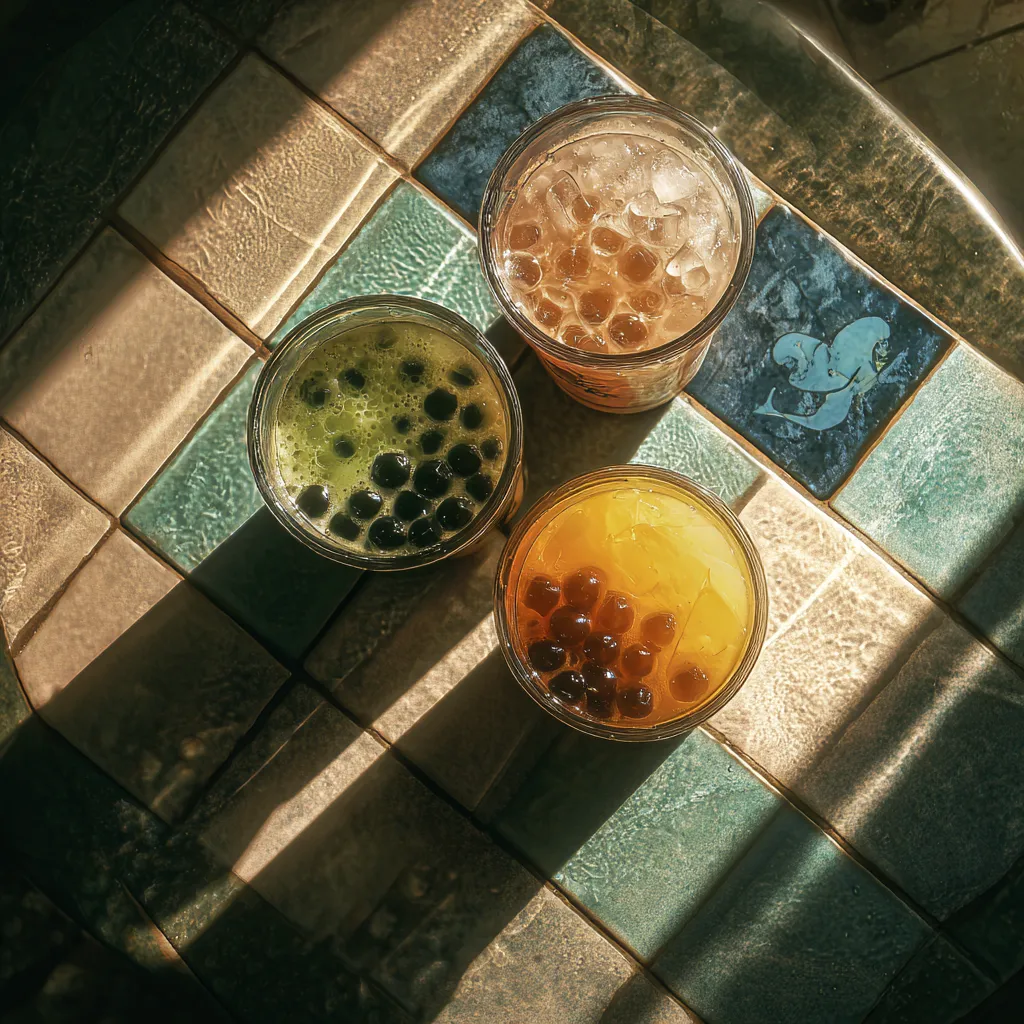
In the last few years boutique bubble-tea operators — many in neighbourhood malls and near Tiong Bahru or Joo Chiat — have experimented with brown-sugar boba, house-made jelly, and seasonal fruit teas. These smaller players often trade flashy presentation for interesting textures and tea provenance.
If you prefer artisanal touches (handmade pearls, single-origin teas, or pastry pairings), hunt down local cafes and popup kiosks in Bugis, East Coast, and indie enclaves; they make memorable one-off flavours that chains rarely offer.
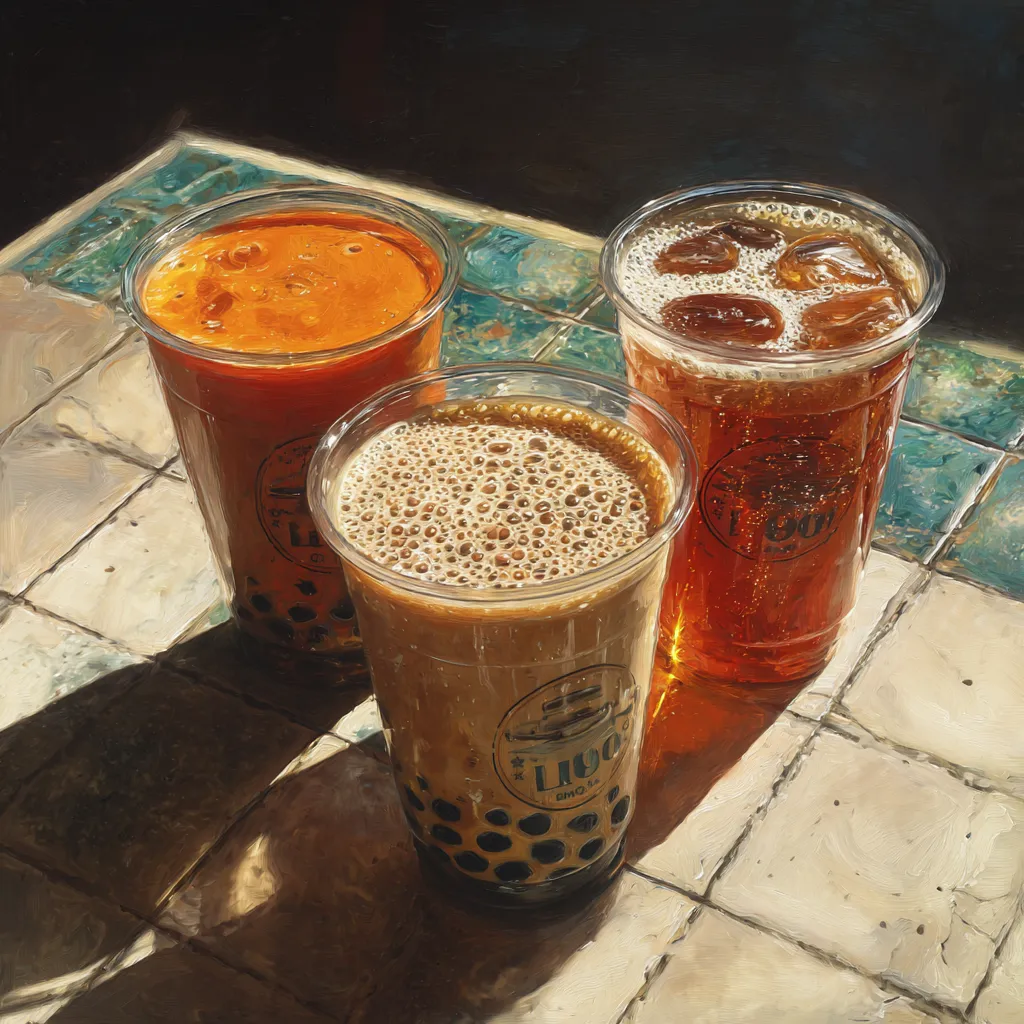
Ordering efficiently in Singapore: choose sweetness first (0%, 30%, 50%, 70%, 100%) then ice level and pearl portion. Many locals go 30–50% sugar to keep the tea flavour vivid. If you want maximum chew, order pearls 'hot' or 'less ice' so they stay softer longer.
Practical tips: use pickup or delivery apps for lunchtime queues; check outlet-specific reviews for pearl quality; ask for pearls to be cooked longer if you prefer extra chew. For first-timers, sample a classic milk tea with standard pearls before branching into cheese foam or fruit-based creations.