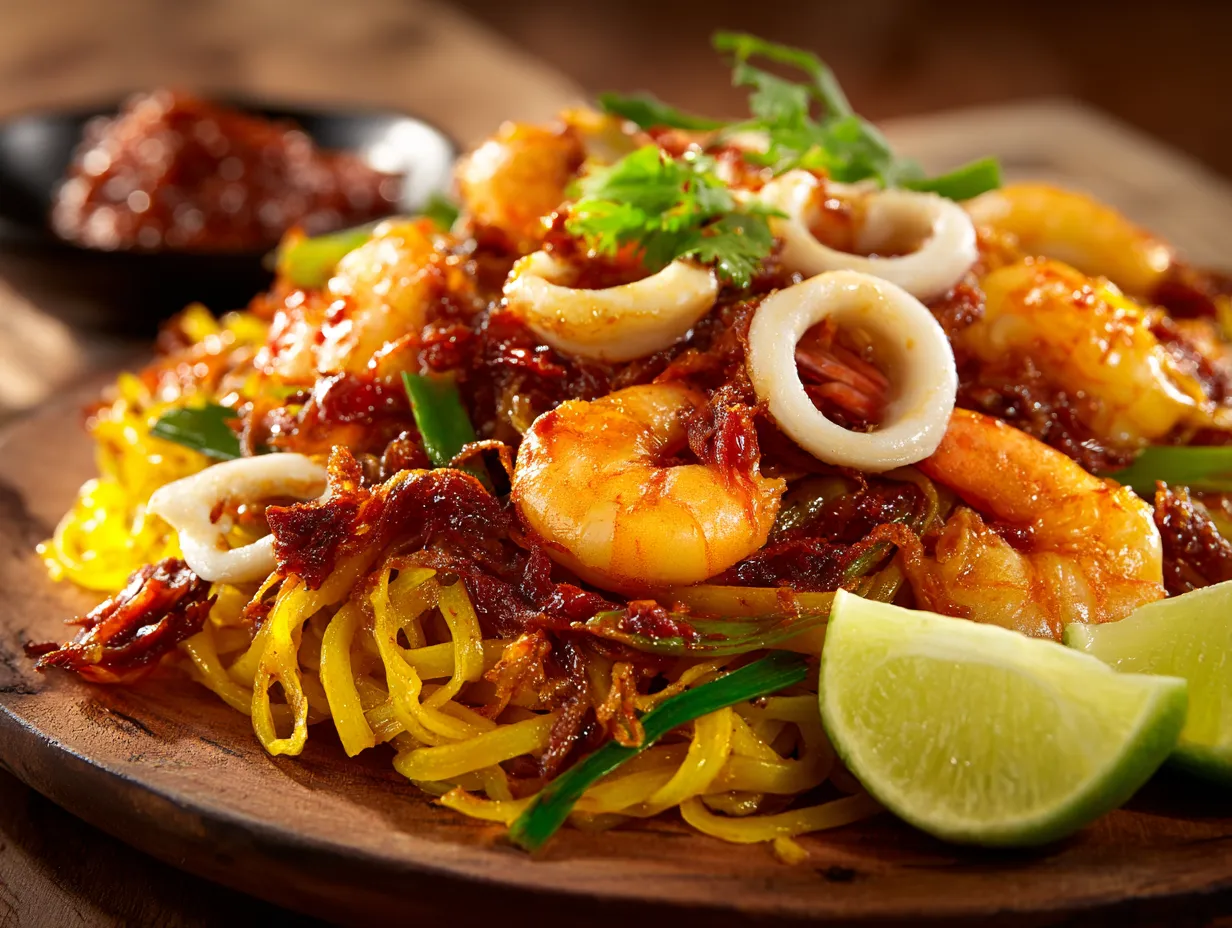
Bubur Terigu (Wheat Porridge)
Singapore-style Bubur Terigu is a comforting wheat-flour porridge simmered with coconut milk and pandan for a smooth, slightly sweet breakfast or supper bowl.
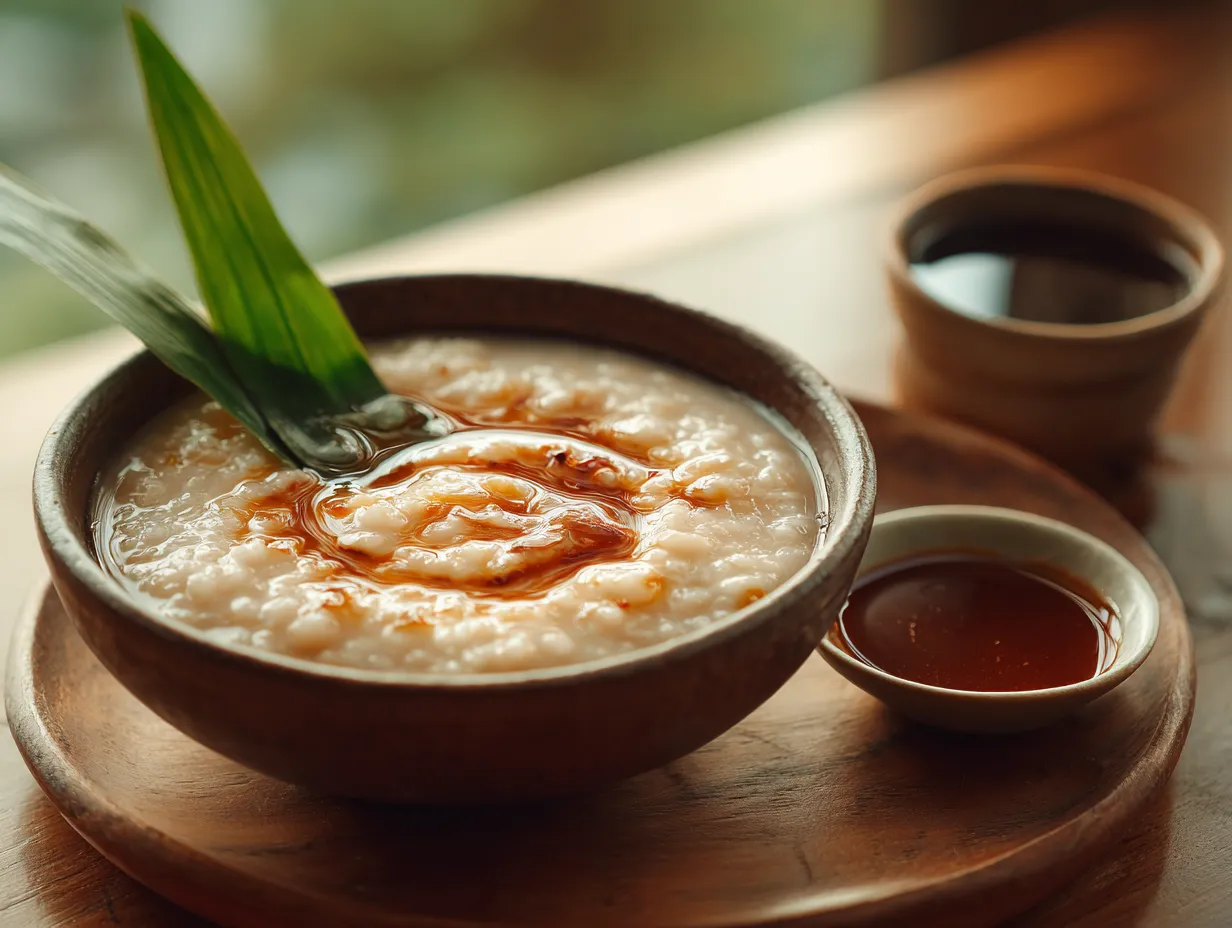
About this dish
Bubur Terigu (wheat porridge) is a humble, old-school Malay comfort dish that many Singapore households remember from kampung breakfasts and kopitiam mornings. Lightly sweet and silky, it’s made by slowly cooking wheat flour with water and coconut milk until it becomes a smooth, spoonable porridge — perfect for a gentle wake-up bowl or a late-night supper after a session at the hawker centre.
In Singapore this kind of porridge sits comfortably between home cooking and hawker nostalgia: imagine a kopitiam auntie ladling warm bowls into porcelain bowls in a quiet HDB void deck, or family members sharing it during Hari Raya morning brunches for something easy and soothing. The flavour is subtly coconutty with pandan fragrance; texture is velvety rather than thick like rice congee. You can dress it up with gula Melaka (palm sugar) syrup, roasted grated coconut, or keep it plain for babies and the elderly.
This recipe keeps things simple for a Singapore home kitchen — all metric measures, a stove and a small pot or wok. It’s friendly to busy parents making breakfast, students needing a cheap comforting supper, or anyone after a nostalgic, easy-to-digest dish. Variations include a richer version with more coconut milk, a savoury version with a pinch of salt and fried shallots, or a pandan-gula Melaka combo for a distinctly local sweetness.
Ingredients
- 120 g plain wheat flour (all-purpose flour)
- 800 ml water
- 250 ml coconut milk (unsweetened)
- 1–2 pandan leaves, knotted
- 40 g gula Melaka or palm sugar, chopped (adjust to taste)
- 1–2 tbsp caster sugar (optional, to taste)
- 1/4 tsp fine sea salt
- 1 tsp vanilla extract (optional)
- 1 tbsp unsalted butter or coconut oil (for sheen, optional)
- 30 g grated fresh coconut, lightly toasted (for garnish, optional)
- 2 tbsp roasted ground peanuts (for garnish, optional)
- Sliced ripe banana or fried banana (pisang goreng) to serve (optional)
- Pinch of cinnamon or pandan essence (optional, for aroma)
- Extra coconut milk (30–50 ml) to swirl on top when serving (optional)
Step-by-Step Method
- Prepare the wheat slurry: in a medium bowl, whisk together the wheat flour with 200 ml of the water until completely smooth and lump-free. Set aside.
- Combine base liquids: in a medium pot or small wok, bring the remaining 600 ml water, coconut milk and knotted pandan leaves to a gentle simmer over medium heat. Stir once or twice to combine.
- Temper the flour: lower heat to medium-low. Slowly pour the wheat slurry into the simmering coconut mixture while whisking or stirring continuously to prevent lumps forming. Keep the pot on medium-low; avoid high heat which can cause sticking.
- Simmer to thicken: continue to cook, stirring often, until the porridge thickens to a creamy, spoonable consistency — about 8–12 minutes. You'll notice a glossy sheen when it's ready. If it becomes too thick, add a little hot water to loosen.
- Sweeten and season: remove pandan leaves, then stir in the gula Melaka (or palm sugar), caster sugar if using, salt and vanilla. Taste and adjust sweetness — Singapore hawker stalls often balance sweetness with a hint of salt.
- Finish with fat for silkiness: stir in the butter or coconut oil for extra gloss and richness. If you prefer a thinner porridge for babies or elderly, add extra warm water or coconut milk to reach the desired texture.
- Serve warm: ladle Bubur Terigu into bowls, drizzle a little extra coconut milk on top if you like, and finish with toasted grated coconut and roasted peanuts for texture. Serve immediately while hot, like a comforting kopitiam bowl.
- Variations: for a savoury twist, skip the sugar, add a pinch more salt, and top with fried shallots and chopped scallions. For pandan-forward flavour, steep pandan leaves longer or add a drop of pandan essence.
Tips & Serving Ideas
- Avoid lumps: always make a smooth slurry of flour and cold water first, and pour it slowly into the hot liquid while whisking or stirring constantly.
- Adjust sweetness like a zi char stall: start with less gula Melaka and add more to taste — Singapore palates vary, so taste as you go.
- Where to shop in SG: plain wheat flour, pandan leaves and gula Melaka are readily available at NTUC FairPrice, Sheng Siong or wet markets; gula Melaka can also be found at Little India or Malay neighbourhoods.
- Texture control: for a silkier finish use a splash more coconut milk; for a lighter porridge add hot water. Keep stirring on medium-low to prevent sticking and to develop a creamy texture.
- Make-ahead: store cooled porridge in the fridge for up to 2 days. Reheat gently on low with a little water or coconut milk, stirring to return to smooth consistency—good for packed lunches.
- Spice level not applicable, but you can add grated ginger or a pinch of cinnamon for warmth if you like Southeast Asian spice notes.
- For baby-friendly version, reduce or omit sugar and use extra water to reach a thinner, milky consistency.
You might also like
More recipes to save for later.