Seafood feasts by the water
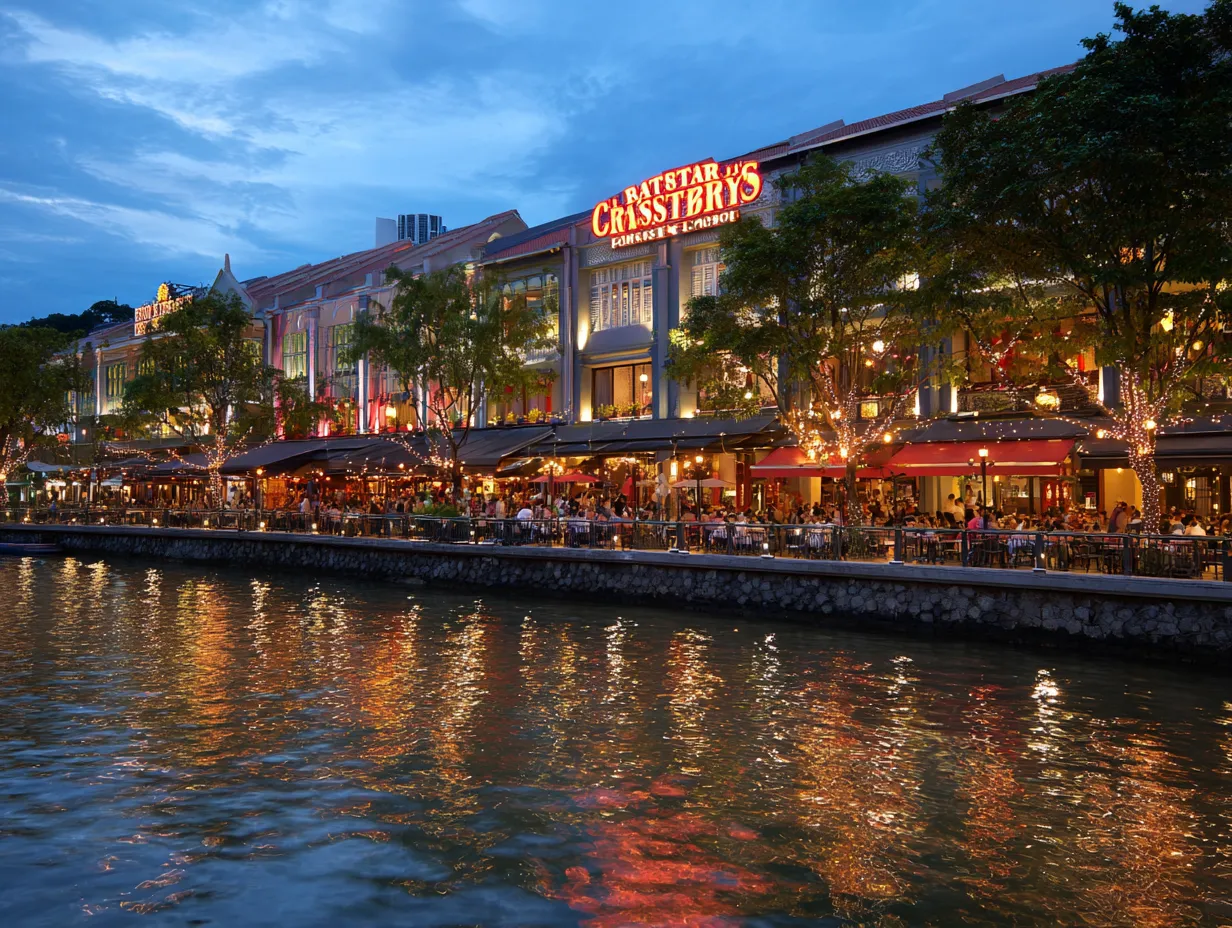
Jumbo Seafood
Family-style Singaporean seafood restaurant best known for its chilli crab and riverside dining in Clarke Quay....
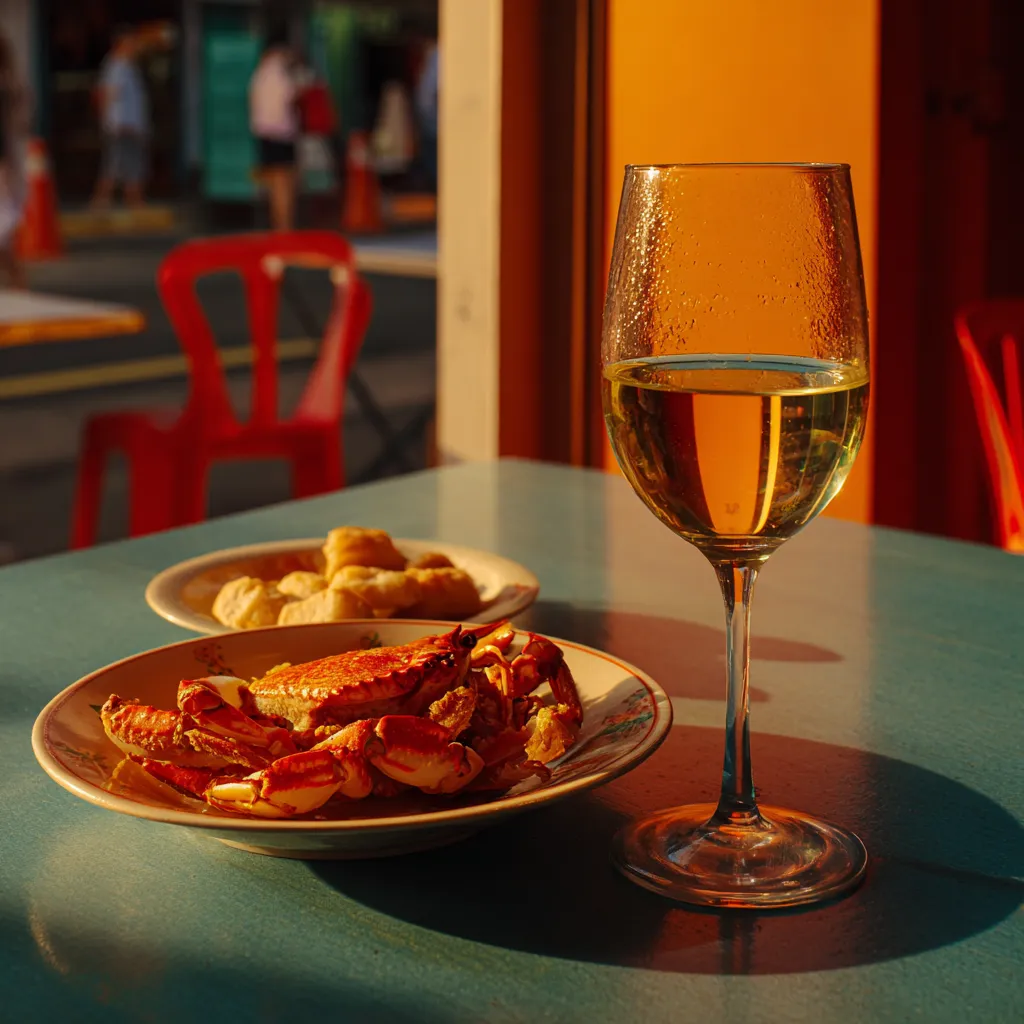
A concise, Singapore-focused primer on matching wine with local food — from hawker seafood to zi char favourites — with practical tips for buying and serving.
A good pairing doesn't need to be fancy — it just needs to support the food, especially when sharing hawker-style.
Think balance: acidity for richness, a touch of sweetness for chilli, and bubbles for sticky sauces.
Singapore's food scene moves fast: hawker-centre classics, zi char feasts, and seafood dinners on the East Coast. Wine pairing here isn't just for fine dining — it can lift a plate of chilli crab or balance the spice of sambal stingray.
Thinking about wine as a flavour partner helps you enjoy local dishes in a new way. A good pairing can cut through richness, calm heat, or mirror sweet and aromatic notes in a sauce — all useful when you're sharing plates with friends at a kopitiam or a waterfront seafood restaurant.
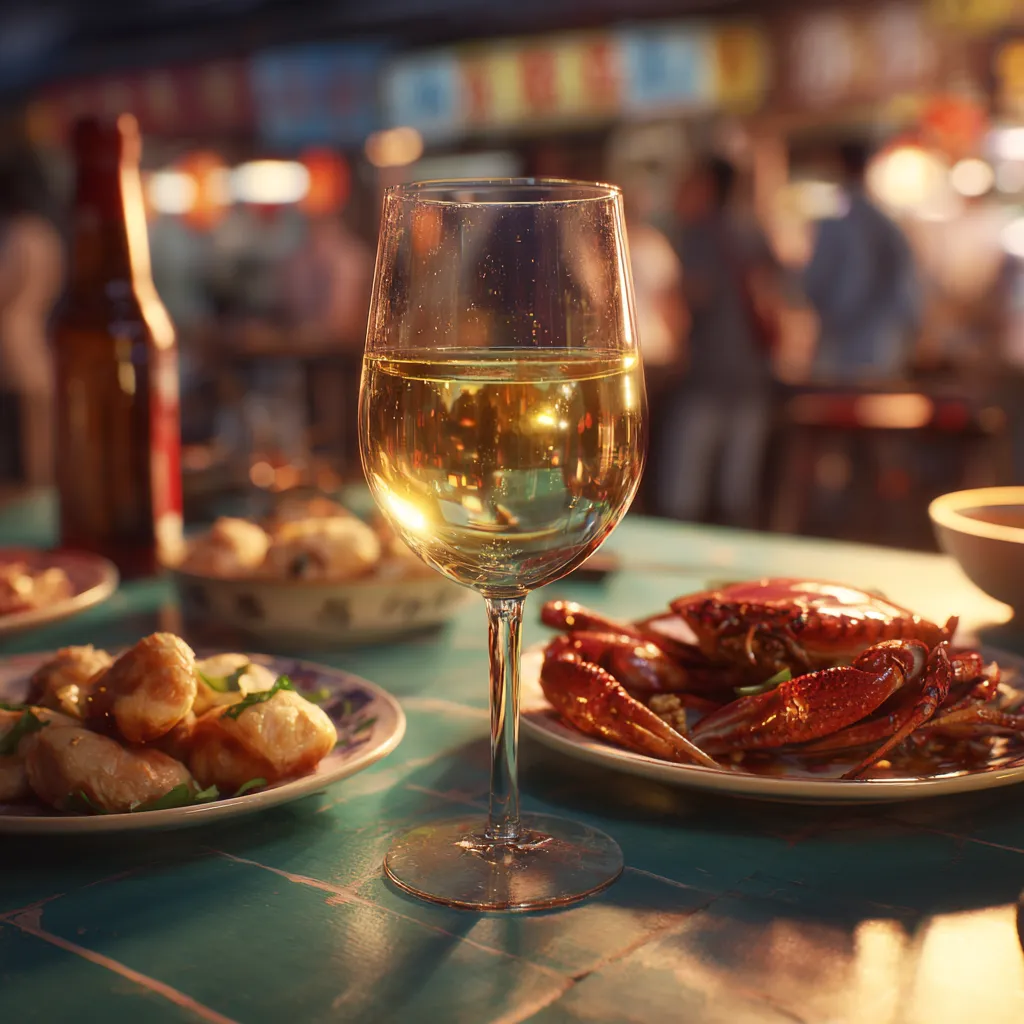
Start with the five building blocks: acidity (crispness), sweetness, tannin (drying bitterness in reds), body (light to full), and intensity (how strong the flavours are). Match these to the dish: high-acid wines cut through rich, oily sauces; sweeter wines tame spicy heat.
A handy rule: contrast where possible. Rich, creamy or salty dishes benefit from high-acid or effervescent wines. Spicy dishes often want a touch of sweetness or low tannin to avoid unpleasant bitterness.
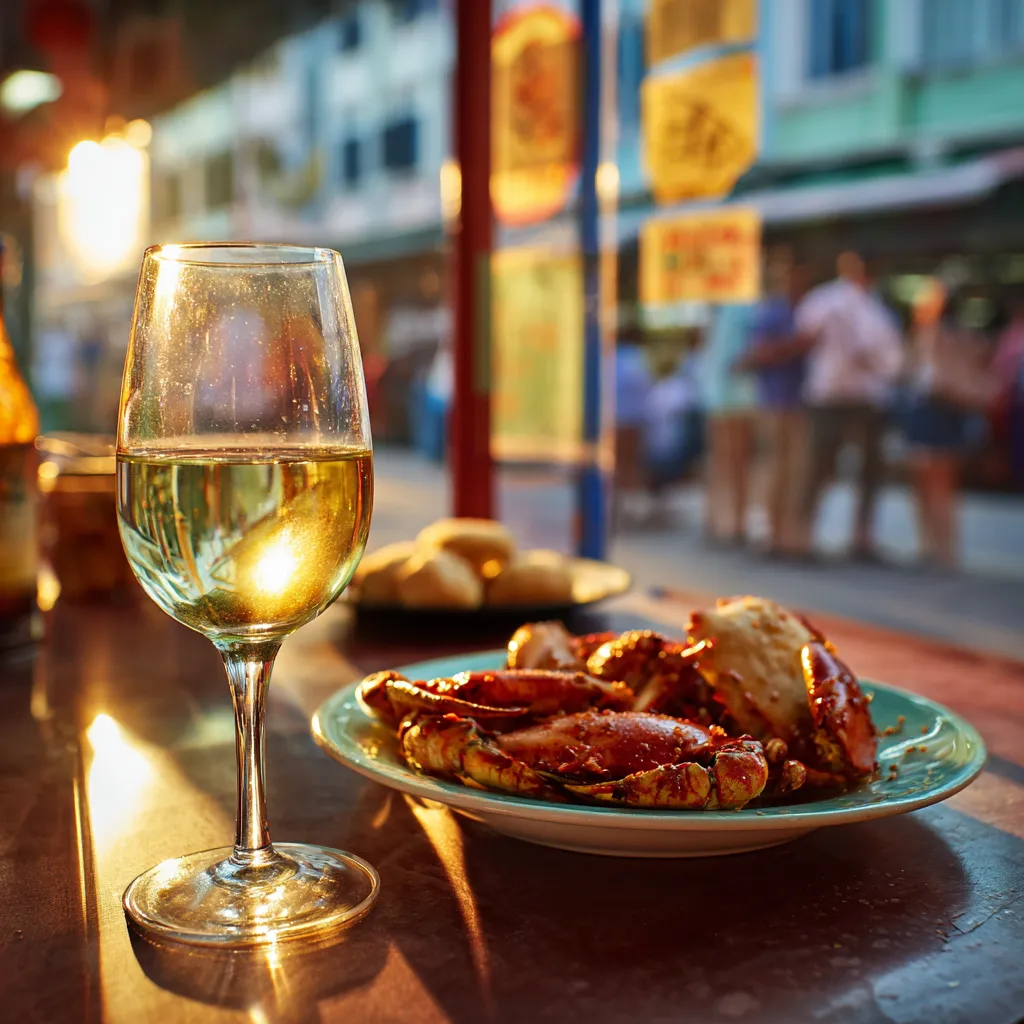
Chilli crab: despite the heat, chilli crab has sweet, tangy and umami layers — think off-dry Riesling, sparkling brut, or an aromatic Gewürztraminer to lift the sauce and refresh the palate. Avoid big, tannic reds that clash with tomato-and-chilli flavours.
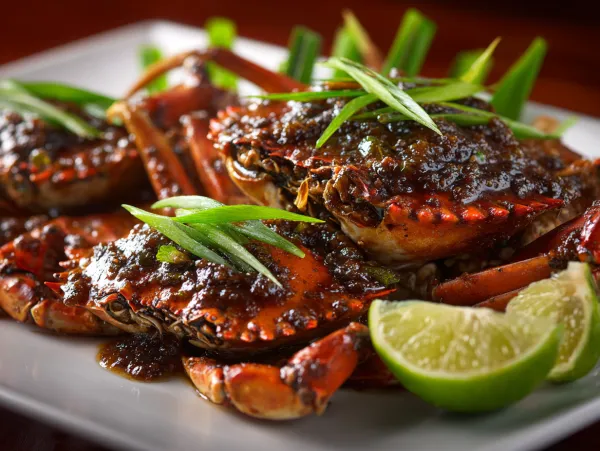
Black pepper crab: the peppery kick and caramelised crust work well with a medium-bodied red with soft tannins (Pinot Noir or a chilled Gamay) or a fuller, unoaked white with spice-friendly aromatics.
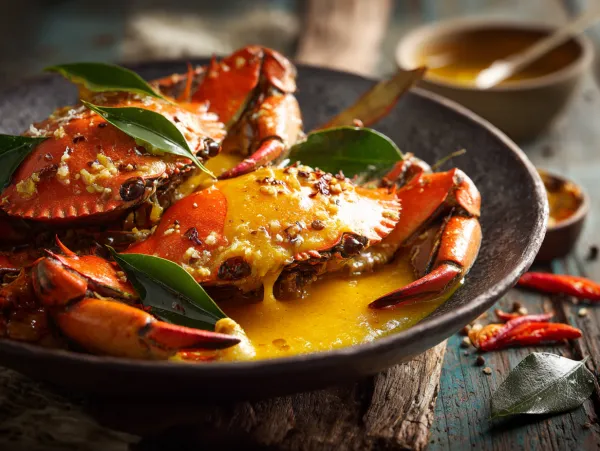
Salted egg yolk crab: creamy and umami-rich, this goes beautifully with fuller-bodied whites (oaked or barrel-fermented Chardonnay), sparkling wine to cut the richness, or a dry rosé for balance.

You don't need a sommelier to pick a good bottle. Cold Storage, neighbourhood bottle shops, and online retailers across Orchard, Tiong Bahru and the CBD stock everything from everyday quaffable wines to special bottles for an occasion.
Serving matters more in warm climates: chill whites and rosés to 8–12°C, serve light reds slightly cooler than room temperature (12–16°C). For bigger reds, decant for 30–60 minutes to open up the aromas. For hawker-style pairing, bring insulated sleeves for chilled bottles if you’re dining outdoors.
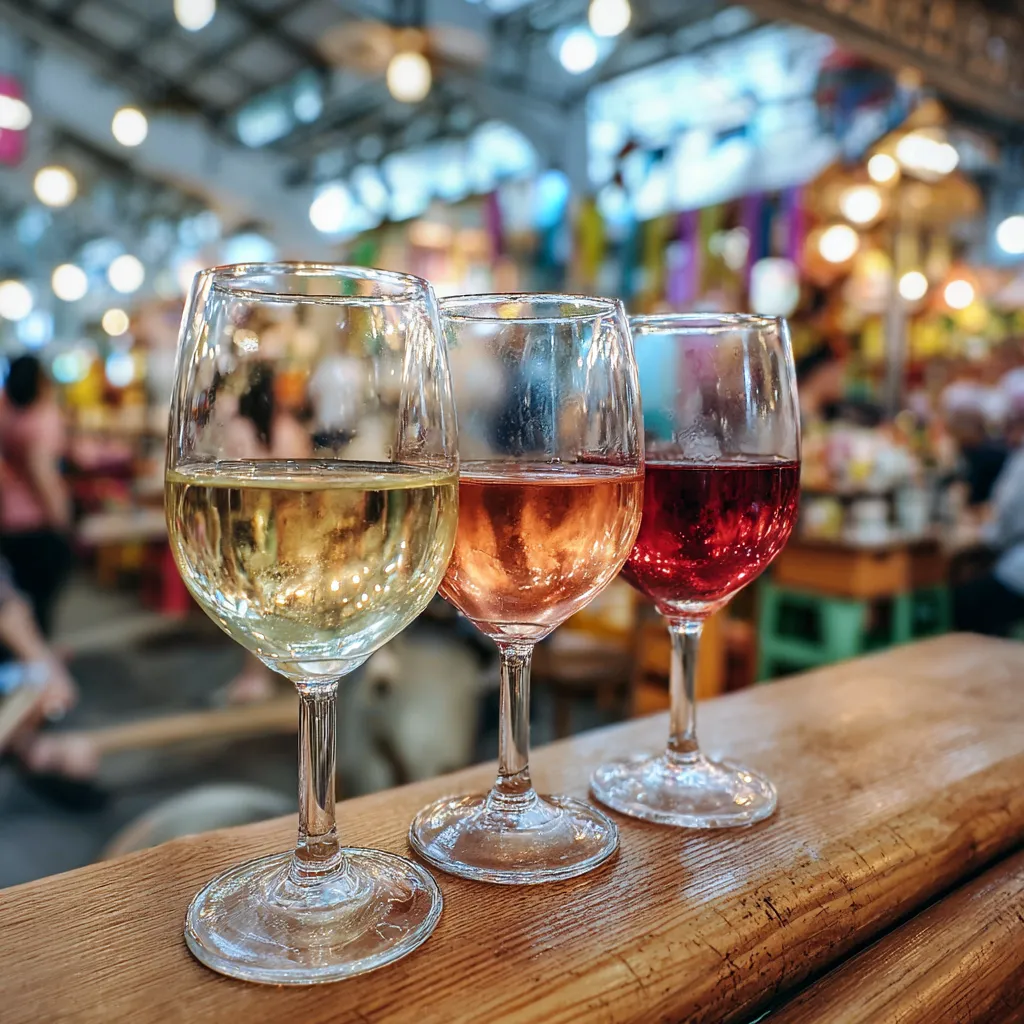
Cheat-sheet: if the dish is spicy, lean off-dry or sparking; if it's rich and creamy, choose high-acid whites or sparkling; if it's charred meat, choose medium-to-full-bodied reds with gentle tannins.
Common mistakes: pairing very tannic wines with chilli or sweet–spicy sauces (tannins can taste harsh), over-chilling reds, and ignoring portion and sharing style — a single bottle should match several plates when you’re makan-ing family-style.
