
Make a thousand-layer kueh lapis at home
Classic Kueh Lapis (Thousand Layer Cake)
Classic Singapore-style Kueh Lapis (Thousand Layer Cake): a rich, buttery layered cake made by grilling thin layers of b...
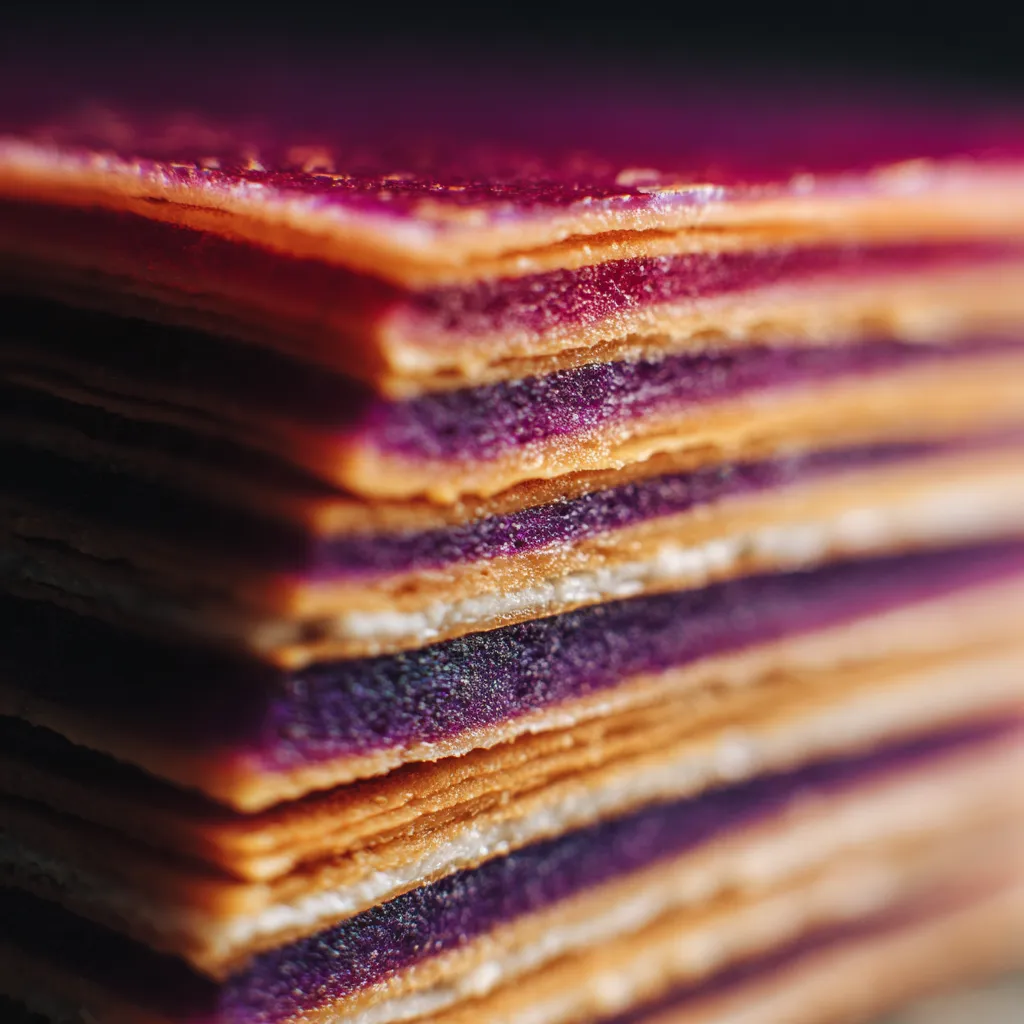
A concise Singapore guide explaining why kueh lapis (thousand-layer cake) costs so much, what goes into it, where to buy it in Singapore, and why it's worth the splurge.
It’s not just a cake — each thin band is hours of hands-on work and tradition.
In Singapore, kueh lapis is often a gift: people pay for taste, time and presentation.
Kueh lapis — the multi-layered, butter-rich cake that turns up at weddings, Chinese New Year and kopi breaks — often costs more than a regular cake because of what’s hidden between each slice: time, ingredients and skilled labour.
In Singapore, where high rents and labour costs meet discerning palates, shops that make authentic kueh lapis use premium butter, lots of eggs, and sometimes real vanilla or spices. Those ingredients alone add up, but the real cost driver is the process: each thin layer is spread and baked separately, sometimes dozens of times, which means long hands-on work and oven time.
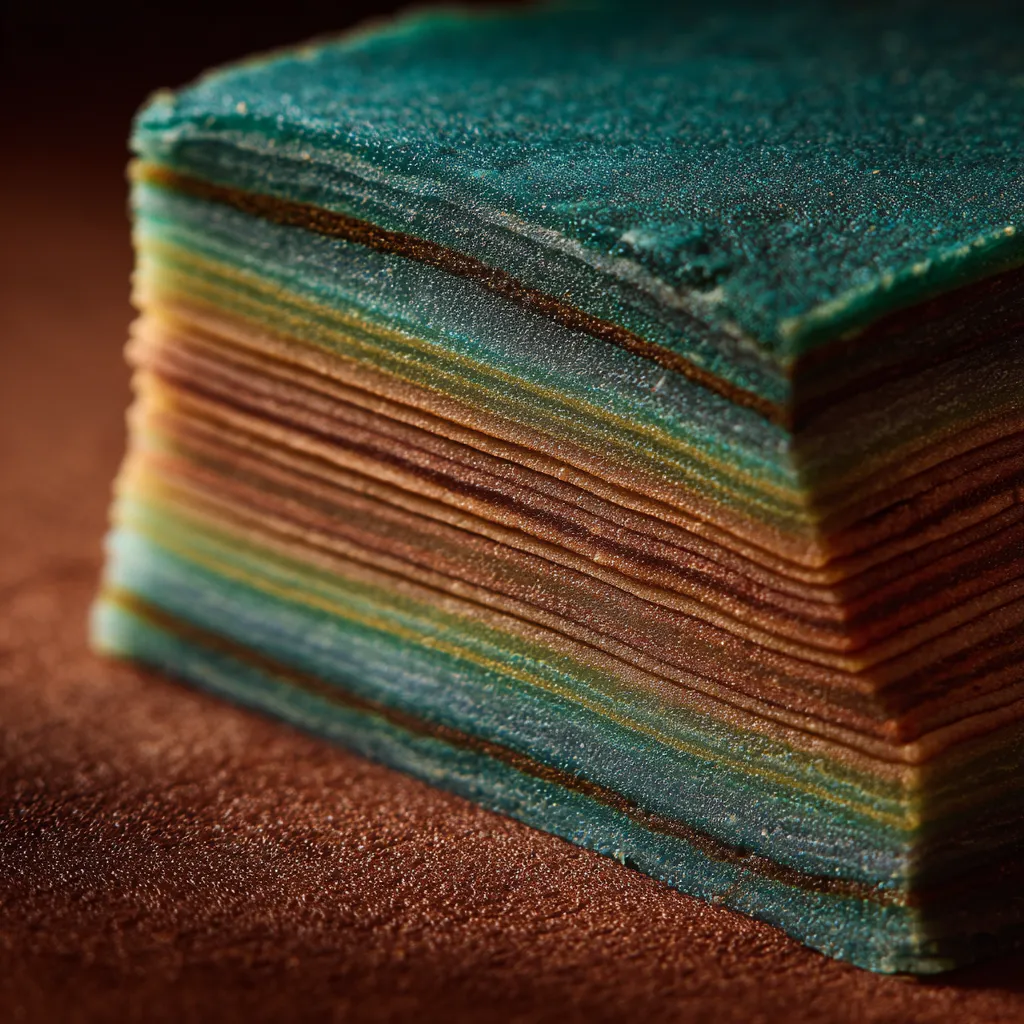
Making kueh lapis is closer to pastry work than a simple cake batter. Bakers make a relatively stiff, buttery batter that’s portioned and spread as thin layers. Each pass under the broiler or in the oven must be even to build those clean, ribbon-like bands.
A small bakery might spend two to four hours on a single tin, including cooling and trimming. In contrast, a simple butter cake can be whipped and baked in an hour — that difference in time and attention is why kueh lapis is priced accordingly.
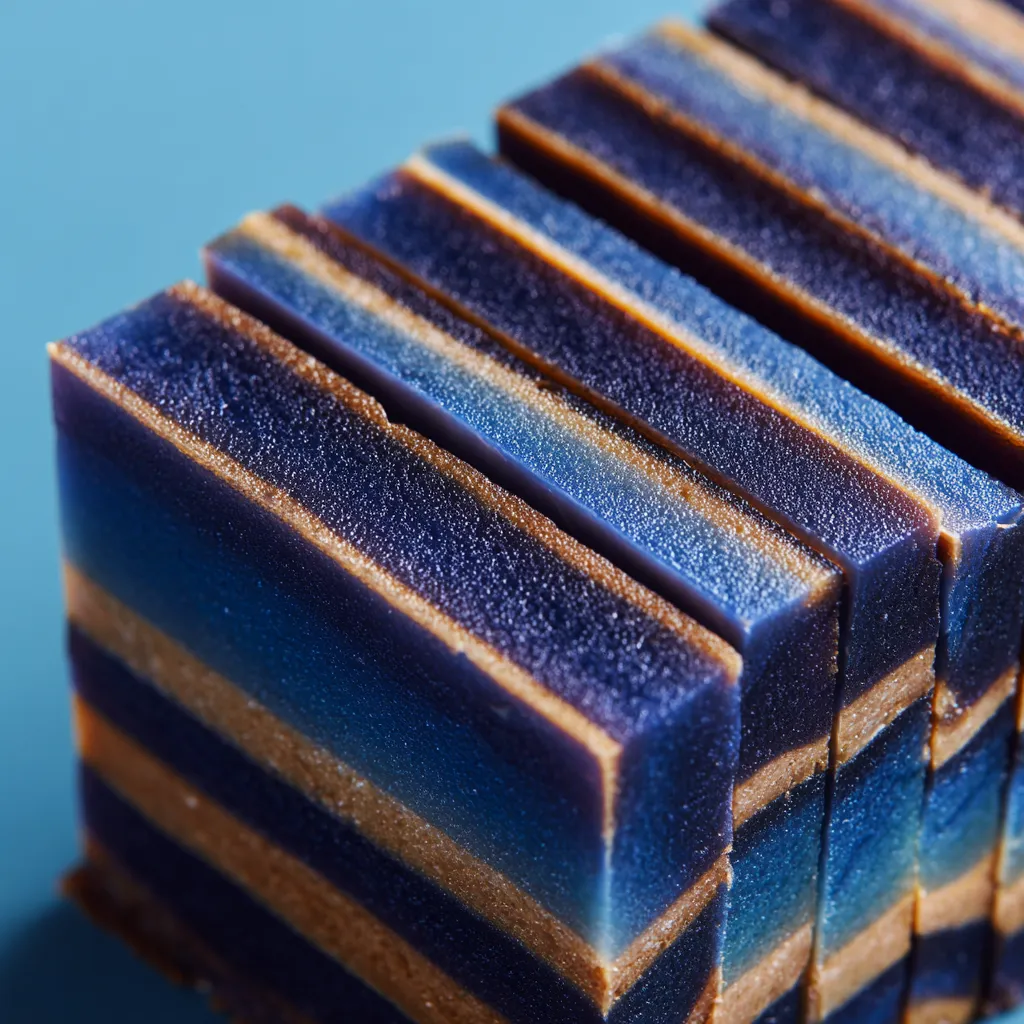
Singapore’s bakeries play with kueh lapis the same way kopi shops adapt recipes: pandan, prune, mocha and even gula melaka riffs are common. Pandan kueh lapis (a fragrant pandan leaf version) and prune-studded variants have become local favourites and are sold as festive gifts across the island.
You’ll find kueh lapis both at heritage bakeries and boutique patisseries — from heartland kopitiam stalls to Chinatown shops and Orchard bakery counters. Traditional Peranakan lines influence the cake’s texture and spice balance, giving it a uniquely Singaporean identity.
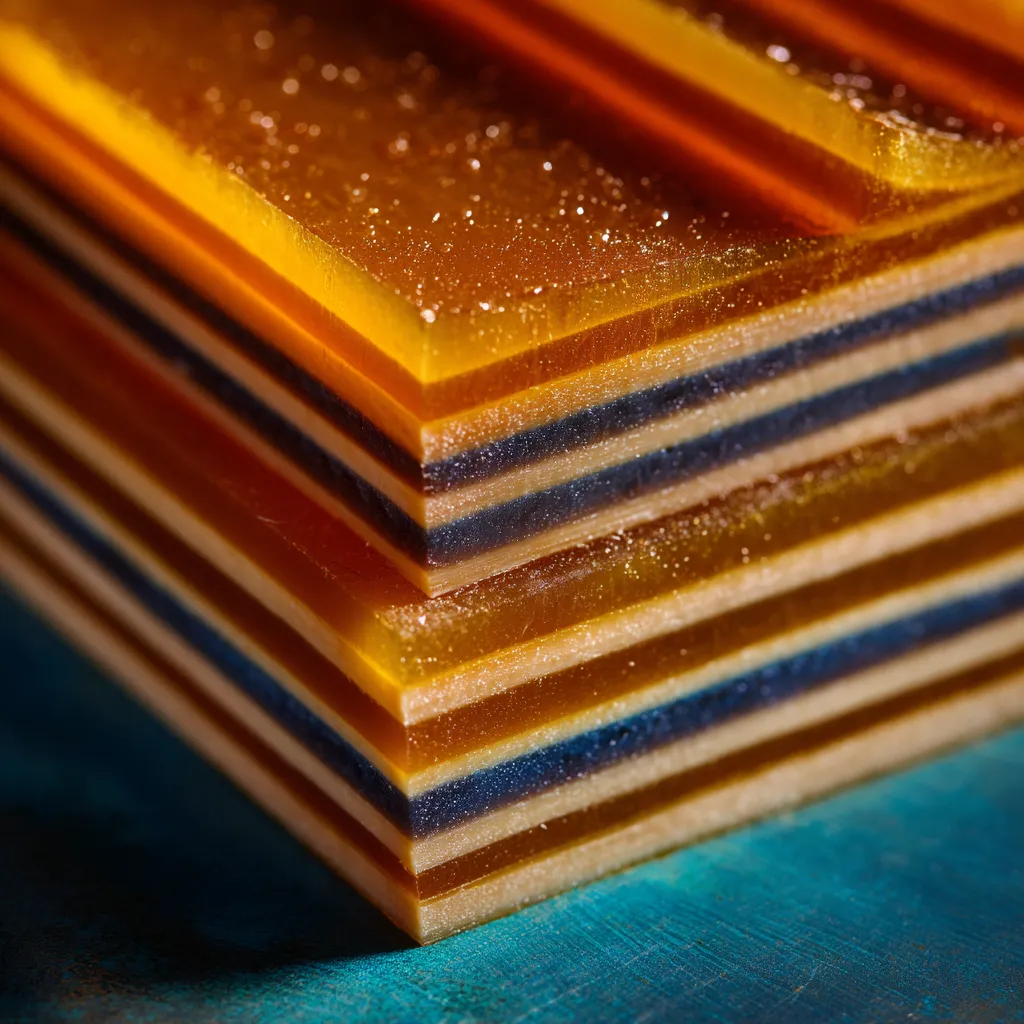
If you want a reliably good kueh lapis, look for long-running shops and established patisseries. Bengawan Solo has been a household name for decades and is synonymous with kueh lapis as a gift item. Boutique bakeries in Tiong Bahru and Joo Chiat also sell artisanal variants with clearer labeling of ingredients.
Expect to pay more for larger tins, premium ingredients (real butter, imported vanilla) or limited-edition flavours. Prices vary by shop, tin size and packaging: heartland bakeries may be slightly cheaper, while Orchard or Marina Bay patisseries will charge a premium for presentation and branding.
A slice of kueh lapis is dense and buttery — serve it slightly warmed or at room temperature with black kopi or tea. When gifting, check if the shop includes a small spatula or plastic knife; otherwise, bring a proper serrated knife for cleaner slices.
For home storage, refrigerate in an airtight box. When slicing, chill the cake slightly so layers cut cleanly; wipe the knife between cuts for neat presentation. If you want to save money, buy smaller tins or split a medium tin with family or colleagues — it’s a common local approach to enjoy premium treats without the full price burden.
Make a thousand-layer kueh lapis at home
Classic Singapore-style Kueh Lapis (Thousand Layer Cake): a rich, buttery layered cake made by grilling thin layers of b...

A Singapore-style twist on the classic Peranakan kueh lapis — buttery layered ca...
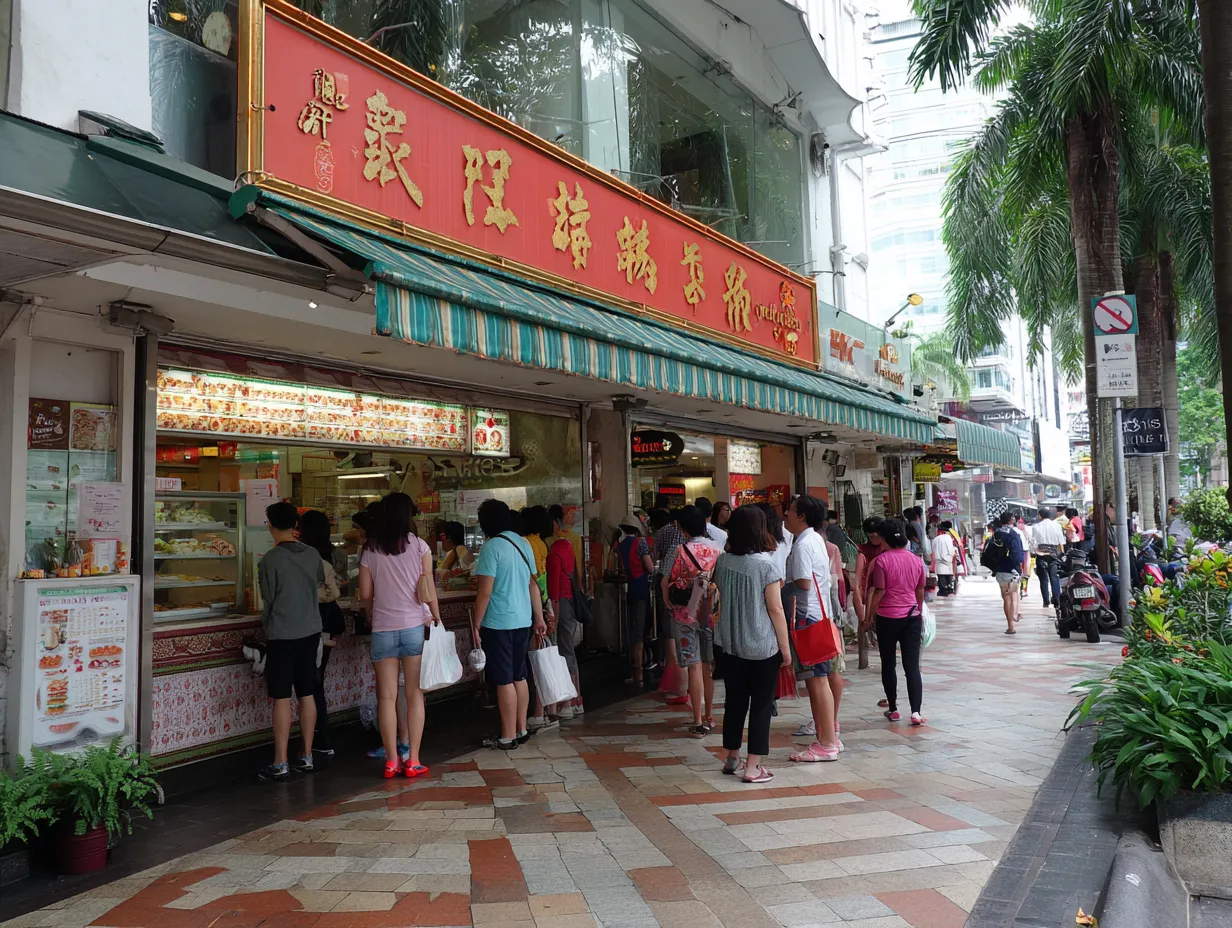
Singapore institution for kueh lapis
A well-known bakery counter specialising in kueh lapis and traditional Peranakan cakes, perfect for takeaway gifts and t...
