Seafood delivery favourites
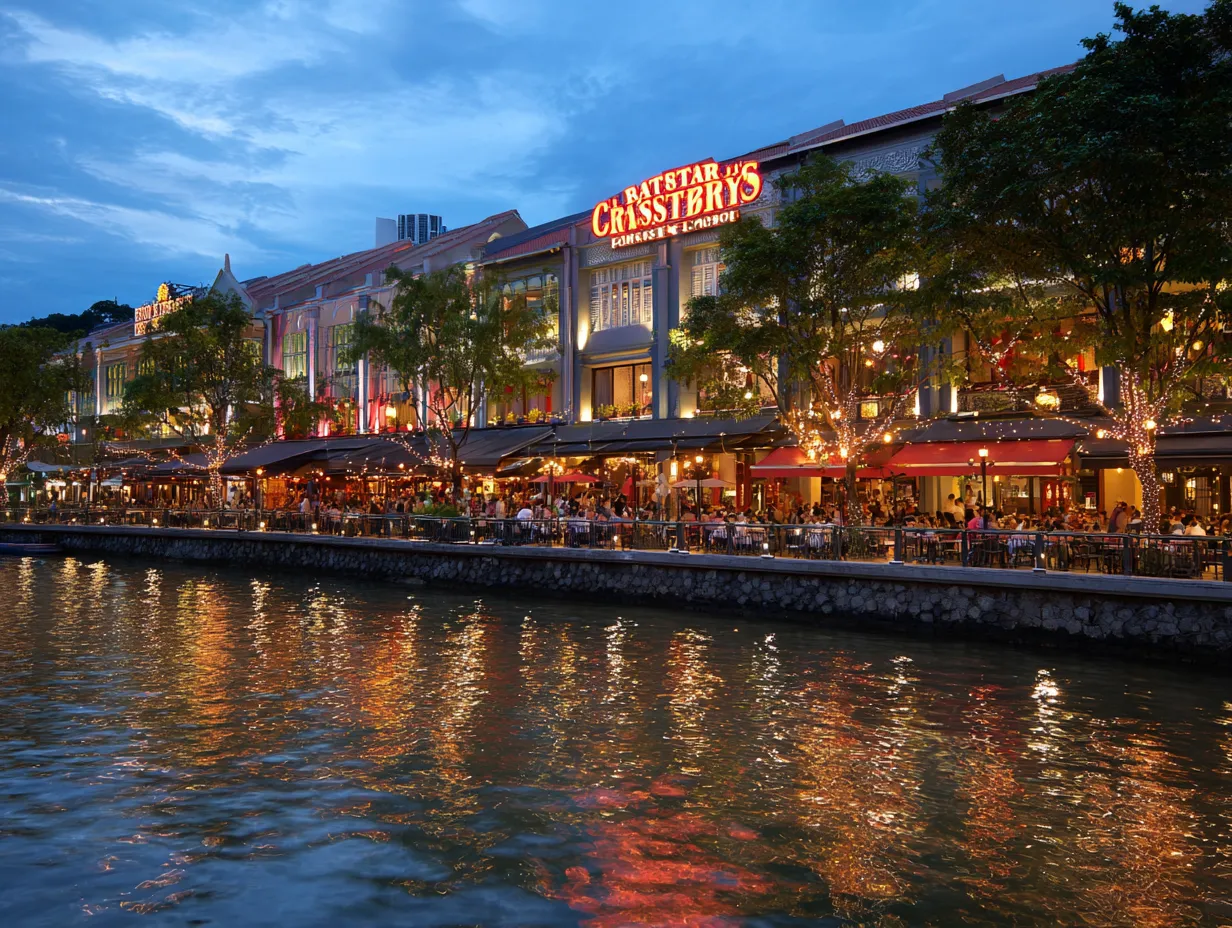
Jumbo Seafood
Family-style Singaporean seafood restaurant best known for its chilli crab and riverside dining in Clarke Quay....
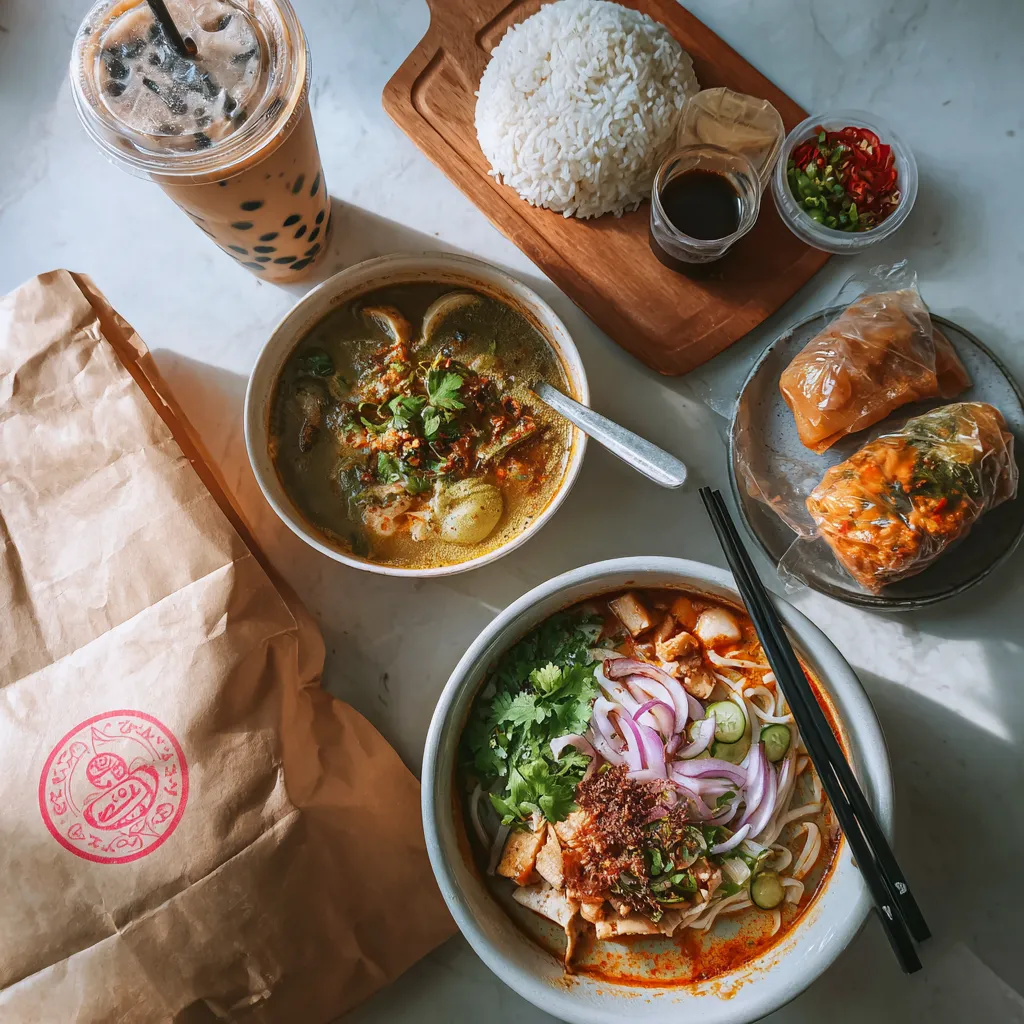
A concise look at Singapore's food delivery landscape in 2025 — what dishes and neighbourhoods are trending, how delivery habits have changed, and practical tips for ordering in the Lion City.
Delivery in Singapore is no longer just about convenience — it’s how neighbourhoods and hawkers extend their table into your home.
Order family sets or off-peak to save on fees, and always check whether sauces come separately — it makes reheating so much better.
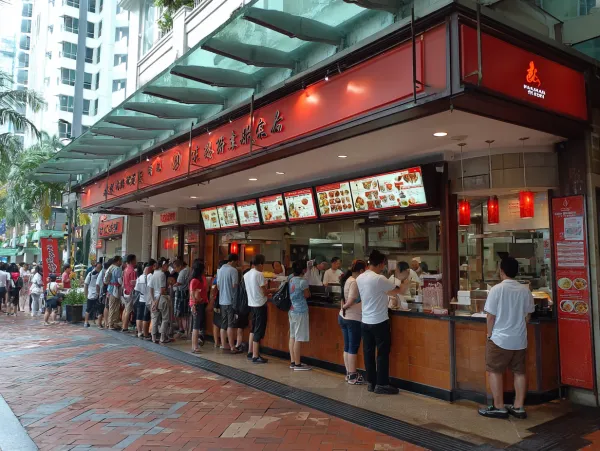
Food delivery is woven into daily life across Singapore: from CBD lunch crowds ordering bentos to late-night supper runs from kopitiams and hawker centres. In 2025 the habit has matured — it's no longer just convenience but an extension of neighbourhood dining culture.
What’s changed is the scale and variety: more hawker classics are optimized for delivery, cloud kitchens serve households across districts, and premium restaurants routinely add insulated packaging so chilli crab and zi char travel well. Expect a mix of old favourites and new formats when you tap your delivery app.
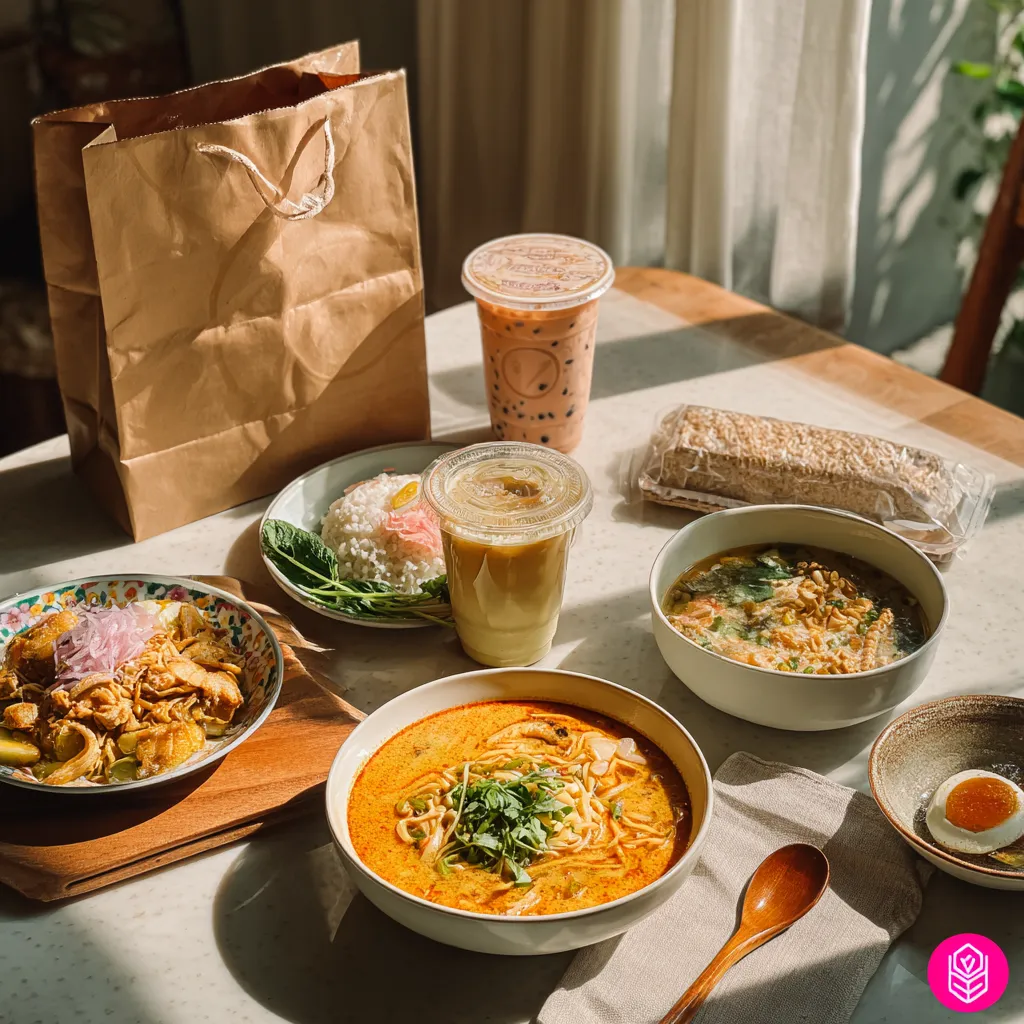
The menu mix shows a blend of comfort hawker food and premium at-home feasts. Classic hawker plates — chicken rice, laksa, char kway teow and mee goreng — remain staples because they travel well and feel like home. At the same time, demand for seafood platters, banquet-style zi char, and Instagram-friendly bakery boxes has risen.
Newer growth areas include plant-forward bowls, subscription meal kits for weekday lunches, and bubble tea/coffee bundles for group orders. Timing still matters: lunch orders peak in the CBD, while supper orders spike in the heartlands and near nightlife areas.
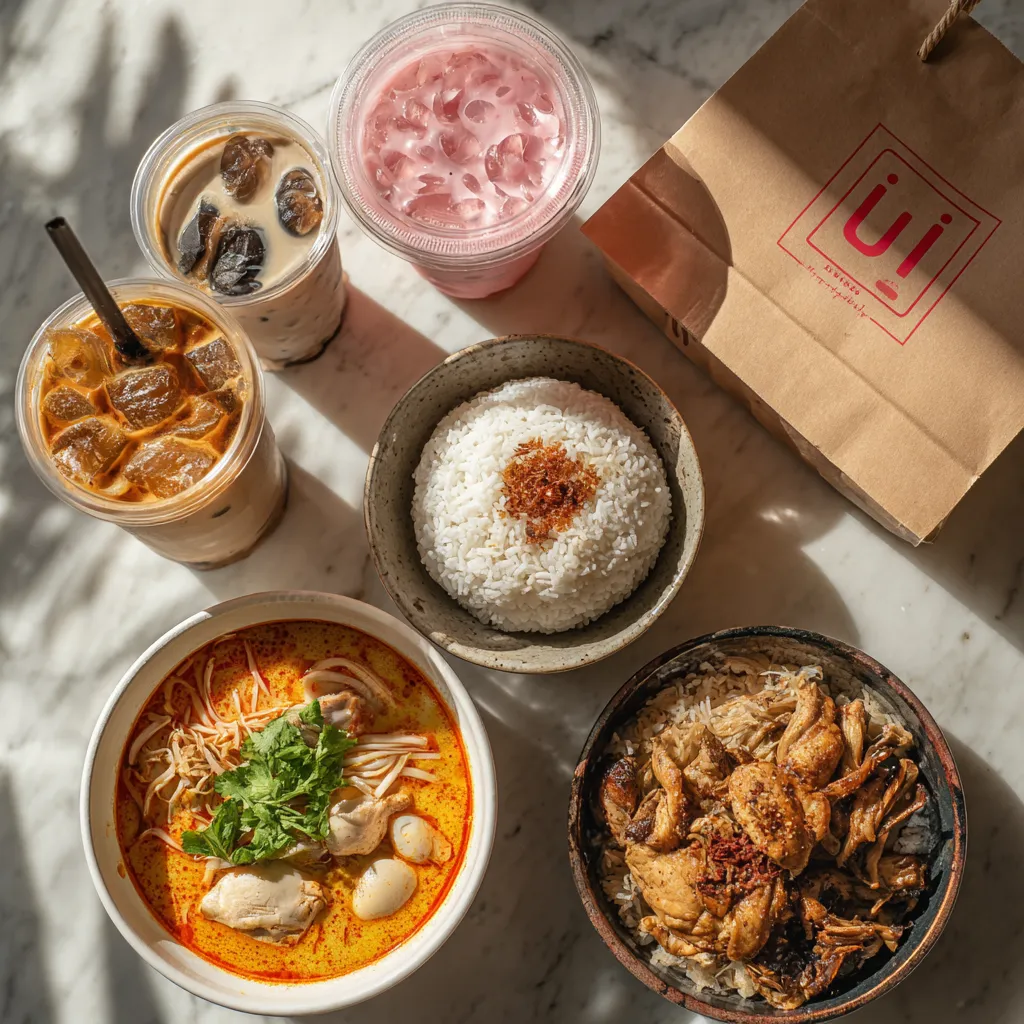
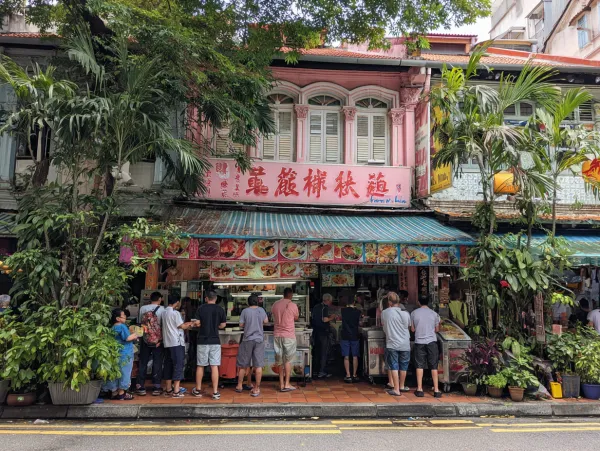
Delivery maps still follow dining DNA. Katong and Joo Chiat see heavy laksa and Peranakan dishes; Tiong Bahru’s cafes and brunch joints push brunch boxes and pastries; East Coast keeps seafood and family-style zi char popular for weekend feasts. In the CBD, value bentos and meal sets dominate the lunch hour.
Understanding local patterns helps when planning a makan trail: combine a late-afternoon cafe pick-up in Tiong Bahru with an evening seafood delivery from East Coast for a diverse at-home spread, or order from a hawker centre that offers multi-stall bundles to taste a variety without queuing.
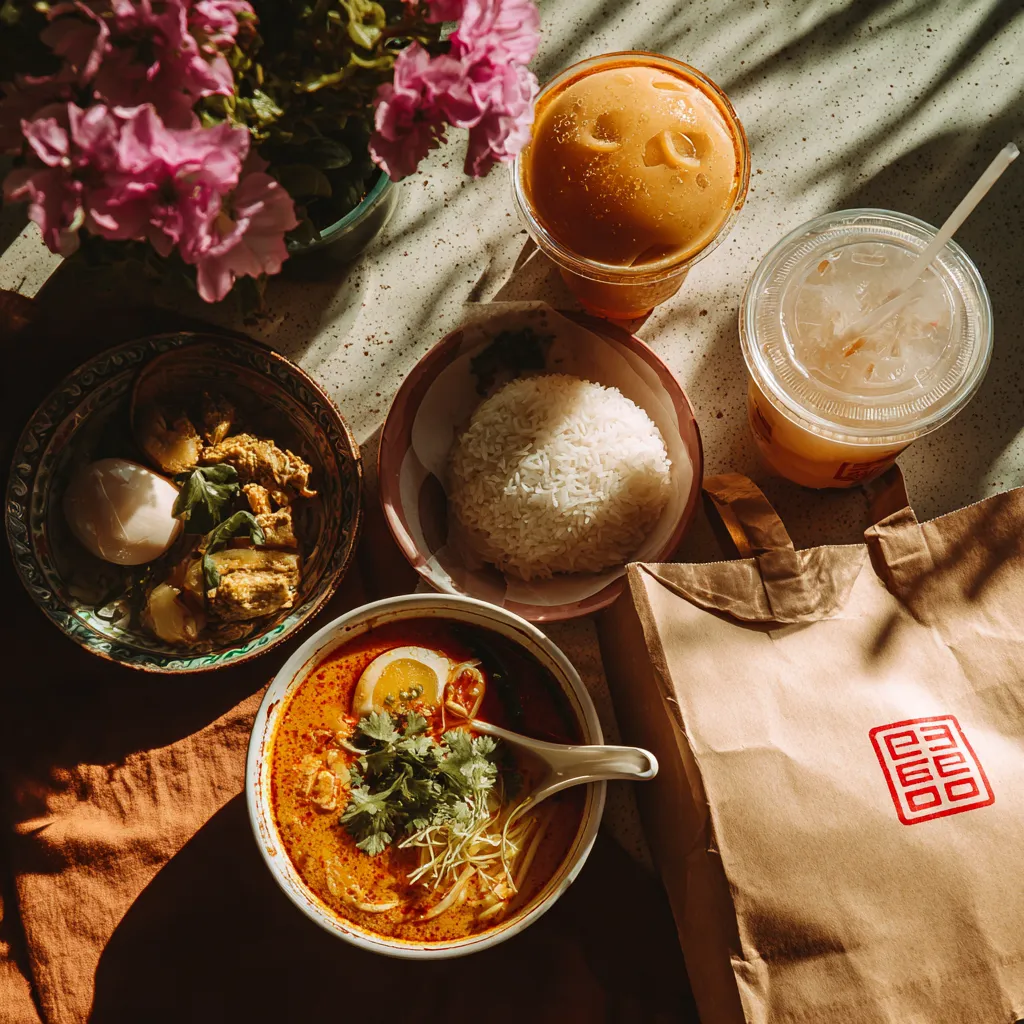
Delivery fees and surge pricing still frustrate, but smart ordering reduces cost: group orders for families or neighbours, use subscription lunch plans, and time orders outside peak windows where possible. Many hawkers now offer set meals for two or family bundles which beat individual item fees.
Reheating matters — choose meals designed to travel (separate gravies, sturdy starches) and follow simple steps: reheat fried items briefly in a hot pan for crunch, microwave gravies with a splash of water, and steam buns to revive texture. Keep an eye out for eco-packaging options on the menu to cut waste.
Sustainability and tech-forward kitchens will shape the next wave. Expect more reusable container pilots, consolidated rider logistics for multi-stop drop-offs, and cloud kitchens specialising in delivery-only hawker renditions — think ‘modern zi char’ or ‘laksa lab’ optimised for travel and flavour retention.
Local creativity continues: bakers collaborate with bubble tea shops for combo boxes, seafood restaurants craft travel-ready crab sets, and hawker stall owners partner with apps to offer off-peak discounts. For travellers and locals alike, 2025’s delivery scene means broader choice and smarter ways to makan at home.