Iconic Katong laksa
328 Katong Laksa
Beloved Katong laksa stall known for its rich, coconut-forward bowls of Peranakan-style laksa in the East Coast neighbou...
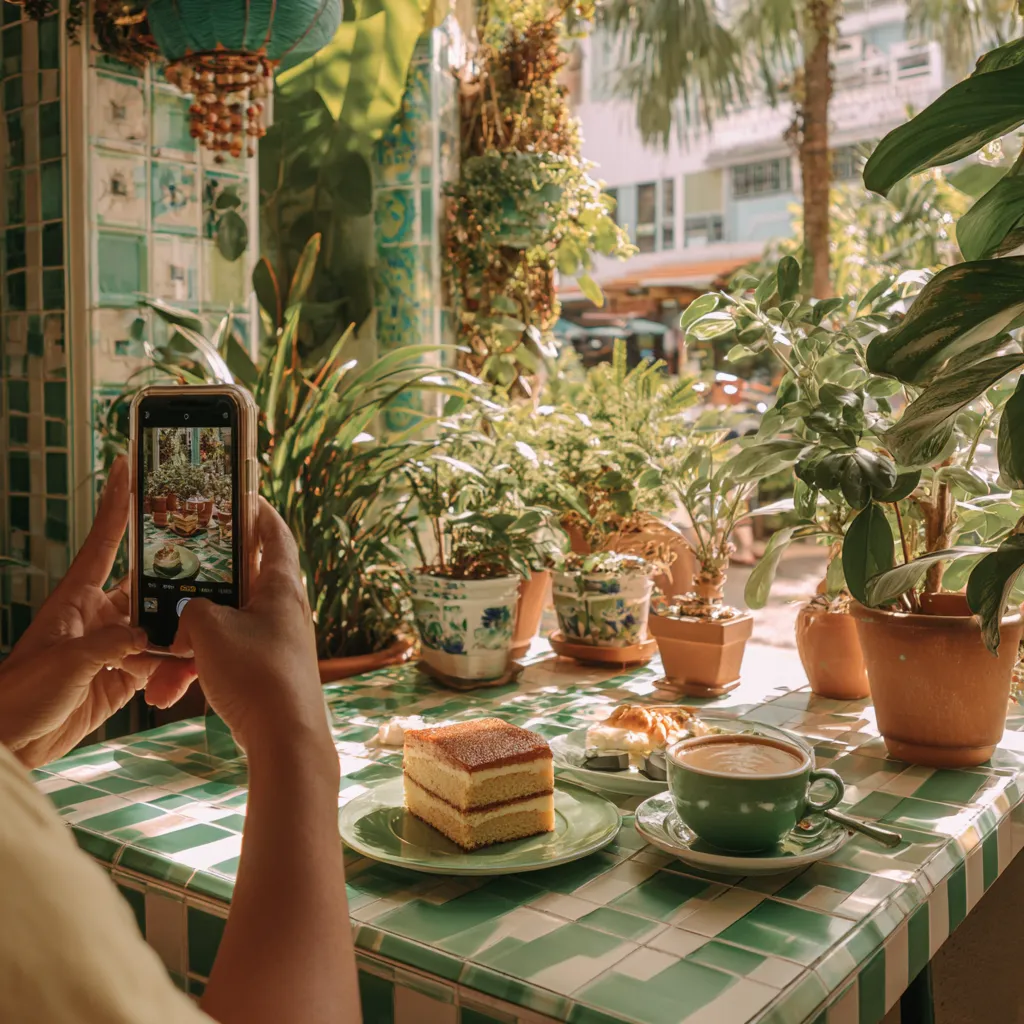
A practical Singapore guide to the best kinds of food influencers to follow, where they take you (hawker centres, cafes, zi char), and how to turn their tips into a winning makan trail.
A great food creator doesn't just post pretty photos — they save you time, money and the regret of a missed makan moment.
Follow for tips, not just looks: menu must-orders, peak times and whether a stall accepts PayNow.
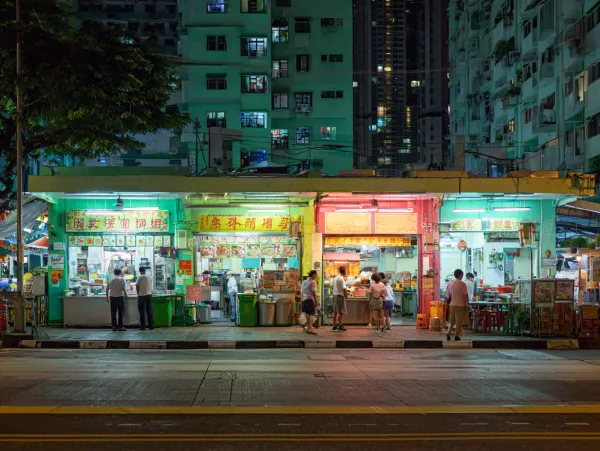
Singapore is a small island with a huge food scene — from hawker-centre classics to specialty cafes and modern zi char. Food influencers act as local scouts: they spotlight hidden kopi stalls in heartland estates, new cafes in Tiong Bahru and Orchard, and seasonal pop-ups in the CBD.
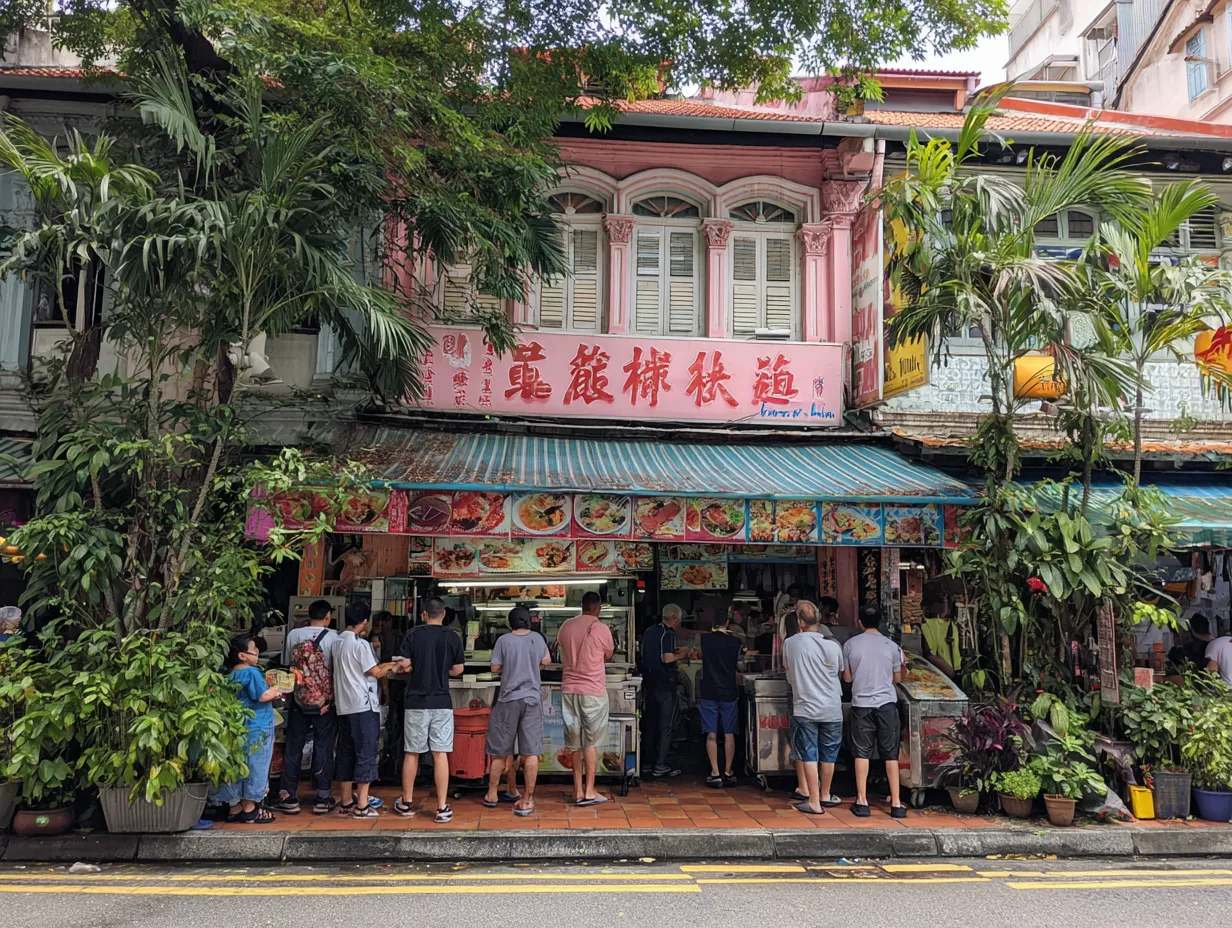
Good accounts save you time when planning makan trips, showing realistic photos, honest queue updates and practical tips like peak hours, menu must-orders and whether a stall accepts PayNow or only cash. They also celebrate small businesses — and when an influencer calls out a legitimate gem, you often get first dibs before a place goes viral.
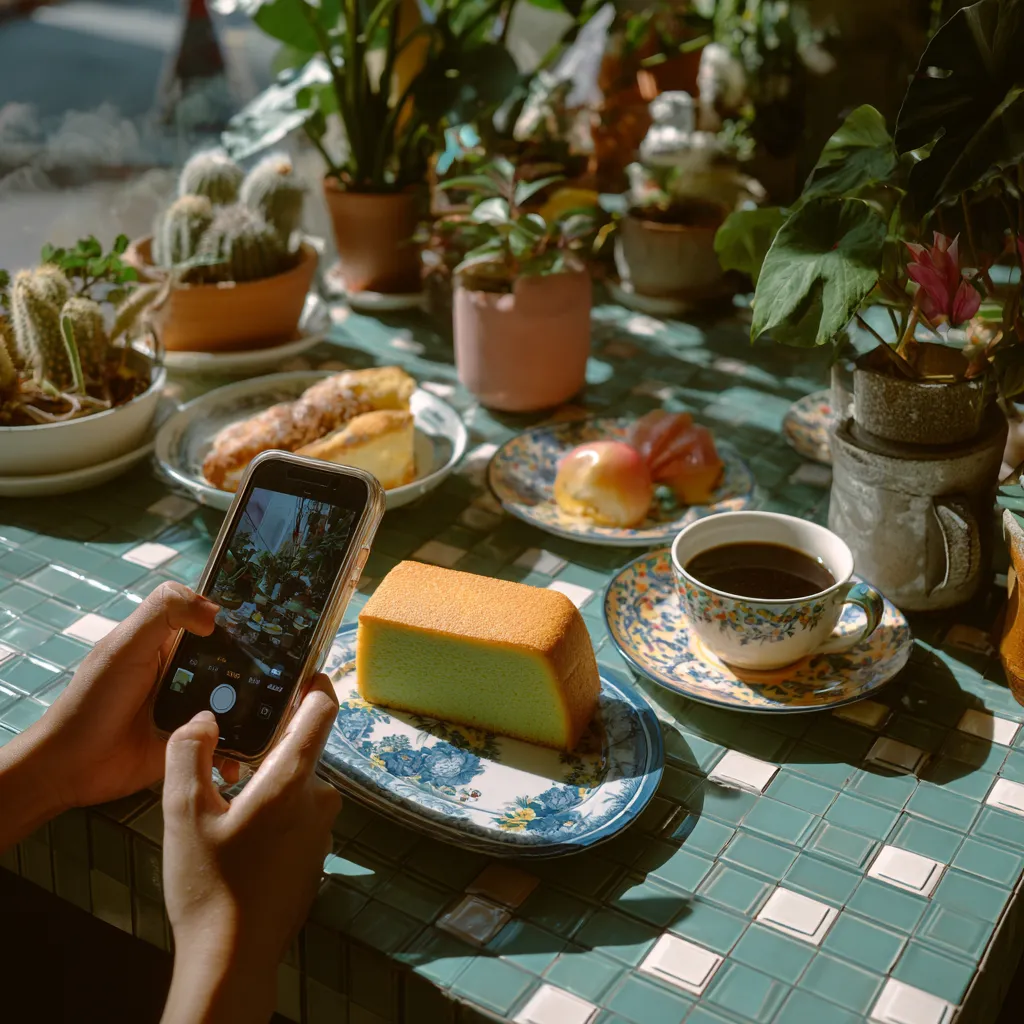
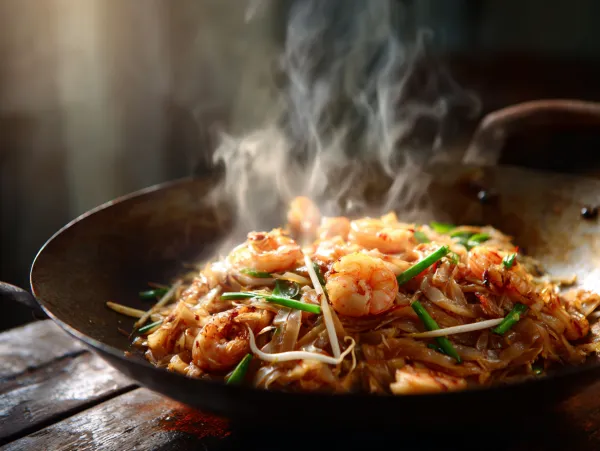
Not all influencers are the same. Some are photographer-driven accounts that prioritise sharp, moody images of plates and cafe interiors; others are reel-focused creators who capture the sound of woks and the bustle of hawker centres. Choose creators that match how you like to discover food — quick videos for supper runs, long-form blogs for deep dives.
Also follow niche creators: hawker historians who explain dish origins, home cooks who recreate Singapore classics (useful if you want to try nasi lemak or char kway teow at home), and sustainable food advocates who promote zero-waste eateries and farmer collaborations.
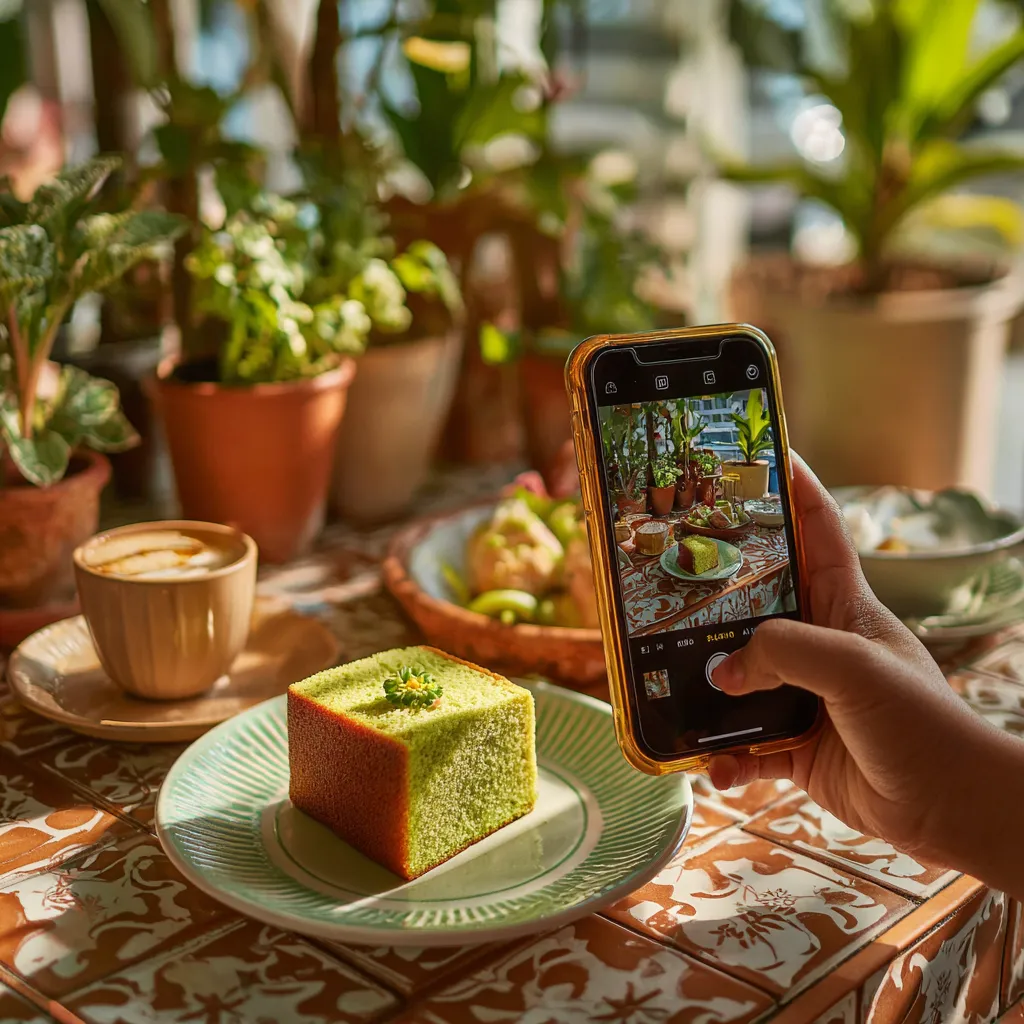
Popular neighbourhoods featured by local creators include Tiong Bahru (cafe hopping and heritage kopitiams), Katong and east-coast laksa stalls, Bugis and Little India for hawker diversity, and supper spots around Geylang Serai and Chomp Chomp. Influencers often map a day-long makan trail so you can combine breakfast kopi, a midday hawker lunch and an evening zi char.
Pay attention when an influencer tags specific stalls or markets — that’s a cue to visit early or later to avoid the worst queues. Many will also call out practical tips like whether a stall uses plastic-free packaging or if a popular seafood place offers sambal-packed takeaway for mantou dipping.
Sponsored content is part of the ecosystem — many creators rely on brand partnerships — but good influencers balance paid posts with genuine, unsponsored visits. Look for repeated independent visits, transparent captions (they’ll tag sponsorships), and reviews that include both positives and realistic caveats like price or portion size.
Check comments and community replies: locals often correct or confirm recommendations. Also compare across platforms — a stall praised on Instagram and demonstrated on YouTube with full-order videos is likelier to be an honest pick than a single curated photo.
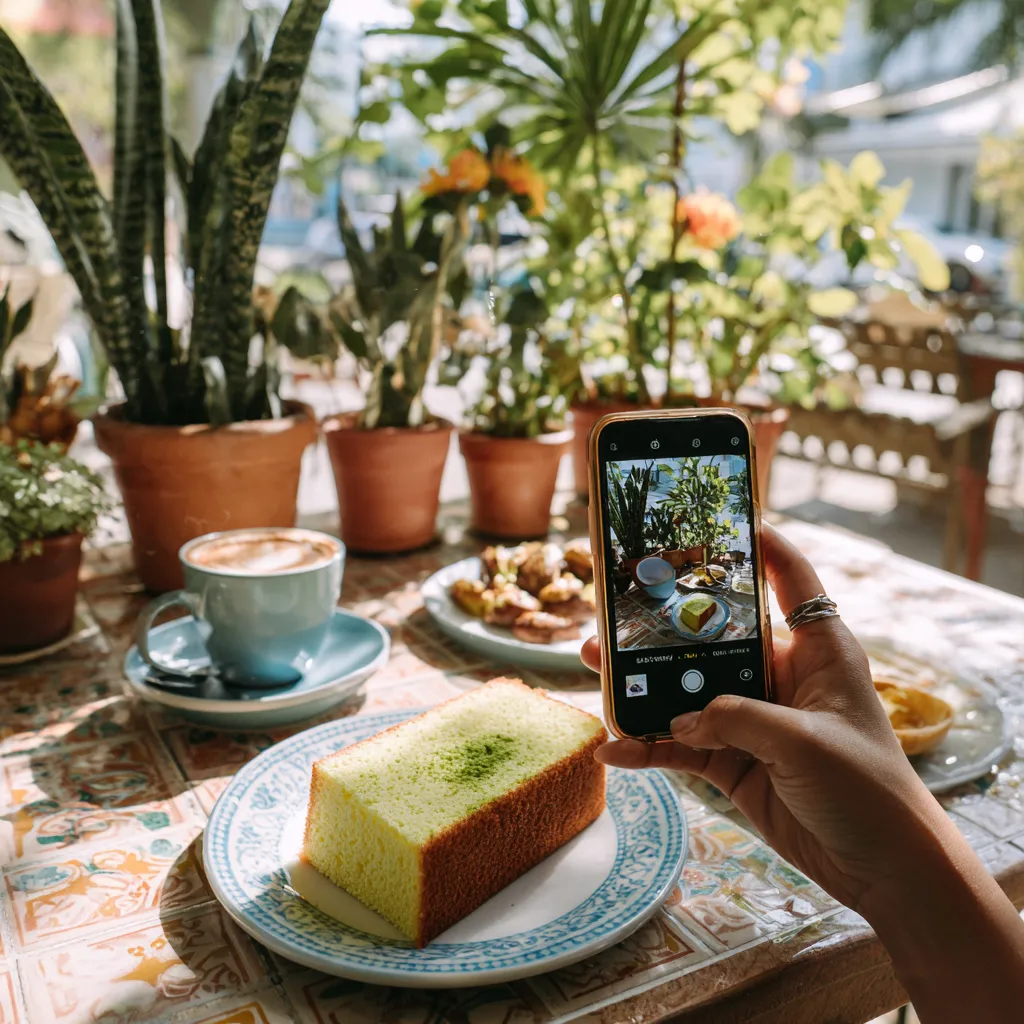
Use influencers to craft efficient routes: start with kopi and kaya toast at a Tiong Bahru kopitiam, walk to a nearby cafe for cakes, hop on a bus to Katong for laksa, and finish with seafood zi char or chilli crab by the East Coast. Influencers often share transit tips and combo orders to save time.
If you only have a half-day, pick one neighbourhood and build a micro-trail (breakfast + one hawker lunch + snack). For evenings, follow creators who do supper runs — they’ll highlight stalls open late, what to order family-style, and whether a place can handle takeaway for group gatherings.
Iconic Katong laksa
Beloved Katong laksa stall known for its rich, coconut-forward bowls of Peranakan-style laksa in the East Coast neighbou...

DIY chilli crab mantou
A Singapore-style chilli crab sauce — tangy, sweet and slightly spicy wok-simmered gravy perfect for dunking fried manto...